As we move through the spring months, many of our conversations keep coming back to the same ideas. Progress. Effort. Growth. Whether it is at the dinner table or in the car after practice, you are likely asking the same questions we are at school. How do we keep our children motivated? How do we support them without lowering the bar?
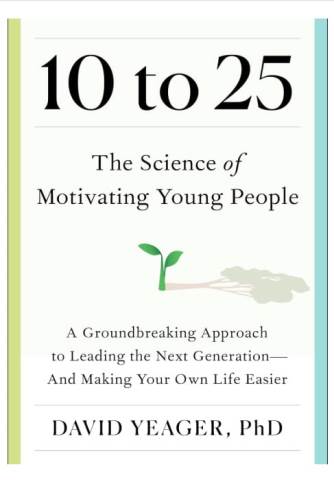
One of the most meaningful reminders from “10 to 25: The Science of Motivating Young People” by David Yeager is this. Our children care deeply. They want to feel respected. They want to belong. They want to know they matter. When they feel those things, they are far more willing to lean in and rise to expectations.
Since January, many of our teachers have been part of a Professional Learning Community led by Head of School Brent Bell, Athletic Director Mitch Jordan, and Assistant Director of the Teaching and Learning Center Justin Bruce, reflecting on this work together. One idea that has really stayed with us is “wise feedback.” Students are more open to feedback when they believe two things at the same time: 1. You expect a lot from them, and 2. You truly believe they can meet that expectation.
We have also been thinking about ownership. Instead of always telling students what to do next, we are working to bring them into the process. Setting goals. Reflecting on progress. Taking responsibility for their learning. These small shifts build confidence over time.
This work will continue as more of our faculty engage with the book in our final PLC of the year, helping us strengthen a shared approach across classrooms.
For parents, this is both reassuring and practical. Much of it is not about doing more, but about saying things a little differently. A simple shift like, “I know this is challenging, and I know you can do this,” can go a long way. Asking, “What is one goal you want to focus on next?” invites ownership.
The years from 10 to 25 are tender ones. Our children are listening, even when it does not seem like it. Over time, they begin to believe what they hear. When they hear both belief and accountability, they start to carry that within themselves.
If you have a child in this age range, I would encourage you to read “10 to 25.” It is practical, approachable, and gives us a shared language as partners in this work.
We are in this together. And in so many ways, it is the small, everyday moments that matter most. So…Say It Like You Mean It!