NewsAthleticsUpper SchoolStudent LifeFaculty/StaffAlumniAdvancementService
WHOM DO WE HATE: A Tiger in Search of a Rival...
Aug 21, 2003 8:00 AM
By Stefan Eady - Faculty
by Ken Wempe
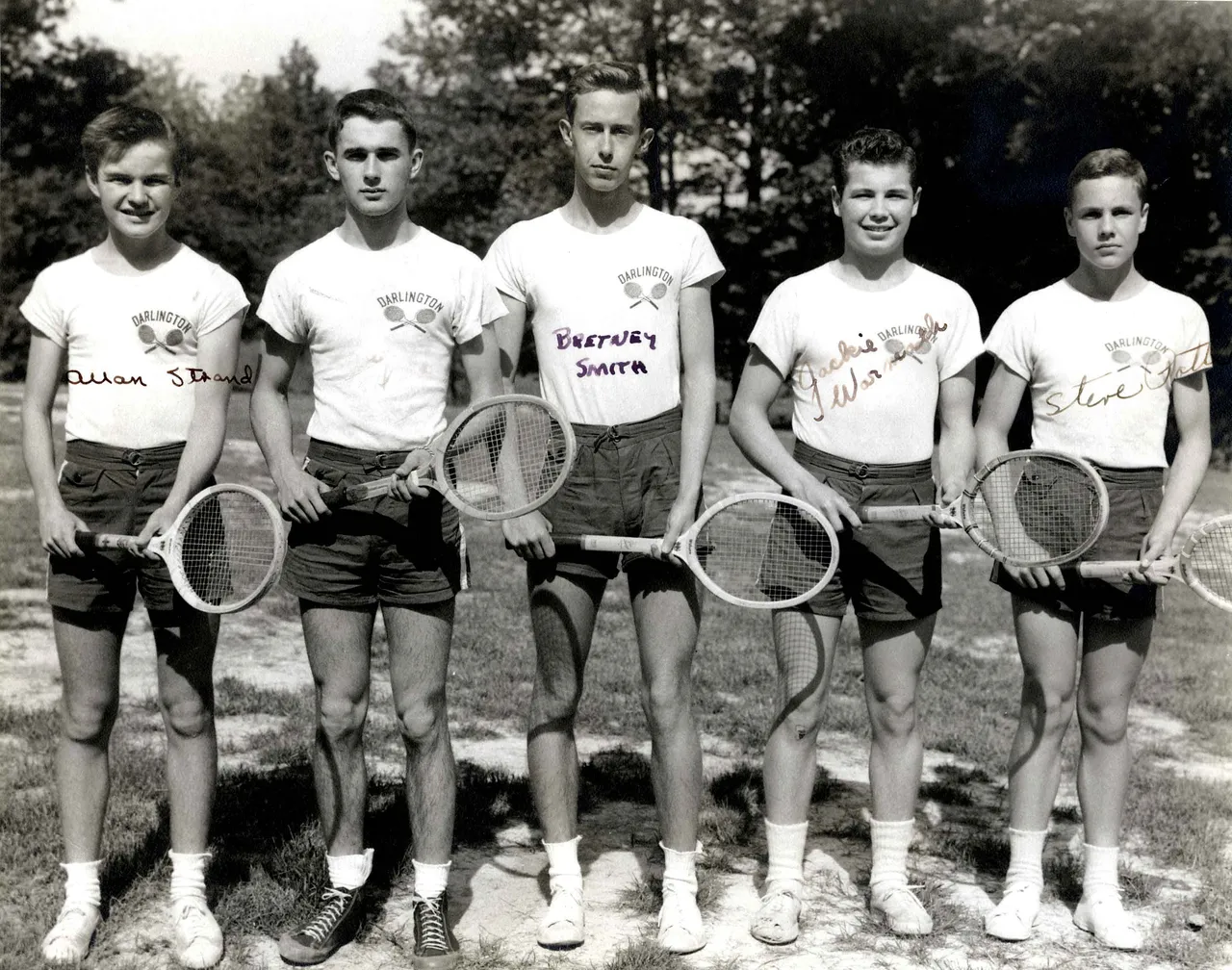
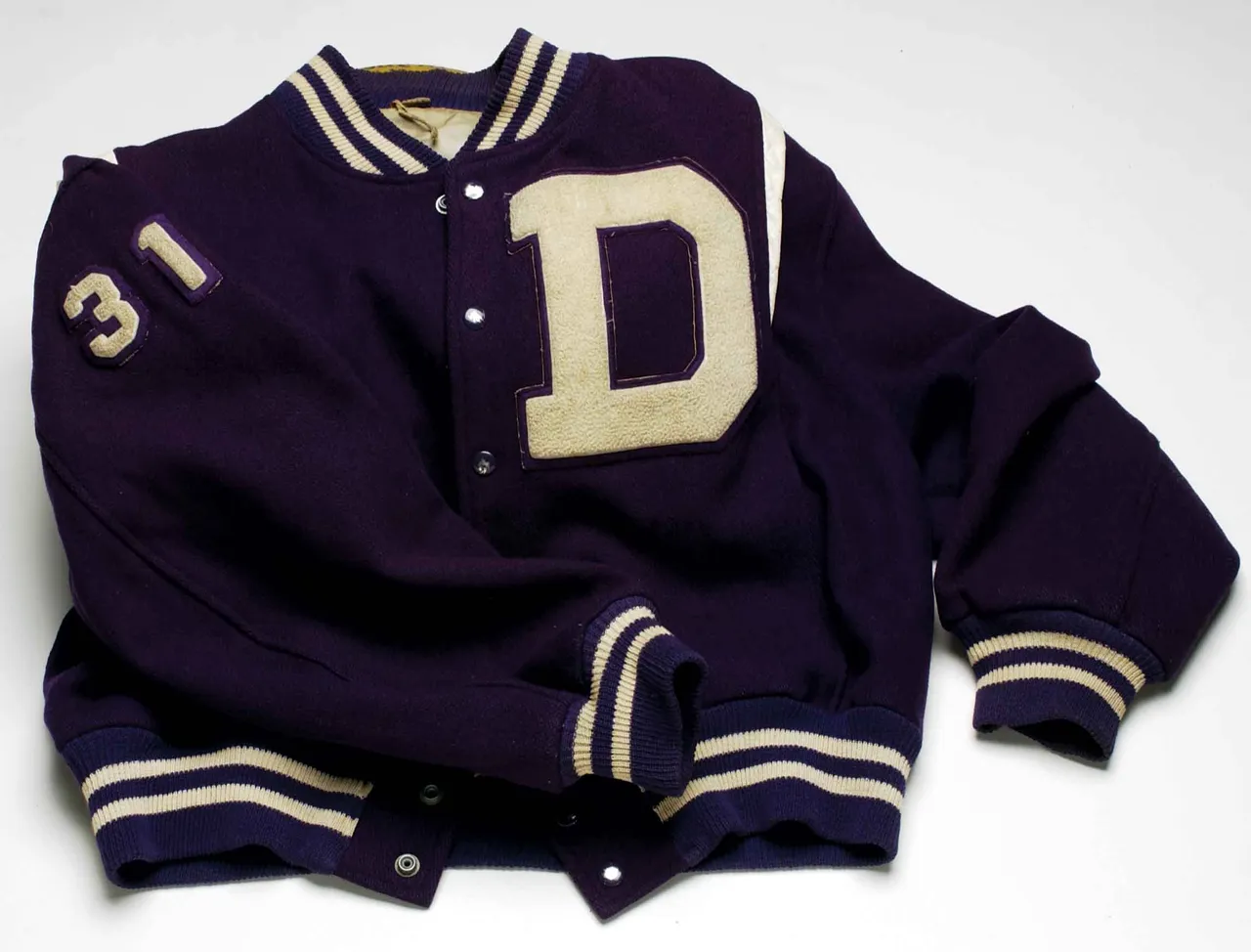
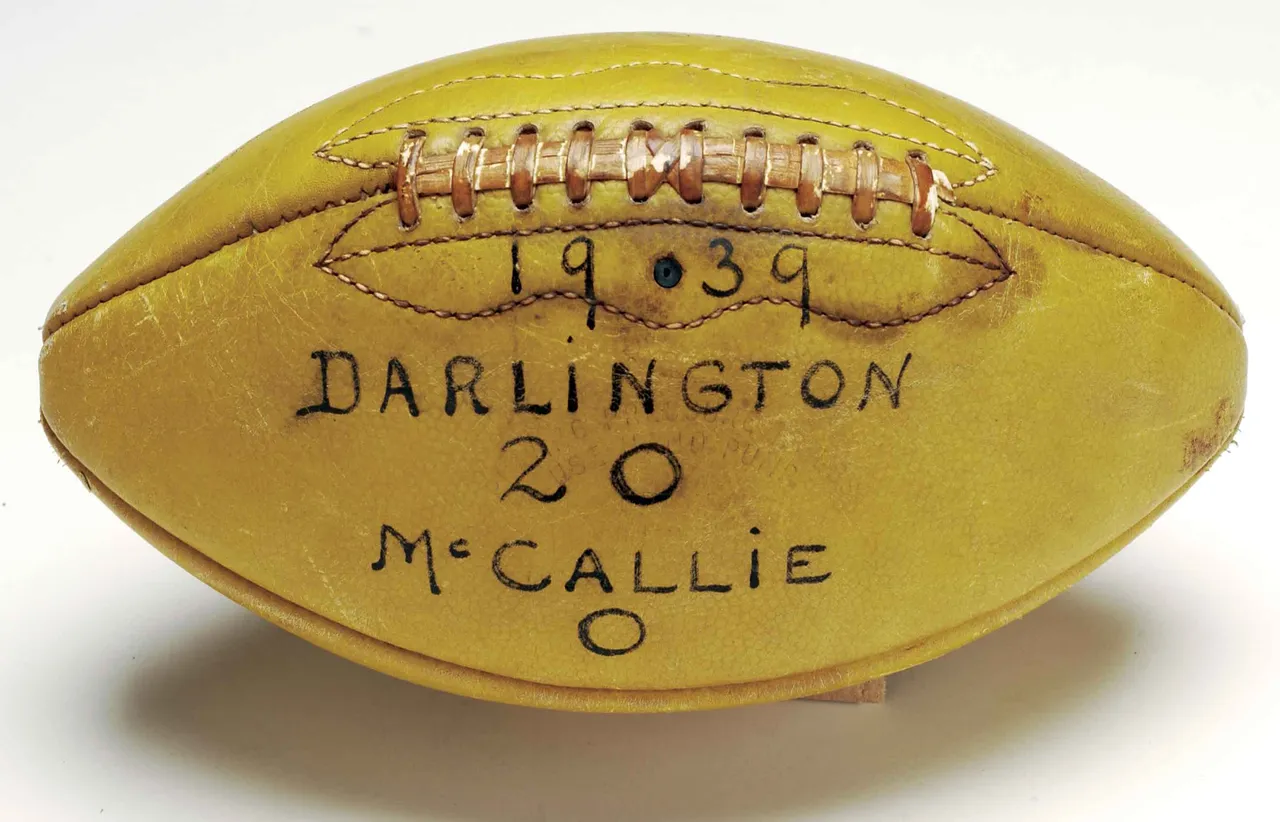
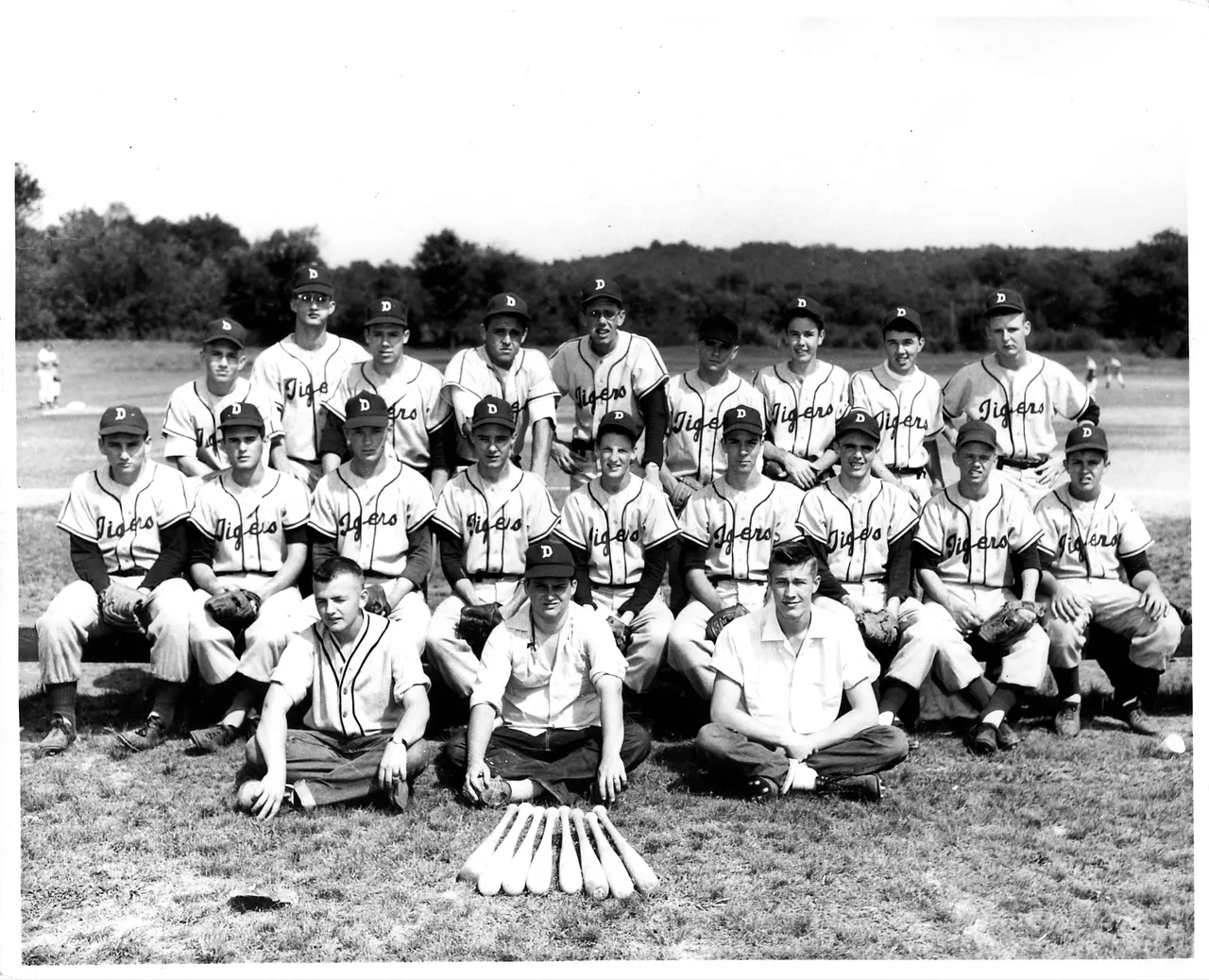
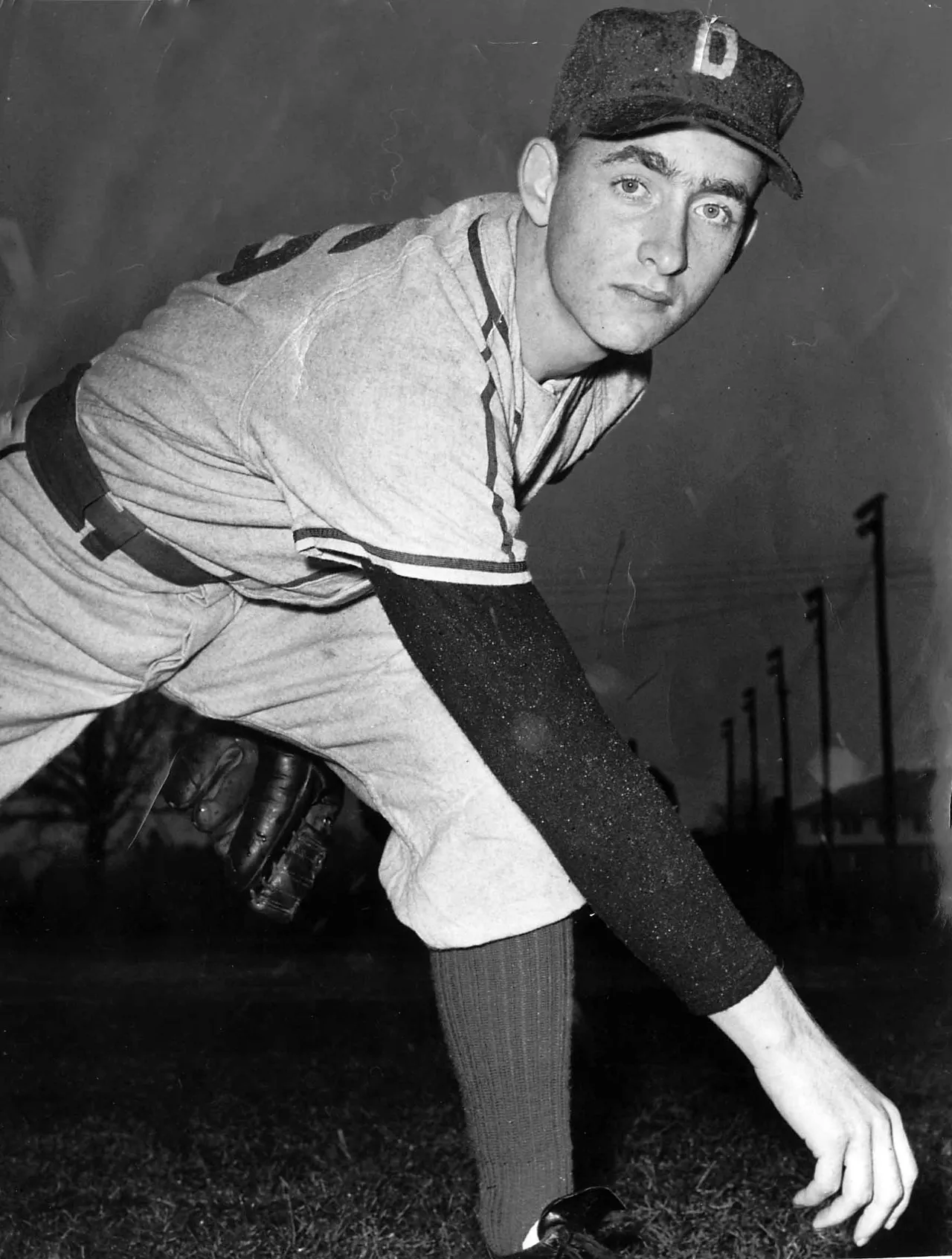
Georgia has its Georgia Tech. Alabama has its Auburn. Florida has its Florida State. Somebody they know, somebody they hate, somebody they play, and somebody they beat—and somebody who beats them. Rivals. Since nearly the beginning of Darlington’s inception, Darlington’s chief adversary has largely been McCallie School, Chattanooga, Tenn.
Over the years, many McCallie teachers and headmasters have made their way to Rome, and that, combined with the two boarding schools’ relative proximity to each other, has helped build a long-standing feud. In recent years, however, forces beyond the two schools’ control have affected the established rivalry–causing it to cool off a bit. Instead, Darlington, in its unique position as a Southern boarding-day school in northwest Georgia, has found more recently its consistent rival to be not any one particular foe but the pursuit of athletic excellence. With broad successes for its athletic teams across sport and gender, the Darlington tiger may hate to lose more than it hates any one foe.
WHAT IS A RIVALRY?
Now, most folks have felt in one way or another the power and amusement a true rivalry can bring to a player, parent, fan, or community. The word “rival” itself comes from the Latin rivalis, meaning “one using the same stream as another.” A rivalry is when two are competing for something that only one of them can have, e.g. the use of a stream or river.
My high school alma mater, Louisville Male High School in Louisville, Ky., had its own rival: duPont Manual High School. “Male” has played “Manual” every year for over 100 years. The series began in football in 1893 and has continued every year without exception. At one time, the games were played on Thanksgiving, but modern playoff schedules no longer permit that custom. Now they just play each other in the last regular season game around Halloween, and then move on to the playoffs.
They compete in other sports too, not just pigskin. The adversaries love to hate each other, and, to me, they seem to have all the ingredients needed to sustain a great rivalry: locality, familiarity, similarity, continuity, and competitiveness. They’re physically located close to each other (same city), they’re familiar with each other (kids from one school know kids from the other), they’re similar in that they’re the two oldest schools in the state and both have broad traditions of excellence), they have continued to play each other year-in and year-out, and finally, while one team may clearly be the dominate, fans never know which is going to win the game.
The rivalry, and all the emotion and commotion and pep rallying that rivalry week brings with it, is bigger than the teams and the players themselves. And for that reason, and that reason alone, THE GAME has been the benchmark of success for the respective schools.
HOME COURT ADVANTAGE: THE MID-SOUTH CONFERENCE
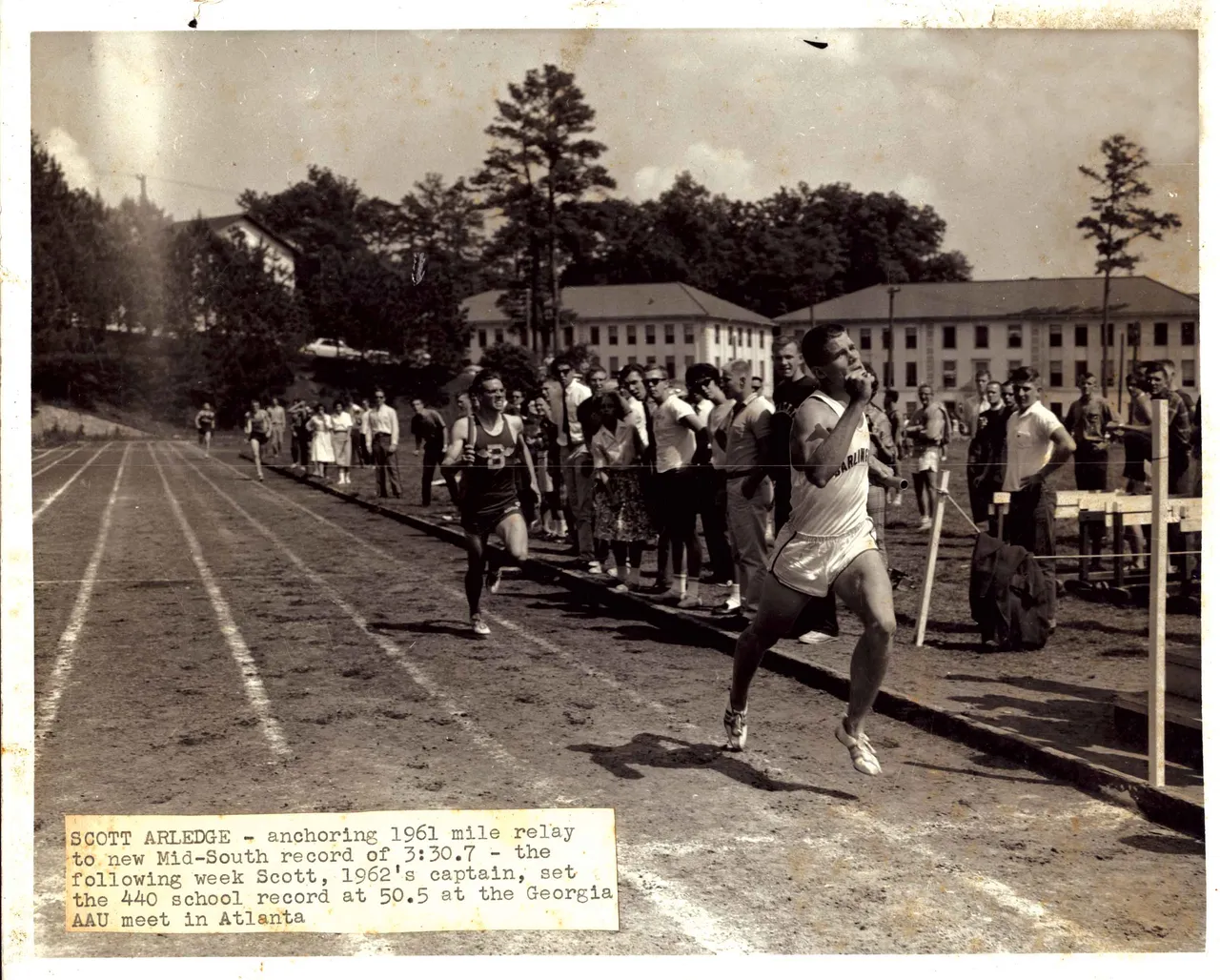
Before the 1970s, when Darlington was an all-boys school, the School competed in the athletic league known as the Mid-South. It included schools such as Baylor, McCallie, and Tennessee Military Institute (TMI), Castle Heights Military Institute, and Columbia Military Academy, in Tennessee, and Riverside Military Academy, in Georgia. These schools were similar in that they were all male, boarding schools, and they were allowed to play post-graduates (PGs).
This alliance would not last long. Mid-South schools had some great attributes for building long-lasting rivalries, but they also had a major disadvantage for competition at the high school level. According to Jerry Sharp, Darlington athletic director, many public high schools considered the use of PGs an unfair advantage; therefore, eventually, post-graduate athlete were either banned or limited in Mid-South competition.
Thirty-five year Darlington veteran coach Jim Van Es attributed location as another discouraging factor regarding the association. The schools were located far apart so, in order to compete, teams were the state andbeholden to no one. This new athletic allegiance with the GHSA ushered in a new era of competition for the Tigers, for while still playing Baylor, McCallie, and others in some sports, Darlington now had other fish it was required to fry.
As a GHSA member, Darlington was required to play a certain number of other schools (private and public) of the same size and geographical area of the state. The GHSA also formed and enforced its own rules, some of which were different from rules in the Mid-South, and, as a member, Darlington was obligated to comply. For example, the GHSA forbid PGs from competition and forbid its member schools from playing non-member schools—and member schools either had to live within these rules or choose to leave the association.
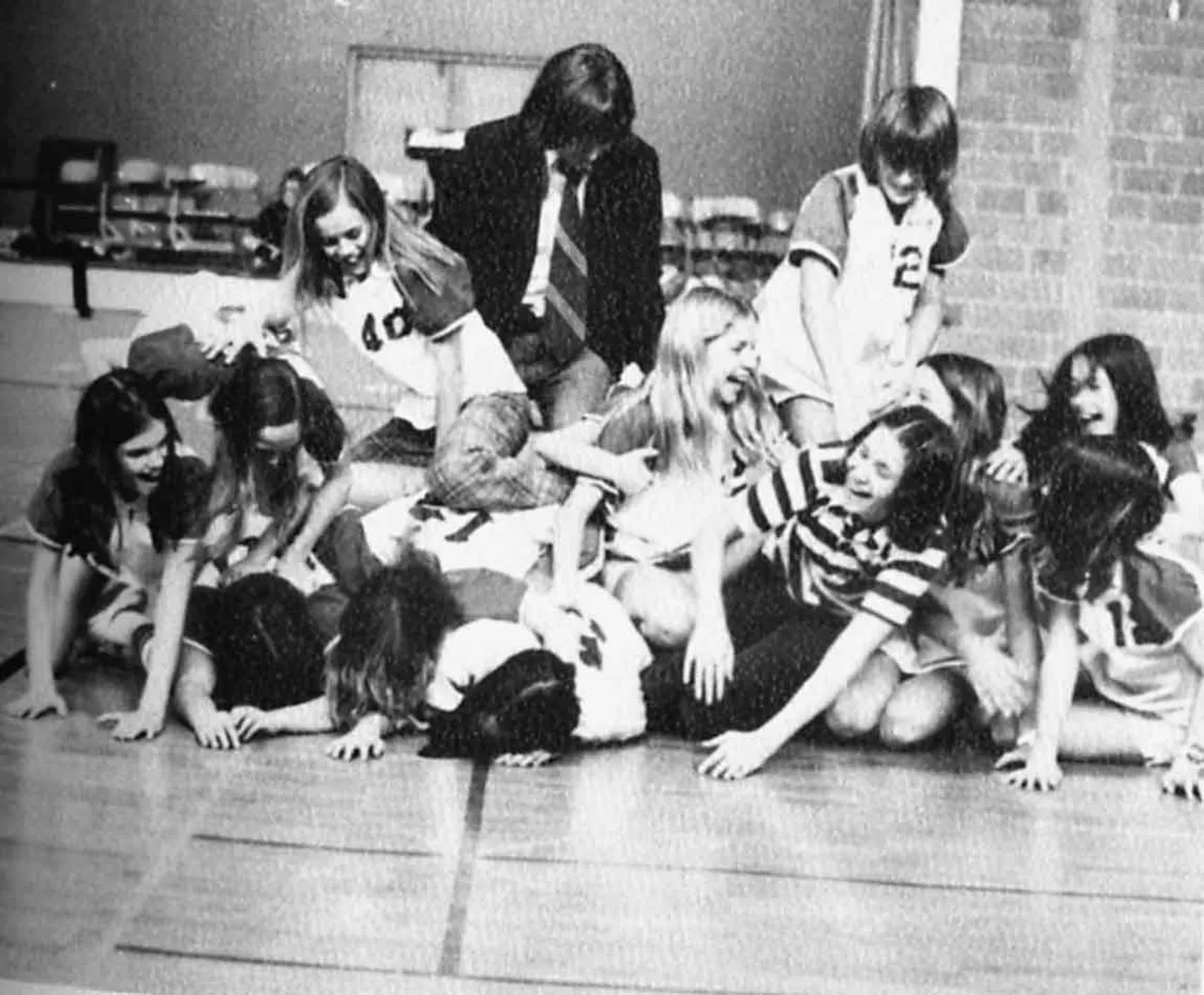
The advantages of joining the GHSA for Darlington were obvious: the GHSA allowed coeducational sports competition (the girls began playing varsity basketball, swimming, tennis, and track right away, with volleyball and softball soon to follow), and it helped establish the year-in, year-out competitions with the same schools so necessary for establishing athletic rivalries.
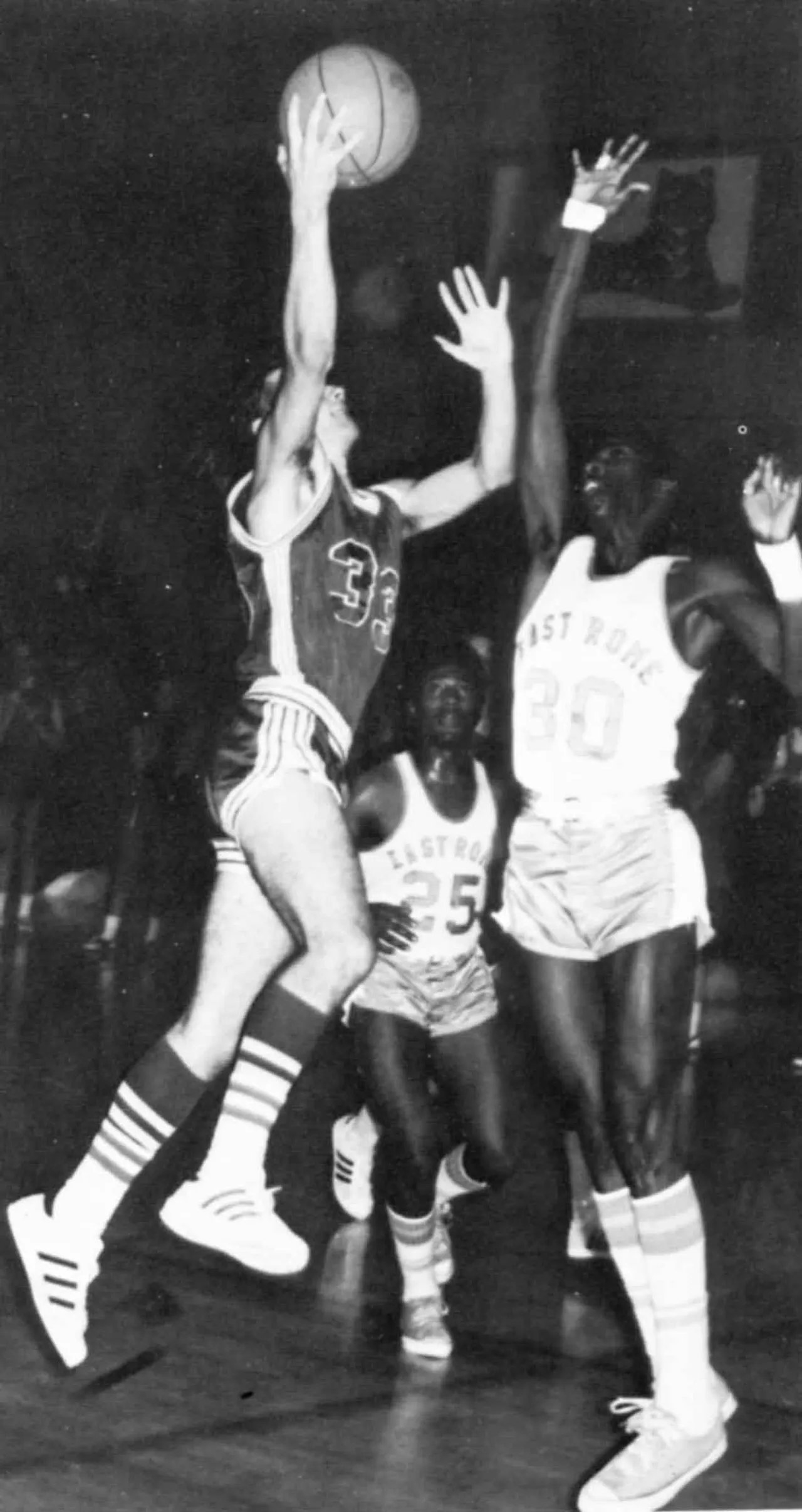
Some of the schools in the group of year-in, year-out competitions for Darlington included Pepperell, East Rome, and West Rome high schools. These schools, as rivals, had the advantages of locality and familiarity on their side. The ability to compete against kids who lived nearby and who were familiar to Darlington kids added a great deal of zest to the games during the 1970s, ’80s, and ’90s. According to Sharp locality and familiarity are essential components to produce first-rate rivals. “Rivals come from that [same] area and know each other,” Sharp said. Since being in the GHSA meant that schools would play each other every year, all the ingredients necessary for lasting rivalries seemed to be in place.
However, again, forces beyond Darlington’s control redirected the flow of competition and thwarted any one school from becoming a dominant rival for the Tigers. In the early ’90s, East Rome and West Rome, which were both AA schools along with Darlington, were consolidated into a much larger AAAA school, Rome High. This seems to have largely ended that rivalry since schools in different divisions do not necessarily compete against each other. Also, for the past six years Pepperell High School has competed as an AAA school. Without the continuity of yearly competition, the rivalries with Rome High and Pepperell have faded.
Other Floyd County schools have been part of Darlington’s recent sports history. Armuchee, Coosa, and Model have all been in region 6-AA with Darlington for years and have enjoyed varying degrees of success and rivalry, but none has emerged with the consistent level of competitiveness across the various sports that would capture the consistent wrath of tiger fans. However, many seem to think, like Coach Sharp, that lack of similarity is a missing ingredient for Darlington and its Floyd County counterparts. That is, the fact that Darlington is a private school and the others are public schools may be the difference. “We’re everybody’s rival, but, we don’t really have one,” Sharp said.
IF YOU CAN’T BEAT ‘EM, LEGISLATE ’EM
The most recent chapter of Darlington’s rivalry saga is perhaps the most infamous. In 2000, House Leader Tom Murphy, Bremen, Ga., charged that the success of private school athletic teams like Darlington was due to the recruiting of athletes. He subsequently led a movement in the state legislature that then led, after much political haggling, to the infamous 1.5 rule. This rule refers to the way student bodies are tabulated. Specifically, it means that when students of private schools are being counted in order to place the school in an athletic division, those students are counted 1.5 times while public school students are counted as 1.
The result is that private schools “play up” in division (Darlington now plays in AA instead of A). This is more competitive. Moreover, the school census takes place every two years, which means that schools may change regions and rivals every other year. The 1.5 rule has helped to break up rivalries and create new ones, only then to exterminate them two years later when the school census is redone. All this has prevented the continuity of competition that is essential for any rivalry.
THE PURSUIT OF EXCELLENCE
According to Jerry Sharp, during a GHSA executive committee meeting, some committee members suggested that the private schools leave the GHSA and form their own league. Others believe leaving the GHSA to be a drastic maneuver that would require too much travel and allow zero competition with local schools—a real rivalry killer.
Others, like Gordon Neville, associate headmaster and dean of students, believe that having a consistent rival isn’t even all that important. “I don’t know if it’s a situation we can resolve . . . but so what? We can strive for excellence . . . to better ourselves regardless of the competition,” Neville said.
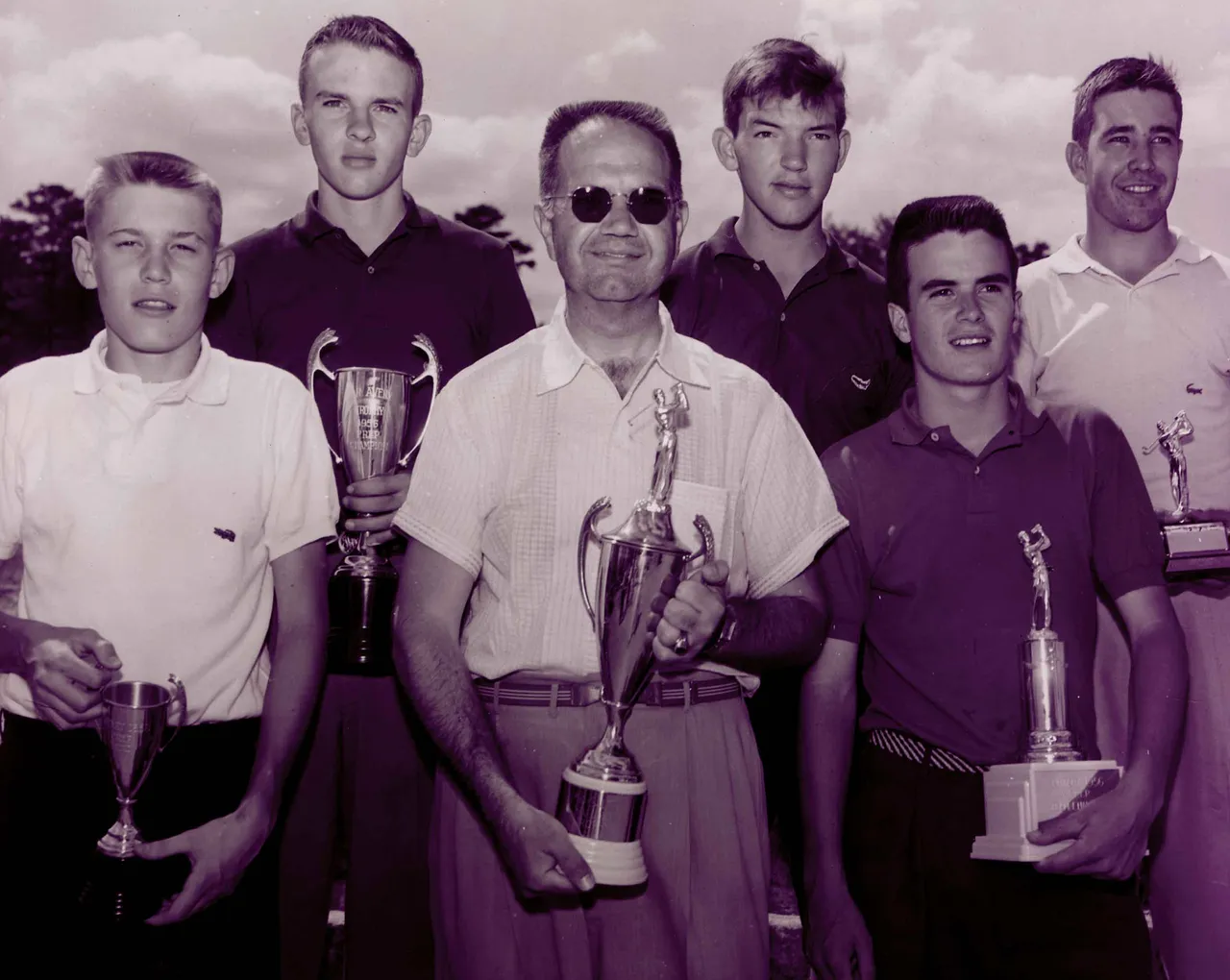
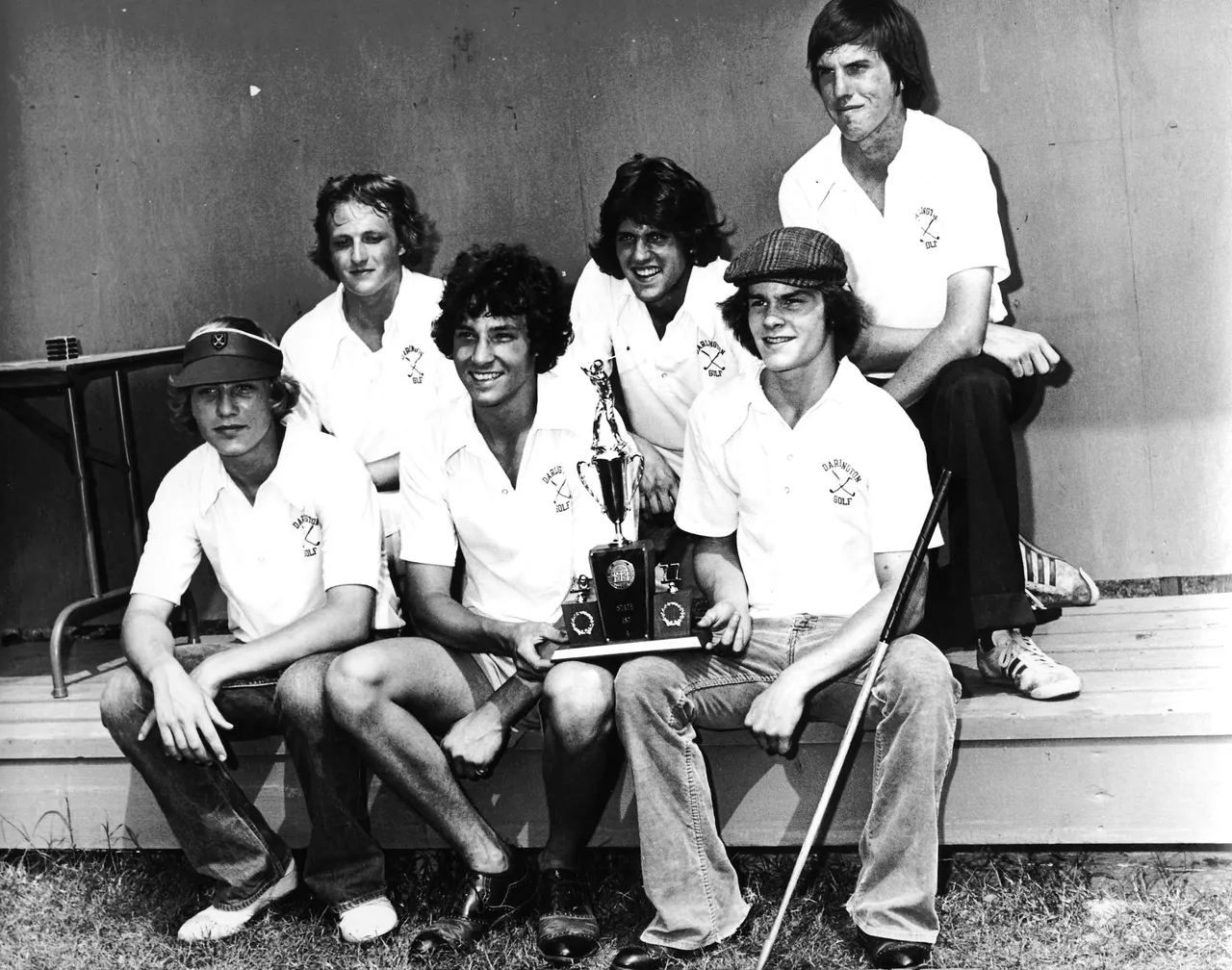
Perhaps, with all the Mid-South and GHSA championships over the years, that’s what Darlington teams have done all along. Maybe, the real rival has not been a “who” but a “what”: instead of hating a particular team, we have just hated to lose.
Either way, the path to a lasting rivalry with a particular school remains murky. In the meantime, there will be Darlington Tigers of every stripe waiting on the banks of Silver Creek, waiting for a rival to appear on the side of the stream.
Ken Wempe joined the Darlington community in 1997. He serves as varsity track and field head coach, cross country assistant coach, eighth-grade class adviser, and Middle School English teacher. Wempe earned a bachelor’s degree in English from Kenyon College, Gambier, Ohio, and a master’s degree in education from Harvard University, Cambridge, Mass. He and his wife Elizabeth live on campus with their children Clara and Henry.
It seems that a lot of great athletic programs have had at least one of them.Georgia has its Georgia Tech. Alabama has its Auburn. Florida has its Florida State. Somebody they know, somebody they hate, somebody they play, and somebody they beat—and somebody who beats them. Rivals. Since nearly the beginning of Darlington’s inception, Darlington’s chief adversary has largely been McCallie School, Chattanooga, Tenn.
Over the years, many McCallie teachers and headmasters have made their way to Rome, and that, combined with the two boarding schools’ relative proximity to each other, has helped build a long-standing feud. In recent years, however, forces beyond the two schools’ control have affected the established rivalry–causing it to cool off a bit. Instead, Darlington, in its unique position as a Southern boarding-day school in northwest Georgia, has found more recently its consistent rival to be not any one particular foe but the pursuit of athletic excellence. With broad successes for its athletic teams across sport and gender, the Darlington tiger may hate to lose more than it hates any one foe.
WHAT IS A RIVALRY?
Now, most folks have felt in one way or another the power and amusement a true rivalry can bring to a player, parent, fan, or community. The word “rival” itself comes from the Latin rivalis, meaning “one using the same stream as another.” A rivalry is when two are competing for something that only one of them can have, e.g. the use of a stream or river.
My high school alma mater, Louisville Male High School in Louisville, Ky., had its own rival: duPont Manual High School. “Male” has played “Manual” every year for over 100 years. The series began in football in 1893 and has continued every year without exception. At one time, the games were played on Thanksgiving, but modern playoff schedules no longer permit that custom. Now they just play each other in the last regular season game around Halloween, and then move on to the playoffs.
They compete in other sports too, not just pigskin. The adversaries love to hate each other, and, to me, they seem to have all the ingredients needed to sustain a great rivalry: locality, familiarity, similarity, continuity, and competitiveness. They’re physically located close to each other (same city), they’re familiar with each other (kids from one school know kids from the other), they’re similar in that they’re the two oldest schools in the state and both have broad traditions of excellence), they have continued to play each other year-in and year-out, and finally, while one team may clearly be the dominate, fans never know which is going to win the game.
The rivalry, and all the emotion and commotion and pep rallying that rivalry week brings with it, is bigger than the teams and the players themselves. And for that reason, and that reason alone, THE GAME has been the benchmark of success for the respective schools.
HOME COURT ADVANTAGE: THE MID-SOUTH CONFERENCE
Before the 1970s, when Darlington was an all-boys school, the School competed in the athletic league known as the Mid-South. It included schools such as Baylor, McCallie, and Tennessee Military Institute (TMI), Castle Heights Military Institute, and Columbia Military Academy, in Tennessee, and Riverside Military Academy, in Georgia. These schools were similar in that they were all male, boarding schools, and they were allowed to play post-graduates (PGs).
This alliance would not last long. Mid-South schools had some great attributes for building long-lasting rivalries, but they also had a major disadvantage for competition at the high school level. According to Jerry Sharp, Darlington athletic director, many public high schools considered the use of PGs an unfair advantage; therefore, eventually, post-graduate athlete were either banned or limited in Mid-South competition.
Thirty-five year Darlington veteran coach Jim Van Es attributed location as another discouraging factor regarding the association. The schools were located far apart so, in order to compete, teams were the state andbeholden to no one. This new athletic allegiance with the GHSA ushered in a new era of competition for the Tigers, for while still playing Baylor, McCallie, and others in some sports, Darlington now had other fish it was required to fry.
As a GHSA member, Darlington was required to play a certain number of other schools (private and public) of the same size and geographical area of the state. The GHSA also formed and enforced its own rules, some of which were different from rules in the Mid-South, and, as a member, Darlington was obligated to comply. For example, the GHSA forbid PGs from competition and forbid its member schools from playing non-member schools—and member schools either had to live within these rules or choose to leave the association.
The advantages of joining the GHSA for Darlington were obvious: the GHSA allowed coeducational sports competition (the girls began playing varsity basketball, swimming, tennis, and track right away, with volleyball and softball soon to follow), and it helped establish the year-in, year-out competitions with the same schools so necessary for establishing athletic rivalries.
Some of the schools in the group of year-in, year-out competitions for Darlington included Pepperell, East Rome, and West Rome high schools. These schools, as rivals, had the advantages of locality and familiarity on their side. The ability to compete against kids who lived nearby and who were familiar to Darlington kids added a great deal of zest to the games during the 1970s, ’80s, and ’90s. According to Sharp locality and familiarity are essential components to produce first-rate rivals. “Rivals come from that [same] area and know each other,” Sharp said. Since being in the GHSA meant that schools would play each other every year, all the ingredients necessary for lasting rivalries seemed to be in place.
However, again, forces beyond Darlington’s control redirected the flow of competition and thwarted any one school from becoming a dominant rival for the Tigers. In the early ’90s, East Rome and West Rome, which were both AA schools along with Darlington, were consolidated into a much larger AAAA school, Rome High. This seems to have largely ended that rivalry since schools in different divisions do not necessarily compete against each other. Also, for the past six years Pepperell High School has competed as an AAA school. Without the continuity of yearly competition, the rivalries with Rome High and Pepperell have faded.
Other Floyd County schools have been part of Darlington’s recent sports history. Armuchee, Coosa, and Model have all been in region 6-AA with Darlington for years and have enjoyed varying degrees of success and rivalry, but none has emerged with the consistent level of competitiveness across the various sports that would capture the consistent wrath of tiger fans. However, many seem to think, like Coach Sharp, that lack of similarity is a missing ingredient for Darlington and its Floyd County counterparts. That is, the fact that Darlington is a private school and the others are public schools may be the difference. “We’re everybody’s rival, but, we don’t really have one,” Sharp said.
IF YOU CAN’T BEAT ‘EM, LEGISLATE ’EM
The most recent chapter of Darlington’s rivalry saga is perhaps the most infamous. In 2000, House Leader Tom Murphy, Bremen, Ga., charged that the success of private school athletic teams like Darlington was due to the recruiting of athletes. He subsequently led a movement in the state legislature that then led, after much political haggling, to the infamous 1.5 rule. This rule refers to the way student bodies are tabulated. Specifically, it means that when students of private schools are being counted in order to place the school in an athletic division, those students are counted 1.5 times while public school students are counted as 1.
The result is that private schools “play up” in division (Darlington now plays in AA instead of A). This is more competitive. Moreover, the school census takes place every two years, which means that schools may change regions and rivals every other year. The 1.5 rule has helped to break up rivalries and create new ones, only then to exterminate them two years later when the school census is redone. All this has prevented the continuity of competition that is essential for any rivalry.
THE PURSUIT OF EXCELLENCE
According to Jerry Sharp, during a GHSA executive committee meeting, some committee members suggested that the private schools leave the GHSA and form their own league. Others believe leaving the GHSA to be a drastic maneuver that would require too much travel and allow zero competition with local schools—a real rivalry killer.
Others, like Gordon Neville, associate headmaster and dean of students, believe that having a consistent rival isn’t even all that important. “I don’t know if it’s a situation we can resolve . . . but so what? We can strive for excellence . . . to better ourselves regardless of the competition,” Neville said.
Perhaps, with all the Mid-South and GHSA championships over the years, that’s what Darlington teams have done all along. Maybe, the real rival has not been a “who” but a “what”: instead of hating a particular team, we have just hated to lose.
Either way, the path to a lasting rivalry with a particular school remains murky. In the meantime, there will be Darlington Tigers of every stripe waiting on the banks of Silver Creek, waiting for a rival to appear on the side of the stream.