
What If There Is More Behind the Behavior?

By Cristy Baldwin - Faculty
Navigating life as the parent of a middle schooler can be just as challenging as teaching one. You have to consider their moods, attitudes, emotional well-being, and future success in the actions you take to guide them or correct their behavior. Building mutual trust between teachers and students creates a bridge that fosters cooperation and encourages students to do what needs to be done, even when they may not feel like doing it. In the classroom, teachers establish predictable routines that streamline transitions and reduce the anxiety that can come from not knowing what is expected. We also work to teach and encourage students to take ownership of their actions and contribute positively to our school community. In many ways, that is exactly what we do at home when raising teenagers.
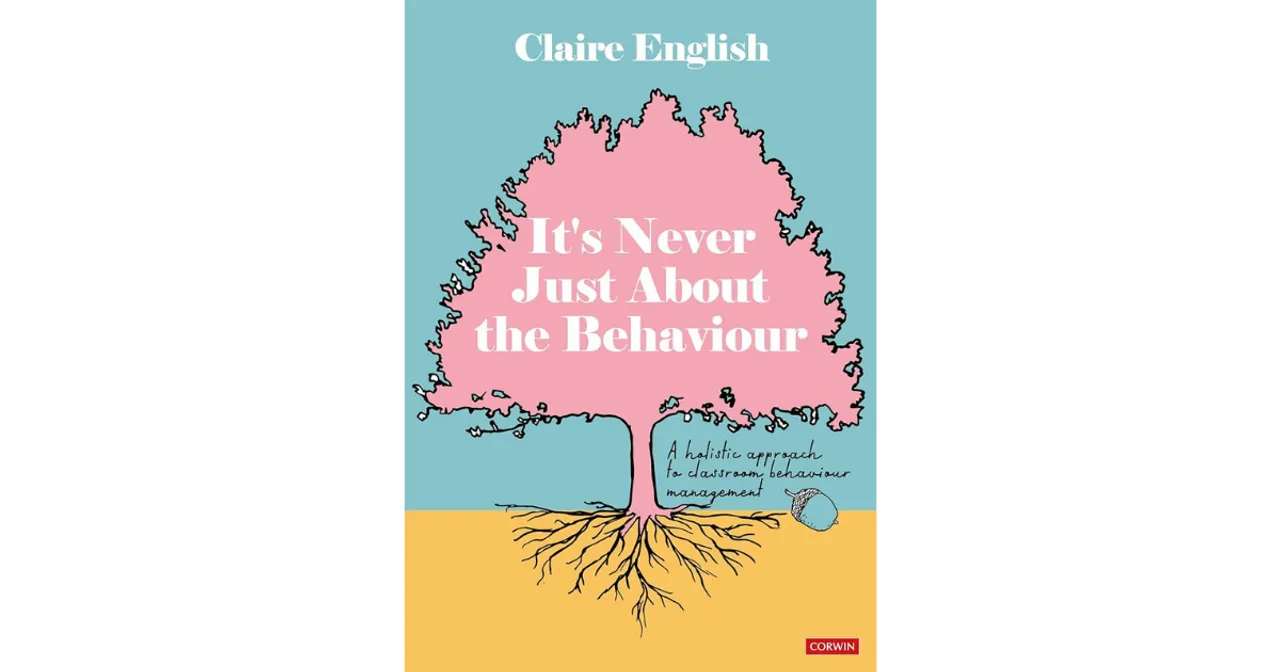
This year, the middle grades teachers are participating in a book study of Claire English’s “It’s Never Just About the Behaviour: A Holistic Approach to Classroom Behaviour Management.” It’s interesting to consider how long teachers, parents, and society have relied on punishment, such as detention or grounding, to correct behavior. The approaches in this book challenge us to think differently and move beyond punishment as our primary means of encouraging students to follow expectations. The goal is to meet students with the consistency, clarity, and challenge they need to feel safe and ready to learn. To accomplish this, we are learning to lead with curiosity, connection, and compassion. The seven pillars of this holistic approach to classroom management are: be curious, be calm, be compassionate, be consistent, be clear, be challenging, and be connected. Here are a few excerpts from the book that highlight each of these pillars.
Be curious: All behavior is communication. Getting curious about what it might be communicating will help teachers and parents mitigate and resolve it.
Be calm: Embodying stillness and calm in a room is one of the most impactful tools in our arsenal, but it is also one of the most challenging. Be what you want to see.
Be compassionate: Approaching students from a place of understanding and compassion always ensures you get the most buy-in.
Be consistent: To teach and reach ALL students, our classrooms must be islands of safety, places where consistency and predictability rule. Minimize the unknown.
Be clear: One of the biggest gifts we can give to our students is to always assume they are doing the very best they can, with the information and knowledge that they have at the time. If you expect it, you must explain it.
Be challenging: If you set the bar low, that is exactly where they will go. Our students rise (and fall) to the expectations we set for them.
Be connected: Small points of connection every day add up to something magical. The small things are the big things!
Ultimately, the behaviors we see from our middle schoolers are often communicating a need, whether for belonging, independence, connection, or simply to feel heard and understood. When we remember that all behavior is meaningful, we can look beyond the behavior itself and consider what may be driving it. We cannot always control the choices our students make, but we can control how we respond to them. By responding with curiosity, calm, clarity, consistency, compassion, appropriate challenge, and connection, we can help our students better understand their own choices, take greater ownership of their actions, and continue growing into the young people we know they can become.