Thank You for Reading

By Liz Overberg - FF/S
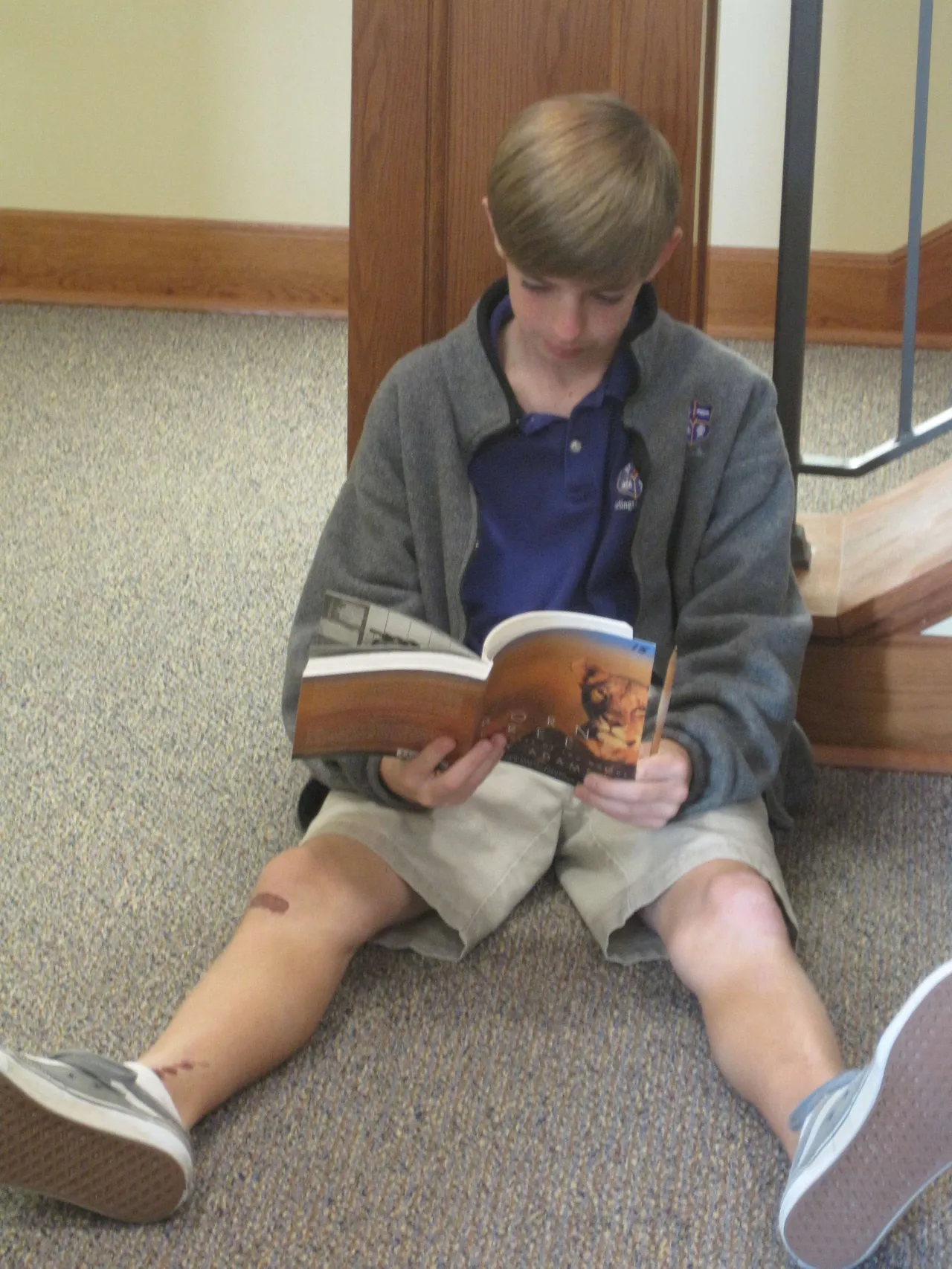
When I come into work in the morning, I often find five or six books lying in the book return bin, waiting to be checked in and shelved. As the day goes on, I typically receive many visitors in the library.
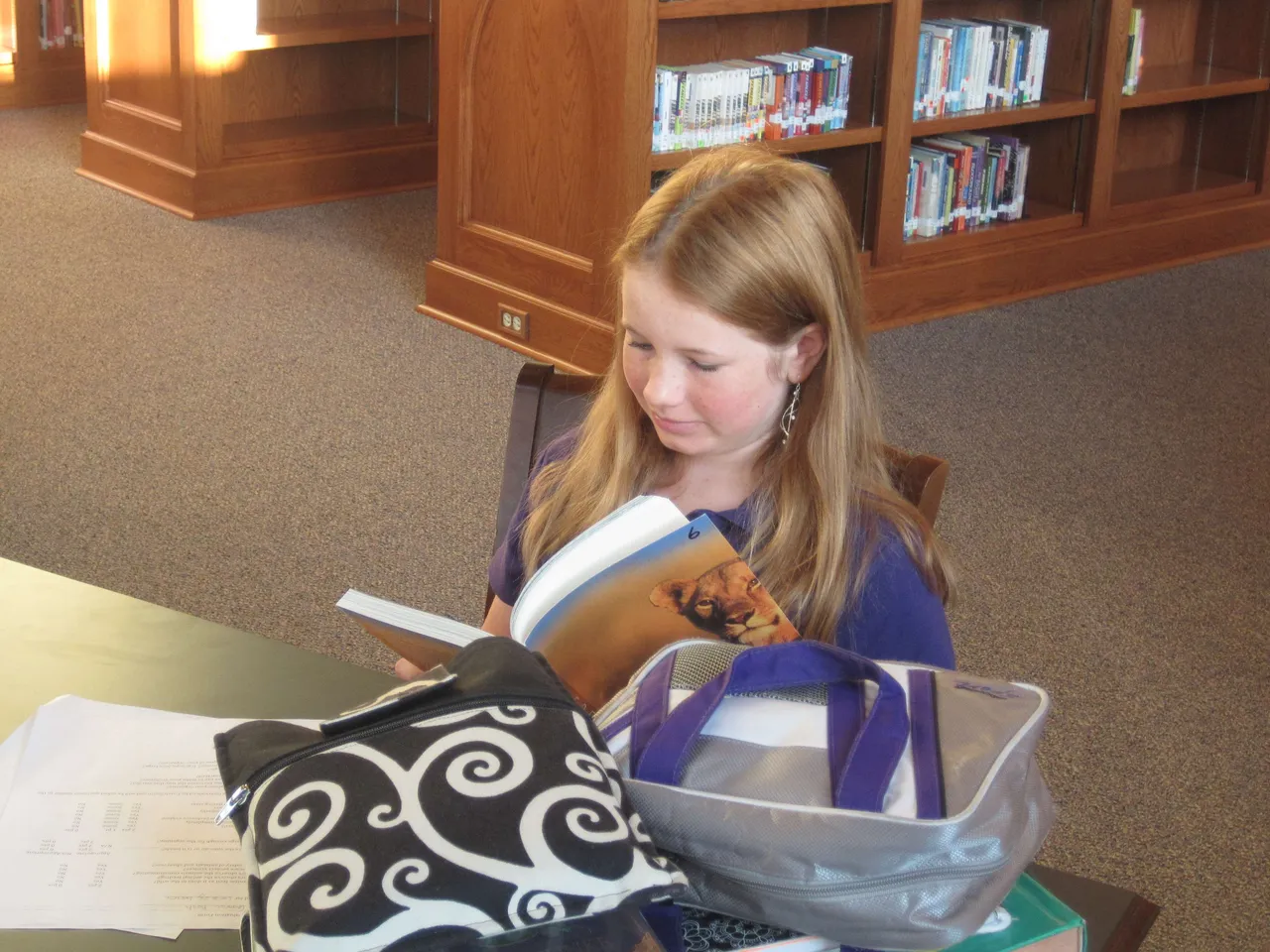
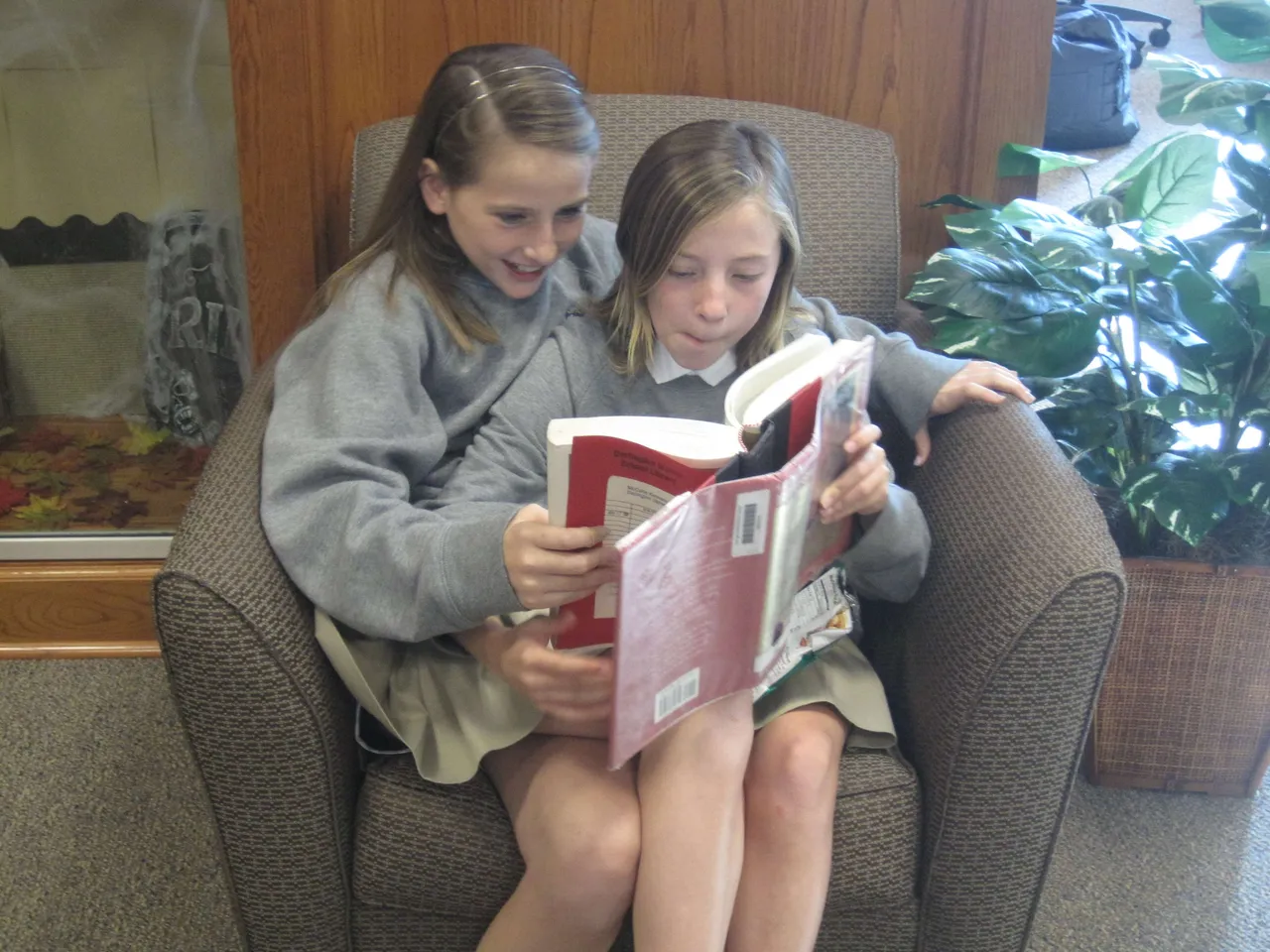
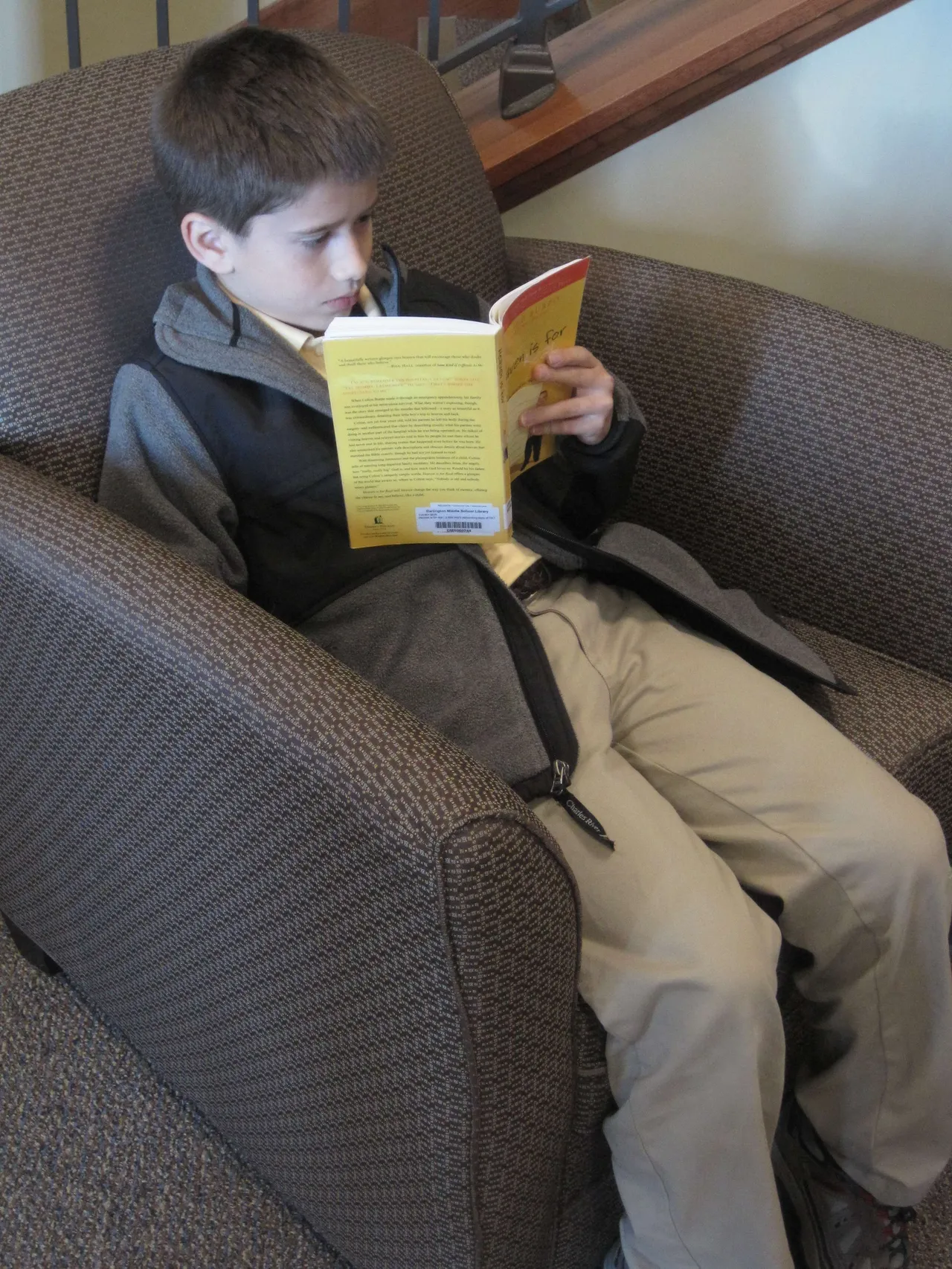
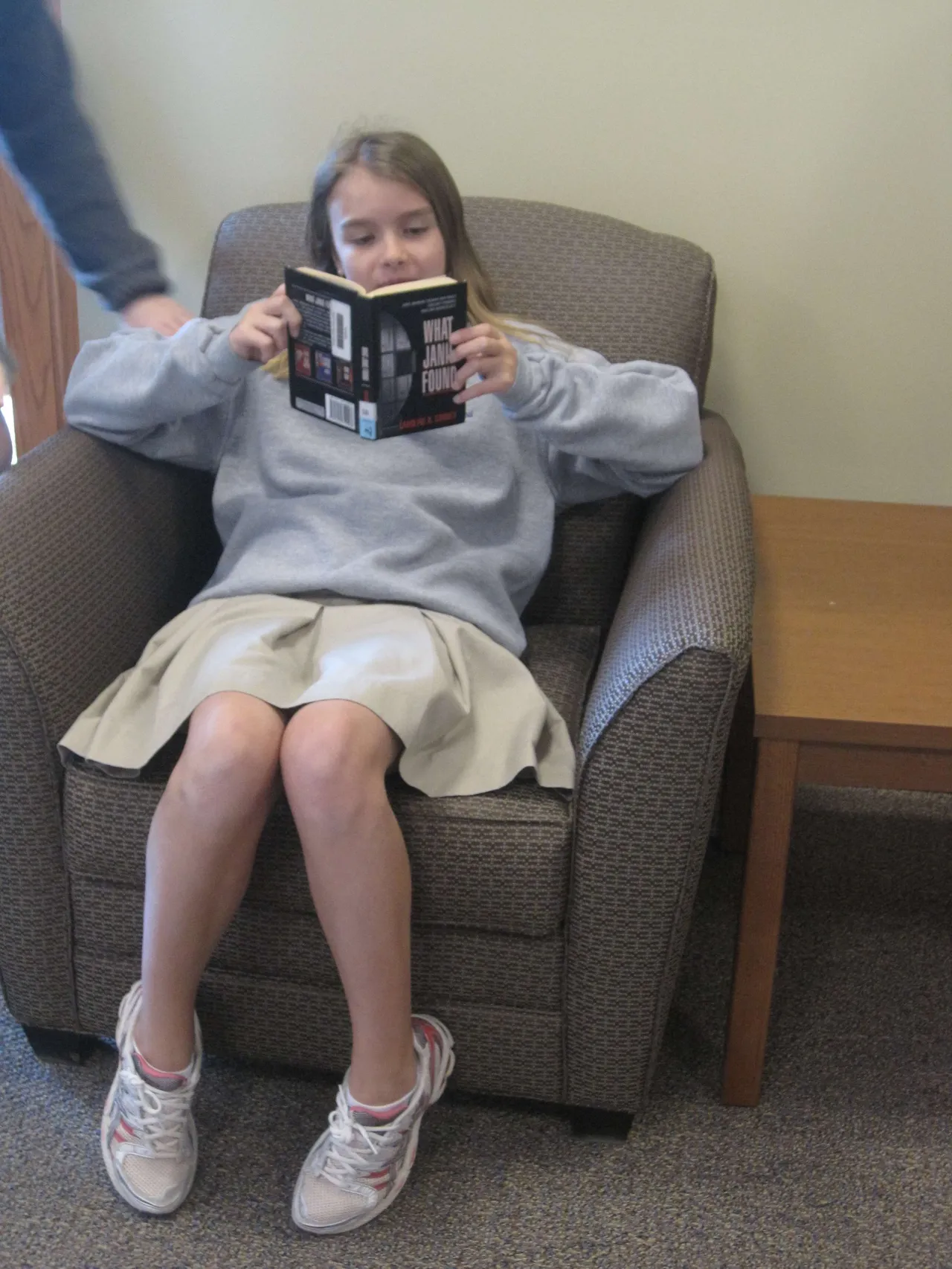
Often students come in looking for books to read during enrichment or after an English quiz. Sometimes students tear into the library between classes to hastily chuck book two of a series into the book return, sprint over to the shelf to grab book three, and run out of the library in time to make it to their next class before the bell rings. At break times, students talk about and recommend books to their friends, often walking over to a shelf and pulling out a book that a friend just "has to" read immediately. Sometimes a student will come in and need a book in the next 30 seconds so she can have something to read for class, but she has no idea what kind of book to get or even what types of books she likes to read. While at times chaotic and rushed, all of these visits from students make me hopeful. They are moments that should be celebrated, noted--recorded, even--because they mean that Middle School students are reading.
Looking around me, I certainly feel that there has been an increase in reading since the beginning of the school year. I see a lot more students throughout the day, and some of my "regular customers" admit that they never even set foot in the library last year, although they now stop by almost every day. I decided to examine the library's circulation statistics in order to see what trends in student reading have been taking place, and how those trends have changed since this point in the school year last year. This is what I found:
- Total book circulation has increased by more than 50% from last year.
- Fiction book circulation has increased by 63%.
- Nonfiction book circulation has increased by 21%.
- An increase in total book circulation tells us that students are reading more--a lot more!
- An (enormous!) increase in the circulation of fiction books tells us that students are reading for pleasure more than they did in the past.
- An increase in nonfiction book circulation tells us that students are intellectually curious, that they are seeking information about the true world around them. I have added many high-interest nonfiction titles to the collection this year, and I commonly see students picking them up to read during Power Hour, grabbing them off the shelves during lunch, or taking them home to learn about something new.
There are numerous explanations for these heartening statistics:
- The students now have access to a full-time librarian and library program.
- 816 new titles (so far!) have been added to the Middle School Library collection this year, which is a 20% increase to the number of titles in the collection last year. Many of these titles are new releases, and, just as with technology or toys or anything else, kids are excited to try what's new and popular.
- Young adult and children's literature are receiving a lot more attention in the media, and are becoming increasingly visible in bookstores, thanks to best-selling phenomenons like the Harry Potter series and the Hunger Games series. (Movie franchises of popular children's books don't hurt either.)
But there is one group of people we must not forget to credit as we celebrate this increase in reading: the students.
The students that I see every day are kids who are thirsty for knowledge, for information, for entertainment. They are intellectually curious, and their brains are like sponges. They are ready to learn and to read--we just need to get the books in their hands.
Students are always looking for people to recommend books to them. While it's easy to assume that a person can enter a library or a bookstore and automatically pick something appropriate and worthwhile off the shelves, this often isn't the case, for kids or adults. The choices can be overwhelming. And for someone who hasn't developed his or her reading tastes or preferences yet, choosing one book out of thousands can be nearly impossible. Friends, teachers and parents can all be excellent sources of book recommendations for children.
The students have begun to trust me, a newcomer, to recommend books to them. It's a big responsibility to recommend a book to a child, especially a child who is a reluctant reader. If that child likes the book, he or she might come back for another recommendation or for more books by that author, the next book in the series, or a book in a similar genre. The student might just become a lifelong reader.
It's important for all teachers and parents to realize that they have the potential to help create lifelong readers as well. Recommend books to children as often as you can. They may not go out and pick up the book tomorrow, but the title will stick somewhere in the back of their minds. A kid may read a book simply because he looks up to you. And books, many of which deal with real and complicated issues, can be the basis of great conversations between children and adults.
Friends are the last, though certainly not least, part of the reading puzzle for middle schoolers. As with clothes, movies, games and any other trend, no student wants to be left out. If all of her friends have read The Hunger Games, she'll want to read it, too. If he's the only one who hasn't read the new Lorien Legacies book, you can bet he'll want to pick it up so he can talk about it with his friends. She needs to read Breaking Dawn so she can go see the movie with her friends on Friday! Friends know each other. A boy can read a book and tell whether or not his buddy will like it. A girl can read a book and demand that her best friend read it so they can debate about which boy in the love triangle is better for the female heroine.
I believe that we can credit much of the increase in the reading in the middle school to students' growing realization that reading is about more than deciphering the words on the page. It's about learning. It's about entertainment. It's about taking risks. It's about getting caught up in a story, or in another world. It's about romance. It's about action. It's about mystery. It's about fear. It's about laughter. It's about discussion. It's about socialization.
My work here is not done. More students are reading more often, sure, but there is always room to grow. There are still students who have not realized their identities as readers. There are still students who have not found that "perfect" book, the one that will make them hungry for more.
But for now, we can celebrate what our amazing students have achieved this year. Please join me in saying thank you for reading.