
BlogsAcademicsPre-K to 8AdmissionUpper SchoolTechnology
Technology: What's New for 2012-13
Nov 18, 2011 5:00 PM
By Stefan Eady - Faculty
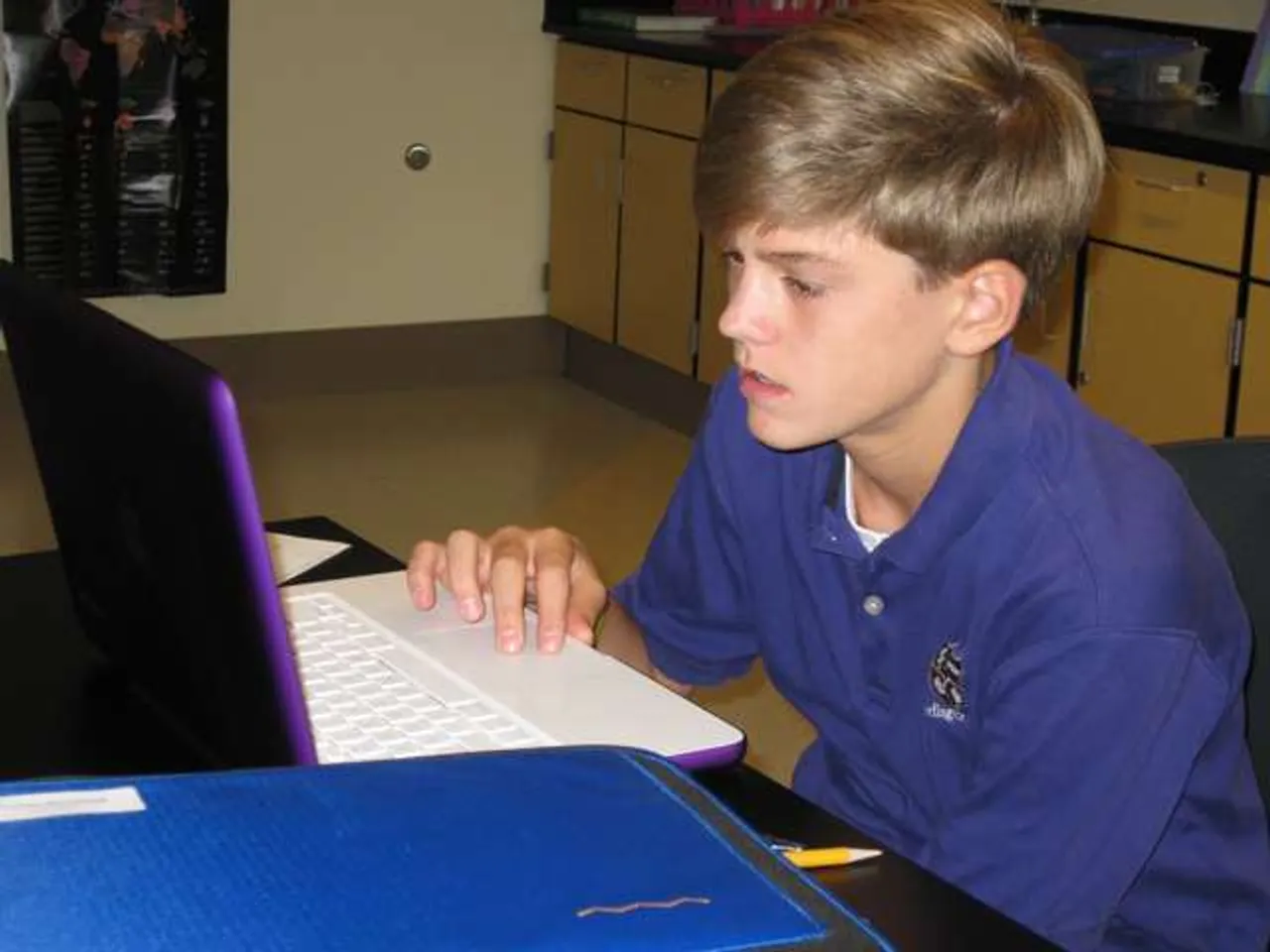
Last year, when we announced the pilot of iPads in the fourth grade and MacBooks in the eighth grade, the expectations of teachers, parents and students ranged from envisioning a transformed classroom to predicting dismal failure, with a healthy portion of a “let’s see what happens” attitude on the part of everyone.
As we close the first semester, I’m happy to share that after only 10 weeks our fourth-grade teachers and students have already said they would not want to go back to having class without iPads. Here are some highlights of what they’ve been doing:
The team of teachers that developed our goals last year has been evaluating the pilot's progress and has made a recommendation for our direction next year. With the confirmation of our goals in place, backed by a clear momentum in the direction of a technology-integrated curriculum, I am pleased to announce that we will expand the program in 2012-13. Starting next year, Darlington will provide iPads for students in grades 4-6 and MacBooks for students in grades 7-9.
As we work through this planning - including finalizing our curriculum, adjusting our textbook strategy and establishing technology fees - we will keep you updated. As always, your support and feedback are appreciated!
As we close the first semester, I’m happy to share that after only 10 weeks our fourth-grade teachers and students have already said they would not want to go back to having class without iPads. Here are some highlights of what they’ve been doing:
- More research happens daily. When the class needs a question answered, the answer can come immediately. For example, when a spontaneous writing project requires a little information gathering, the class does not have to wait until Thursday’s Computer Lab time to do the work.
- Projects have become better linked across core and enrichment classes. The current Native American project is a great example. Concepts, discussion, reading and planning of a multimedia project happen in class. In music, students work to compose a song using Garage Band. In library, they learn to correctly cite references. In art, they research and create art inspired by the culture. In Spanish, they do a “Mi Familia” project that looks at family structures. This leads to the students using their iPads next week to record their own Thanksgiving traditions, which will be included in a final project that will be presented to the Lower School and online.
- Skills practice and reinforcement happens in a more engaged way. As concerned as we were about iPads being a distraction because of games, the research shows that gaming can be an effective way to motivate students to practice. Learning states and capitals this year was a breeze with games like Stack the States, which the students wanted to “play.” This would be like a student asking for extra time to practice with their notecards. Believe it or not, that happens, too, with their Flashcard app.
- Organization and study skills have improved as digital workflows force students to be deliberate about their work. Paper is disappearing in favor of electronic assignments and online resources and textbooks.
- 21st Century learning involves opening electronic textbooks, annotating and collaborating, skills we can now teach and reinforce. Students are learning that Skype can be used for studying with friends or asking a teacher a question. Skype or Facetime sometimes seem new and scary, but what we are doing is helping students transfer skills from old technologies like paper and telephones to these newer technologies.
- There are more opportunities for projects. The summer reading book trailer is a great example, as it allowed multiple groups of students with various teacher sponsors to work on a video project simultaneously - something that could not have happened with just a laptop cart. Science students are studying motion in collaborative groups. They create management plans, statistics, and reports in Google Docs and video record their experiments with iPods, using iMovie to edit a presentation.
- Parent satisfaction and approval for the program is high. 89% feel that their child’s education experience has improved and 91% feel that their child having the device is important. Those are great numbers and a clear indicator of success, but as the program matures I know we can have everyone feeling this way.
- Although we have achieved much by simply inserting these devices into our existing curriculum, we see how much more will be accomplished once we restructure relevant parts of it, specifically creating a track for technology and information literacy that runs from pre-kindergarten to 12th grade.
- Our teachers have done an amazing job of adapting and learning, and through their hard work have made this program successful. But as we ask them to weave technology and information literacy skills into their classroom, we are providing the help and professional development to make that happen.
- Our parents’ and teachers’ (and even some of our students’) biggest concerns revolve around filtering, access to social media, online communication, safety, and distractions from games and online resources. One of the things I get most excited about is how we are creating teachable moments for these concerns. We addressed responsibility, safety and digital citizenship with every student in the program, but we’ve also had to reinforce those tenets when issues arose. Darlington has never taught those skills at this level and our new ability to prepare students for an unpredictable future is very exciting. Is Facetime and Skype appropriate for an eighth-grader? Some would say no. Those watching their students study online with friends and teachers would disagree. This program gives us the opportunity to at least have that potential and make adjustments when appropriate. For example, after evaluating student use at home and listening to parent feedback, today our fourth-graders will be taking home iPads with new web-filtering software and limitations installed.
- Many of our teachers are using online textbooks and resources, which helps our students with organization, access to more comprehensive and interactive information, and lighter backpacks. Institutionally, we must decide on our goals and expectations regarding electronic textbooks and other resources if our students have the devices to use them.
- Collaborative and project-based work is at the heart of creating a 21st Century learner, and digital projects create new opportunities and challenges for developing, storing and sharing work. We are developing an online portfolio system to address these needs in a way that makes our students innovative.
- Communication and education is important, for teachers, students and parents. Students are bringing devices home that parents need help learning how to monitor and assist with. We have been sharing online technology tips and hosted a parent forum last week, and we will continue to create opportunities to help educate parents on what we’re doing and how they can help.
The team of teachers that developed our goals last year has been evaluating the pilot's progress and has made a recommendation for our direction next year. With the confirmation of our goals in place, backed by a clear momentum in the direction of a technology-integrated curriculum, I am pleased to announce that we will expand the program in 2012-13. Starting next year, Darlington will provide iPads for students in grades 4-6 and MacBooks for students in grades 7-9.
As we work through this planning - including finalizing our curriculum, adjusting our textbook strategy and establishing technology fees - we will keep you updated. As always, your support and feedback are appreciated!