Taking Education Outdoors

By Stefan Eady - Faculty
by Owen Kinney, science instructor
7:45 a.m.
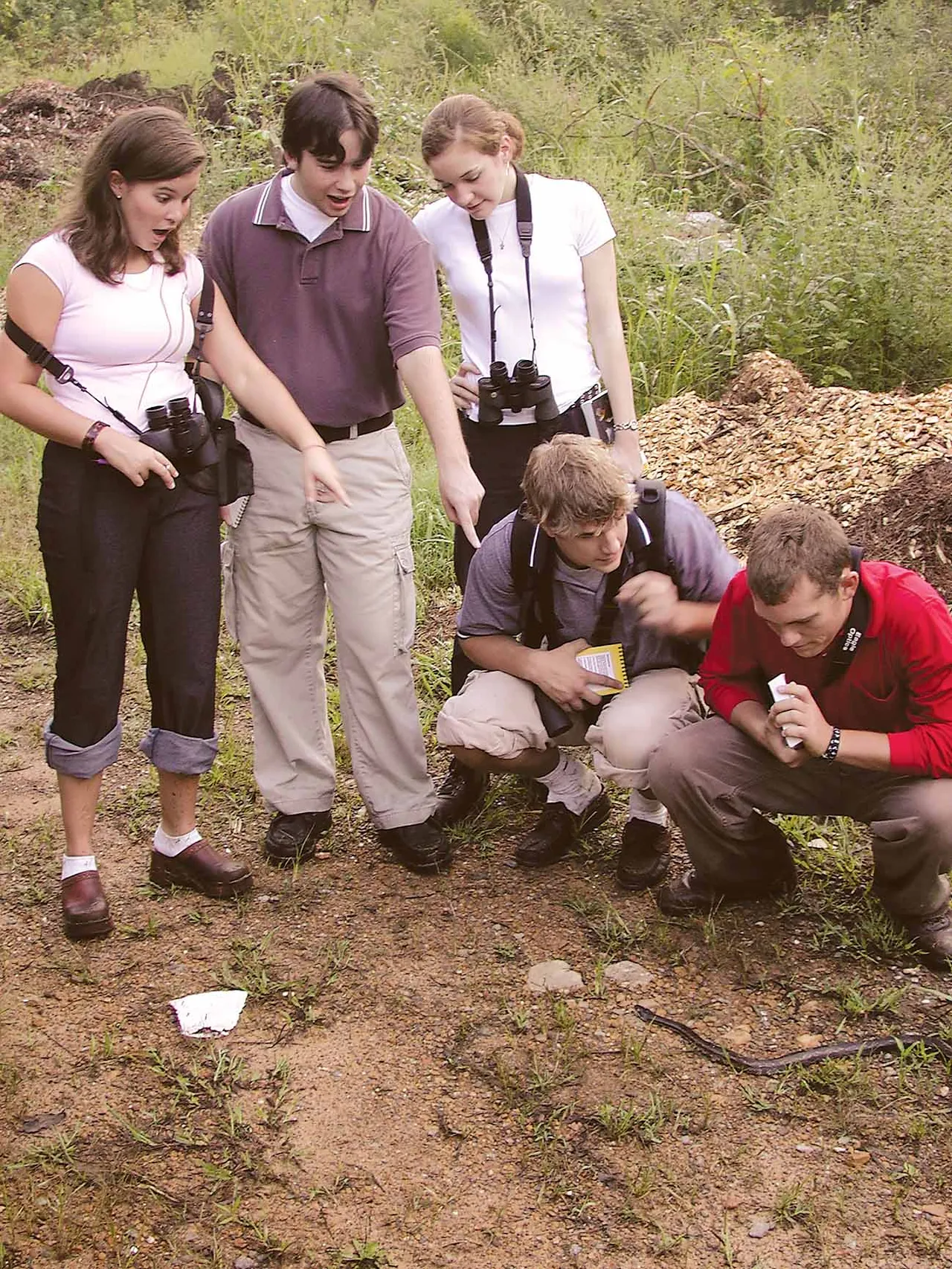
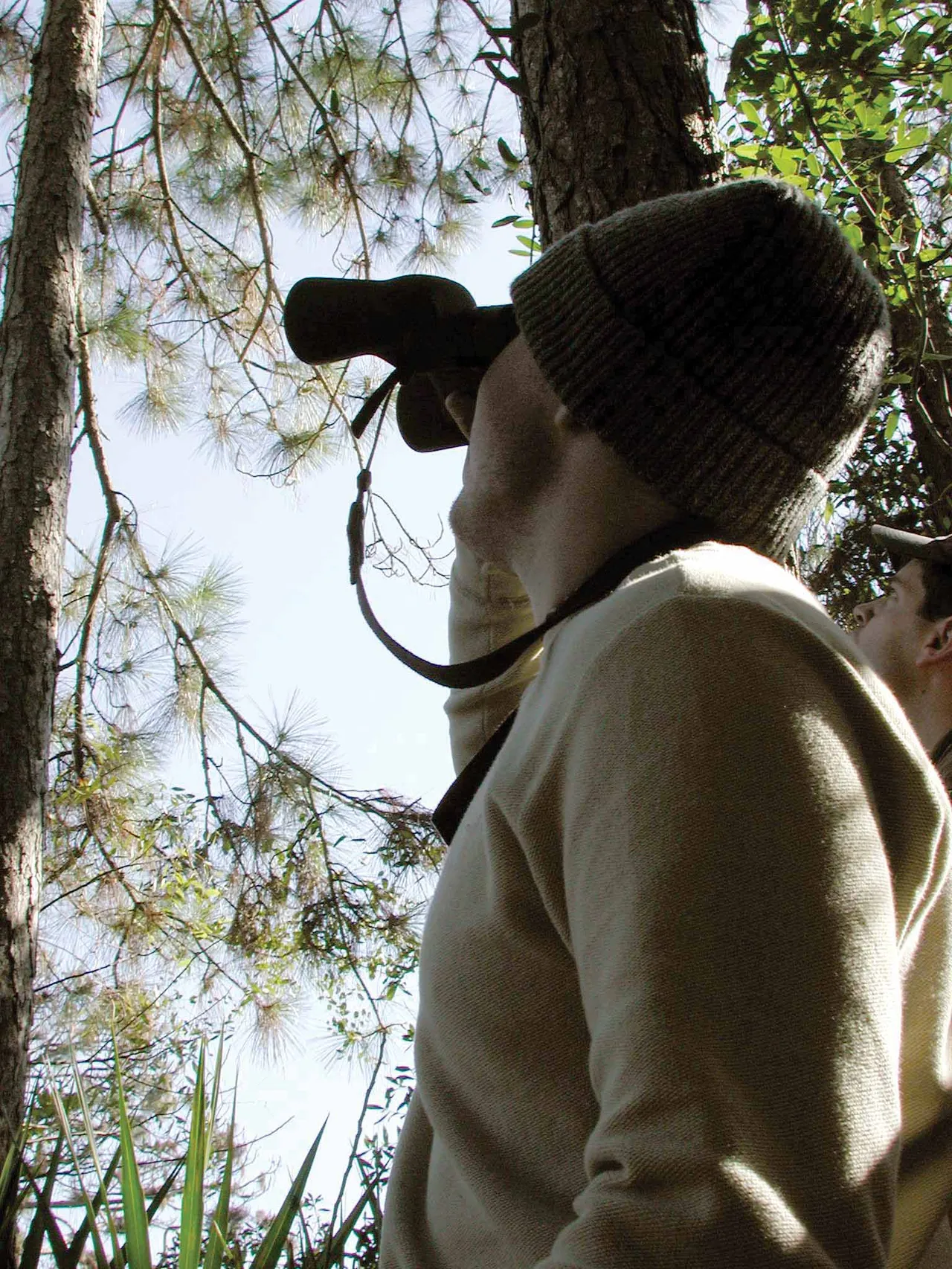
As the morning sun rises behind Home-on-the-Hill, cardinals and dark-eyed juncos forage under a bright yellow forsythia shrub. Frantically rummaging through leaf litter in search of seeds and insect larvae, the birds are oblivious to a group of hungry mammals watching their every move. A short distance away a silent huddle of high school seniors peers through binoculars, examining the plumage differences between the male and female birds. These teenage naturalists, often seen peering into treetops and flipping over logs around campus, are part of a new science course at Darlington designed to teach students about native wildlife.
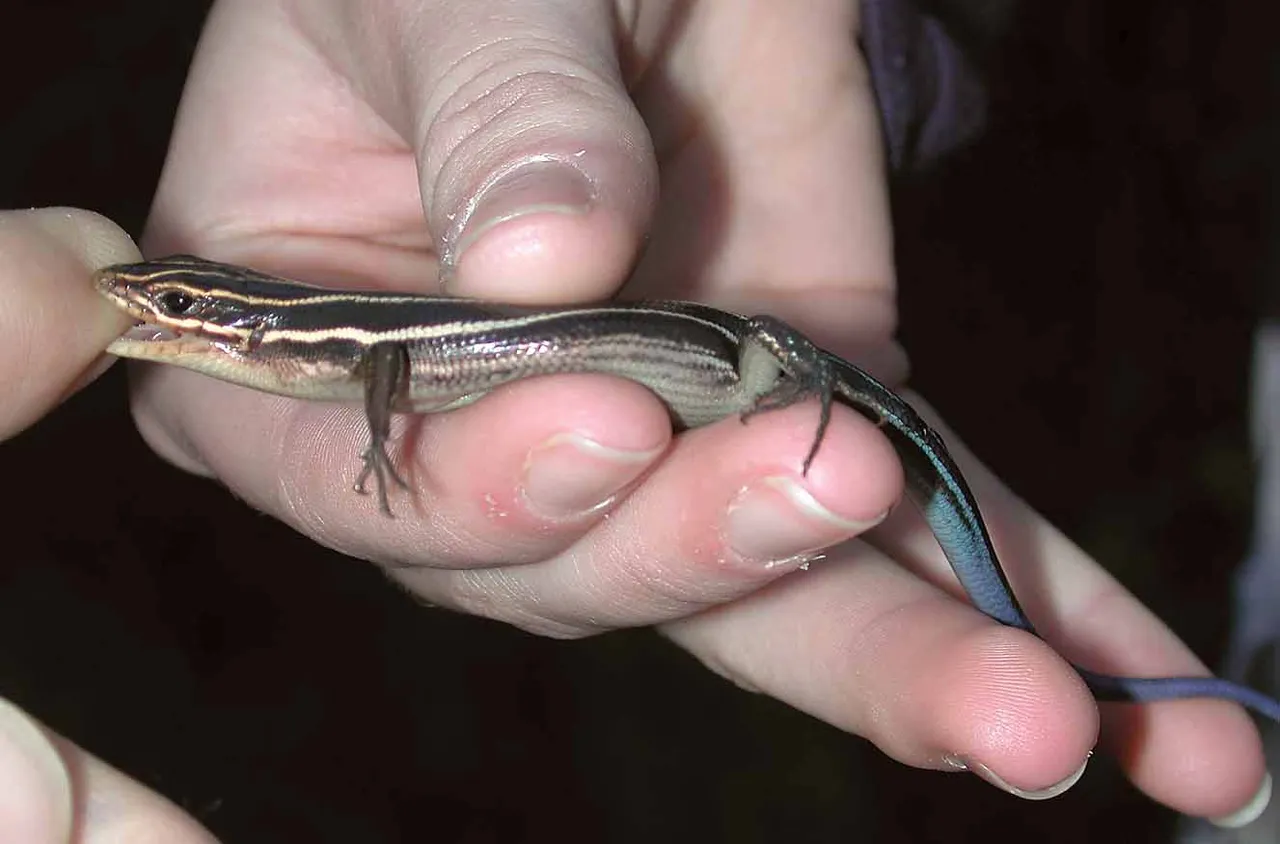
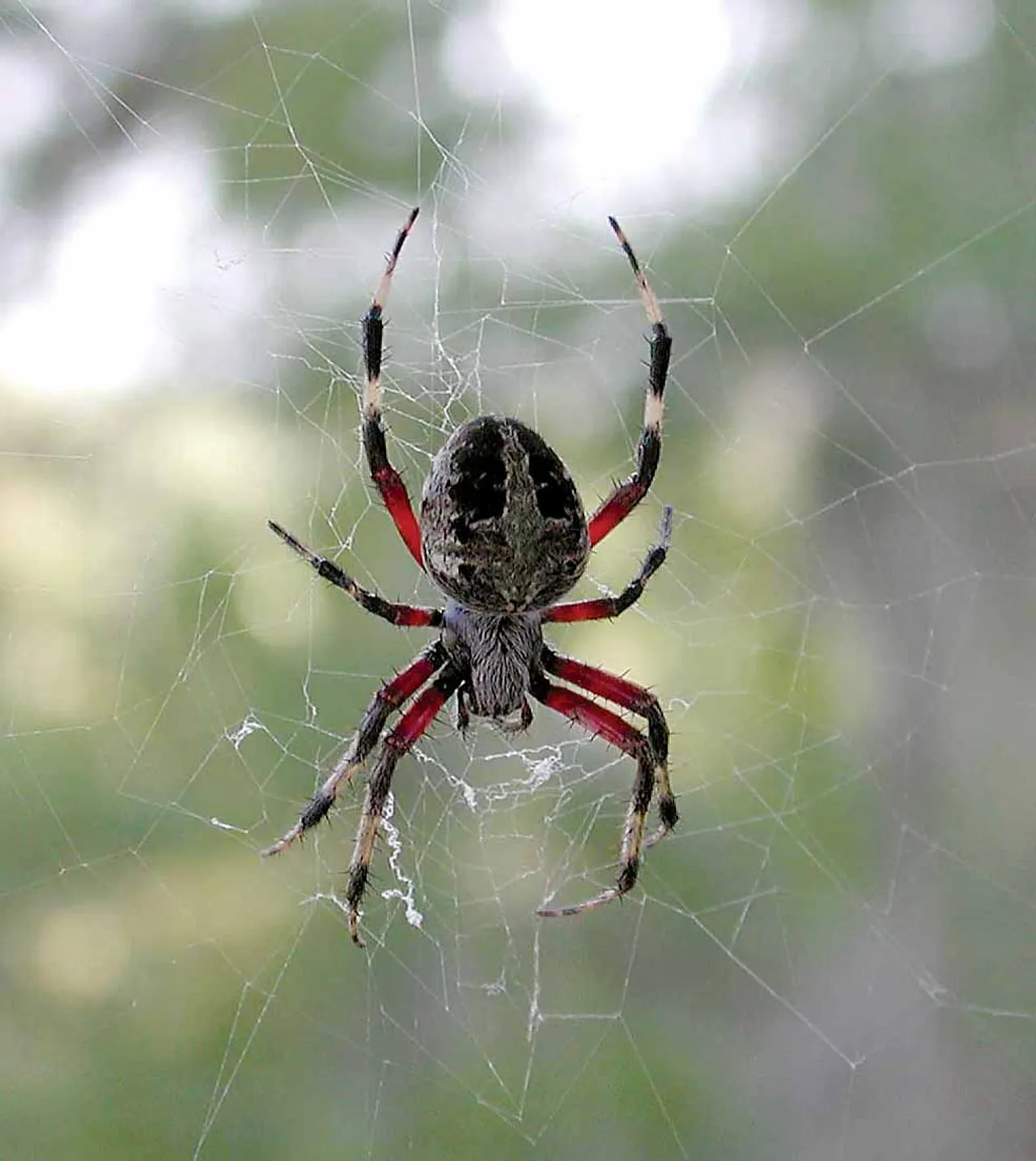
Georgia Natural History, a full-year science elective for seniors, gives students an opportunity to learn about and, ultimately, appreciate the wonderful variety of animals found in Northwest Georgia. By year’s end, the class will have been introduced to the mammals, birds, reptiles, amphibians, fish, and invertebrates that live on or near our campus. An important aspect of the course is providing the tools students need to observe and identify animal species in the field. Apart from their binoculars and field guides, the students acquire the background information and, eventually, the confidence they need to assume the role of naturalist among family and friends. Along with becoming experts on local animals, those that take the course realize that a walk in the woods can be much more than that.
Since observation is an important aspect of Georgia Natural History, each animal group is covered in accordance with the ability to view representatives in the field (i.e., waterfowl in the winter and reptiles in spring). Starting with the big picture, the general biology and ecology of a Class (Reptilia, Mammalia, etc.) is addressed, then subsequent steps down the Linnaean hierarchy (see box on next page) lead to coverage of the native species in each group. The first unit, for example, began by reviewing characteristics of the Class Aves, which includes all birds. The class then stepped down to learn about anatomical and behavioral characteristics of 17 avian orders that occur in the area. Finally, the first bird lesson concluded with the identification of 50 common bird species.
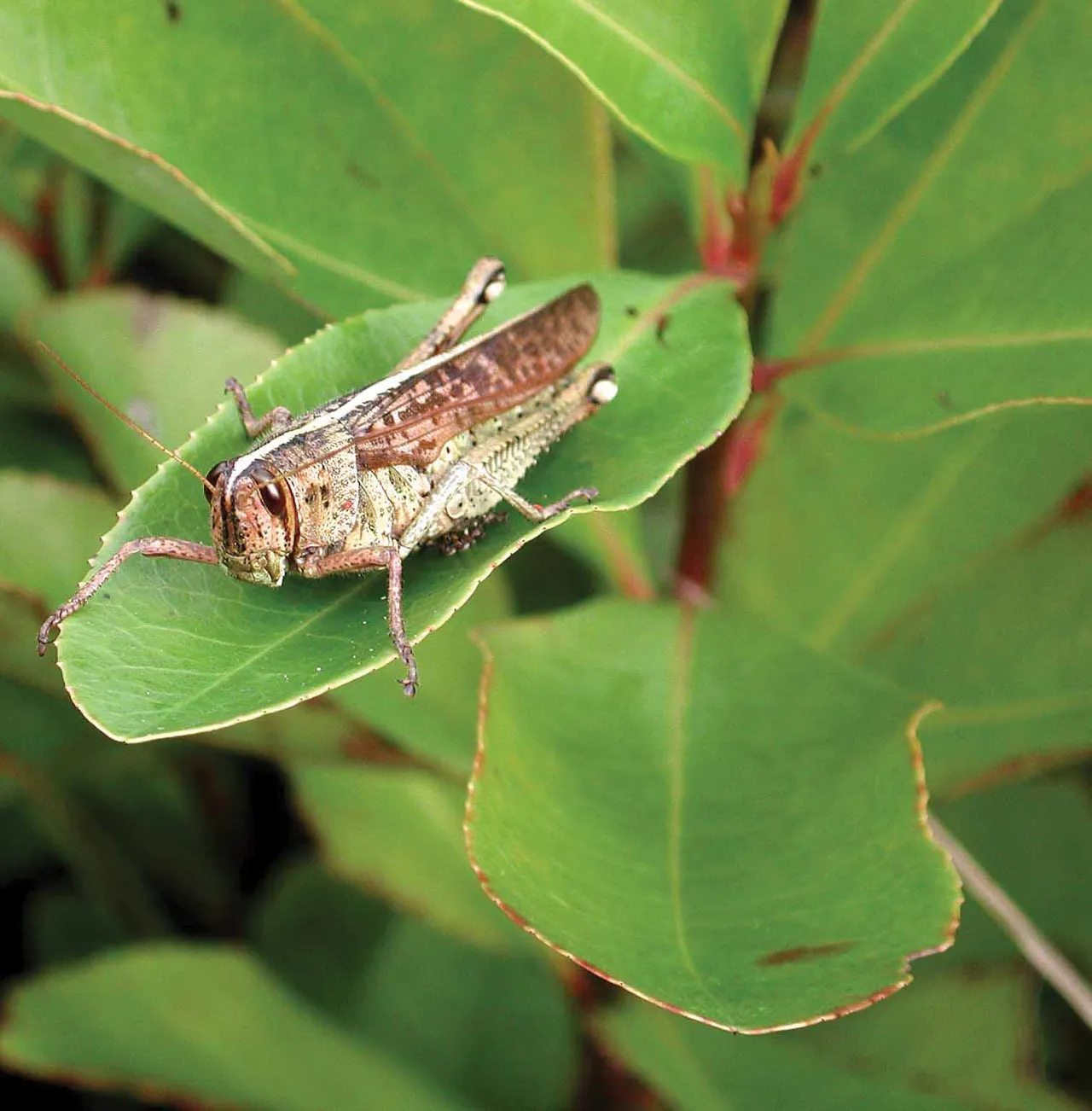
Instead of traditional laboratory and lecture, Georgia Natural History involves weekly field excursions and regular weekend field trips beyond campus. On the day that class falls on the first period of the day, the class typically spends the morning trekking across the campus identifying birds, collecting insects, or surveying a wetland for amphibians. The 500-acre campus at Darlington affords us the opportunity to explore many different natural habitats right outside the classroom. About every two weeks the class visits local off-campus sites such as forests on the Berry College properties or the wetland preserve at Floyd College. This past January, students spent four days exploring barrier islands, intertidal wetlands, and maritime forest along Georgia’s coast. From the headquarters on St. Simon’s Island they traveled to Jekyll Island, Andrew’s Island, and Savannah in a quest to see 100 different bird species. Future expeditions will include caving and salamander searching in the northwest Georgia mountains, birding at Kennesaw Mountain in the Atlanta area during spring bird migration, and insect collecting at several sites around Rome.
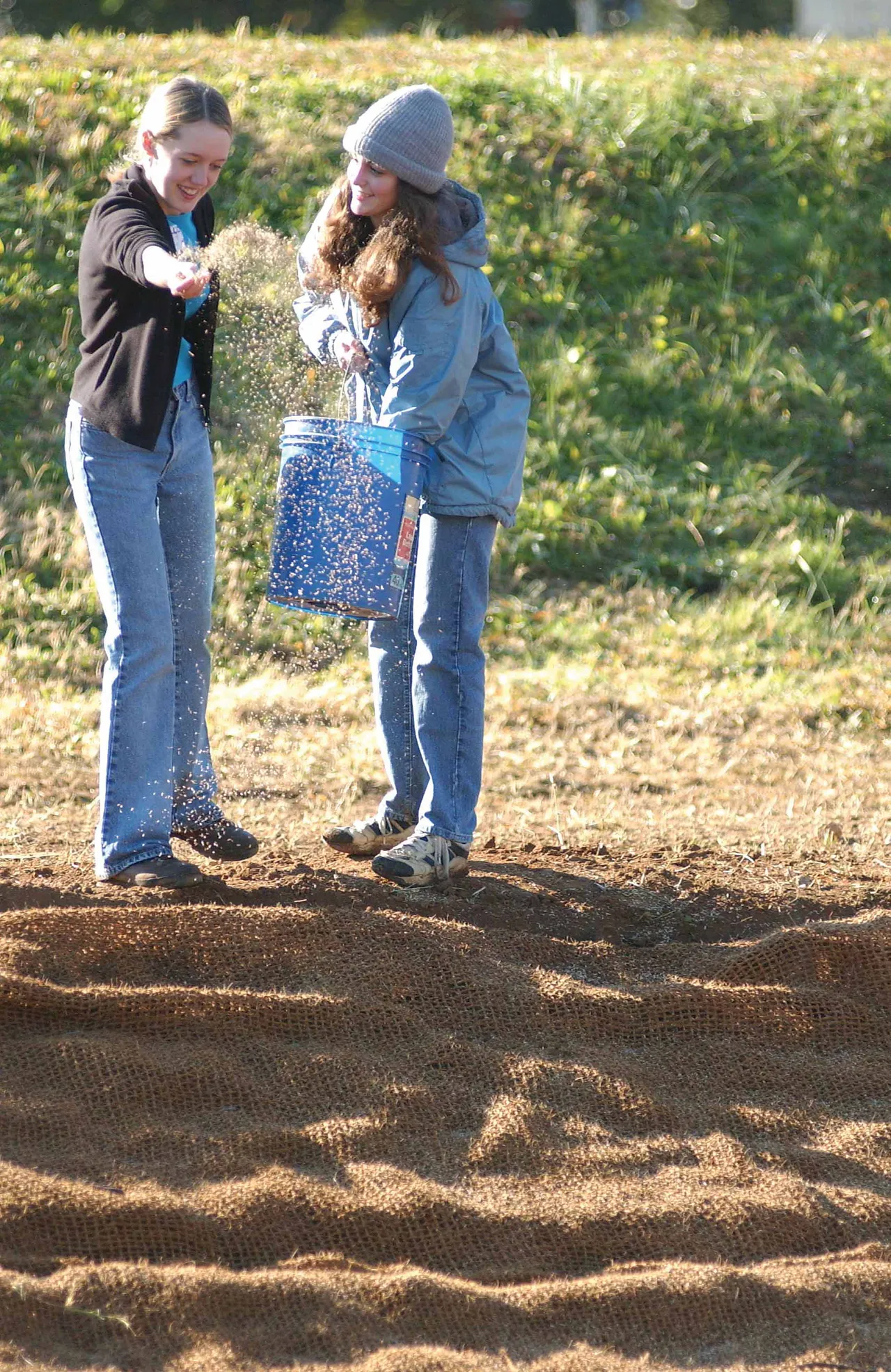
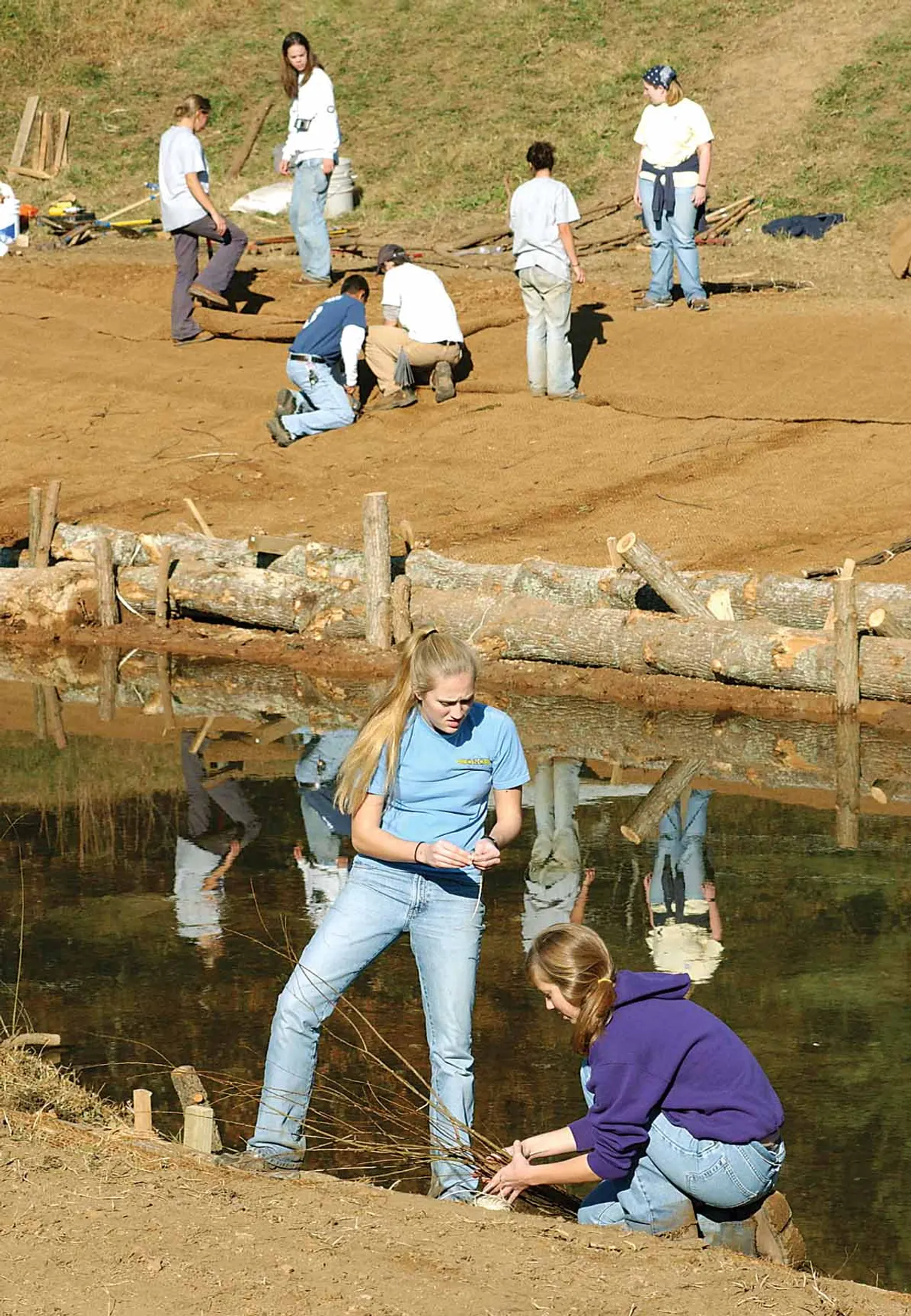
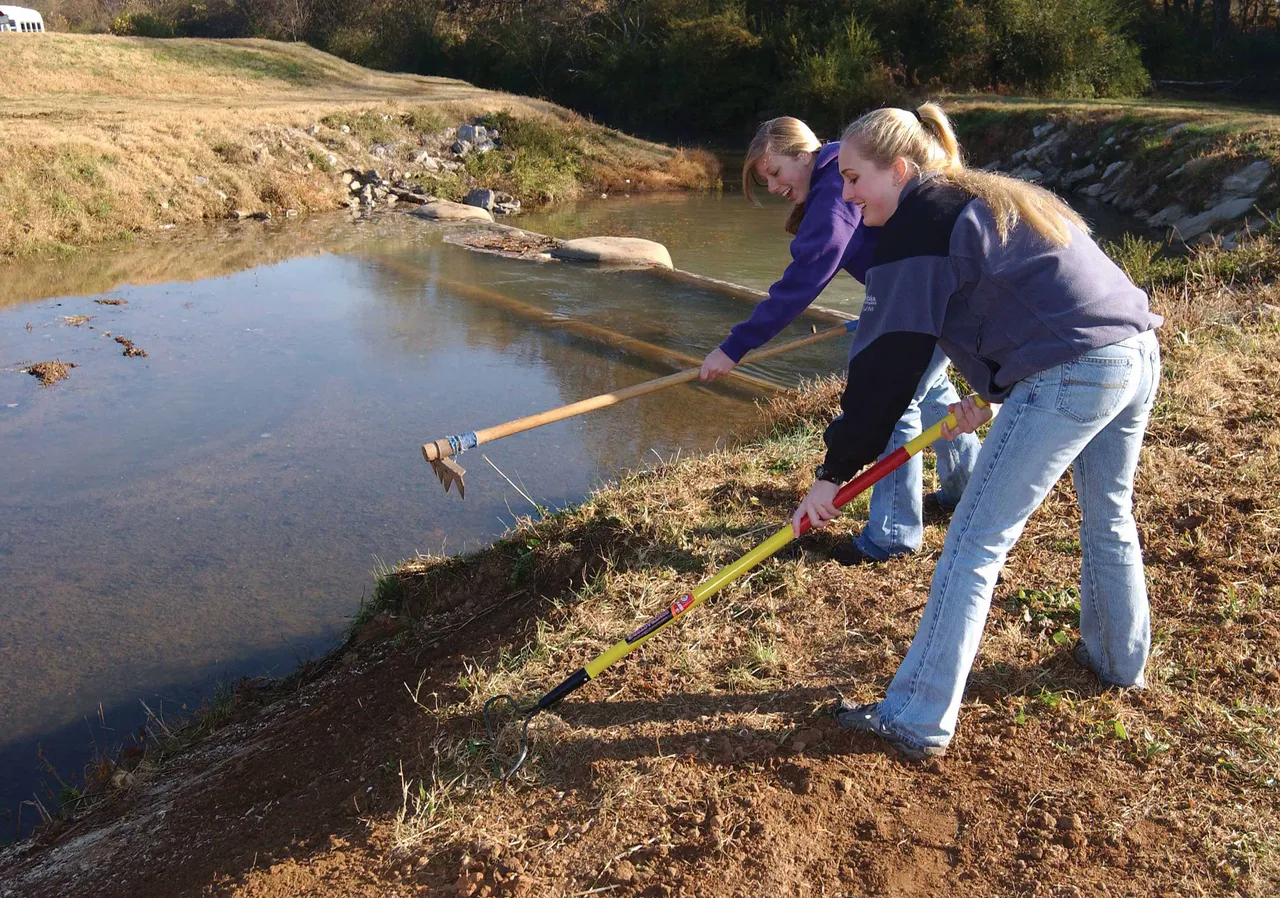
Several trips off the campus have focused on applying the students’ knowledge and enthusiasm for natural history to various local environmental causes. For example, one evening was spent helping volunteers from the Pigeon Mountain Grotto, a local cave conservation organization, collect data on salamander distribution at a proposed quarry site on Pigeon Mountain near Lafayette, Ga. Several students also spent a morning assisting the Georgia Conservancy and the Coosa River Basin Initiative in an ongoing effort to stabilize stream banks and restore native vegetation along Silver Creek near the edge of Darlington’s campus. A future project will include sampling fish and aquatic invertebrates in Silver Creek and other local waterways in conjunction with water quality studies.
Much of the field portion of Georgia Natural History is spent learning about birds and their habitats. An important part of this lesson is to experience first hand the efforts that go into identifying, protecting, and maintaining valuable bird habitats. The first step in protecting a natural resource, like bird diversity, is simple: one must determine how many birds there are and where they are located. Once this baseline information is established, the general size and diversity of local bird populations can be tracked over time. This past December members of the class participated in the Floyd County Christmas Bird Count (CBC), which is to become an annual event. The CBC, which recently celebrated its centennial anniversary, is a citizen science project organized by the National Audubon Society that monitors trends in bird distribution and abundance. Each winter over 50,000 volunteer naturalists throughout the Americas count birds in a designated 15-mile count circle. In each of the nearly 2,000 count circles a record is kept of all birds seen or heard within a 24-hour period. On the census day in mid-December, about 25 birders from all over northwest Georgia, along with several Darlington students, tallied approximately 19,000 individual birds and 95 different species.
On a similar note, students from Georgia Natural History will participate in an Audubon-sponsored Bird-A-Thon this spring. With the help of local birdwatchers, the students will spend a full day in April identifying and counting birds at local sites. The focus will be on neotropical migrant birds, or those that nest in the forests and plains of North America but spend the winter in Central and South America. In general, these migratory species are declining due to loss of forested habitat on their tropical wintering grounds, as well as the habitat loss occurring locally. In an effort to protect migratory bird habitat, each student will find a sponsor to pledge a certain amount of money for every species seen during that day. The funds generated will go to the preservation of wintering habitat for migratory birds in the forests of Costa Rica, Panama, Brazil, and other Latin American countries.
Beyond observing and counting birds, students in Georgia Natural History are planning to restore valuable wildlife habitats on campus. The class will spend a few weeks planning, propagating, and maintaining a garden on the grounds of the science building. The plantings will focus on native flowers and shrubs that attract birds, butterflies, and other wildlife. An integral part of the garden will be a selection of nectar plants for adult butterflies and a large grove of forage plants (e.g. milkweed) for caterpillars. Propagation of seeds began in February in the climate-controlled greenhouse on campus. While seeds are germinating, beds will be prepared and materials gathered for planting. A few local experts from Arrowhead Environmental Education Center and Home Depot have been enlisted to help in the planning and implementation process. Because the garden will consist primarily of perennials, subsequent classes will be able to add to the garden over the years. Plans are to add a raised bed containing bog vegetation and pond to our garden in the next few years. Eventually, Darlington will have a wildlife oasis right outside the doors of the science building, where the entire Darlington community can experience the birds and the bees firsthand.