NewsUpper SchoolStudent LifeFaculty/StaffPre-K to 8Service
Sage serves food, glorious food, at Darlington
Jan 14, 2004 8:00 AM
By Stefan Eady - Faculty
Darlington students live the dream about which the orphans in the Broadway musical Oliver! sing in “Food, Glorious Food.” In the musical based on Charles Dickens’ tale, Oliver, an orphan, runs away from the orphanage in search of his uncle who he hopes will give him a life full of good food and other comforts. At Darlington, students and faculty have James Clark and the rest of the Sage staff.
Keeping the customer satisfied … and healthy … is a demanding job, but Sage Food Service Director James Clark’s creative and flexible disposition help him as he strives to do just that in the dining services his group offers to all three schools. “We’ve worked hard in the past couple of years to offer more alternatives,” Clark said. “We’re always open to ideas that the students and faculty on the Dining Hall Committee bring us and we encourage suggestions.” Sage even put up a purple mailbox in the dining hall so that people can submit suggestions or criticisms in writing.
It is always a balancing act between giving students what they want to eat and what they should eat to be healthy. “We’ve added a bean soup as a second soup at every lunch for a healthy, vegetarian offering,” Clark said. “And, whenever we serve three main entrees at lunch, one of the three is vegetarian.”
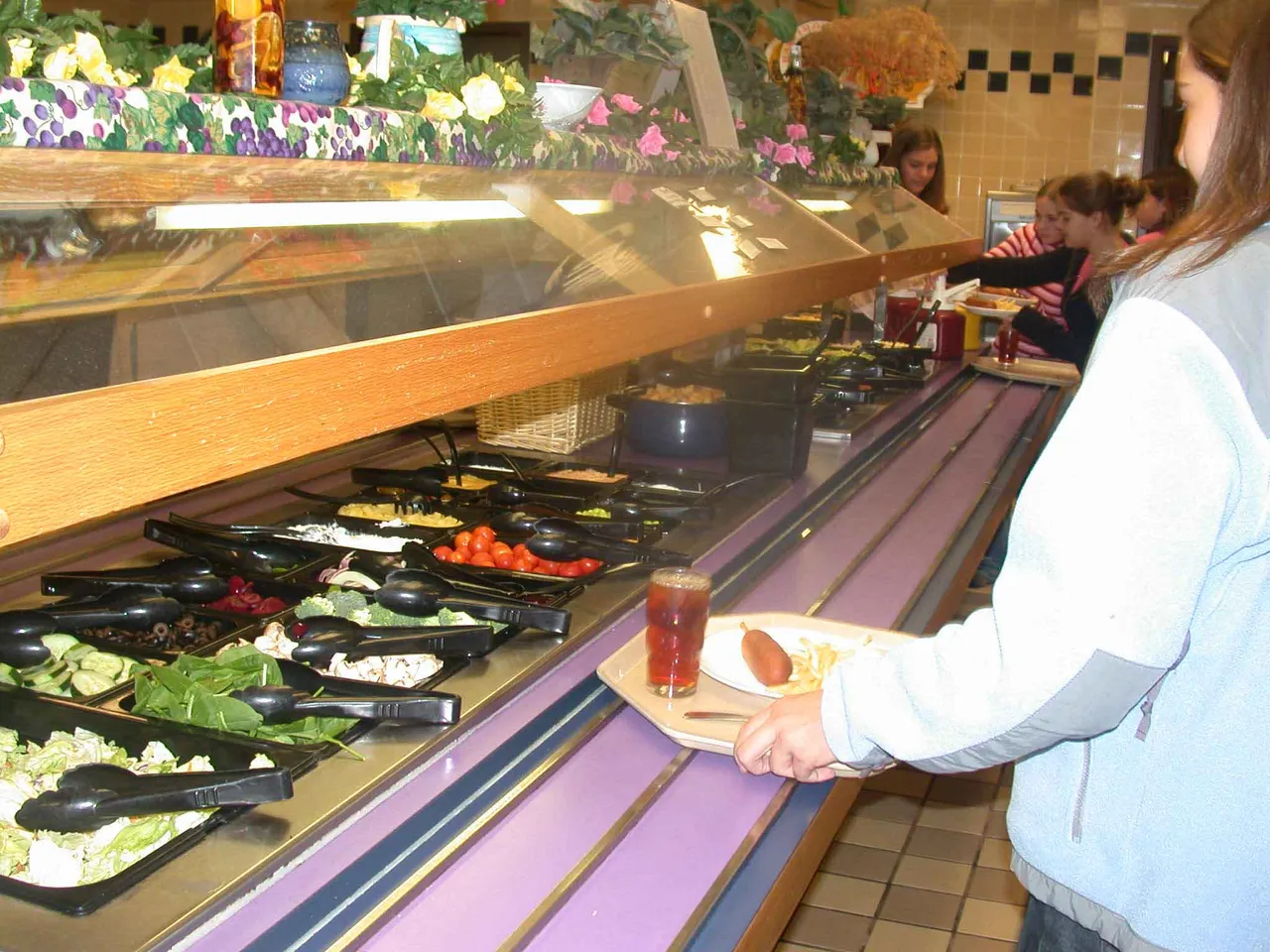
Sage offers an array of healthy foods, including fat-free sour cream and frozen yogurt, at least one fat-free salad dressing, beans and Japanese soybeans on the salad bar, all-meat turkey on the sandwich bar, a range of whole wheat and diet breads, fresh fruit every day, occasionally sugar-free cookies, 100 percent orange juice, steamed vegetables not cooked in butter, and often Sage serves simply prepared meats not cooked in sauces.
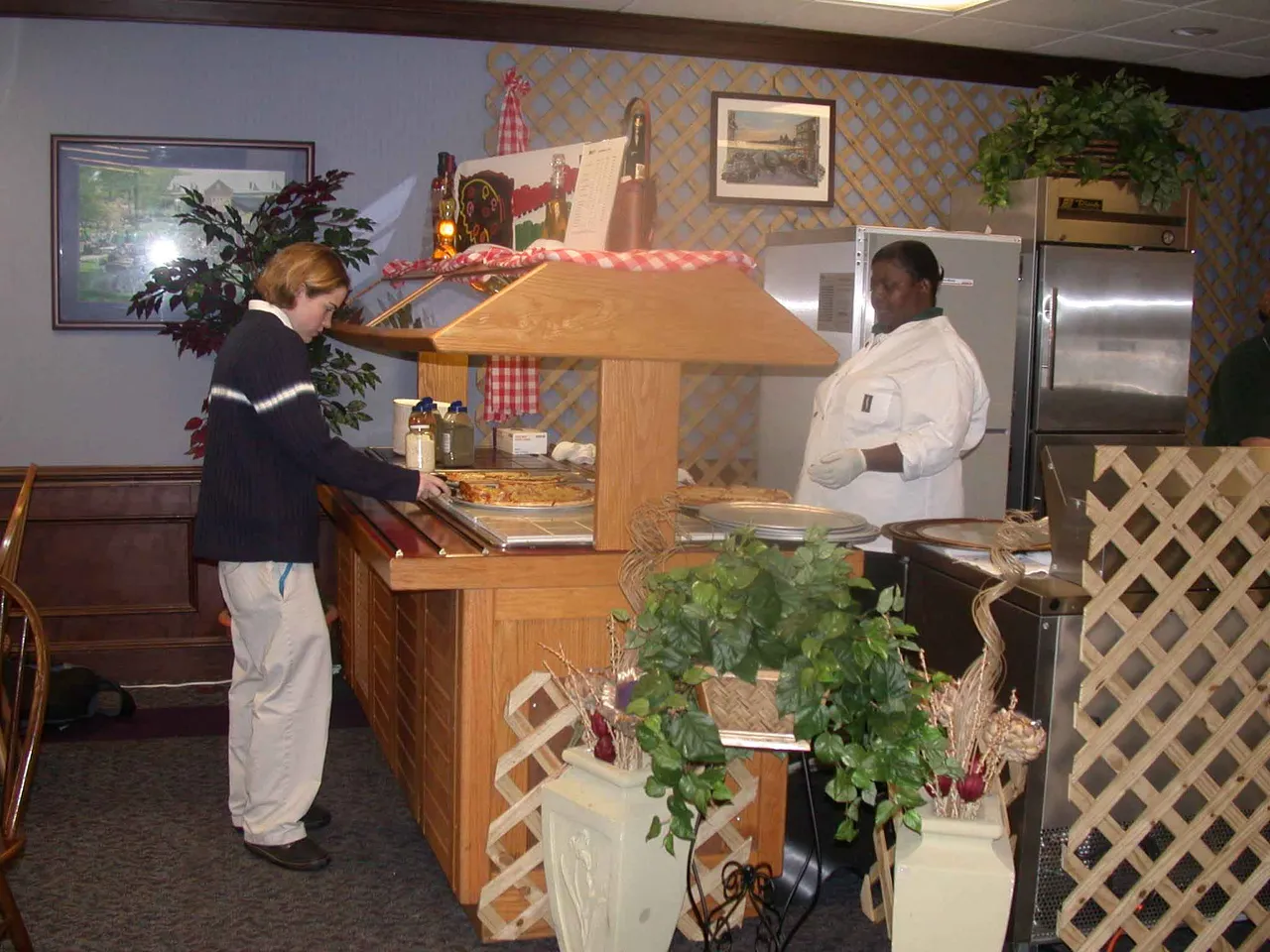
On the other hand, Clark has increased the variety of kid-popular foods. “We heard that students wanted pizza offered more often in the dining room, so I did research to find out where to get the best pizza dough and sauce closest to those used in the commercial pizza places that kids like,” Clark said. “We bought equipment and set up a pizza station in the main dining room during this past summer and were ready for business by opening of school.” The pizza station has quickly become very popular, serving an average of 50 pizzas, or 400 slices, each day.
Other stations now offered in the dining room are a hotdog station that is occasionally replaced with hamburgers or nachos, two drink stations, and a dessert station. “We set up the hot dog station at the request of a Middle School teacher who had listened to his students complain that we served grown-up food rather than food they like,” Clark said. Sage also often offers a variety of food bars in the main dining room, such as baked potatoes and toppings, pasta and sauces, and tacos and refried beans. The stations help to decrease the number of students going through the main line in an effort to serve everyone as quickly as possible to give them plenty of time to eat their meals.
For Lower School students, Clark’s challenge is finding a variety of healthy foods that students will eat. “Most Lower School students are still fairly picky eaters and basically content to eat every day the same short list of foods they like,” Clark said. Sage transports a hot meal, salad, and deli food from its kitchen on the Upper School campus to Lower School for lunch each day.
The focus for dinner is on providing residential students, faculty, and their families a homey atmosphere and “comfort food.” “We try to make dinners interesting and fun by doing things like theme dinners and buffets. Dinners during Halloween this year were evidence of Clark’s obsession with the occasion, as diners were greeted by fog, spiders and their webs, creepy sounds, flying bats, and eerie strings of Halloween lights.
Made-to-order omelets offered during Saturday brunches and Sunday lunches are the highlight of the week for many who live on campus. Sunday lunch also offers traditional Southern food, such as fried chicken, ham slices, creamed or smashed potatoes, green beans, spinach, and the like.
Clark and his staff are eager to accommodate special dietary needs when they are told about them. Mark Tayloe, Lower School principal, shares a good example of that when he talks about his three-year-old daughter, Julia. “Julia has celiac disease, a lifelong intolerance of gluten, which is in any food containing wheat, oats, rye, and barley,” Tayloe explained. “We have to be so careful about anything we feed her and have completely scrutinized everything the dining hall serves.”
Julia loves turkey and Tayloe reports that she eats it every day. “The turkey that Sage normally serves does not contain gluten, because it is all-meat, but one day they had a substitute. James thought enough about us to alert us that they had a substitute that day that was probably not gluten-free. Kim and I were blown away by James’ compassion and thoughtfulness,” Tayloe said.
Clark’s reputation for thoughtfulness has been noticed by more than just Darlington. He was recently named MVP by Sage and recognized at the company’s annual Sage University held at Saint Andrew’s School in Boca Raton, Fla. Clark was nominated by his district manager and won out of six nominees from 20 states. The award recognized Clark as “the manager who best exemplifies Sage” and as one “who is always willing to help out.” Darlington students and faculty could have told Sage that a long time ago.
Keeping the customer satisfied … and healthy … is a demanding job, but Sage Food Service Director James Clark’s creative and flexible disposition help him as he strives to do just that in the dining services his group offers to all three schools. “We’ve worked hard in the past couple of years to offer more alternatives,” Clark said. “We’re always open to ideas that the students and faculty on the Dining Hall Committee bring us and we encourage suggestions.” Sage even put up a purple mailbox in the dining hall so that people can submit suggestions or criticisms in writing.
It is always a balancing act between giving students what they want to eat and what they should eat to be healthy. “We’ve added a bean soup as a second soup at every lunch for a healthy, vegetarian offering,” Clark said. “And, whenever we serve three main entrees at lunch, one of the three is vegetarian.”
Sage offers an array of healthy foods, including fat-free sour cream and frozen yogurt, at least one fat-free salad dressing, beans and Japanese soybeans on the salad bar, all-meat turkey on the sandwich bar, a range of whole wheat and diet breads, fresh fruit every day, occasionally sugar-free cookies, 100 percent orange juice, steamed vegetables not cooked in butter, and often Sage serves simply prepared meats not cooked in sauces.
On the other hand, Clark has increased the variety of kid-popular foods. “We heard that students wanted pizza offered more often in the dining room, so I did research to find out where to get the best pizza dough and sauce closest to those used in the commercial pizza places that kids like,” Clark said. “We bought equipment and set up a pizza station in the main dining room during this past summer and were ready for business by opening of school.” The pizza station has quickly become very popular, serving an average of 50 pizzas, or 400 slices, each day.
Other stations now offered in the dining room are a hotdog station that is occasionally replaced with hamburgers or nachos, two drink stations, and a dessert station. “We set up the hot dog station at the request of a Middle School teacher who had listened to his students complain that we served grown-up food rather than food they like,” Clark said. Sage also often offers a variety of food bars in the main dining room, such as baked potatoes and toppings, pasta and sauces, and tacos and refried beans. The stations help to decrease the number of students going through the main line in an effort to serve everyone as quickly as possible to give them plenty of time to eat their meals.
For Lower School students, Clark’s challenge is finding a variety of healthy foods that students will eat. “Most Lower School students are still fairly picky eaters and basically content to eat every day the same short list of foods they like,” Clark said. Sage transports a hot meal, salad, and deli food from its kitchen on the Upper School campus to Lower School for lunch each day.
The focus for dinner is on providing residential students, faculty, and their families a homey atmosphere and “comfort food.” “We try to make dinners interesting and fun by doing things like theme dinners and buffets. Dinners during Halloween this year were evidence of Clark’s obsession with the occasion, as diners were greeted by fog, spiders and their webs, creepy sounds, flying bats, and eerie strings of Halloween lights.
Made-to-order omelets offered during Saturday brunches and Sunday lunches are the highlight of the week for many who live on campus. Sunday lunch also offers traditional Southern food, such as fried chicken, ham slices, creamed or smashed potatoes, green beans, spinach, and the like.
Clark and his staff are eager to accommodate special dietary needs when they are told about them. Mark Tayloe, Lower School principal, shares a good example of that when he talks about his three-year-old daughter, Julia. “Julia has celiac disease, a lifelong intolerance of gluten, which is in any food containing wheat, oats, rye, and barley,” Tayloe explained. “We have to be so careful about anything we feed her and have completely scrutinized everything the dining hall serves.”
Julia loves turkey and Tayloe reports that she eats it every day. “The turkey that Sage normally serves does not contain gluten, because it is all-meat, but one day they had a substitute. James thought enough about us to alert us that they had a substitute that day that was probably not gluten-free. Kim and I were blown away by James’ compassion and thoughtfulness,” Tayloe said.
Clark’s reputation for thoughtfulness has been noticed by more than just Darlington. He was recently named MVP by Sage and recognized at the company’s annual Sage University held at Saint Andrew’s School in Boca Raton, Fla. Clark was nominated by his district manager and won out of six nominees from 20 states. The award recognized Clark as “the manager who best exemplifies Sage” and as one “who is always willing to help out.” Darlington students and faculty could have told Sage that a long time ago.