NewsUpper SchoolStudent LifeFaculty/StaffAlumniAdvancementServiceAcademics
Rome and Darlington welcome Shoutin’ author home
May 4, 2003 8:00 AM
By Stefan Eady - Faculty
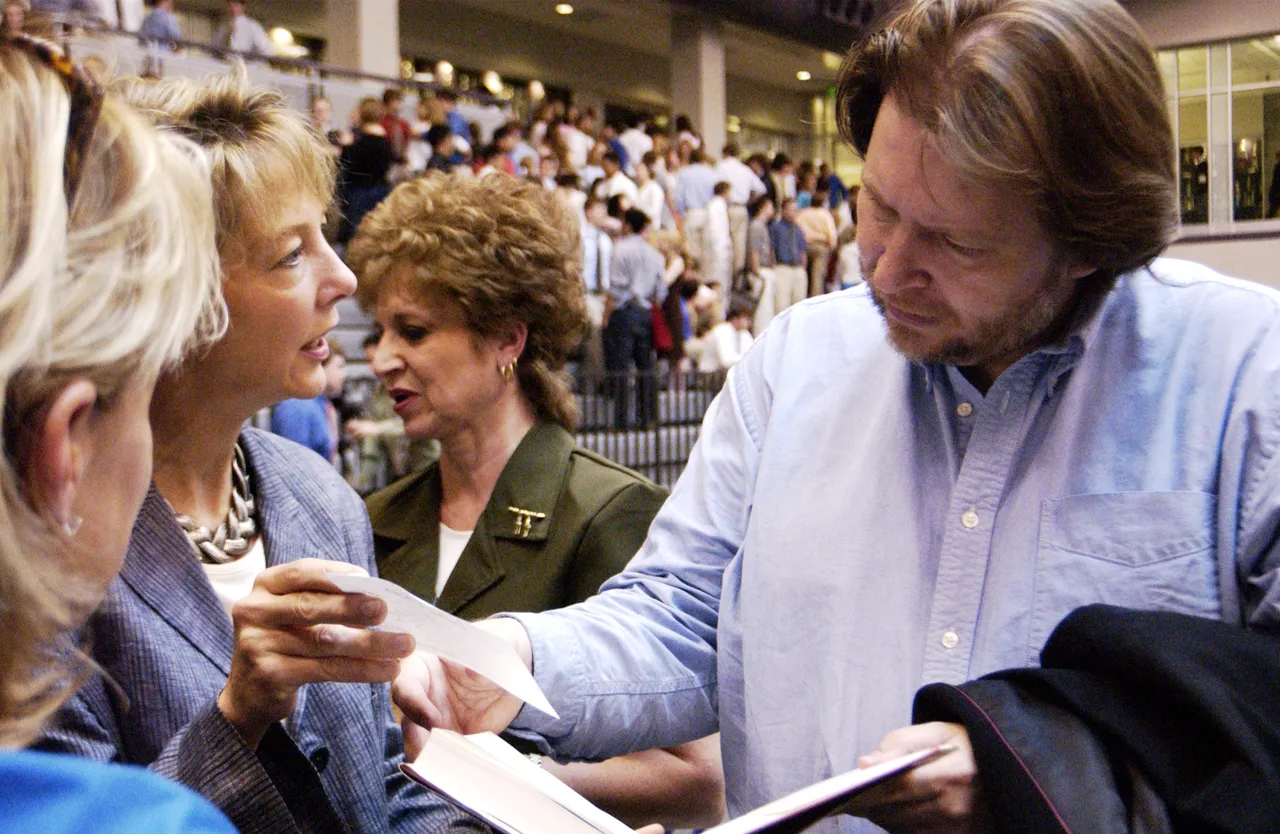
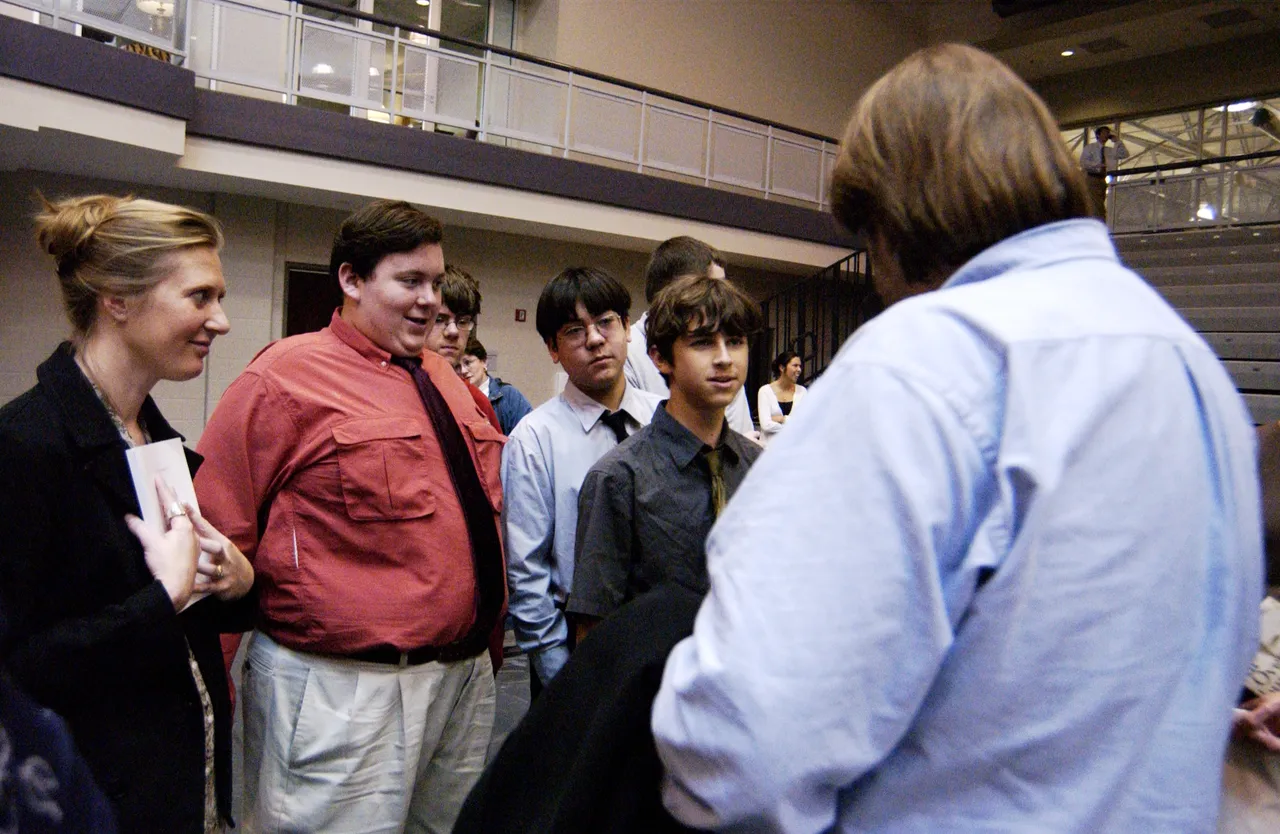
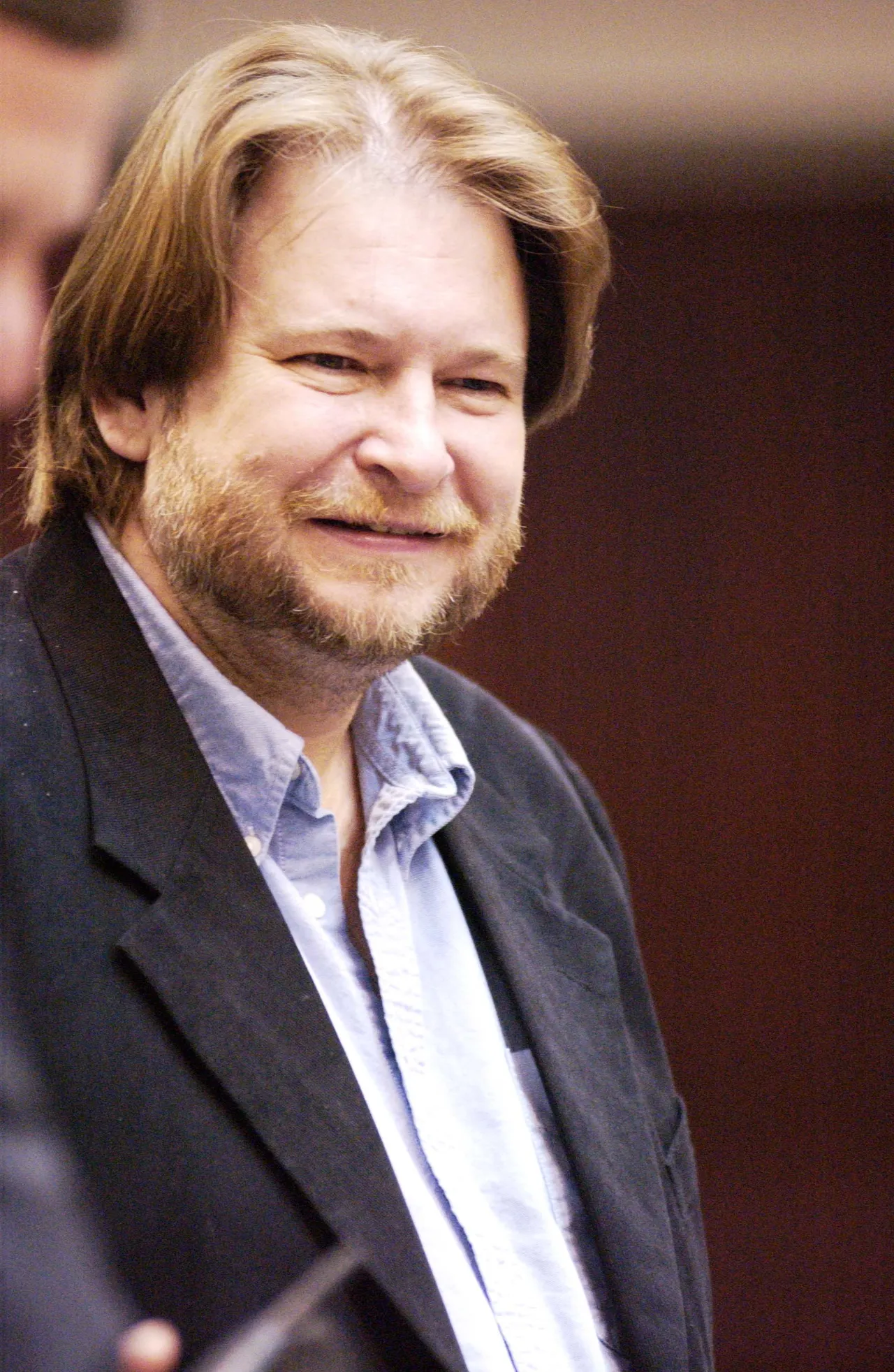
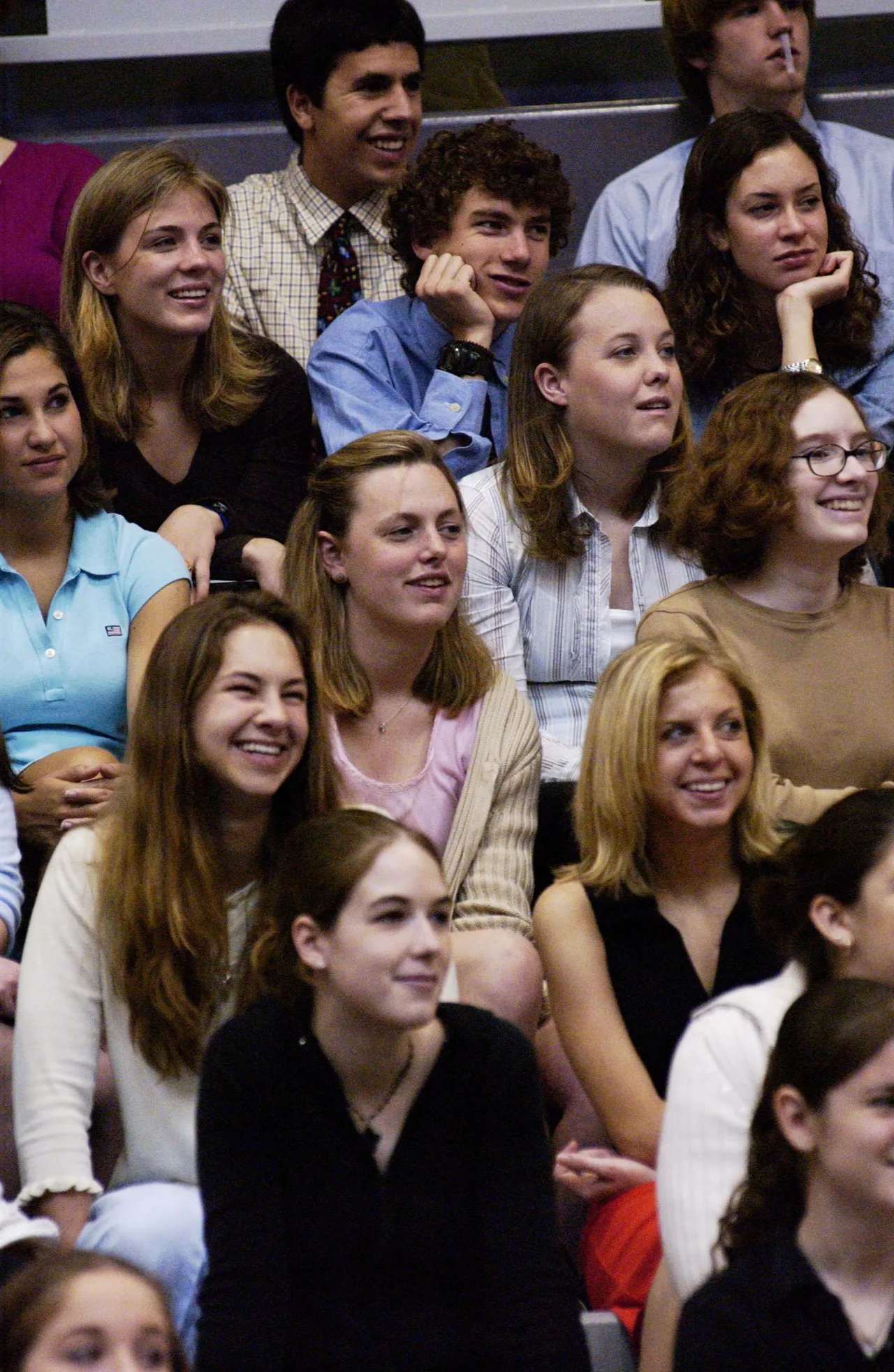
Like any other great homecoming, telling family stories was the order of the day, when Rick Bragg, Pulitzer Prize winning writer and author of All Over but the Shoutin’, returned to these Appalachian mountain foothills to discuss his book with Darlington and the Rome community. Shoutin’ was Darlington’s community-read this year. Bragg’s talk in the Huffman Center on Friday, April 25, as part of Alumni Reunion Weekend, drew a number of alumni and members of the Rome community as well as students and faculty.
Sam Moss, Darlington’s associate headmaster and dean of college guidance, set the tone for the gathering with his introduction of Bragg. “From the moment I first picked up and began reading All Over but the Shoutin’, I have looked forward to meeting [Bragg],” Moss said. “Rick Bragg grew up in the 60s and 70s in this part of the country. I am sure that is one reason that so many of us enjoyed this book so much. Rick’s mother was actually born in Floyd County and delivered by a doctor from Rome.”
“I was deeply touched in a very personal way when Rick mentioned my stepfather, the late Wally Fowler, a gospel singer whom Rick remembers listening to on the radio when he was growing up,” Moss said. “I must admit, though, to feeling a slight twinge of discomfort when I ran across a line in which Rick expressed his disdain for certain men from “Jaw-ja” (Georgia), whom he described as ‘penny loafer-wearing, pink-jowled, bow-tied geeks’. Now, I just met Rick for the first time last night, so I am sure he wasn’t writing about me.”
As Moss stood before the audience of about 600 looking exactly as Bragg described, everyone had their first laugh of the event, including Bragg himself. Many laughs followed when Bragg took the podium and told more stories about his family, admitting that most all conversations with his mother started with his saying, “My God, mother, …”
Bragg was born in Piedmont, Ala., in 1959, just about 45 miles from Darlington School. In his talk at Darlington, he described this area as “the geographical heart and soul of Shoutin’ saying that all of his people live within a 50-mile radius of Darlington. “I know that some of you can’t say that all of your people live within a 10,000-mile radius of this school,” he said. “I am tickled to be talking to a school that has students from Summerville to Asia.”
He assured the audience that his mother is fine, with a few minor setbacks, and talked about home. “I’m proud of where I’m from,” Bragg said. “Almost all of us are descended from people who worked with their hands. Shoutin’ became a book about people who survive.”
He also talked about the role of storytelling, which he described as “talk in poetry, something that’s just in those of us here at the foothills of the Appalachian.” He hypothesized that this might be particularly true in his family because many of them could not read until this current generation.
His father, he said, served as a marine in Korea where he killed a Chinese soldier by holding his head under freezing water. “He came back from the war broken, ‘worser,’ as my people say, and without some of his finer spirit,” Bragg said. “He was the anvil that my mother’s story was beaten out on.”
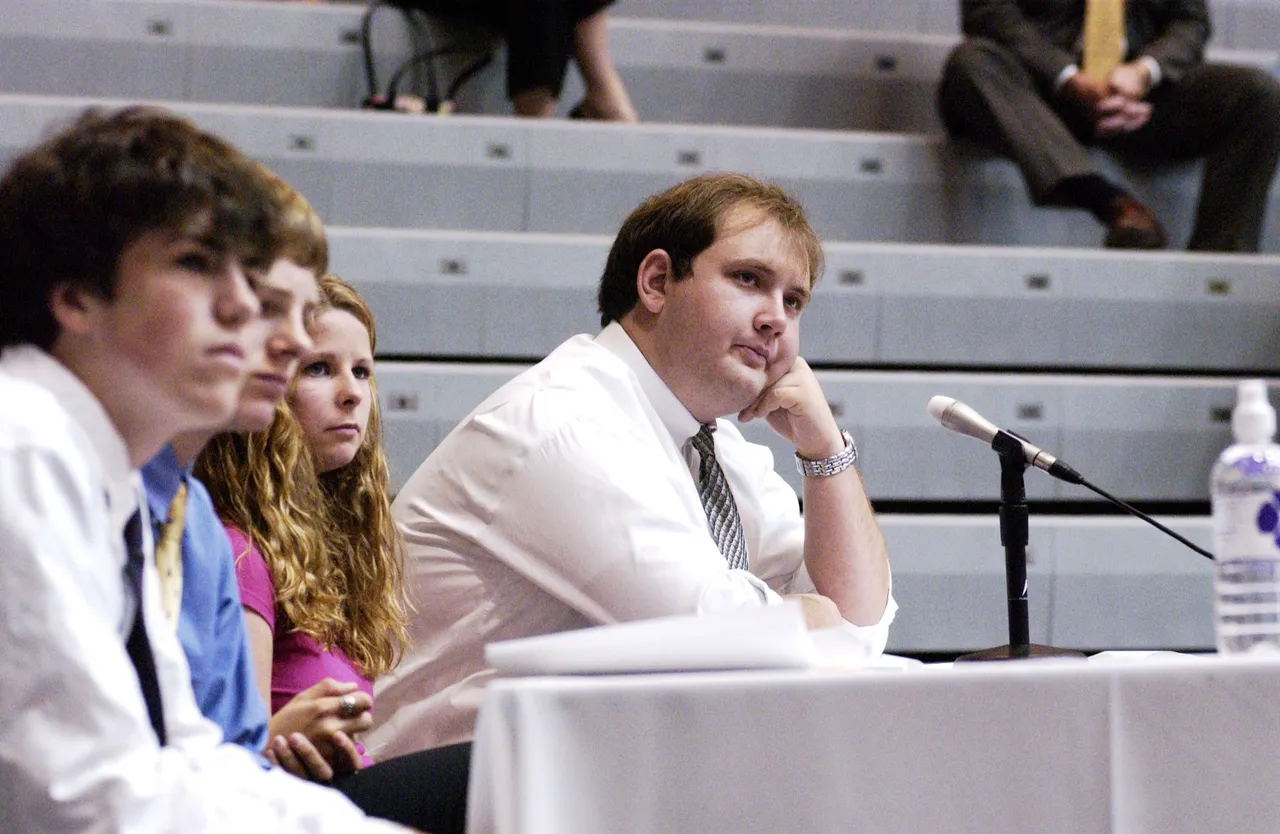
After his hour-long presentation, David Powell, Thatcher Chair of English and English department chair, introduced a student panel. The panel, consisting of Steven Owens, sophomore; William Krueger, senior; Katie Binns, junior; Juli Mull, senior; and Thomas Rudderow, freshman, asked him questions for another hour.
A national correspondent for the New York Times since 1994, and based in New Orleans since 2000, Bragg has served as Miami Bureau chief for the Times, domestic correspondent in the Times’ Atlanta office, and has worked for the Los Angeles Times, the St. Petersburg Times, and the Birmingham News. His memoir, All Over but the Shoutin’, became a bestseller and New York Times Notable Book of the Year in 1997. He has since published Somebody Told Me: The Newspaper Stories of Rick Bragg and his latest book, Ava’s Man. In 1992, Bragg was named a Neiman Fellow at Harvard University, and in 1996, he was awarded the Pulitzer Prize for feature writing.
Sam Moss, Darlington’s associate headmaster and dean of college guidance, set the tone for the gathering with his introduction of Bragg. “From the moment I first picked up and began reading All Over but the Shoutin’, I have looked forward to meeting [Bragg],” Moss said. “Rick Bragg grew up in the 60s and 70s in this part of the country. I am sure that is one reason that so many of us enjoyed this book so much. Rick’s mother was actually born in Floyd County and delivered by a doctor from Rome.”
“I was deeply touched in a very personal way when Rick mentioned my stepfather, the late Wally Fowler, a gospel singer whom Rick remembers listening to on the radio when he was growing up,” Moss said. “I must admit, though, to feeling a slight twinge of discomfort when I ran across a line in which Rick expressed his disdain for certain men from “Jaw-ja” (Georgia), whom he described as ‘penny loafer-wearing, pink-jowled, bow-tied geeks’. Now, I just met Rick for the first time last night, so I am sure he wasn’t writing about me.”
As Moss stood before the audience of about 600 looking exactly as Bragg described, everyone had their first laugh of the event, including Bragg himself. Many laughs followed when Bragg took the podium and told more stories about his family, admitting that most all conversations with his mother started with his saying, “My God, mother, …”
Bragg was born in Piedmont, Ala., in 1959, just about 45 miles from Darlington School. In his talk at Darlington, he described this area as “the geographical heart and soul of Shoutin’ saying that all of his people live within a 50-mile radius of Darlington. “I know that some of you can’t say that all of your people live within a 10,000-mile radius of this school,” he said. “I am tickled to be talking to a school that has students from Summerville to Asia.”
He assured the audience that his mother is fine, with a few minor setbacks, and talked about home. “I’m proud of where I’m from,” Bragg said. “Almost all of us are descended from people who worked with their hands. Shoutin’ became a book about people who survive.”
He also talked about the role of storytelling, which he described as “talk in poetry, something that’s just in those of us here at the foothills of the Appalachian.” He hypothesized that this might be particularly true in his family because many of them could not read until this current generation.
His father, he said, served as a marine in Korea where he killed a Chinese soldier by holding his head under freezing water. “He came back from the war broken, ‘worser,’ as my people say, and without some of his finer spirit,” Bragg said. “He was the anvil that my mother’s story was beaten out on.”
After his hour-long presentation, David Powell, Thatcher Chair of English and English department chair, introduced a student panel. The panel, consisting of Steven Owens, sophomore; William Krueger, senior; Katie Binns, junior; Juli Mull, senior; and Thomas Rudderow, freshman, asked him questions for another hour.
A national correspondent for the New York Times since 1994, and based in New Orleans since 2000, Bragg has served as Miami Bureau chief for the Times, domestic correspondent in the Times’ Atlanta office, and has worked for the Los Angeles Times, the St. Petersburg Times, and the Birmingham News. His memoir, All Over but the Shoutin’, became a bestseller and New York Times Notable Book of the Year in 1997. He has since published Somebody Told Me: The Newspaper Stories of Rick Bragg and his latest book, Ava’s Man. In 1992, Bragg was named a Neiman Fellow at Harvard University, and in 1996, he was awarded the Pulitzer Prize for feature writing.