Professional Development Spotlight: A Journey Like None Other, Part 4

By Steve McConnell - Faculty
Thanks to the Thatcher Faculty Professional Development Grant, I had the unique opportunity this past summer to head out west and visit Native American sites in San Diego and Arizona. I had no idea just how much history I was about to discover (or maybe uncover). These visits allowed me the chance to visit and speak with Native Americans and find out history from their perspective. This is Part 4 of the travelogue of my experiences and will explore the Native American sites I visited in Arizona.
My third-graders and I have been discussing several key moments that shaped the westward movement in the United States. In our discussions, we have explored the reasons why events like the Trail of Tears, traveling the Oregon Trail, the explorations of Lewis and Clark, and the California Gold Rush impacted how the west was shaped. Many topics came to the minds of my kids as we chatted about each of these events.
One overriding question kept coming up in our discussion: were these adventures smart, heroic, or just crazy? The general consensus was that most of it seemed crazy because of the unknowns in each situation. The one event that seemed to bring the most concern or distress to my classes was that of the Trail of Tears. Wrapping their minds around the idea that the U.S. government moved so many Native Americans out of the southeast to lands in Oklahoma that were not nearly as fertile or potentially sustainable was a hard concept for them to understand.
We had the chance to break out our myths about Native Americans and talk about if any of these myths may have lead to the creation of the Indian Removal Act by President Jackson. One of the questions that came out of our discussions was, "why didn't they fight back - it was their land to begin with?" This led us into the idea about how smart , or maybe not so smart, the Group of 5 Tribes were to allow something like this to happen. Now obviously there are many layers to that question that we could have gone into. And I hope that one day as they progress through their social studies career they will have a chance to peel back the layers of that question.
One layer we did attempt to peel back is this idea, and myth, that Native Americans are not smart and therefore allowed themselves to be taken advantage of. Maybe the fact that they weren't smart enough allowed President Jackson to do what he did?? I shared with my kids some of what I discovered out west this summer. One of my biggest takeaways from my experiences is that the Native Americans of the southwest were incredibly intelligent human beings who found extraordinary ways to adapt and overcome to what life dealt them. I do not know for sure, but I would guess that the Group of 5 Tribes who settled in Oklahoma had many of the same characteristics that allowed them to adapt to their new surroundings.
We talked about the need by Major Ridge and other leaders to take care of their people the best way they knew how. Dealing with President Jackson seemed like the best idea at the time even though there was a good deal of dissension within the 5 Civilized Tribes themselves over this decision. Obviously, had they known how they were going to be treated on the move west they may have rethought their plans. Again, more layers for my students to peel away as they get older. What I did want them to understand is that the Native Americans were smart enough to adapt to an area of the country that may have seemed like a place they may not have survived in.
I shared pictures and stories with my kids to help them see as I did just how smart the Native Americans were who lived out west. As we traveled to Arizona we set out for two very distinct places that were known for the Native American ruins - or as one Hopi storyteller me - our homes. He said, "these are not ruins these are our ancestral pueblos." The Wupatki site and the Palatki site are two amazing yet different places to visit.
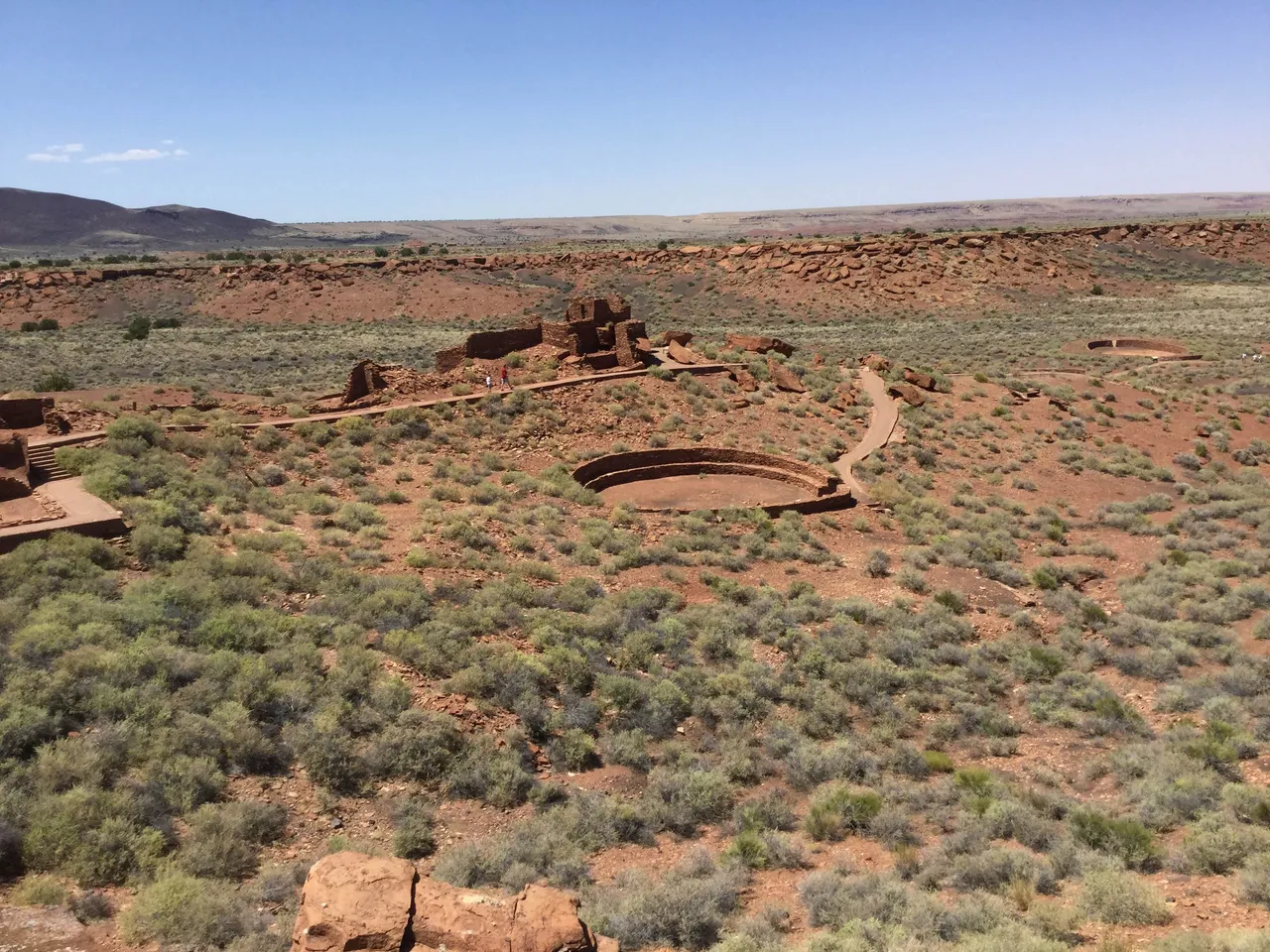
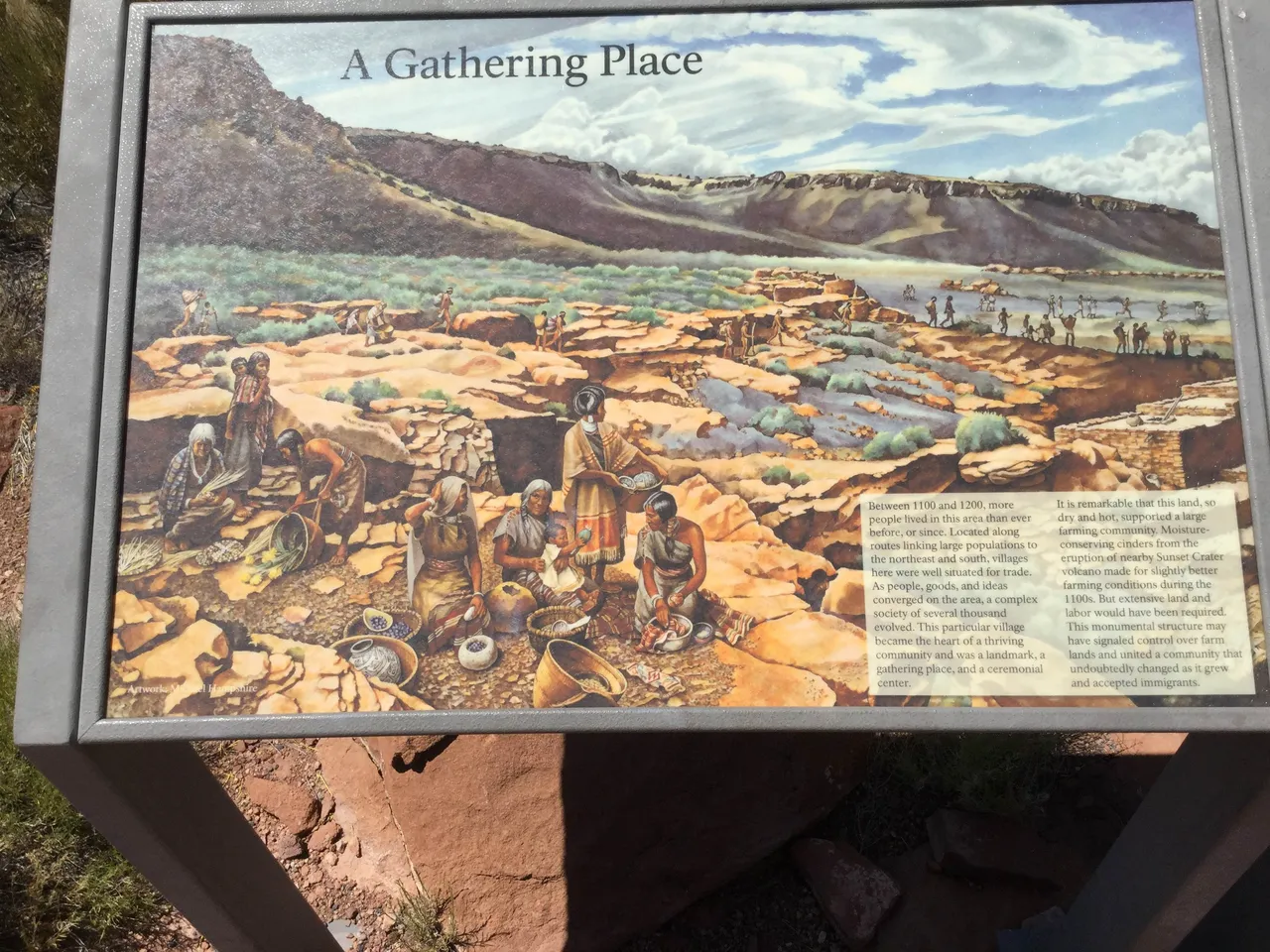
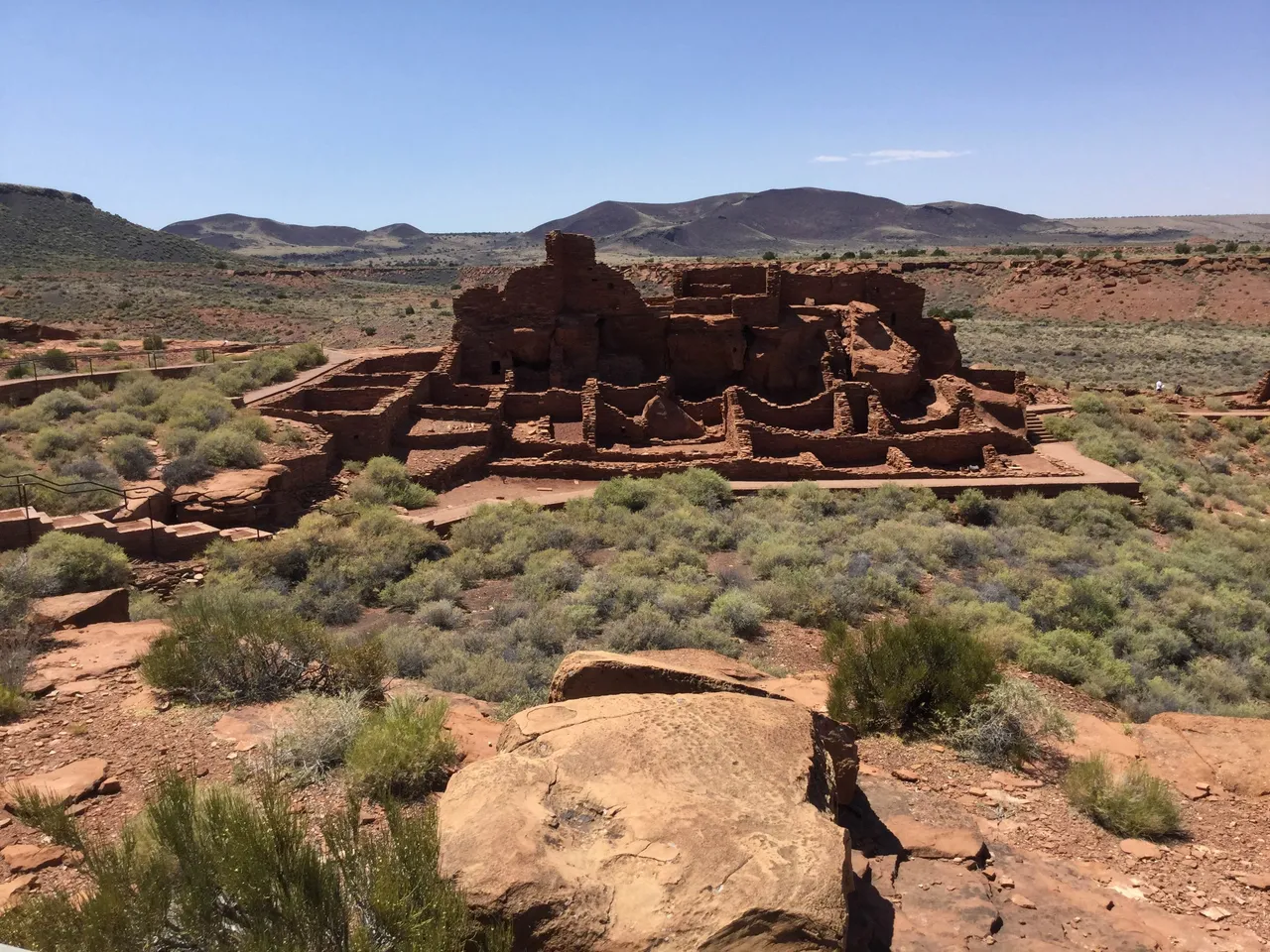
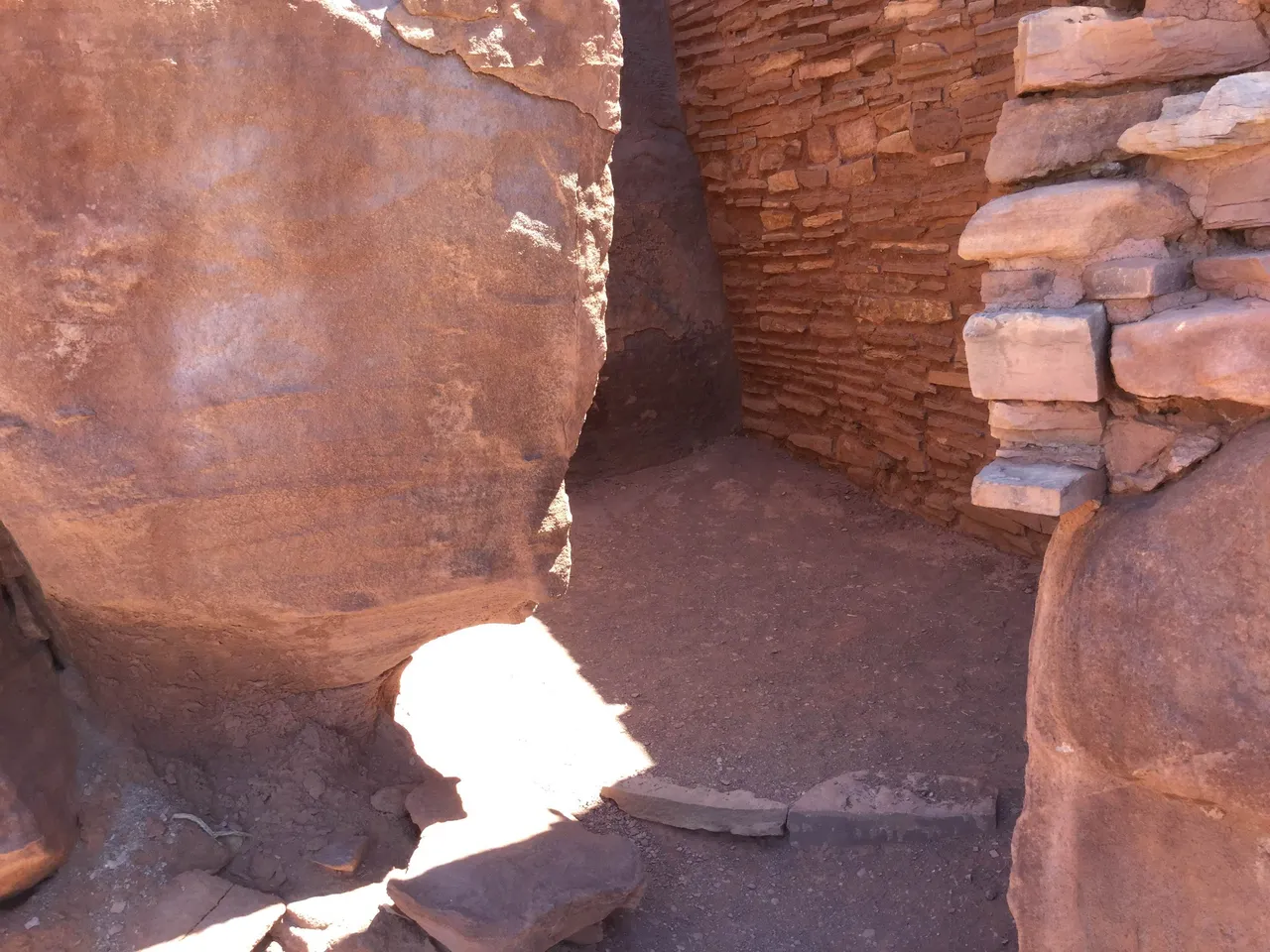
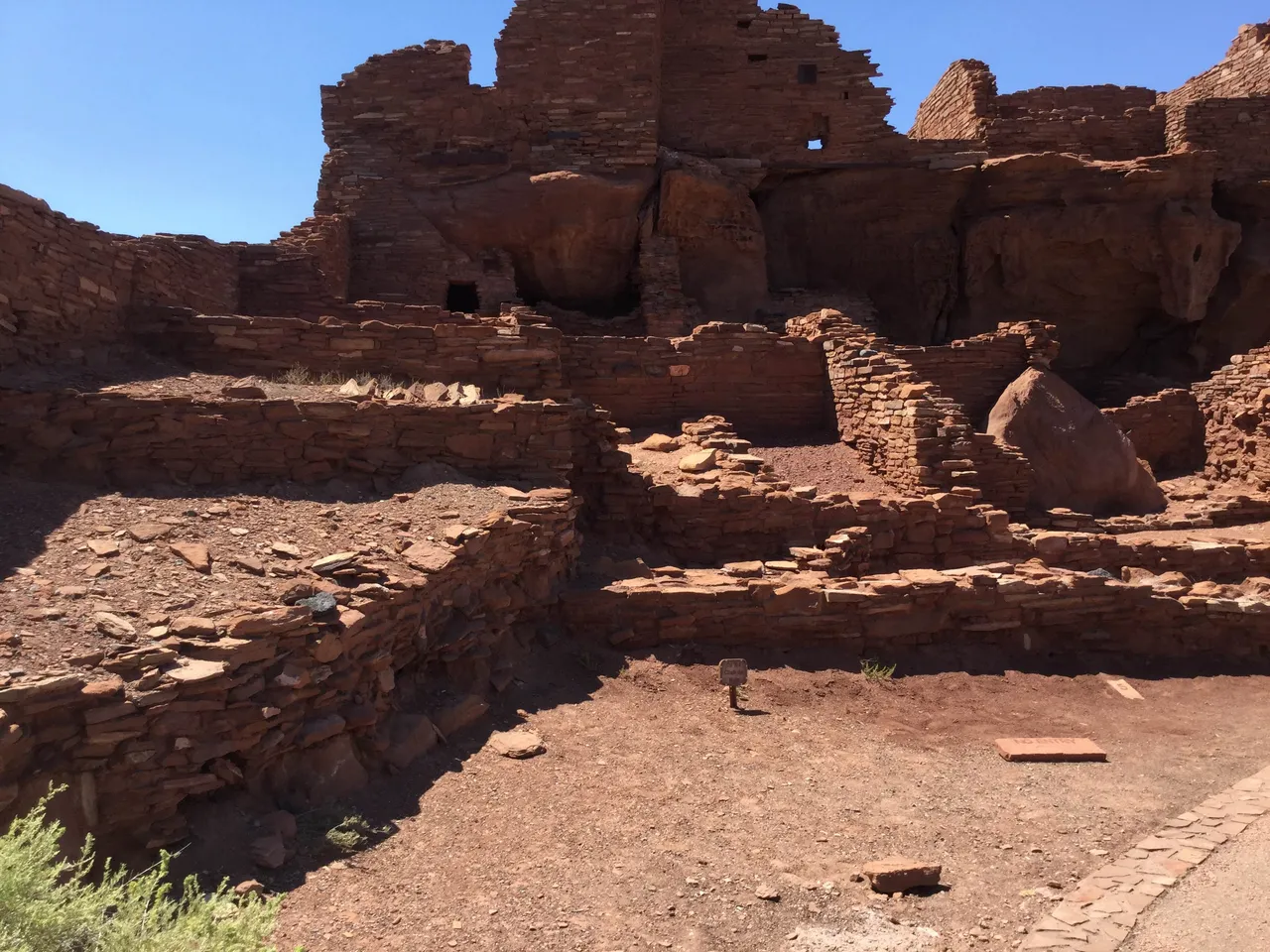
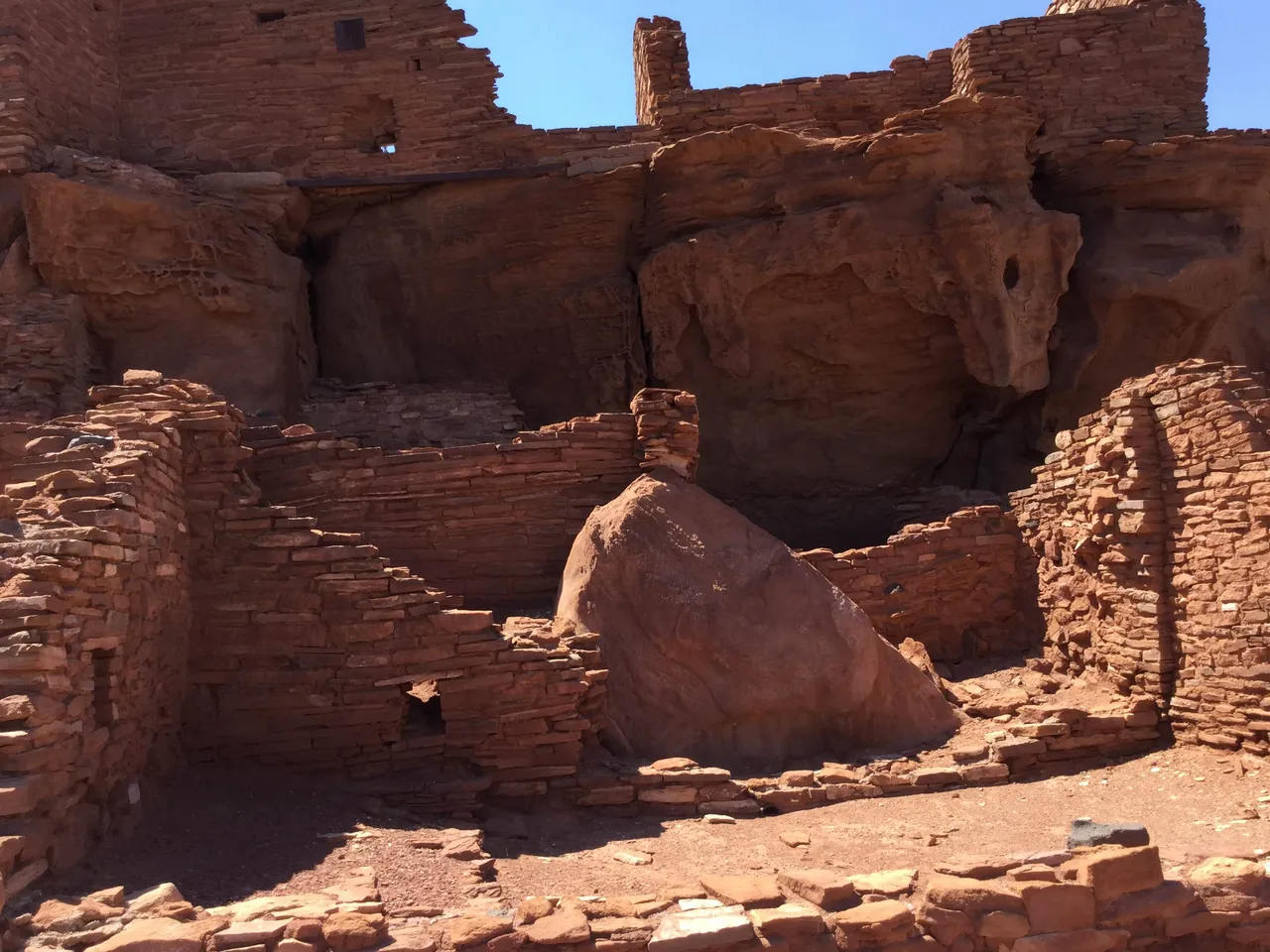
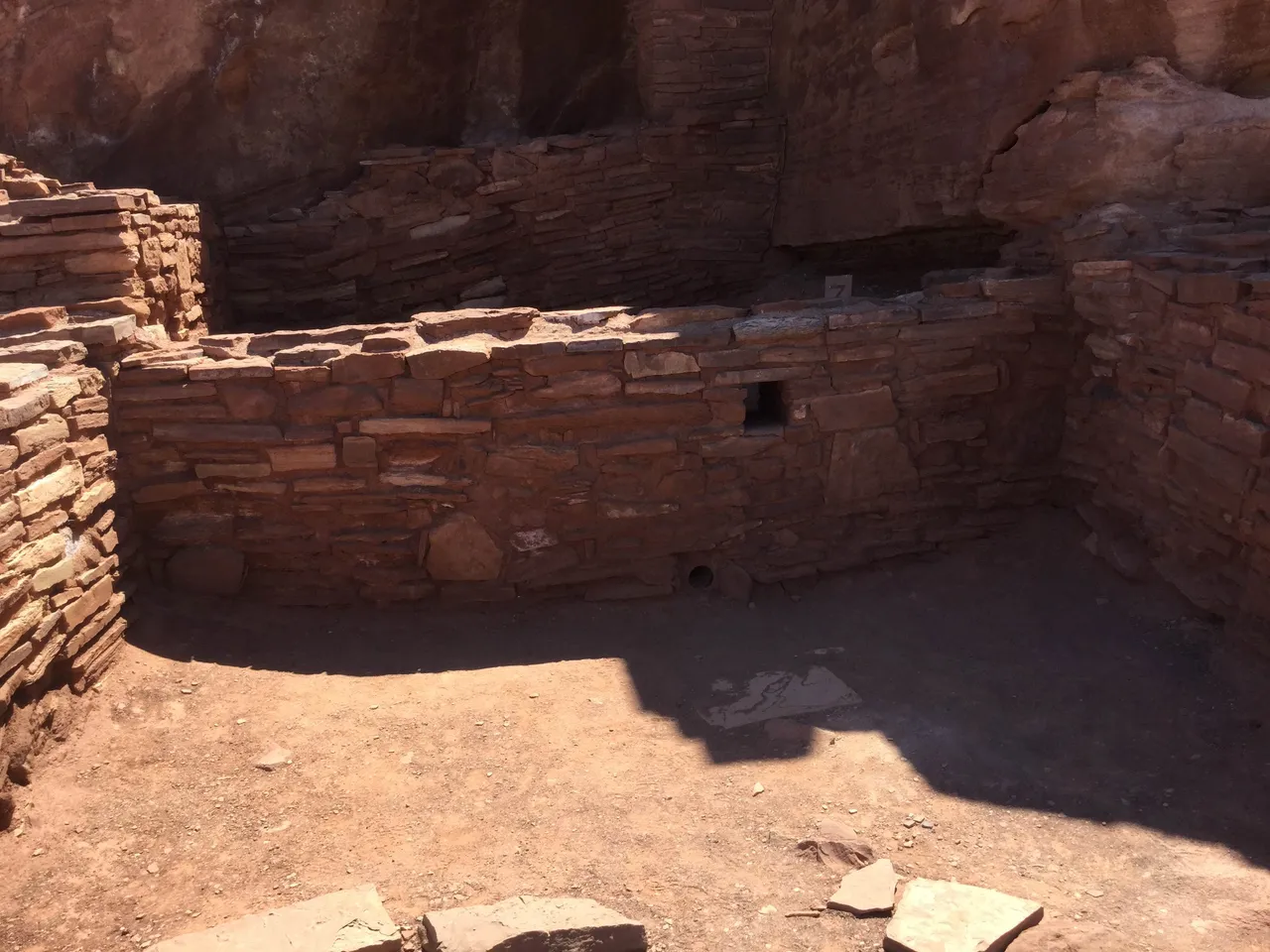
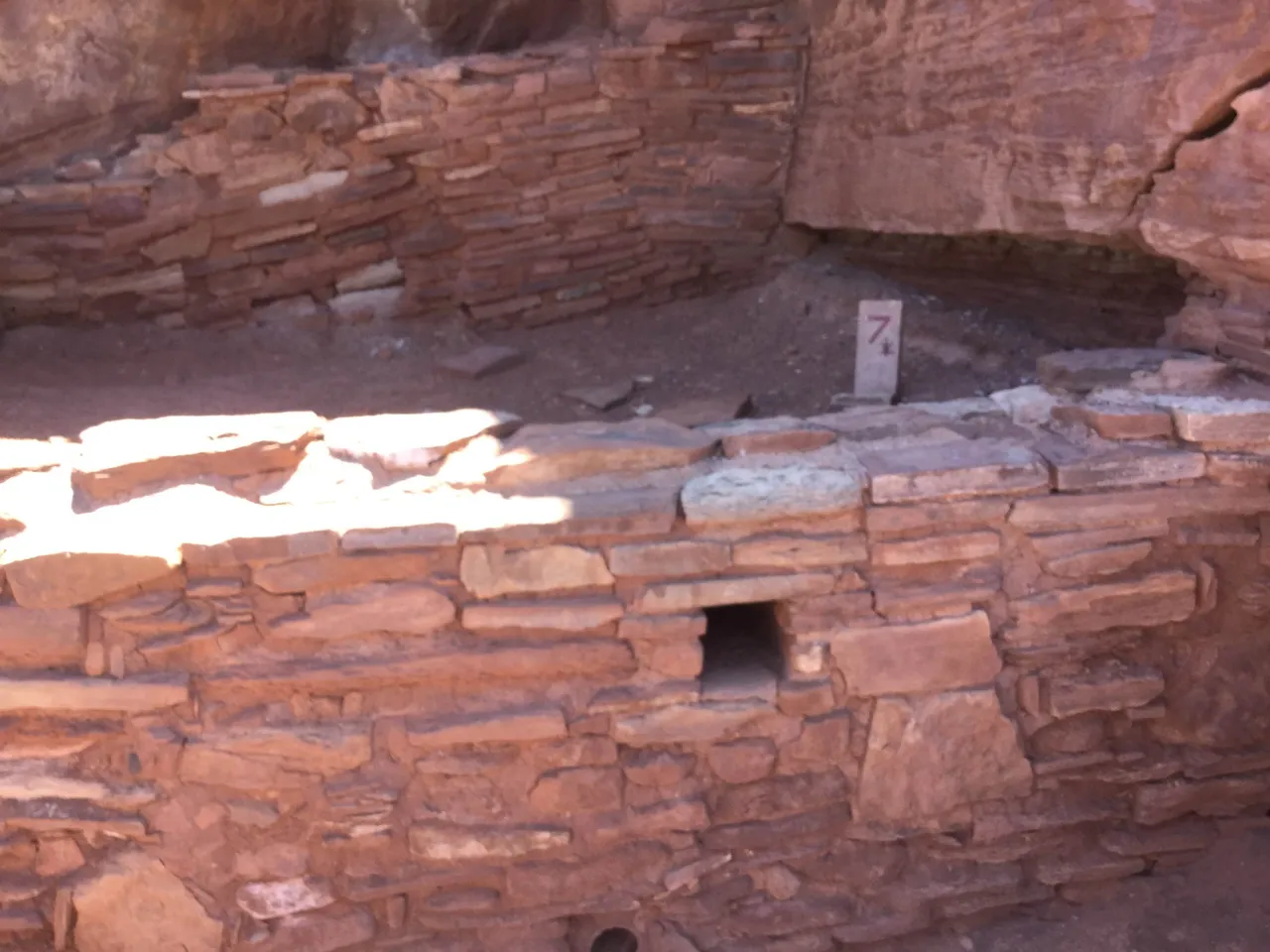
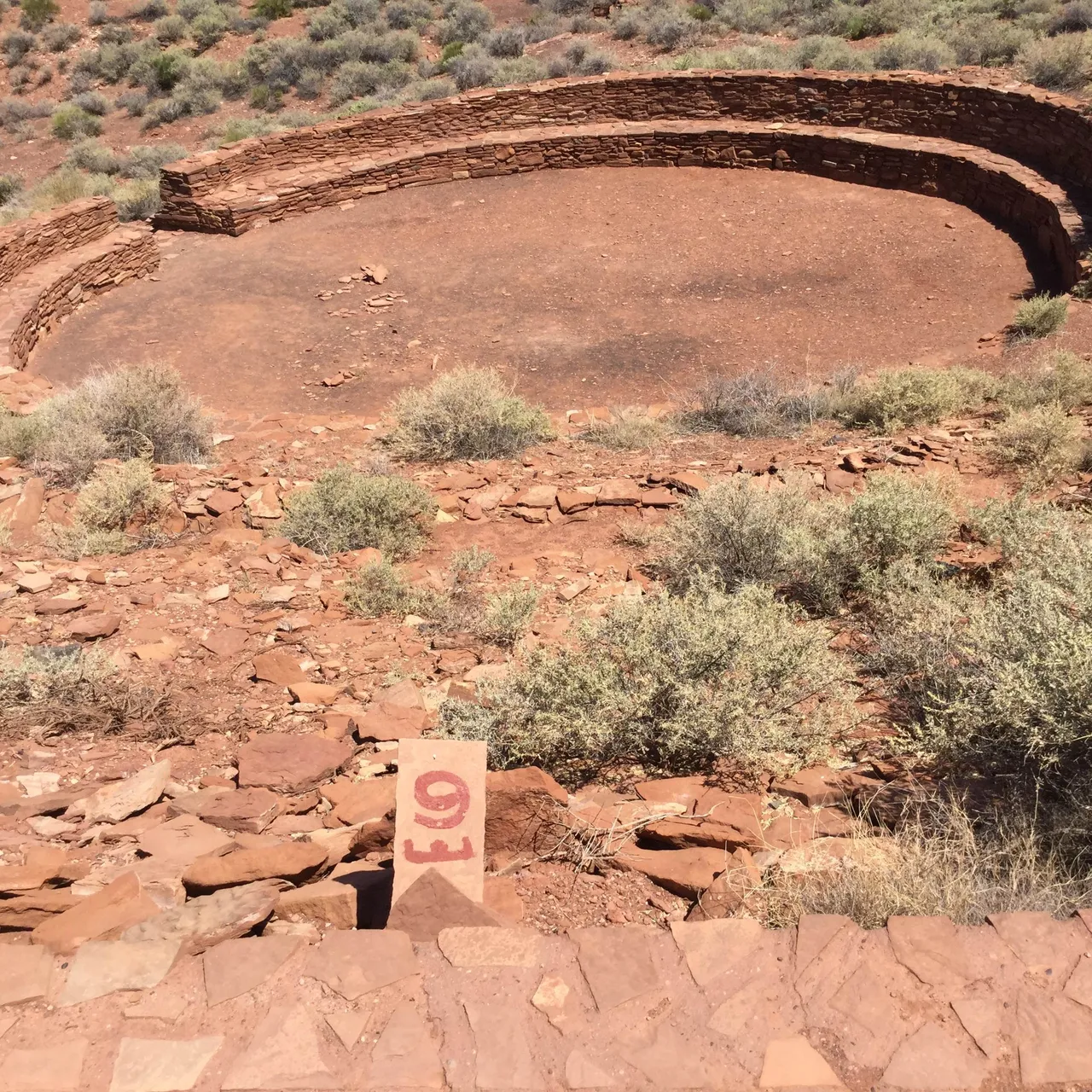
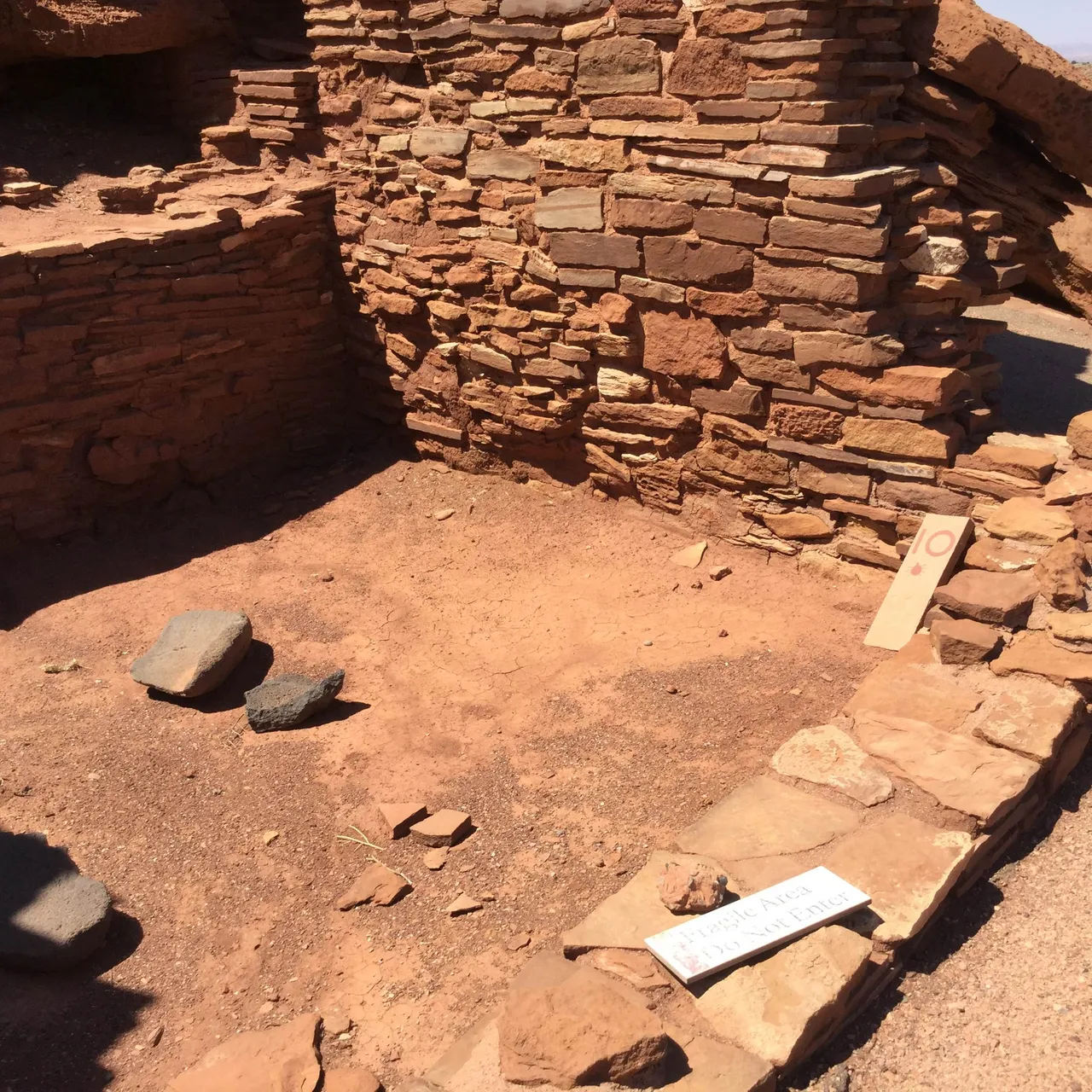
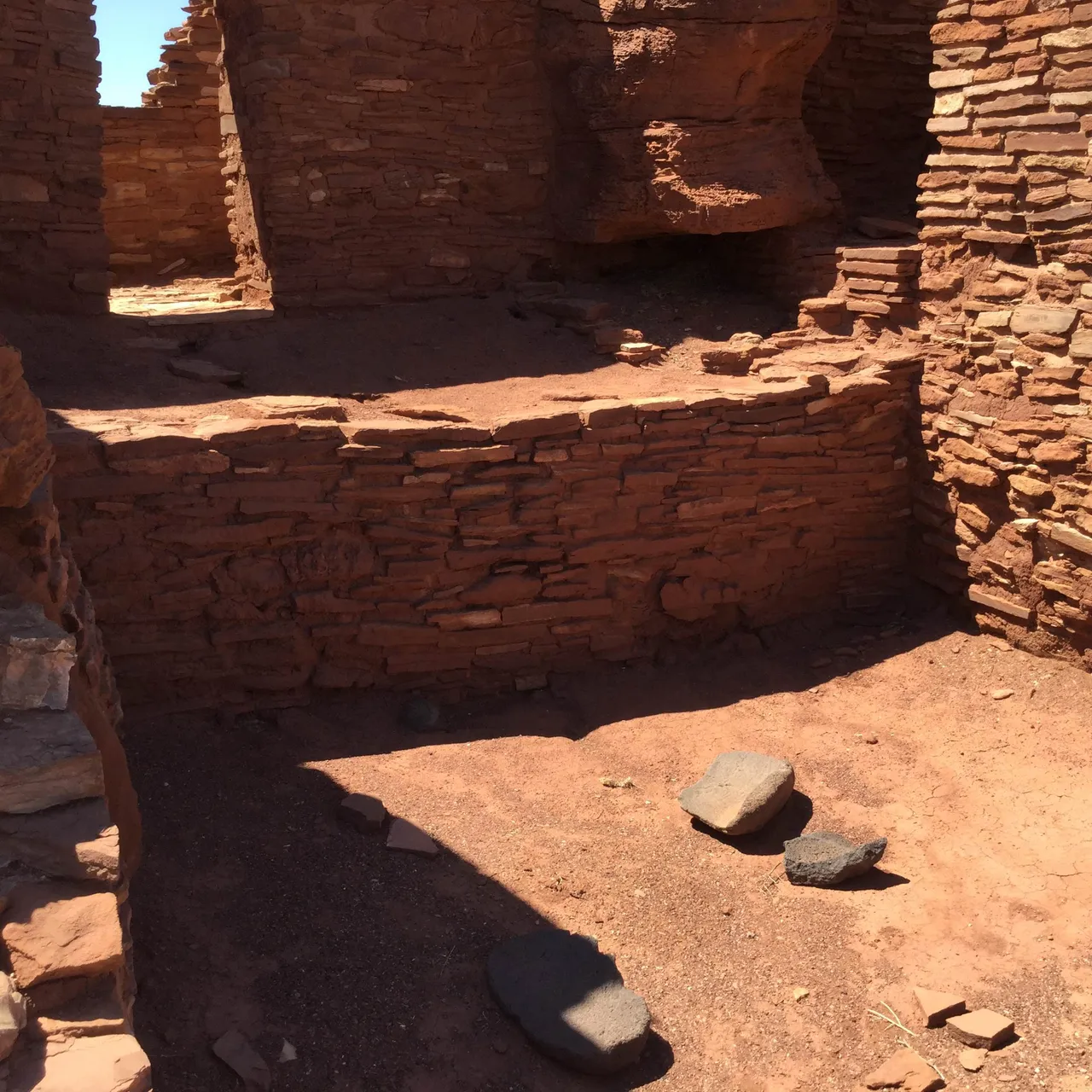
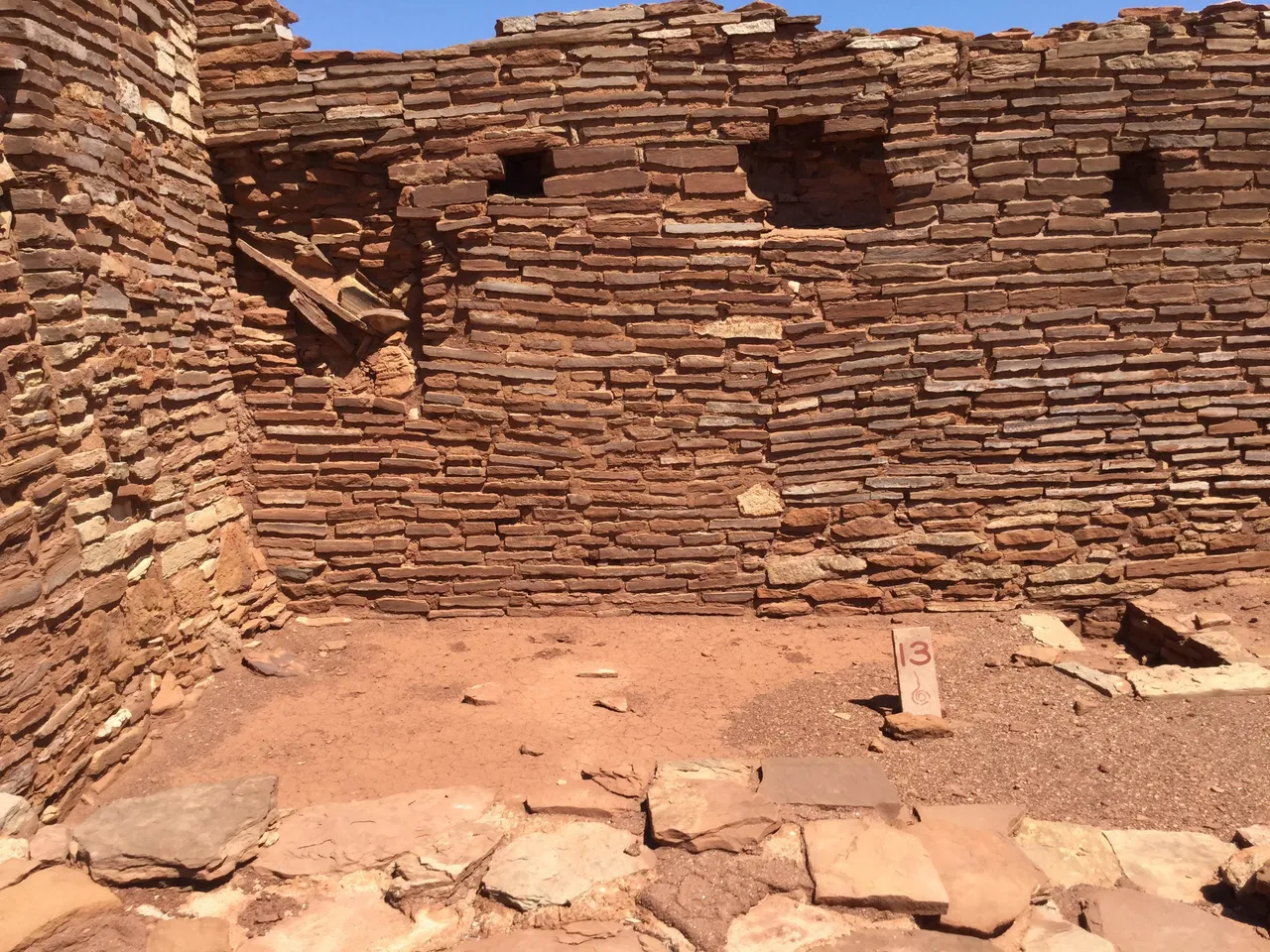
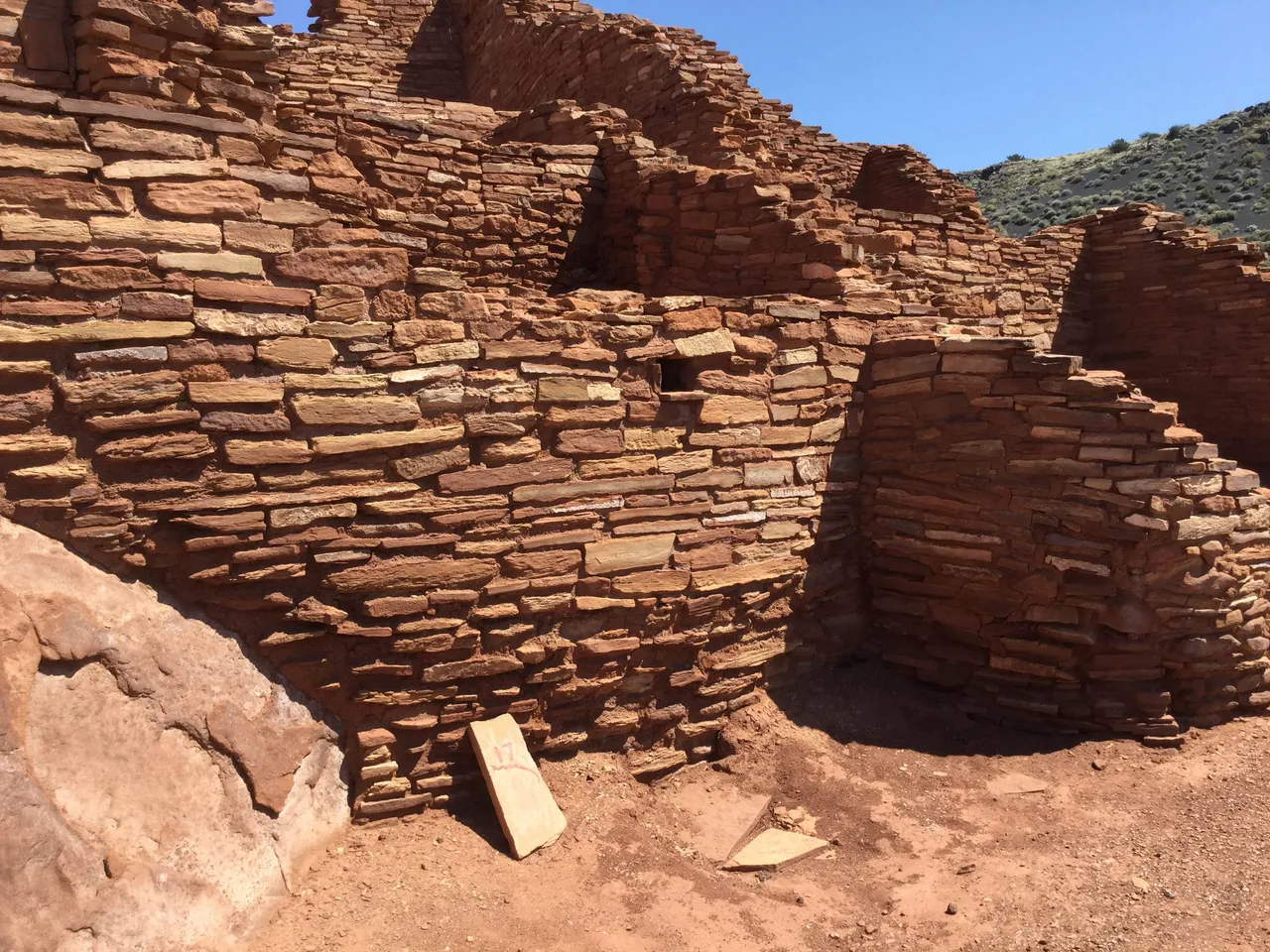
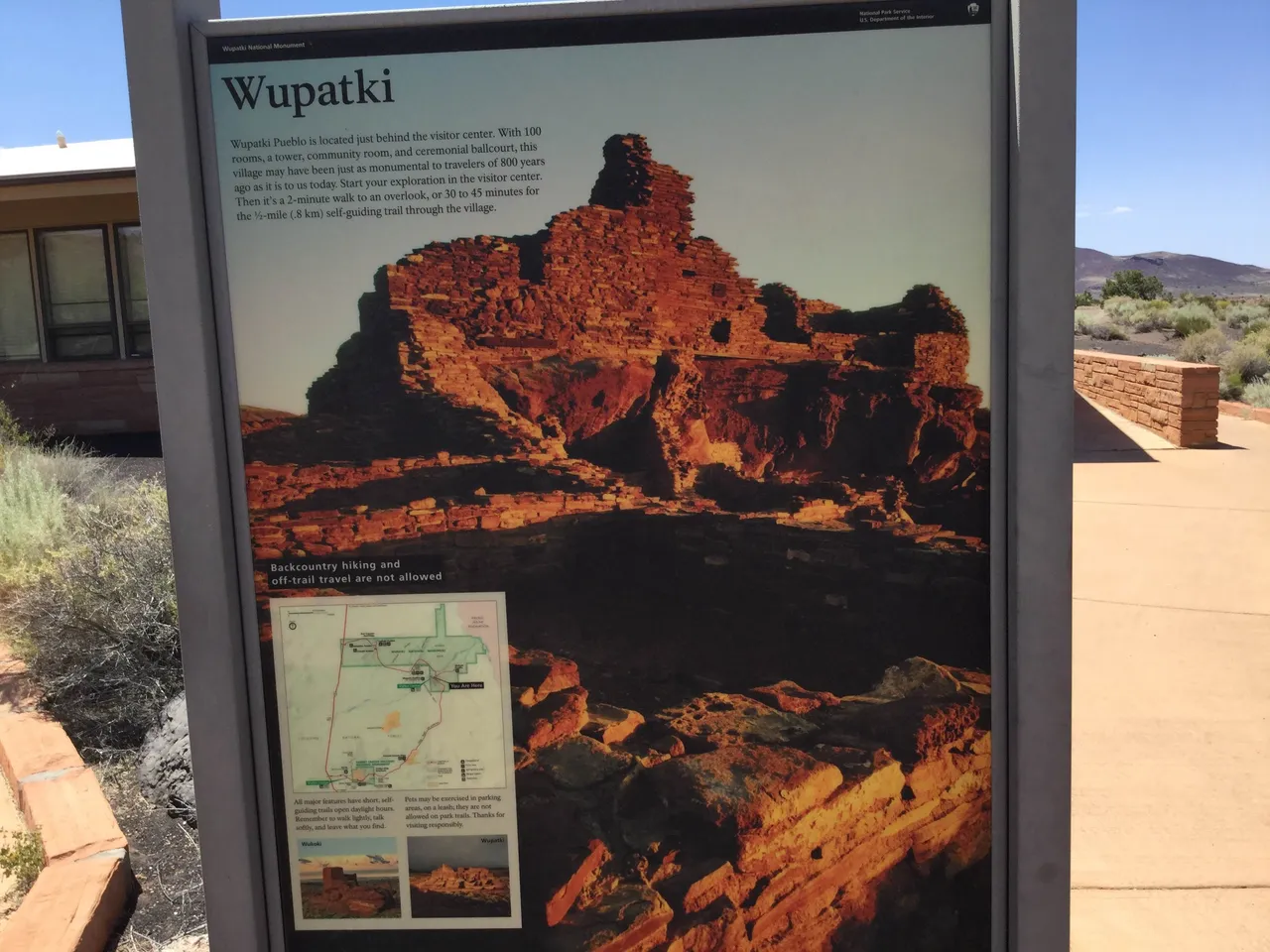
The Wupatki site is a free-standing multi-acre piece of land that has a homesite, recreation area and gathering place.
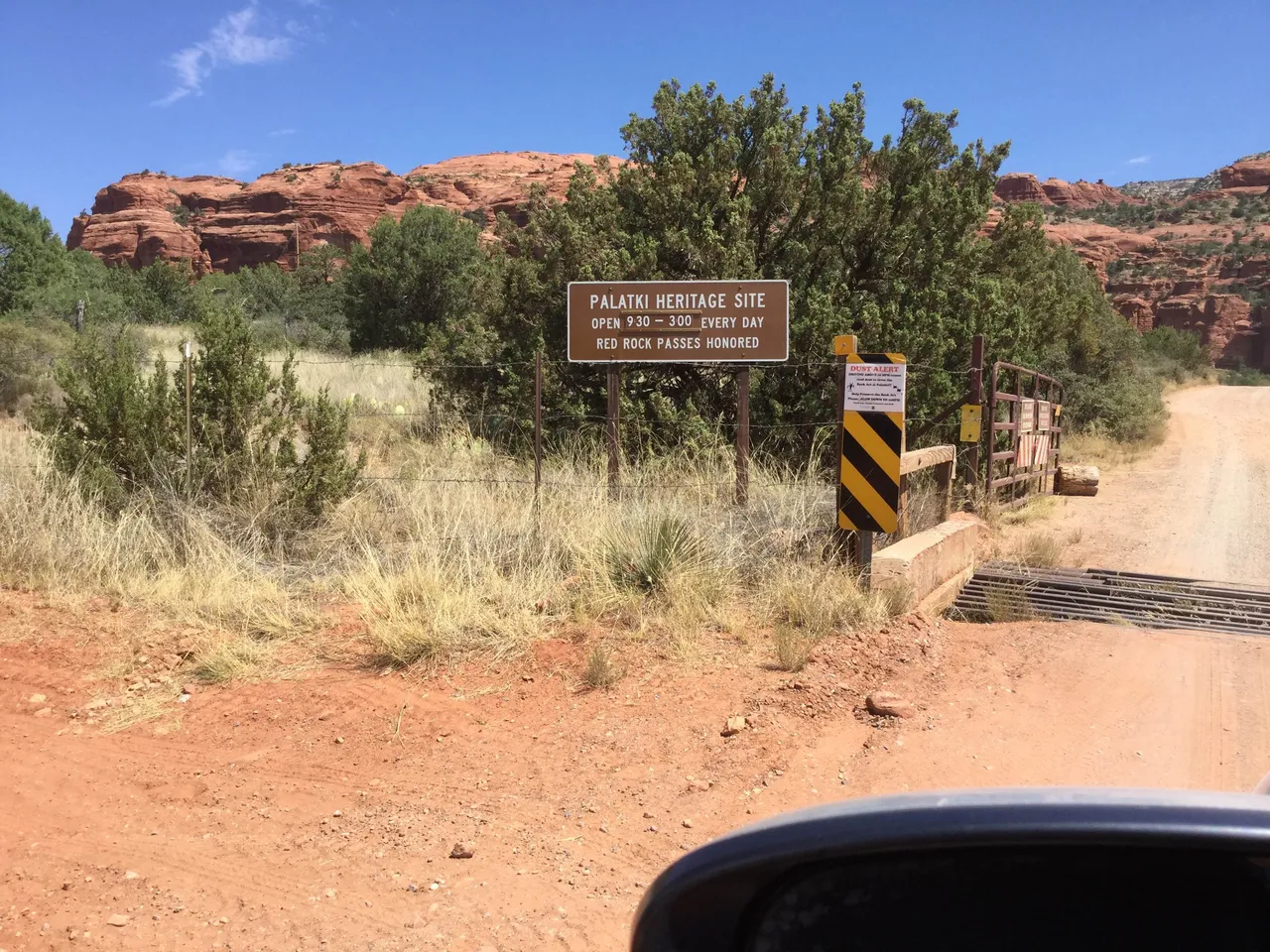
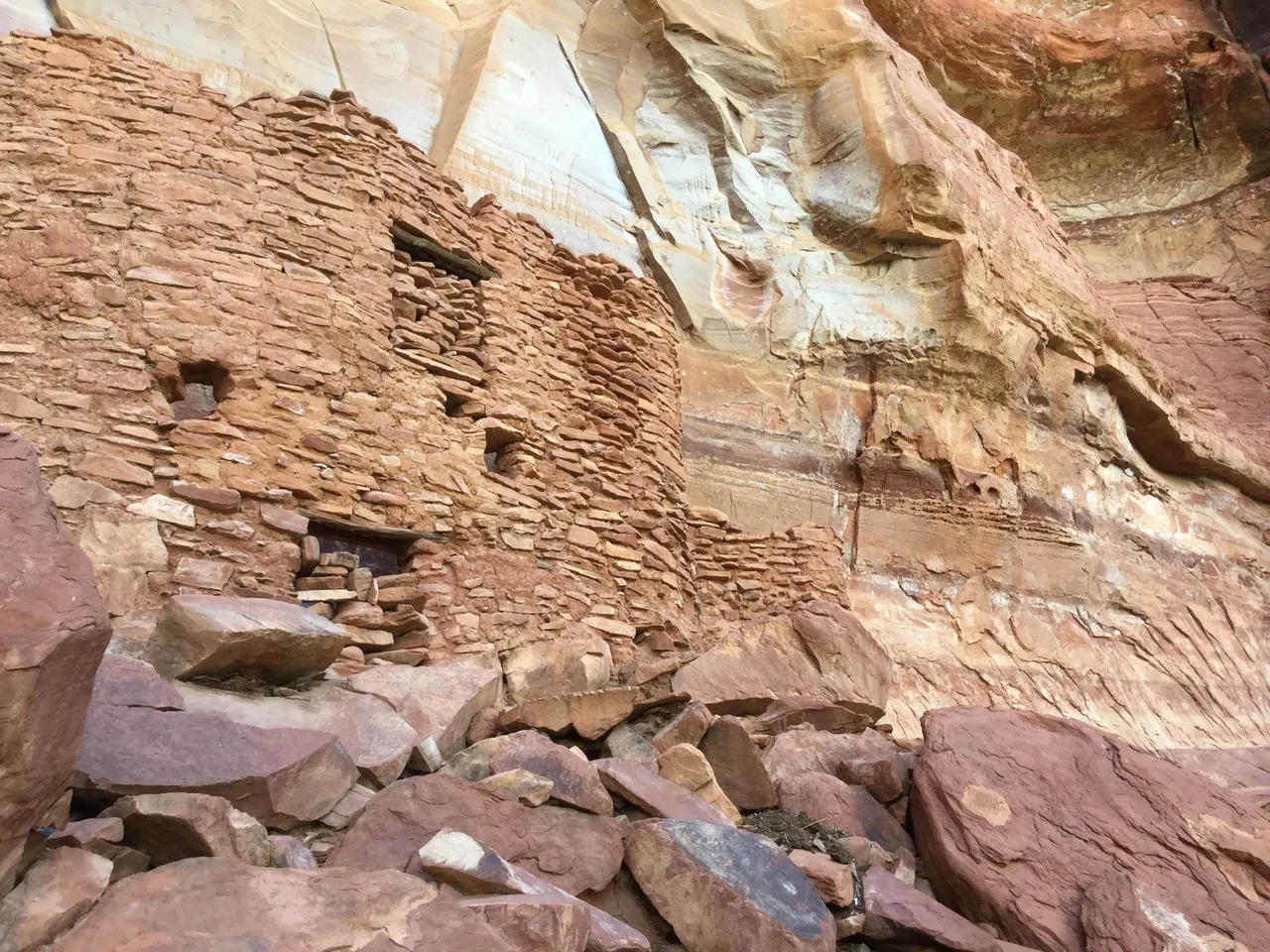
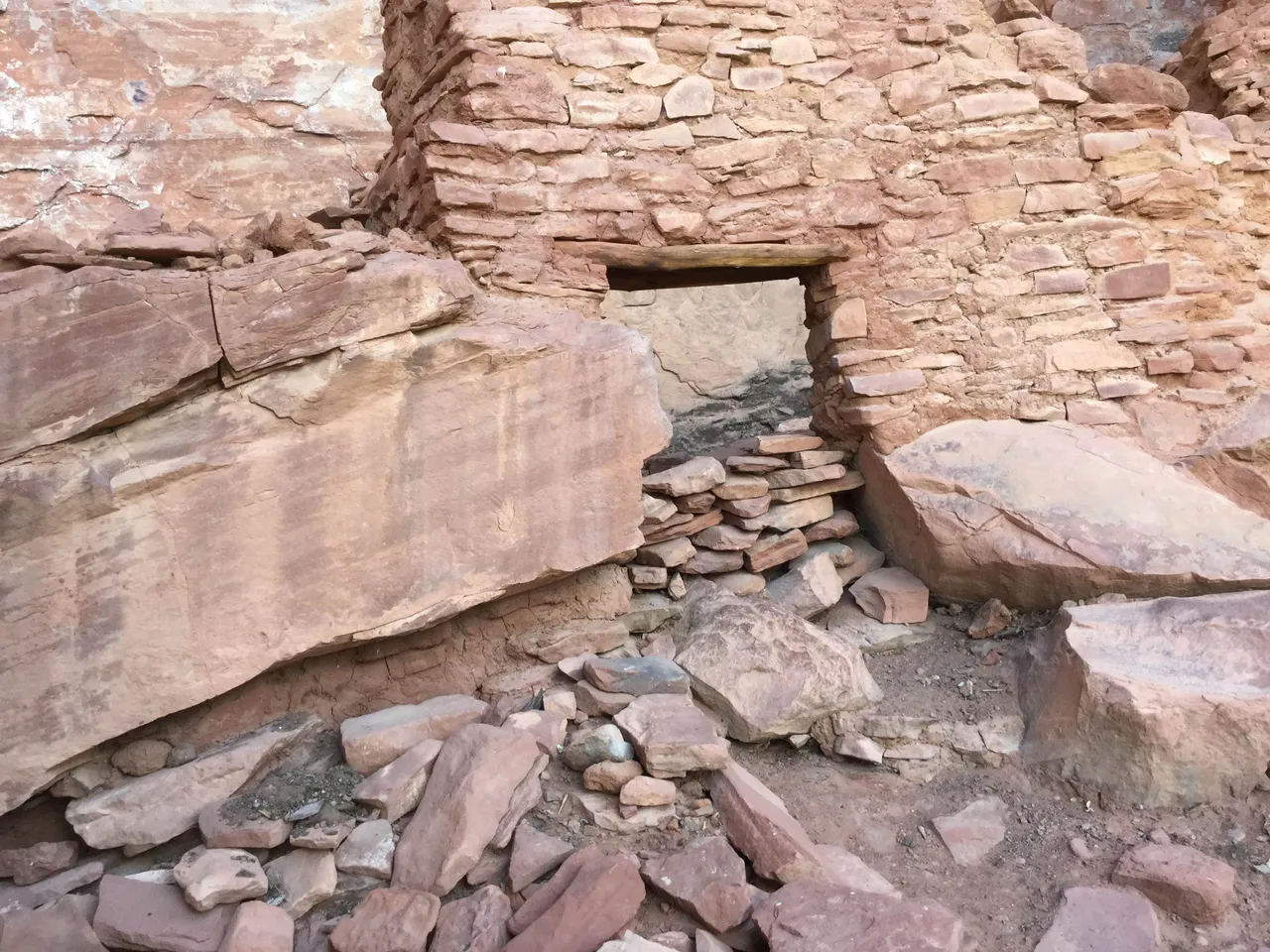
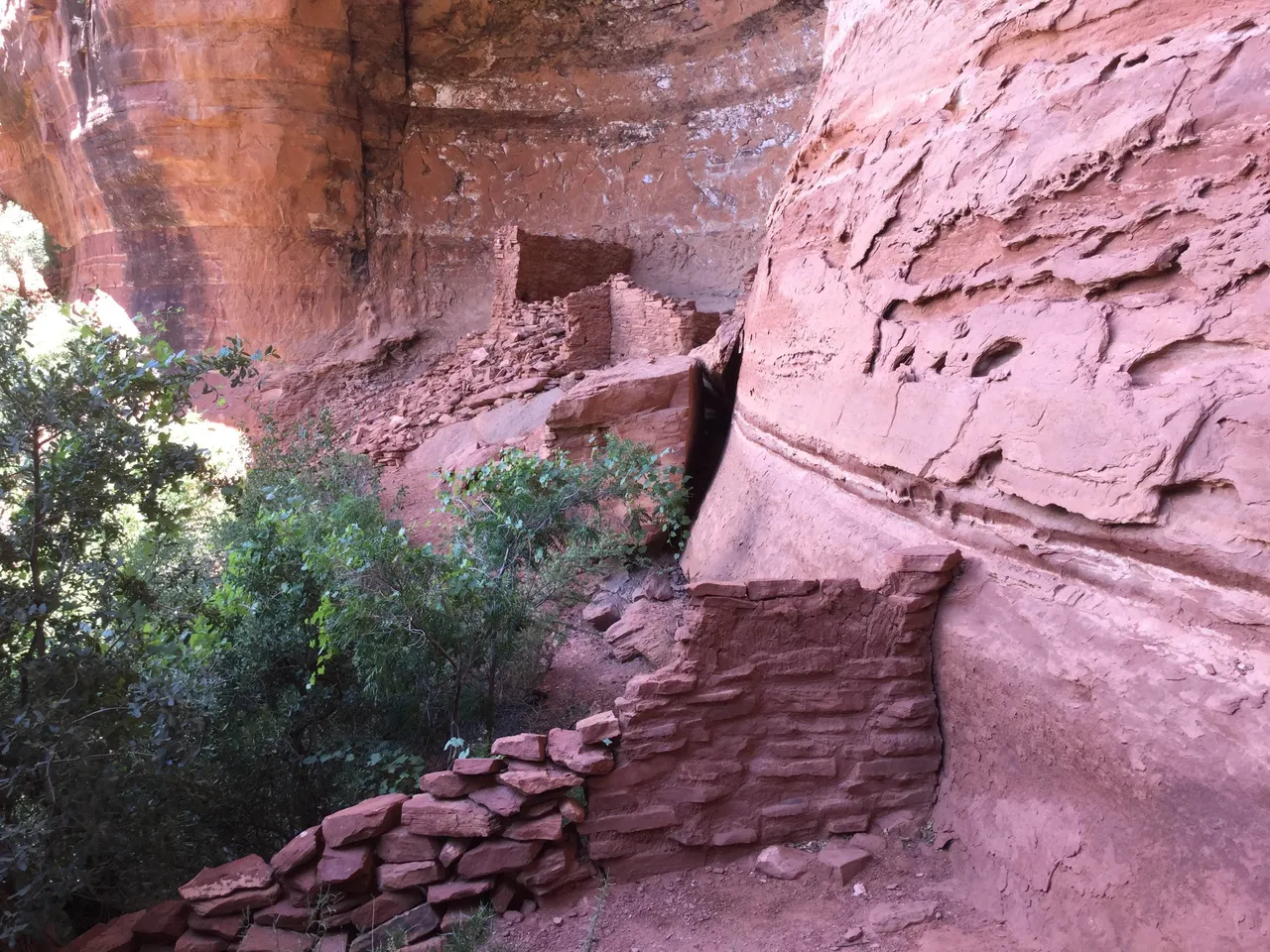
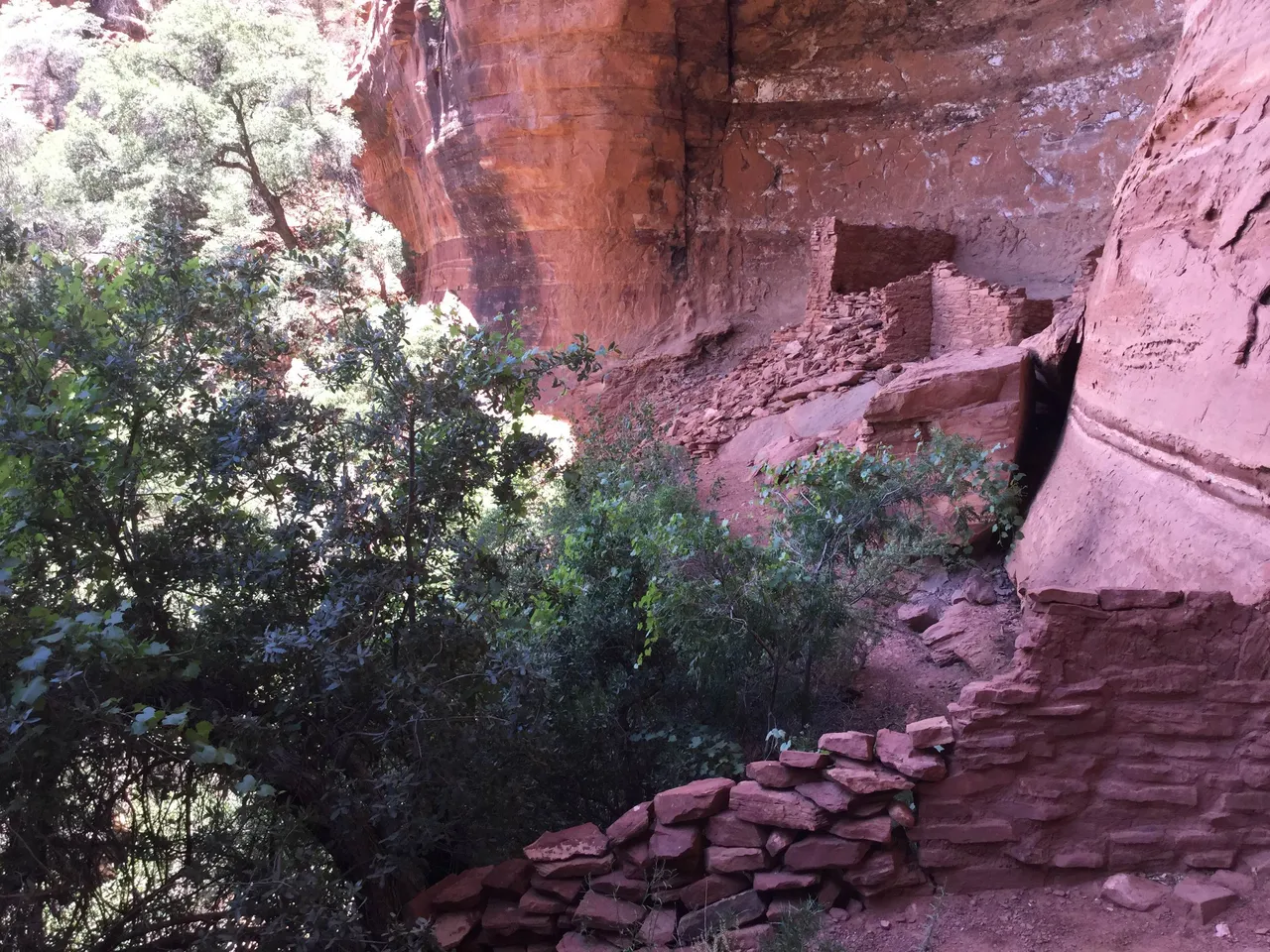
The Palatki site is an area made up of cave dwellings.
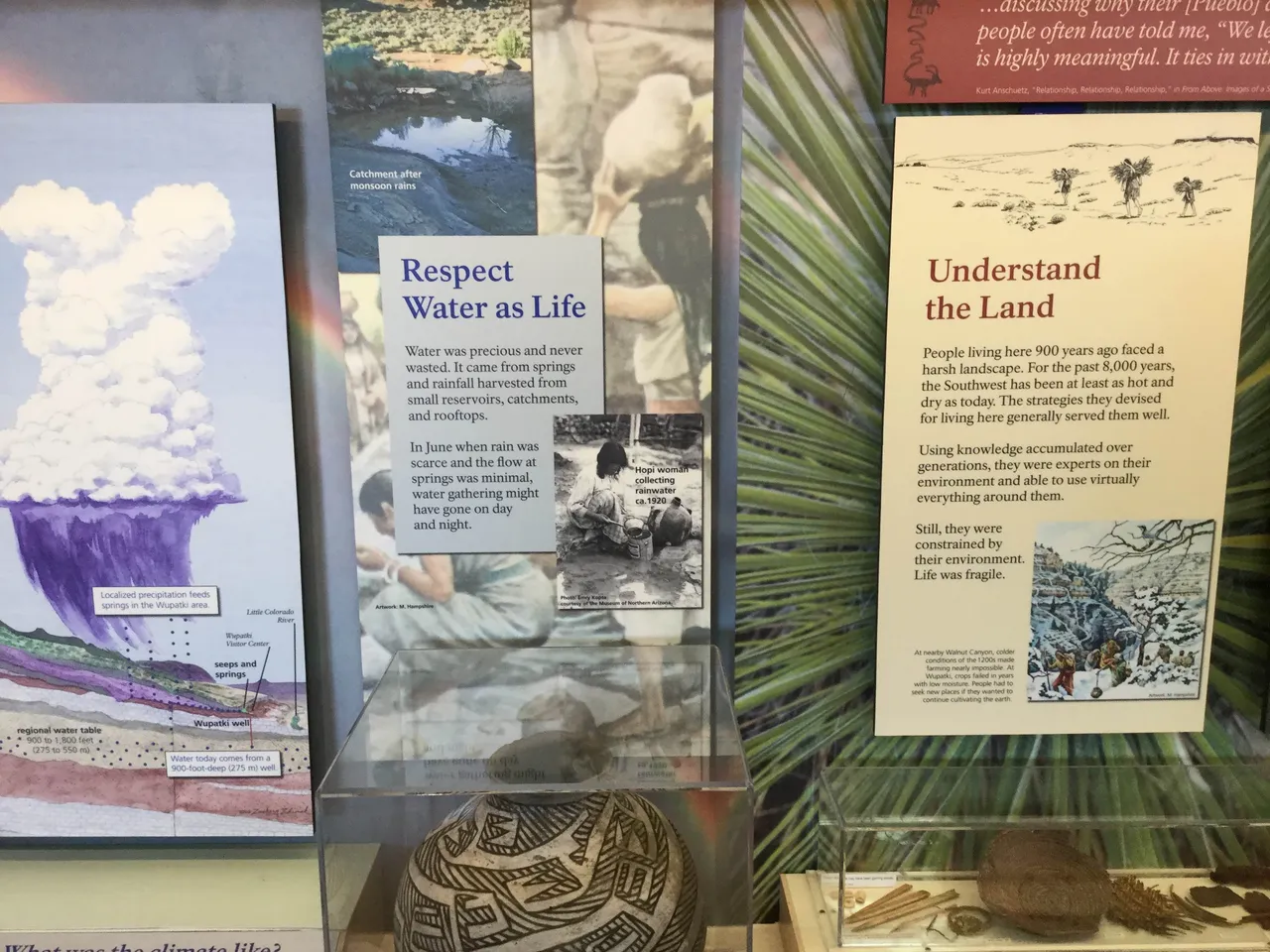
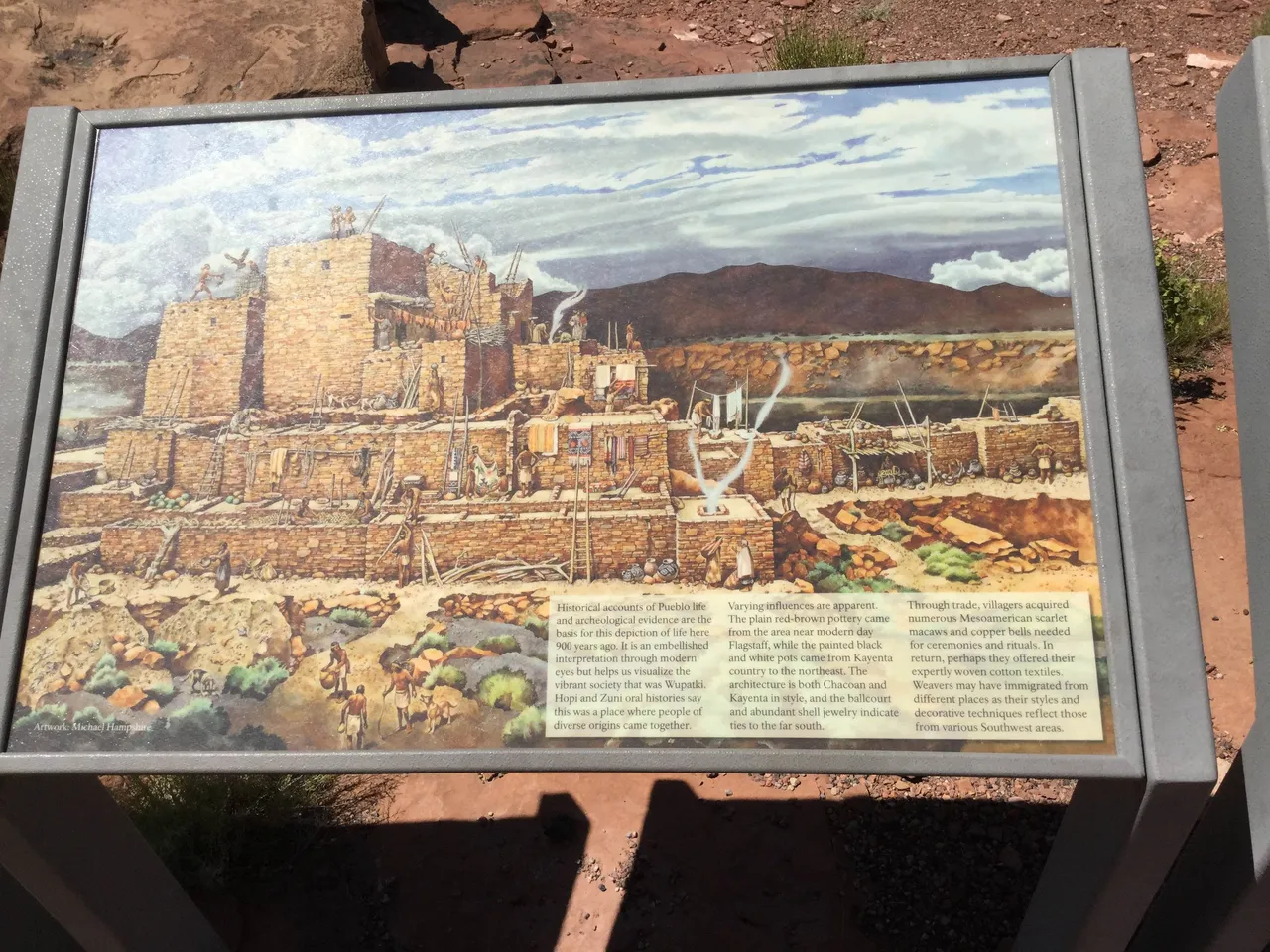
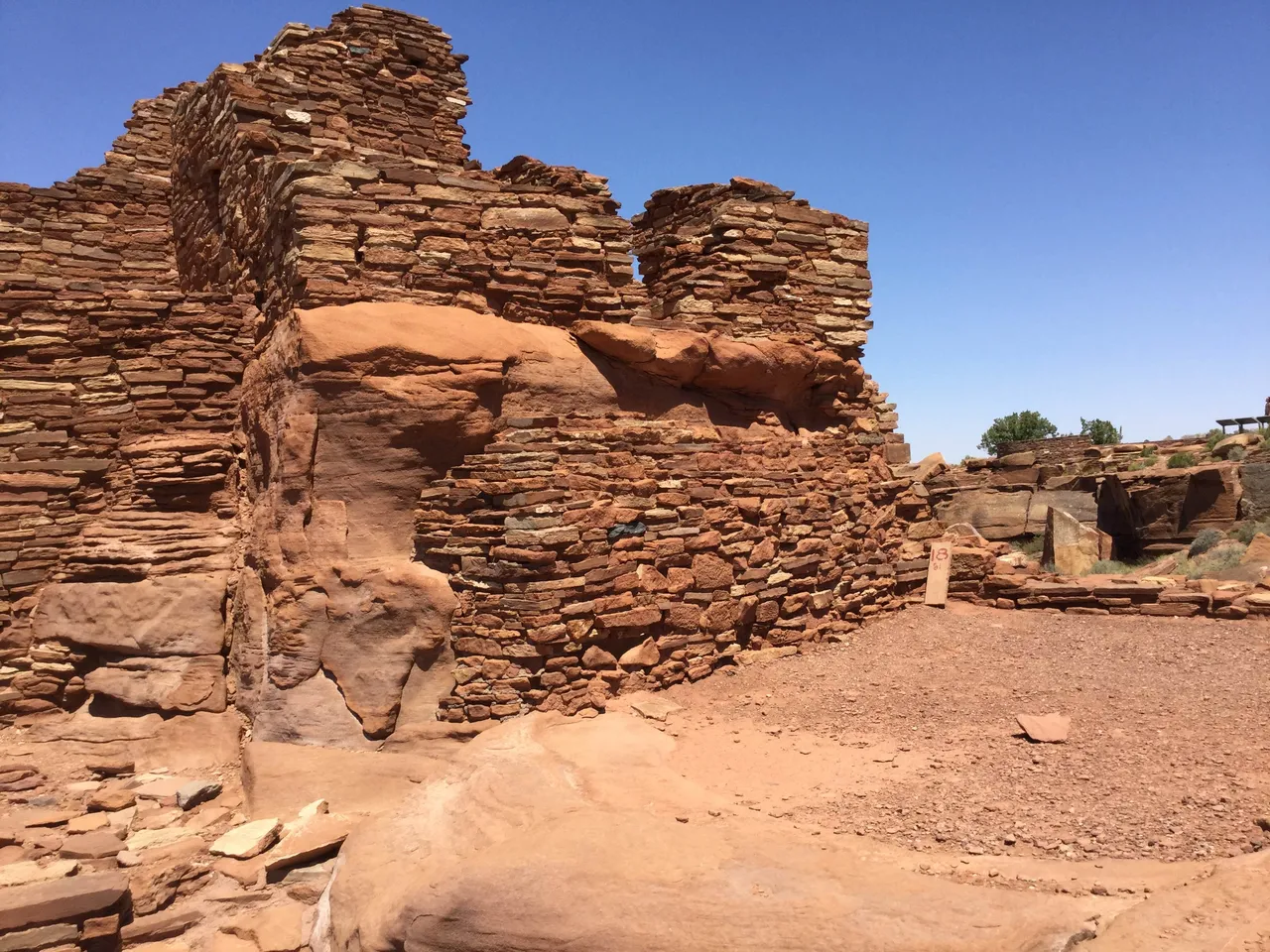
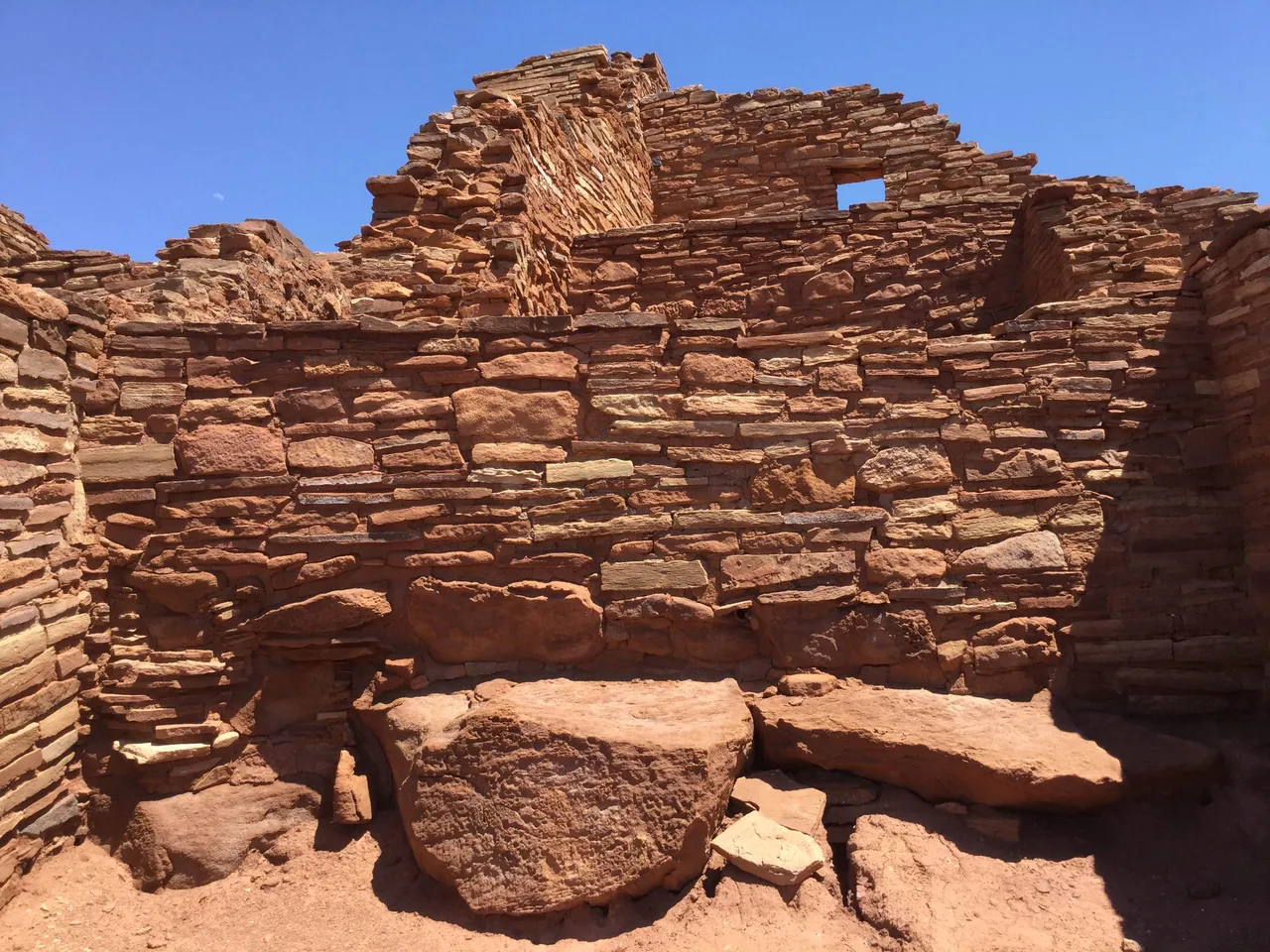
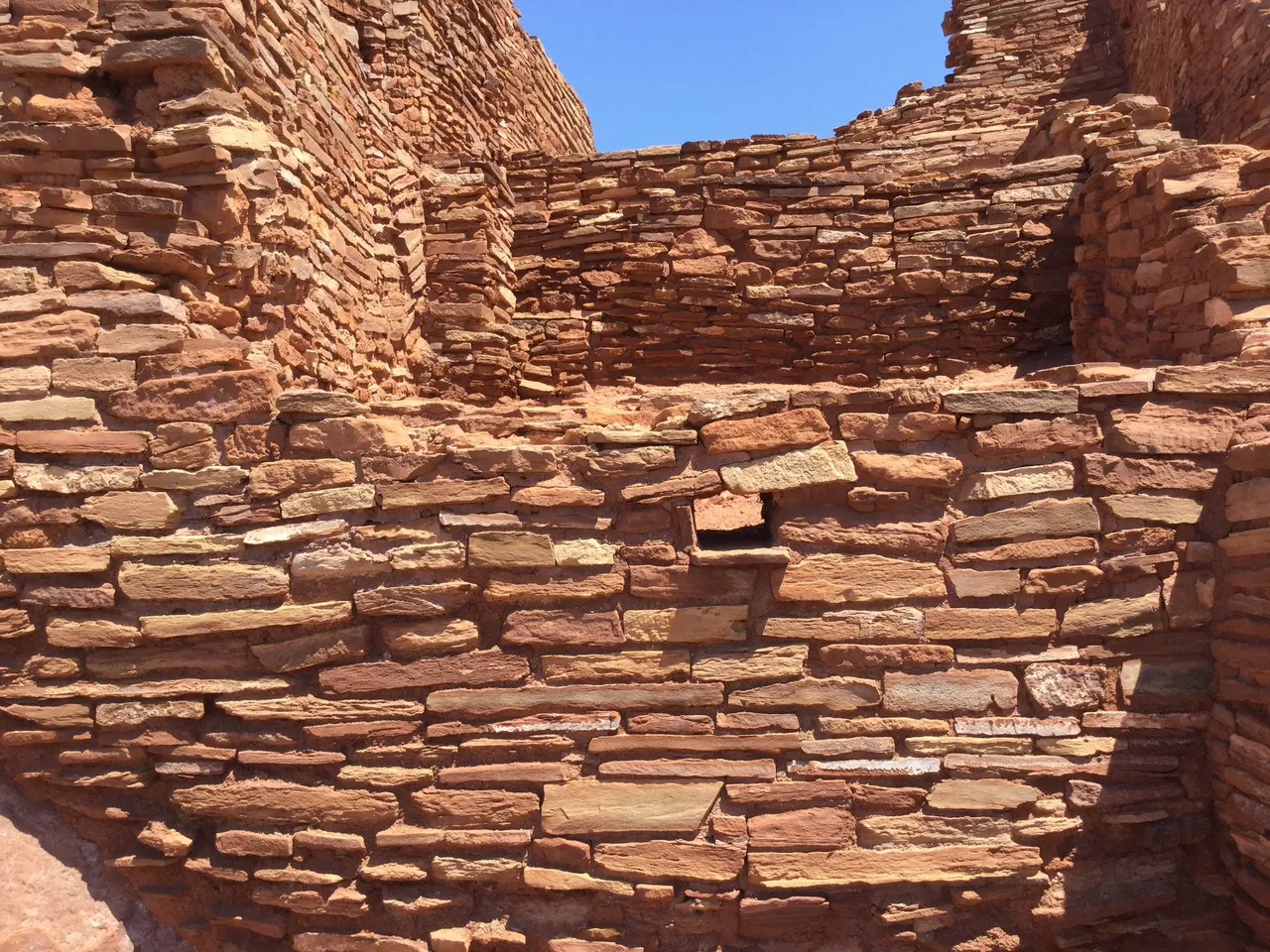
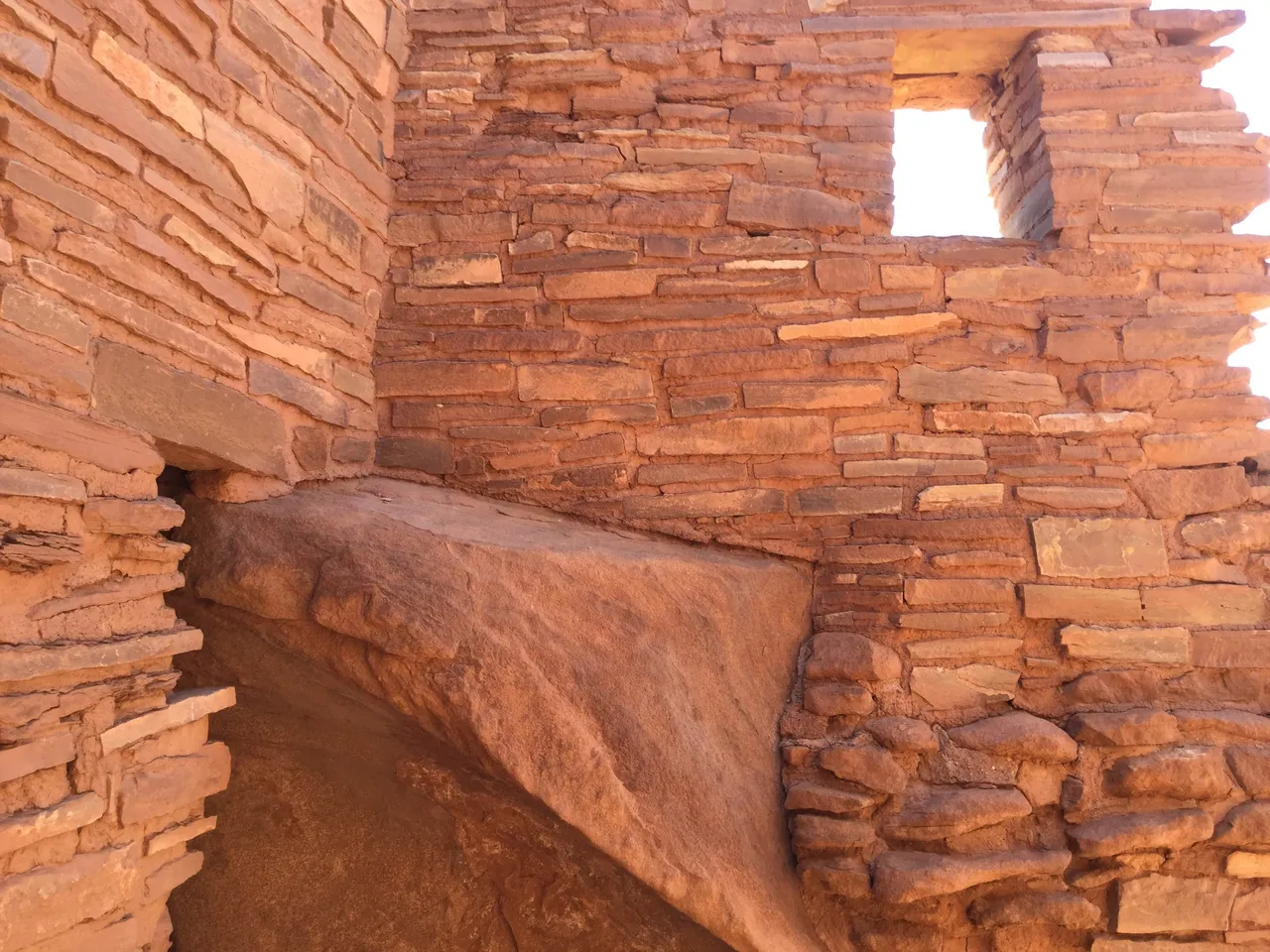
The Wupatki site is fascinating to me because of the architectural design at a time when there weren't architects per say. This site was once a four story structure that had over 100 rooms that included bedrooms, living spaces, eating areas, and gathering places. What makes this so incredible is that it was built in a state with searing heat and freezing temperatures that had to be faced everyday. These structures had no central heat and air yet the rooms were designed to handle extreme temperatures on both ends of the spectrum. It was also designed for protection too as the walls and rooms were designed to aid the occupants in case of attacks. My guess is you had to be pretty smart to construct something to withstand extreme temps and help protect you too. The other parts to the ruins were basic but soundly designed as meeting spaces and for recreation purposes.
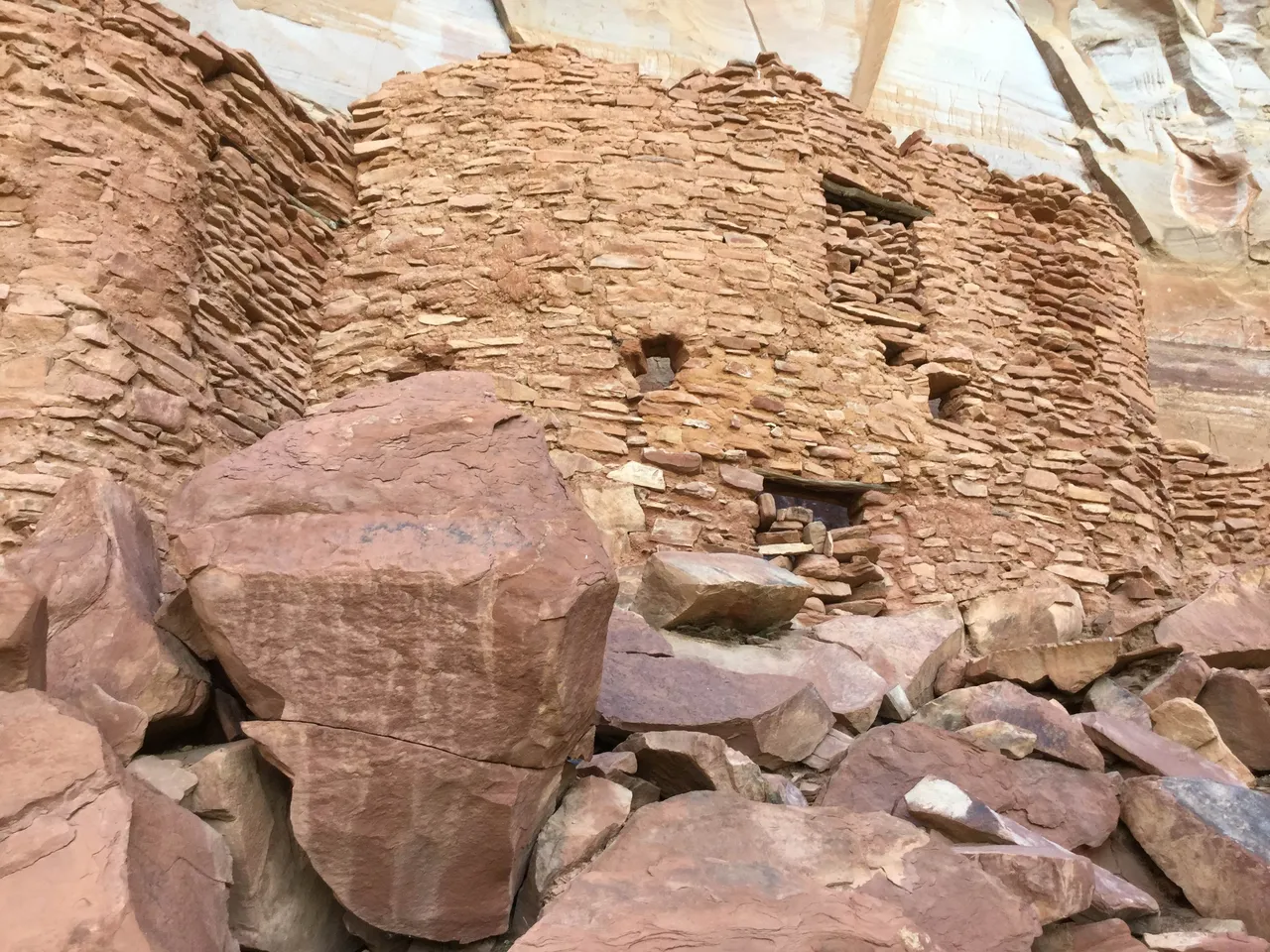
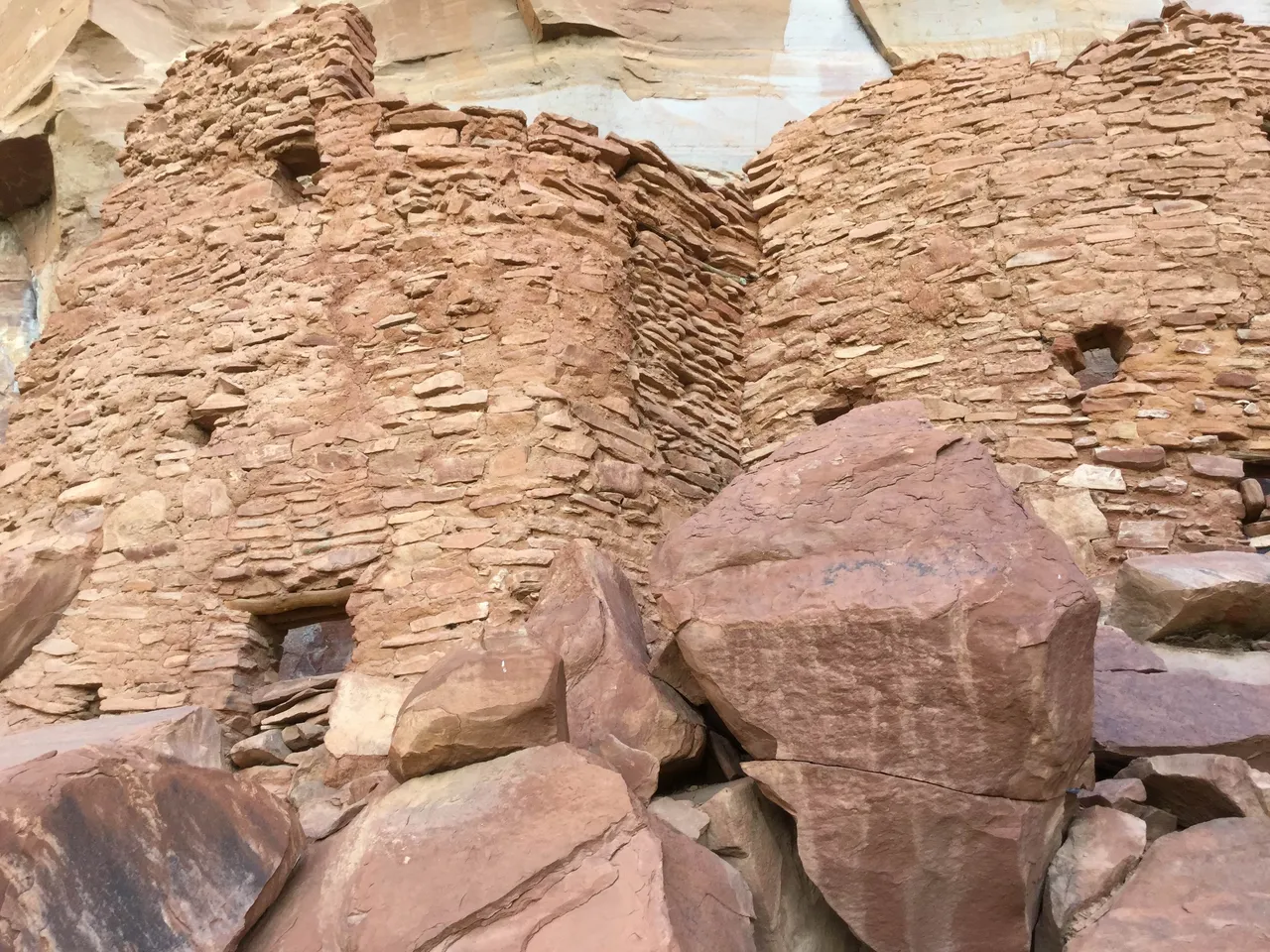
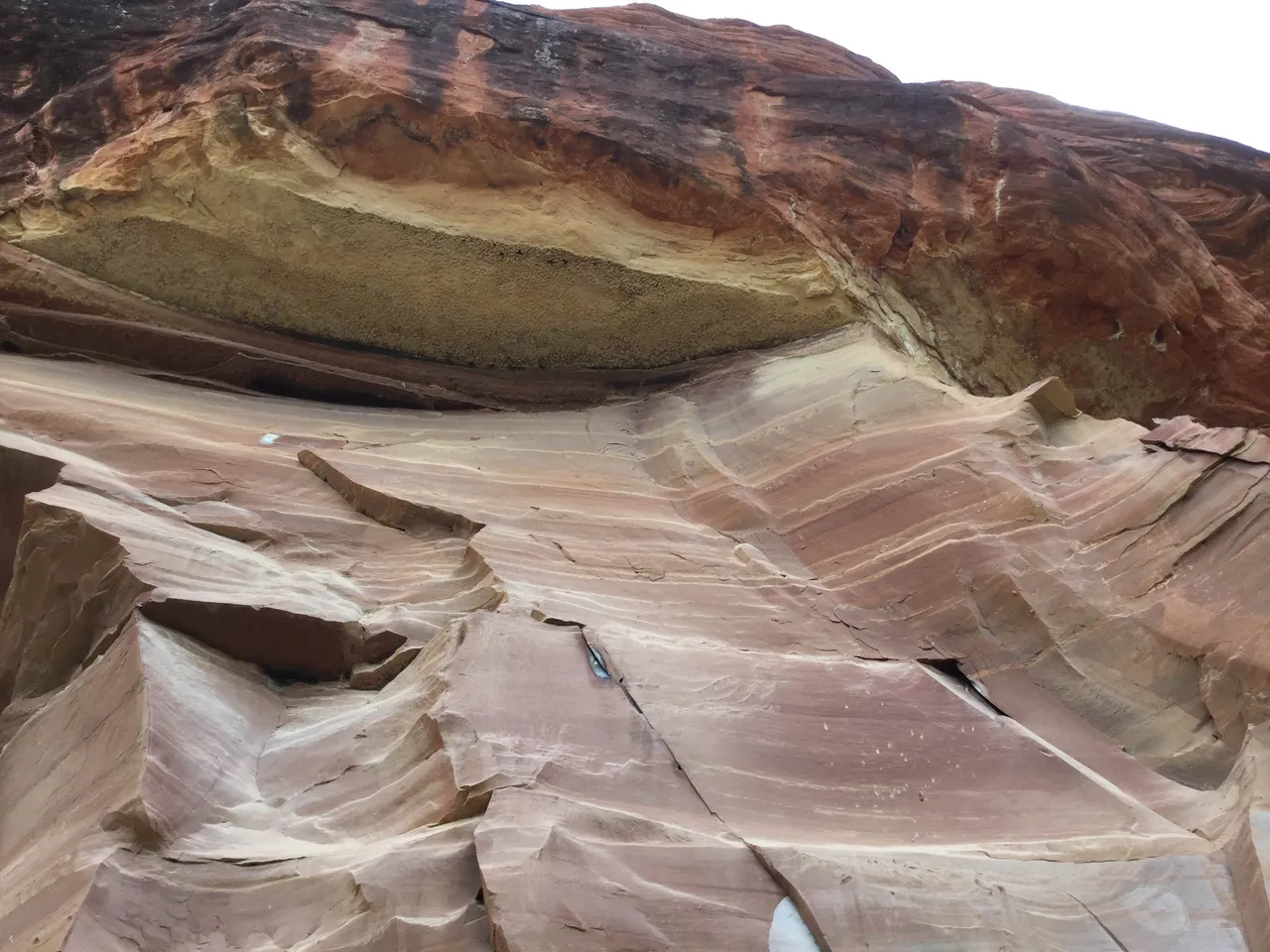
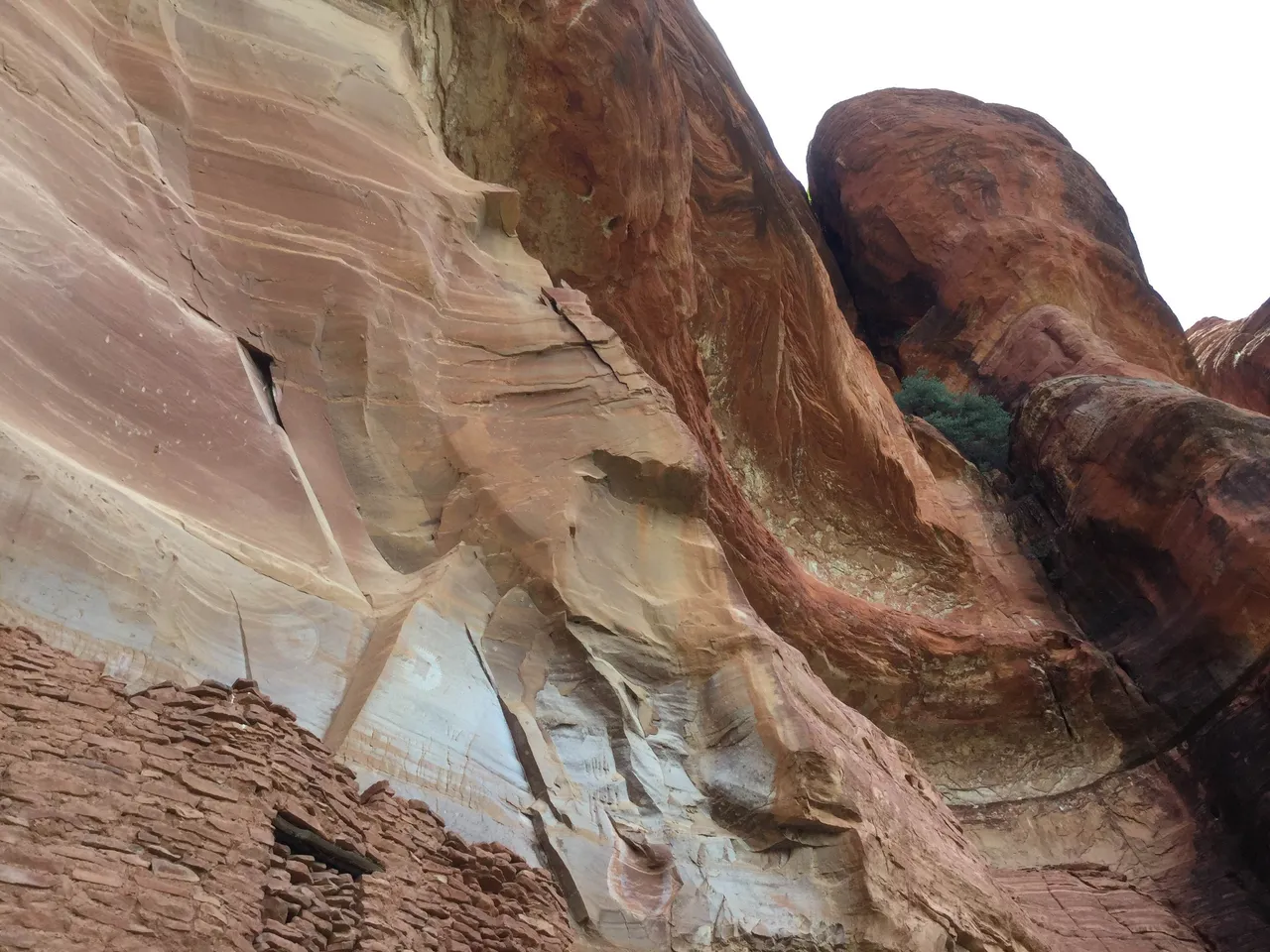
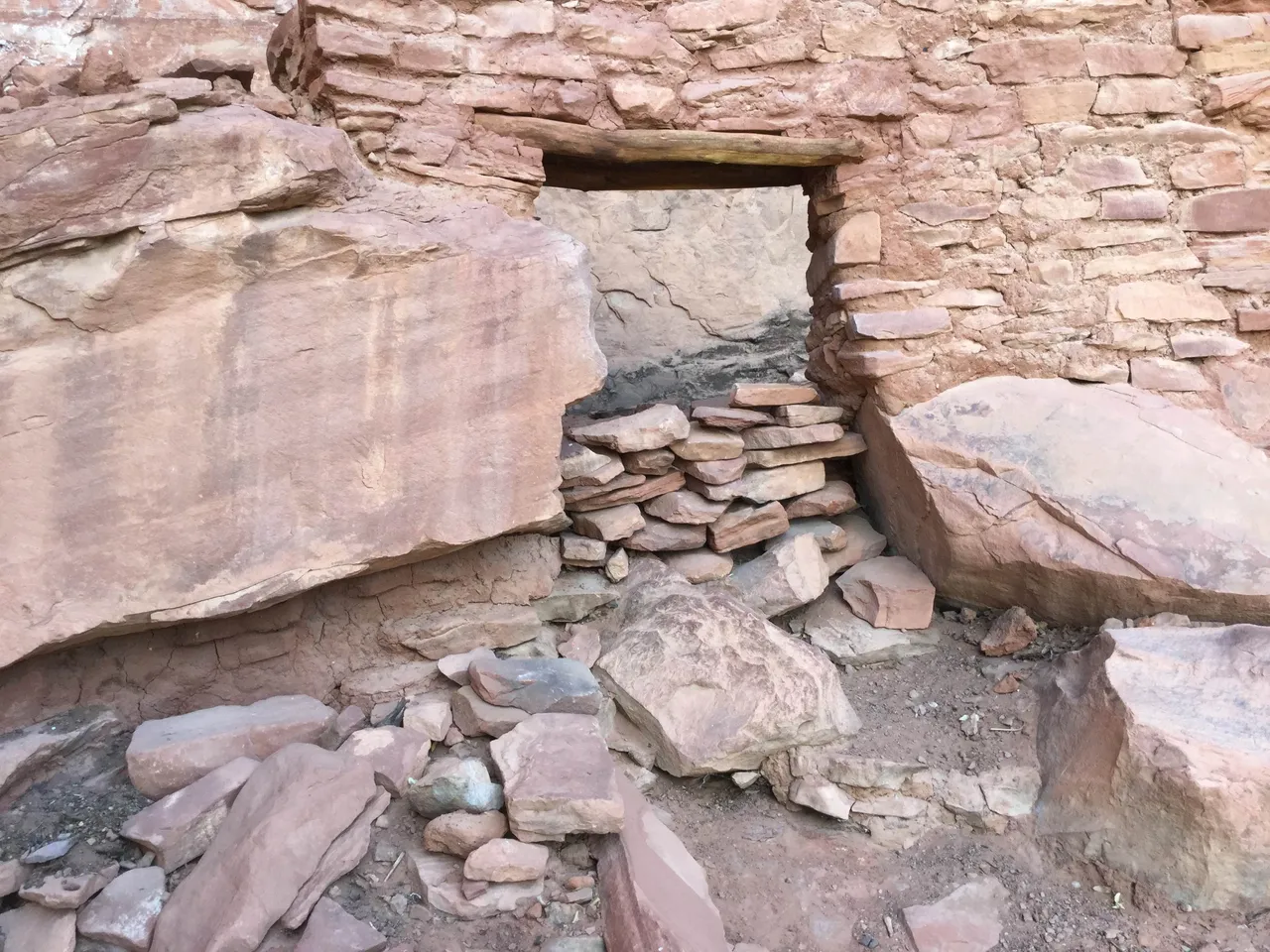
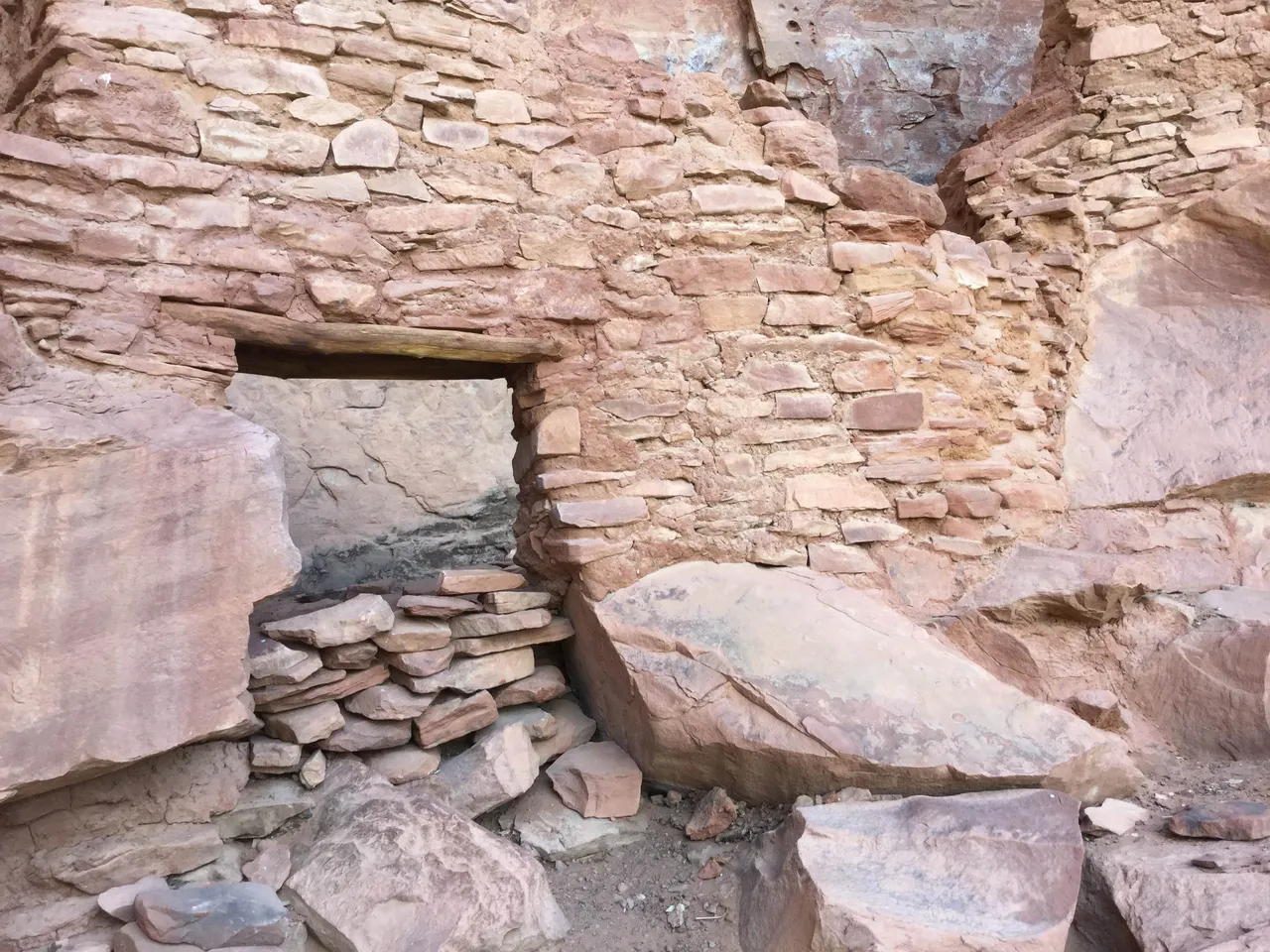
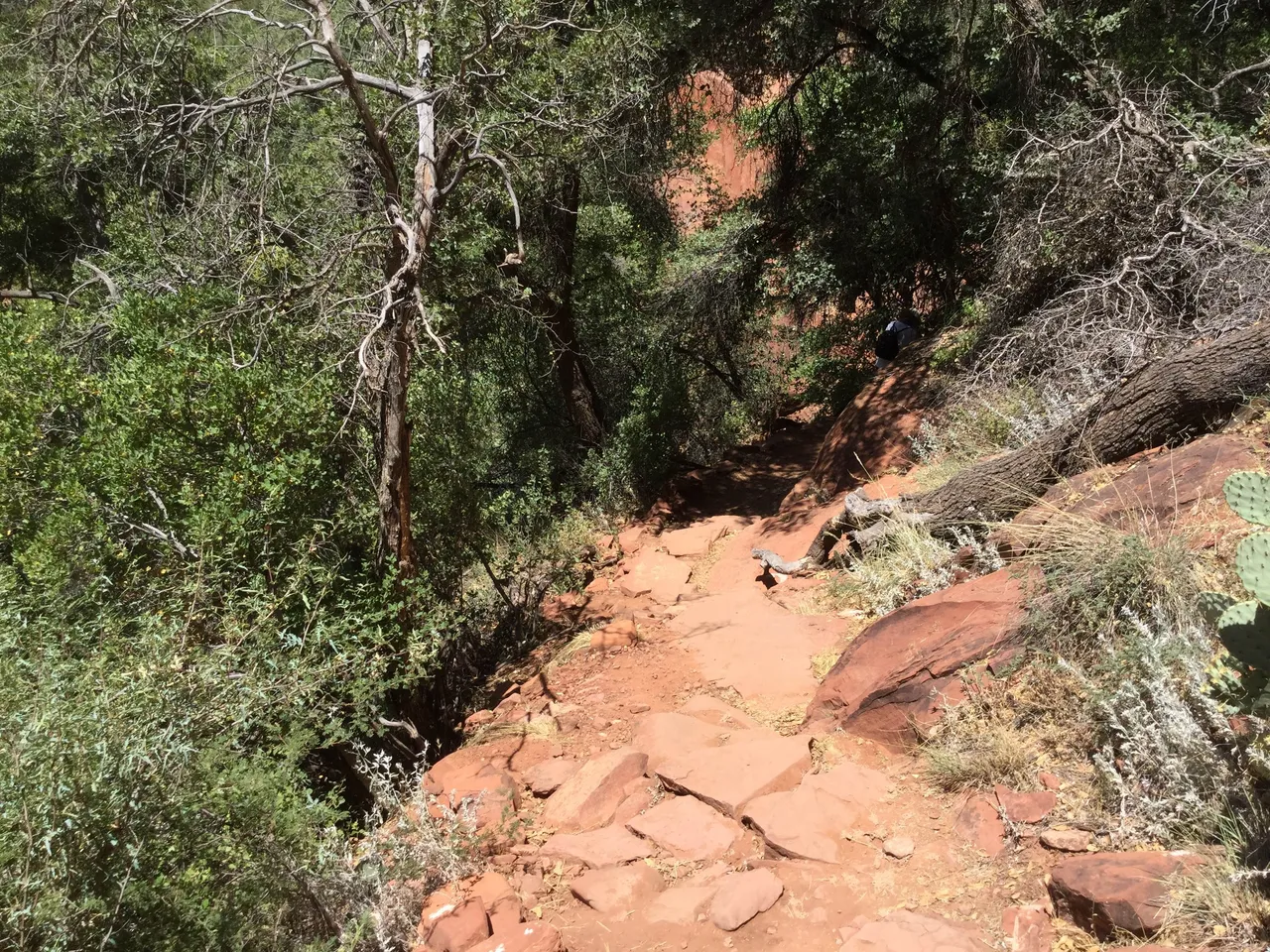
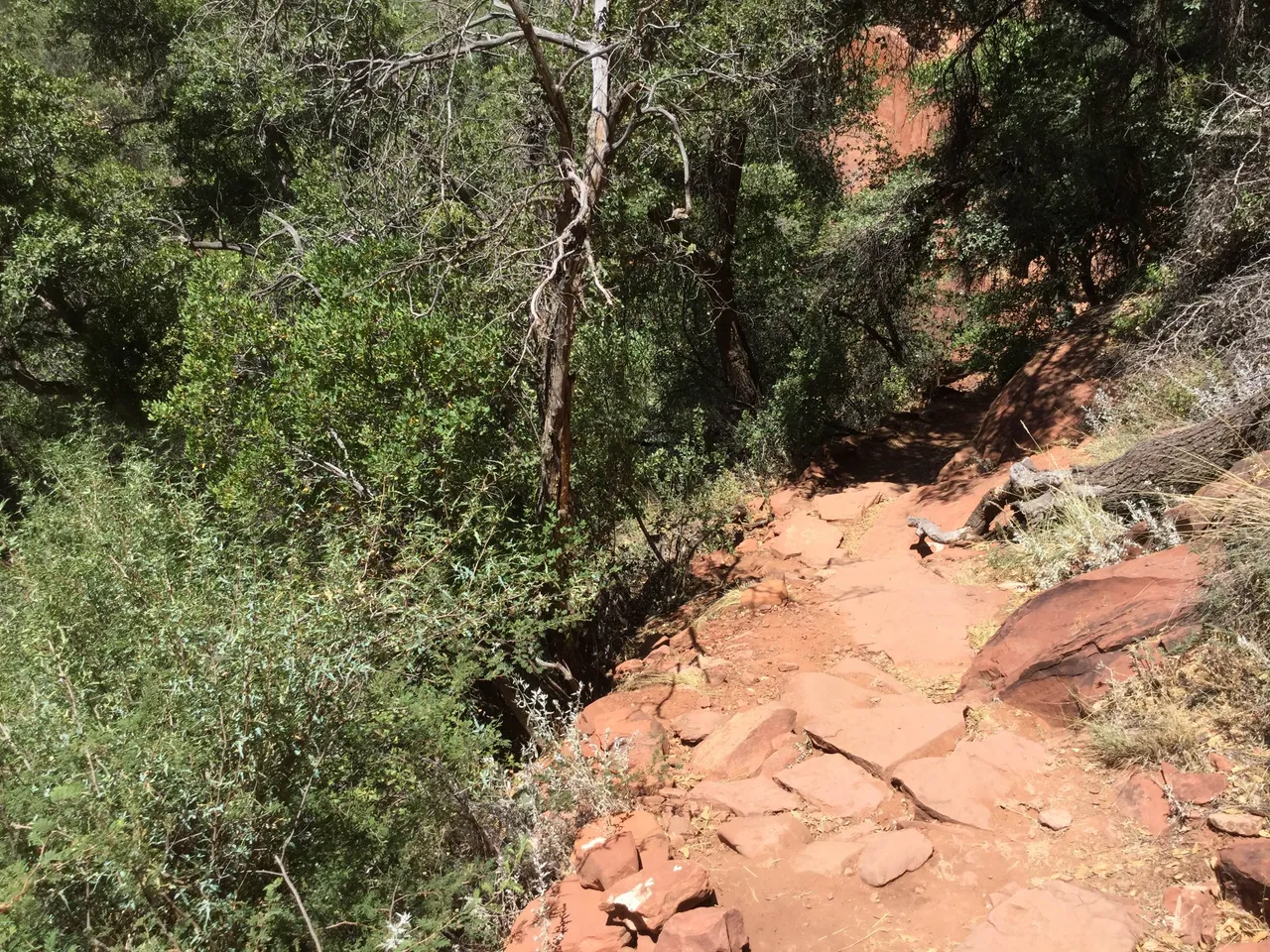
As stunning as Wupatki was, climbing up onto the walls at Palatki to see where the cliff homes were built was breathtaking. There is simply no way that a people who lack intelligence could look at a sheer cliff wall and think, "hey, we can build homes into that." And yet that is precisely what these tribes of people were able to do. We were only about a mile up into the cliffs when we came to the first of several homesites.
As was the case with Wupatki, the cliff homes at Palatki were designed to house several families at the same spot but built for protection as well. I stood and looked at the cliff dwellings and began to realize that were was no equipment, there was no mortar, no brick, no hammer, no nails, no blueprints, no subcontractors, no foremen to design what I was staring upon. And yet multiple rooms for multiple purposes were created on the side of a sheer rock wall.
As I stood and looked all around from my standing spot I was amazed by the scenery and the sheer courage it took to do what these people had done. I was also in awe that they had found a spot in which to live and protect themselves from threats and harsh weather. Again, I'm no architect, but you had to have an over abundance of intelligence to design a structure on the face of a mountain.
Survive and adapt? This is just my opinion, but it seems like you have to be very smart to do that.