
BlogsAcademicsLibrary ServicesEnglish
Optional Summer Reading Blog - Fair & Tender Ladies
Jun 17, 2009 12:00 AM
By Melinda Holmes - FF/S
Assignment questions are listed after the following description:
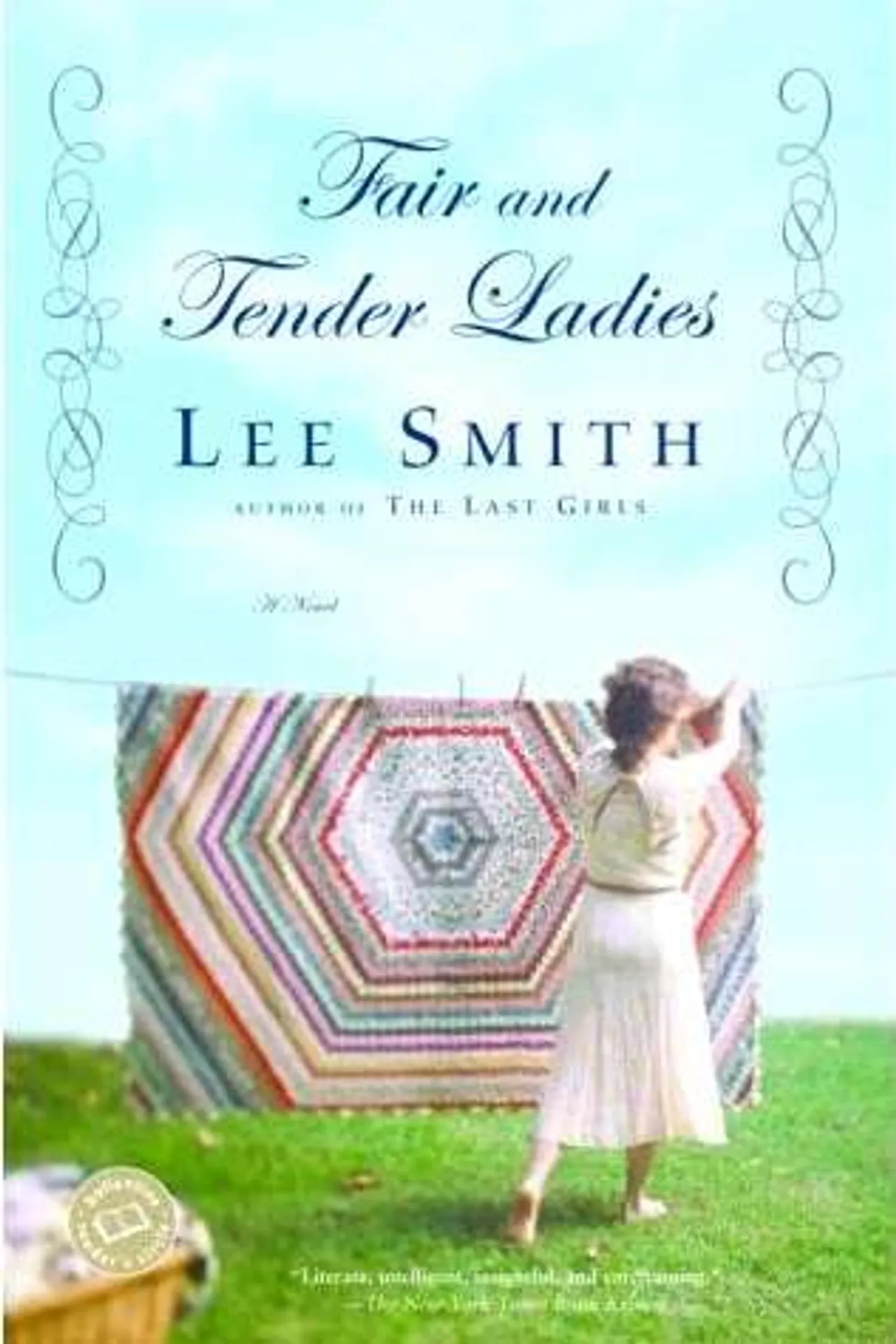
Fair and Tender Ladies
by Lee Smith
Sponsored by Melinda Holmes
Ivy Rowe, born in 1900, is a young girl growing up in the Appalachian mountains of Virginia, a middle child of a family with many children, both dead and alive. Though her life is characterized by hard work, poverty, and parental neglect, she possesses a sense of wonder and beauty that gives her joy despite her failure and disappointments. The book is a collection of her letters written to the many people who intersect her life: pen pals, friends, parents, siblings, and children. Ivy is an open, perceptive, gentle, and unreserved soul, and her letters are a pleasure to read. Ivy’s distinctive voice and the detailed rendering of mountain life (and later, mining town conditions) are the strengths of this book. It is impressive how deftly the author plunges into the lives and circumstances of the characters, even with subtle details of plumbing, housework, and botany. (Description borrowed from https://booksunderthecovers.blogspot.com/2007/04/fair-and-tender-ladies-by-lee-smith.html)
Blog along with me this summer...
The Library Services Department has a new blog (located on the library web page) that I'm anxious to begin using. Join the blog by responding online to 3 brief questions I will pose about Fair and Tender Ladies on the library blog. In addition, my group should comment on at least one of their peers responses on the blog for a total of 4 responses in all from each group member.
I hope you all enjoy this novel. It is one that I remember reading in my past that really touched me. Happy reading!
Question #1
How do Ivy's first letters to Hanneke set the tone for the novel?
Question #2
Why do you think the author, Lee Smith, chose to write this novel using Ivy's diary entries?
Question #3
How does Fair and Tender Ladies comment on the changes that occurred in rural Virginia during the twentieth century?
Don't forget to read your peers answers and comment on at least one of them to complete your assignment.
Fair and Tender Ladies
by Lee Smith
Sponsored by Melinda Holmes
Ivy Rowe, born in 1900, is a young girl growing up in the Appalachian mountains of Virginia, a middle child of a family with many children, both dead and alive. Though her life is characterized by hard work, poverty, and parental neglect, she possesses a sense of wonder and beauty that gives her joy despite her failure and disappointments. The book is a collection of her letters written to the many people who intersect her life: pen pals, friends, parents, siblings, and children. Ivy is an open, perceptive, gentle, and unreserved soul, and her letters are a pleasure to read. Ivy’s distinctive voice and the detailed rendering of mountain life (and later, mining town conditions) are the strengths of this book. It is impressive how deftly the author plunges into the lives and circumstances of the characters, even with subtle details of plumbing, housework, and botany. (Description borrowed from https://booksunderthecovers.blogspot.com/2007/04/fair-and-tender-ladies-by-lee-smith.html)
Blog along with me this summer...
The Library Services Department has a new blog (located on the library web page) that I'm anxious to begin using. Join the blog by responding online to 3 brief questions I will pose about Fair and Tender Ladies on the library blog. In addition, my group should comment on at least one of their peers responses on the blog for a total of 4 responses in all from each group member.
I hope you all enjoy this novel. It is one that I remember reading in my past that really touched me. Happy reading!
Question #1
How do Ivy's first letters to Hanneke set the tone for the novel?
Question #2
Why do you think the author, Lee Smith, chose to write this novel using Ivy's diary entries?
Question #3
How does Fair and Tender Ladies comment on the changes that occurred in rural Virginia during the twentieth century?
Don't forget to read your peers answers and comment on at least one of them to complete your assignment.