
NewsUpper SchoolStudent LifeFaculty/StaffPre-K to 8Academics
Middle School Advisory Program provides transition guidance
Sep 19, 2006 9:25 AM
By Tannika King - Faculty
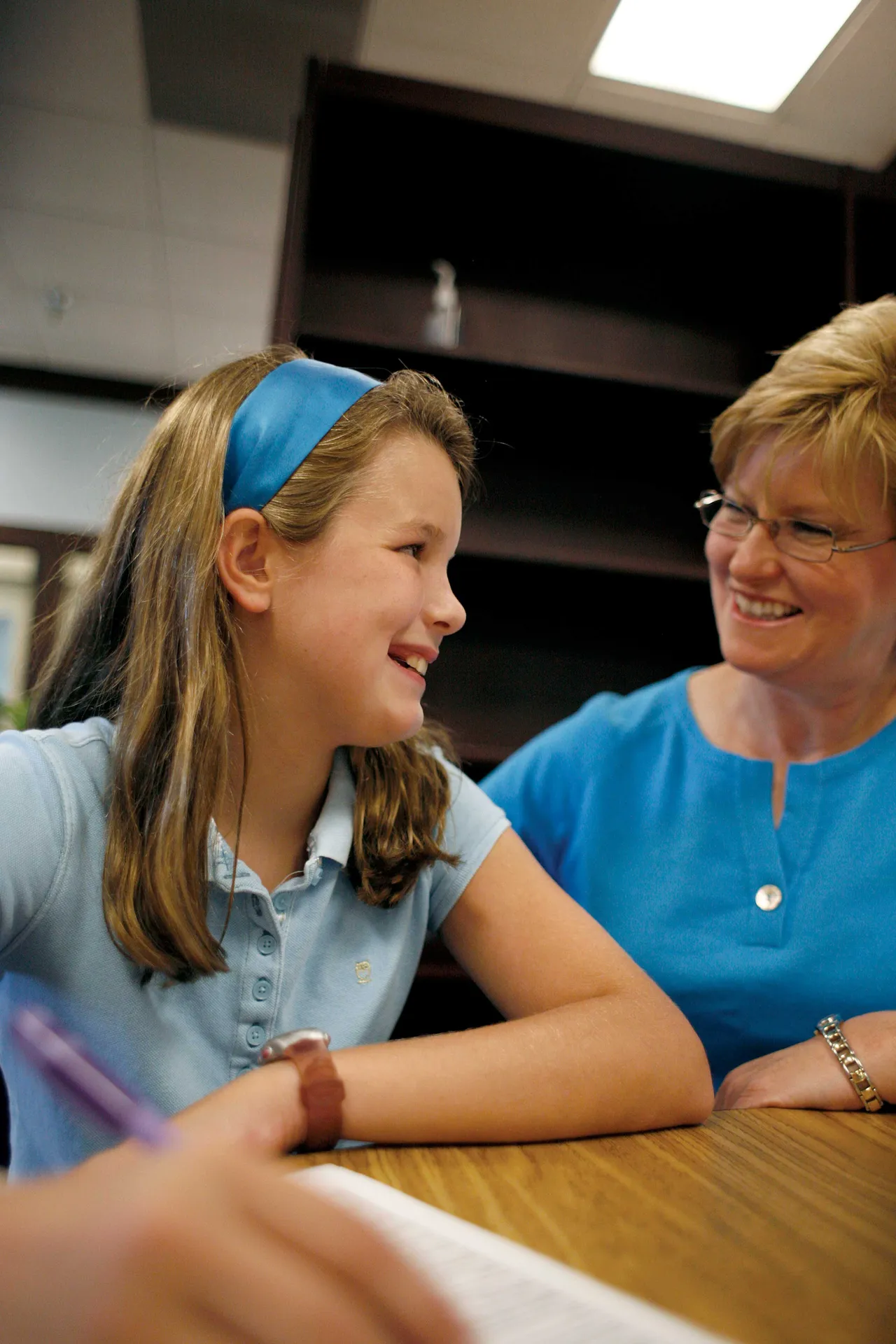
Middle School is a time of great transition for young people – transition from childhood to adulthood – and in order for every student to be successful, it is critical that each has an important adult in his life that he aspires to, trusts and emulates. Dr. Robert Brooks, a leading speaker on resilience, self-esteem, motivation and family relationships, calls this important figure a “charismatic adult.”
After reading Dr. Brooks’ book “Raising Resilient Children” over the summer, in preparation for his visit in August, faculty members and administrators realized the idea of a charismatic adult was something that could be implemented through Darlington’s Middle School Advisory Program. This year, Middle School students have advisee meetings each Wednesday during Study Hall, allowing advisers to effectively track their advisees not only academically, but socially and emotionally as well.
“Students in Middle School are going through a time of developmental, psychological and social transition. They are also working towards becoming more independent from their parents – the support system they used to seek out for comfort and guidance,” said Melissa Robinson, Middle School counselor. “Adolescents need that guidance as they work towards self-discovery, so it is important they realize that despite all the changes they are going through and the heightened levels of self-awareness they are experiencing, that they have a sense of support from at least one charismatic adult who will stand by them through all of their trials and tribulations. Most of the time, adolescents seek out their peers for this support, but there are times that their peers may not have the answers; that is why this is such a crucial time in an adolescent’s life to have a charismatic adult with whom they can talk about the issues they are experiencing.”
The Advisory Program places 20 advisers with groups of seven to 11 students each. Advisers include all Middle School teachers as well as the school director, counselor, learning specialist and Middle School admission director.
One of the goals of each adviser is to determine whether or not each student has a charismatic adult in his or her life. If not, they will work towards helping the student find someone with whom they can identify and from whom they can gather strength in difficult situations.
“We at the Middle School have a unique opportunity to not only provide excellent academics, athletics and arts, but also to provide the necessary guidance to our young people during this transition period,” said Ken Wempe, eighth-grade English teacher. “Darlington provides the perfect environment for this. We have a small, comfortable, family-like atmosphere where advisers and advisees can get to know each other well. The Advisory Program really speaks to our goal of being a student-centered school.”
Robinson said another purpose of the weekly meetings is to talk to the students about relevant issues in the Middle School.
“Asking the students to share their perspectives on what is going on in the school is important because it shows that we care about what they have to say,” she explained. “For advisers, simply having the chance to talk to their advisees about non-academic issues helps to build the relationship because it shows that they are interested in getting to know the students for who they are.”
Advisee groups will also discuss topics such as learning styles, organization, study habits and bullying.
Faculty members hope that the Middle School Advisory Program will provide academic support by helping students find help in the subjects in which they struggle, while also offering students encouragement and positive reinforcement to work toward their own individual strengths.
The program will also provide an immediate point of contact for parents. Advisers are asked to contact parents periodically, and parents should feel comfortable contacting their child’s adviser with any questions or concerns.
“Parents should work through their child’s adviser whenever possible,” said Wempe. “They can let the adviser know about non-school related issues that might be affecting school performance; they can share their students’ non-school successes and challenges; they can share anything that might help faculty members help their child. The adviser is the adult who is looking out for the success of the whole child, not just in one area. Therefore, students should seek out their advisers when they are having difficulties, and parents should contact their student’s adviser to help with general school issues or to set up conferences.”
Middle School Learning Specialist Lisa Goldin agreed, “The adviser should be the student’s in-school cheerleader when things go right, and be there to help when they don’t.”
After reading Dr. Brooks’ book “Raising Resilient Children” over the summer, in preparation for his visit in August, faculty members and administrators realized the idea of a charismatic adult was something that could be implemented through Darlington’s Middle School Advisory Program. This year, Middle School students have advisee meetings each Wednesday during Study Hall, allowing advisers to effectively track their advisees not only academically, but socially and emotionally as well.
“Students in Middle School are going through a time of developmental, psychological and social transition. They are also working towards becoming more independent from their parents – the support system they used to seek out for comfort and guidance,” said Melissa Robinson, Middle School counselor. “Adolescents need that guidance as they work towards self-discovery, so it is important they realize that despite all the changes they are going through and the heightened levels of self-awareness they are experiencing, that they have a sense of support from at least one charismatic adult who will stand by them through all of their trials and tribulations. Most of the time, adolescents seek out their peers for this support, but there are times that their peers may not have the answers; that is why this is such a crucial time in an adolescent’s life to have a charismatic adult with whom they can talk about the issues they are experiencing.”
The Advisory Program places 20 advisers with groups of seven to 11 students each. Advisers include all Middle School teachers as well as the school director, counselor, learning specialist and Middle School admission director.
One of the goals of each adviser is to determine whether or not each student has a charismatic adult in his or her life. If not, they will work towards helping the student find someone with whom they can identify and from whom they can gather strength in difficult situations.
“We at the Middle School have a unique opportunity to not only provide excellent academics, athletics and arts, but also to provide the necessary guidance to our young people during this transition period,” said Ken Wempe, eighth-grade English teacher. “Darlington provides the perfect environment for this. We have a small, comfortable, family-like atmosphere where advisers and advisees can get to know each other well. The Advisory Program really speaks to our goal of being a student-centered school.”
Robinson said another purpose of the weekly meetings is to talk to the students about relevant issues in the Middle School.
“Asking the students to share their perspectives on what is going on in the school is important because it shows that we care about what they have to say,” she explained. “For advisers, simply having the chance to talk to their advisees about non-academic issues helps to build the relationship because it shows that they are interested in getting to know the students for who they are.”
Advisee groups will also discuss topics such as learning styles, organization, study habits and bullying.
Faculty members hope that the Middle School Advisory Program will provide academic support by helping students find help in the subjects in which they struggle, while also offering students encouragement and positive reinforcement to work toward their own individual strengths.
The program will also provide an immediate point of contact for parents. Advisers are asked to contact parents periodically, and parents should feel comfortable contacting their child’s adviser with any questions or concerns.
“Parents should work through their child’s adviser whenever possible,” said Wempe. “They can let the adviser know about non-school related issues that might be affecting school performance; they can share their students’ non-school successes and challenges; they can share anything that might help faculty members help their child. The adviser is the adult who is looking out for the success of the whole child, not just in one area. Therefore, students should seek out their advisers when they are having difficulties, and parents should contact their student’s adviser to help with general school issues or to set up conferences.”
Middle School Learning Specialist Lisa Goldin agreed, “The adviser should be the student’s in-school cheerleader when things go right, and be there to help when they don’t.”