
Lunch and Learn: Retrieval Practices for Teachers

By Cindy McGehee - FF/S
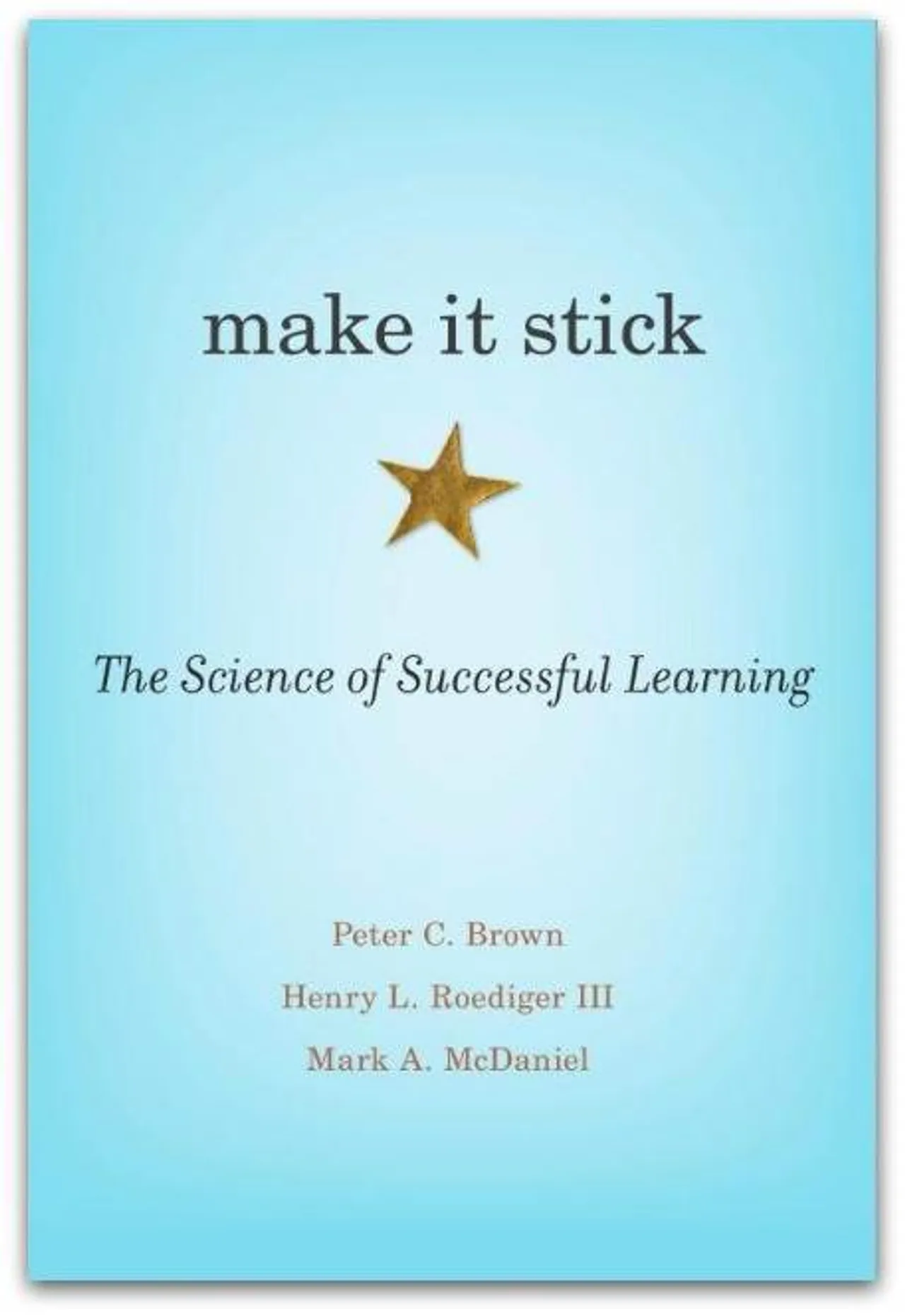
What happens when teachers meet for lunch? They use the time to learn! This month I hosted our first lunch and learn for the sixth through eighth grade teachers. We enjoyed time together to eat a quiet lunch and discuss strategies that support deep learning. I shared with the teachers information from the Lovett School Learning Institute, “Make It Stick,” retrievalpractice.org and cognitive psychologist from the University of Virginia, and Washington University in St. Louis.
We discussed shallow learning and the role of familiarity, or thinking you know more about a subject than you do. We reviewed research where participants were asked to describe details of how common objects such as a thermometer, thermostat and toilet work. Subjects were familiar with these everyday objects, and thought they knew how they worked, but did not have the depth of knowledge to explain in any detail. This and other research illustrates that when we see or look at information or items every day, we think we know more than we do, but have only a shallow understanding and are unable to answer questions requiring depth of knowledge. This is why we can “read over” our notes, or “look over” math problems or a list of words and think we know the information, when in fact we have no understanding of the material. These shallow learning practices lead to frustration (but I knew that!) and are not permitting our brains to learn.
However, recalling or retrieving material provides the key to learning - the more we have to recall, think about, and manipulate information, the deeper our understanding and level of knowledge. To truly learn, we have to manipulate information and store it in in ways that tie into past experiences. Additionally, we must practice retrieving the information permitting our brain to build neural pathways that lead to long term knowledge and metacognition.
We also reviewed our current practices and discussed ways to incorporate or increase the usage of retrieval practices in our classrooms and in teaching students to study. Our teachers already utilize many retrieval practices such as entrance and exit tickets, quizzes, grammar warm-ups and polling. We brainstormed ways that we could enhance these practices by incorporating technology such as Nearpod or using simple methods to ensure that all students are engaging in the classroom and understanding the material.
It is also important that students incorporate retrieval practices in their study techniques. Creating flash cards, self-quizzes or study guides, or discussing material and concepts permit students to interact with information and delve deeper into the how and why. Learning takes discipline and practice and retrieval practice is key to deep learning.
If you are interested in learning more about using retrieval practices to support your child’s learning, go to retrievalpractice.org or read “Make It Stick” by Peter C. Brown, Henry L. Roediger, III, and Mark A. McDaniel.