
NewsUpper SchoolStudent LifeFaculty/StaffPre-K to 8Academics
Learning Center to open its doors in 2006
Feb 9, 2006 9:58 AM
By Tannika King - Faculty
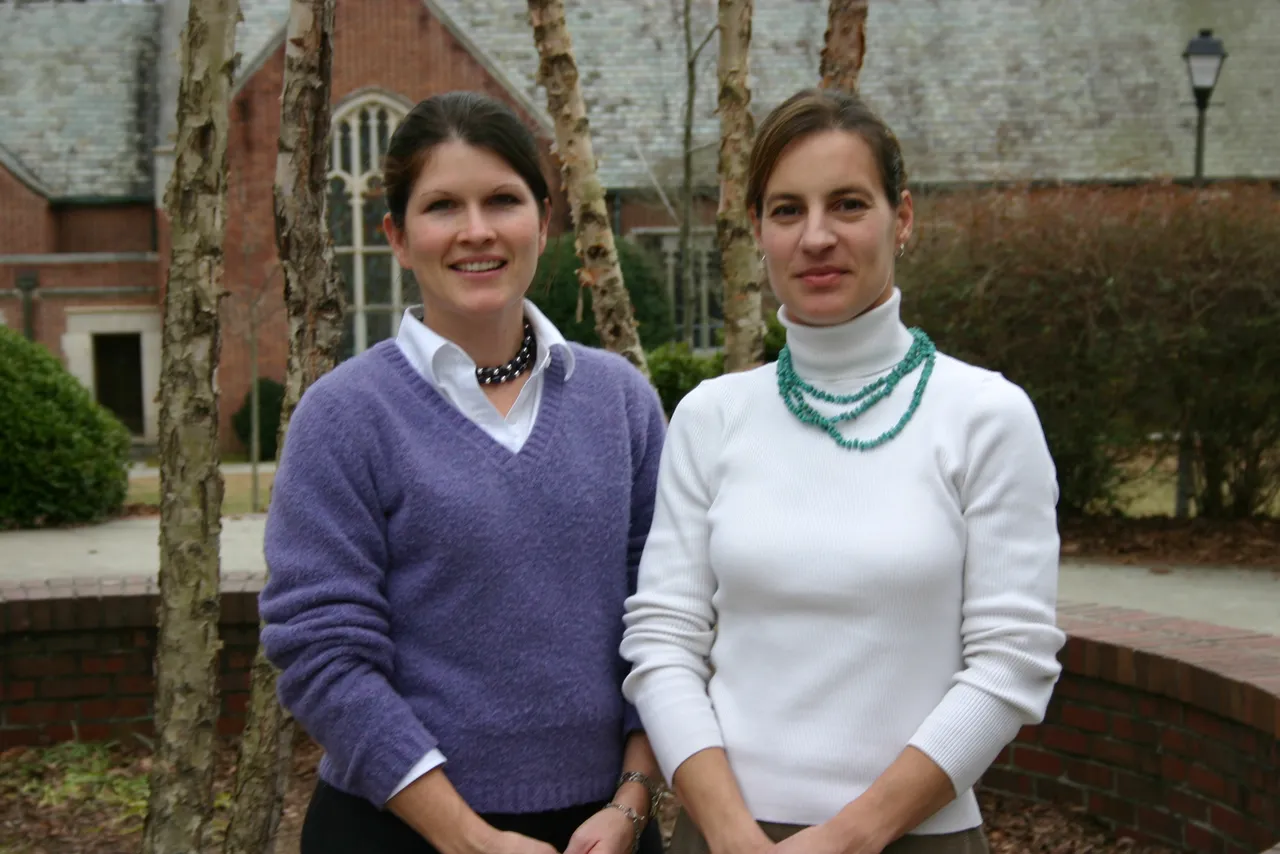
In order to help students maximize their Darlington experience and reach their full potential in the classroom, the School will open a Learning Center in August of 2006. Through this program, a team of learning specialists will provide structured academic support to students who are identified or referred in advance.
“A Learning Center allows us to keep students who may not be perfect in five subjects, but who are bright and articulate students who want to be here,” said Headmaster Tom Whitworth. “I have been many places in 35 years of education, and Darlington has the best students around, and they deserve the best teachers and programs.”
According to Libbie Zimmer, who has been named Learning Center director effective Aug. 1, the Learning Center’s day-to-day operation will involve three different models of service based on the needs of a particular student – whether they be direct, cooperative or consultative. “Direct service will involve a learning specialist working one-on-one with a student on learning strategies and skills,” she explained. “Cooperative service will involve collaboration between teachers, students and specialists to develop support systems within the classroom. Consultative service will involve occasional observations and contact between the specialist, teacher and/or student to make sure the student is reaching his or her potential.”
In addition, the Learning Center will be responsible for providing professional growth opportunities for faculty members, creating informational workshops for parents and coordinating programs that are available to all students. This will be a collaborative effort that involves the learning specialists and the academic dean.
“It is important to understand that this program will not lower Darlington’s academic expectations, but will instead boost our students’ achievements,” said Zimmer. “Some have expressed concern that Darlington’s student body will change and standards will be compromised because of this program. However, the School has, for many years, enrolled a percentage of students with diagnosed learning differences who meet all requirements for admission. The Learning Center is designed to help students reach their maximum potential.”
In early January, Learning Specialist Laura Vantine of Noble and Greenough School in Massachusetts visited Darlington to assess the progress that has already been made toward developing a Learning Center and help determine the next steps for moving the program forward. During her two-days at the School, she met with administrators, faculty members and students.
“It is unusual for a school to have the opportunity to lay the foundation for a well-planned program over a year’s time prior to the Learning Center’s grand opening,” said Vantine, who developed Noble’s Learning Center in 2004. “That Libbie has had the freedom to explore other schools’ models, develop a budget and offer professional development for faculty in anticipation of the program’s beginning is an incredible advantage for Darlington’s Learning Center.”
According to Vantine, the next steps include ensuring the program’s budget and hiring qualified people to serve as learning center specialists for the Lower, Middle and Upper Schools. This team of specialists will spend the summer identifying those students who would be served by the Learning Center, developing learning profiles/educational plans for each, and communicating this information to families and faculty members.
“Over the past 10 years, more and more independent schools have created academic support programs and Learning Centers to meet the needs of students with learning differences and attention deficit disorders,” said Vantine. “Programs vary from ‘covert operations’ to full blown centers charging additional fees. The schools developing these programs are not necessarily geared toward the students with LD or ADHD, nor do they actively seek to recruit them. And yet 10 to 20 percent of their student bodies include students with diagnosed learning issues.
“So how does a prestigious school maintain its academic integrity and still meet the needs of this population? The implications for doing so extend to admissions, discipline, college counseling, health and psychiatric services, as well as the overall academic program,” she continued. “Independent schools must provide reasonable accommodations by law. Equally important, a school has a moral or pedagogical obligation to meet the needs of the students it enrolls. As enrollment challenges arise, it is essential that the private school embrace cognitive diversity as an opportunity to improve not only retention of students, but to improve how students learn and how teachers teach. My primary interest has been to help schools develop programs that enrich as well as support the entire community, including students, faculty members and parents.”
Zimmer said she feels fortunate to work with Vantine, and looks forward to taking the next steps to ensure the Learning Center’s success.
“Several years ago, the Upper School established a Learning Center; however, this arrangement was short-lived. At that time, the center’s purpose was to serve students through a tutorial model rather than teaching support strategies that will help students improve independent learning skills and overall academic achievement,” said Zimmer. “This is not the case with the new program. Neuroscientific research and awareness of best practices show us that a comprehensive Learning Center will build on our strengths and create new opportunities for growth and success in the classroom. Learning from what has been done in the past gives us a better vision and a clearer purpose for our future.”
For more information on Darlington’s Learning Center, please e-mail Libbie Zimmer.
“A Learning Center allows us to keep students who may not be perfect in five subjects, but who are bright and articulate students who want to be here,” said Headmaster Tom Whitworth. “I have been many places in 35 years of education, and Darlington has the best students around, and they deserve the best teachers and programs.”
According to Libbie Zimmer, who has been named Learning Center director effective Aug. 1, the Learning Center’s day-to-day operation will involve three different models of service based on the needs of a particular student – whether they be direct, cooperative or consultative. “Direct service will involve a learning specialist working one-on-one with a student on learning strategies and skills,” she explained. “Cooperative service will involve collaboration between teachers, students and specialists to develop support systems within the classroom. Consultative service will involve occasional observations and contact between the specialist, teacher and/or student to make sure the student is reaching his or her potential.”
In addition, the Learning Center will be responsible for providing professional growth opportunities for faculty members, creating informational workshops for parents and coordinating programs that are available to all students. This will be a collaborative effort that involves the learning specialists and the academic dean.
“It is important to understand that this program will not lower Darlington’s academic expectations, but will instead boost our students’ achievements,” said Zimmer. “Some have expressed concern that Darlington’s student body will change and standards will be compromised because of this program. However, the School has, for many years, enrolled a percentage of students with diagnosed learning differences who meet all requirements for admission. The Learning Center is designed to help students reach their maximum potential.”
In early January, Learning Specialist Laura Vantine of Noble and Greenough School in Massachusetts visited Darlington to assess the progress that has already been made toward developing a Learning Center and help determine the next steps for moving the program forward. During her two-days at the School, she met with administrators, faculty members and students.
“It is unusual for a school to have the opportunity to lay the foundation for a well-planned program over a year’s time prior to the Learning Center’s grand opening,” said Vantine, who developed Noble’s Learning Center in 2004. “That Libbie has had the freedom to explore other schools’ models, develop a budget and offer professional development for faculty in anticipation of the program’s beginning is an incredible advantage for Darlington’s Learning Center.”
According to Vantine, the next steps include ensuring the program’s budget and hiring qualified people to serve as learning center specialists for the Lower, Middle and Upper Schools. This team of specialists will spend the summer identifying those students who would be served by the Learning Center, developing learning profiles/educational plans for each, and communicating this information to families and faculty members.
“Over the past 10 years, more and more independent schools have created academic support programs and Learning Centers to meet the needs of students with learning differences and attention deficit disorders,” said Vantine. “Programs vary from ‘covert operations’ to full blown centers charging additional fees. The schools developing these programs are not necessarily geared toward the students with LD or ADHD, nor do they actively seek to recruit them. And yet 10 to 20 percent of their student bodies include students with diagnosed learning issues.
“So how does a prestigious school maintain its academic integrity and still meet the needs of this population? The implications for doing so extend to admissions, discipline, college counseling, health and psychiatric services, as well as the overall academic program,” she continued. “Independent schools must provide reasonable accommodations by law. Equally important, a school has a moral or pedagogical obligation to meet the needs of the students it enrolls. As enrollment challenges arise, it is essential that the private school embrace cognitive diversity as an opportunity to improve not only retention of students, but to improve how students learn and how teachers teach. My primary interest has been to help schools develop programs that enrich as well as support the entire community, including students, faculty members and parents.”
Zimmer said she feels fortunate to work with Vantine, and looks forward to taking the next steps to ensure the Learning Center’s success.
“Several years ago, the Upper School established a Learning Center; however, this arrangement was short-lived. At that time, the center’s purpose was to serve students through a tutorial model rather than teaching support strategies that will help students improve independent learning skills and overall academic achievement,” said Zimmer. “This is not the case with the new program. Neuroscientific research and awareness of best practices show us that a comprehensive Learning Center will build on our strengths and create new opportunities for growth and success in the classroom. Learning from what has been done in the past gives us a better vision and a clearer purpose for our future.”
For more information on Darlington’s Learning Center, please e-mail Libbie Zimmer.