NewsUpper SchoolStudent LifeFaculty/StaffAlumniAdvancementServiceAcademics
Graduation Trivia<font size=-1> <br>Did you know?</font size=-1>
Jul 17, 2002 8:00 AM
By Stefan Eady - Faculty
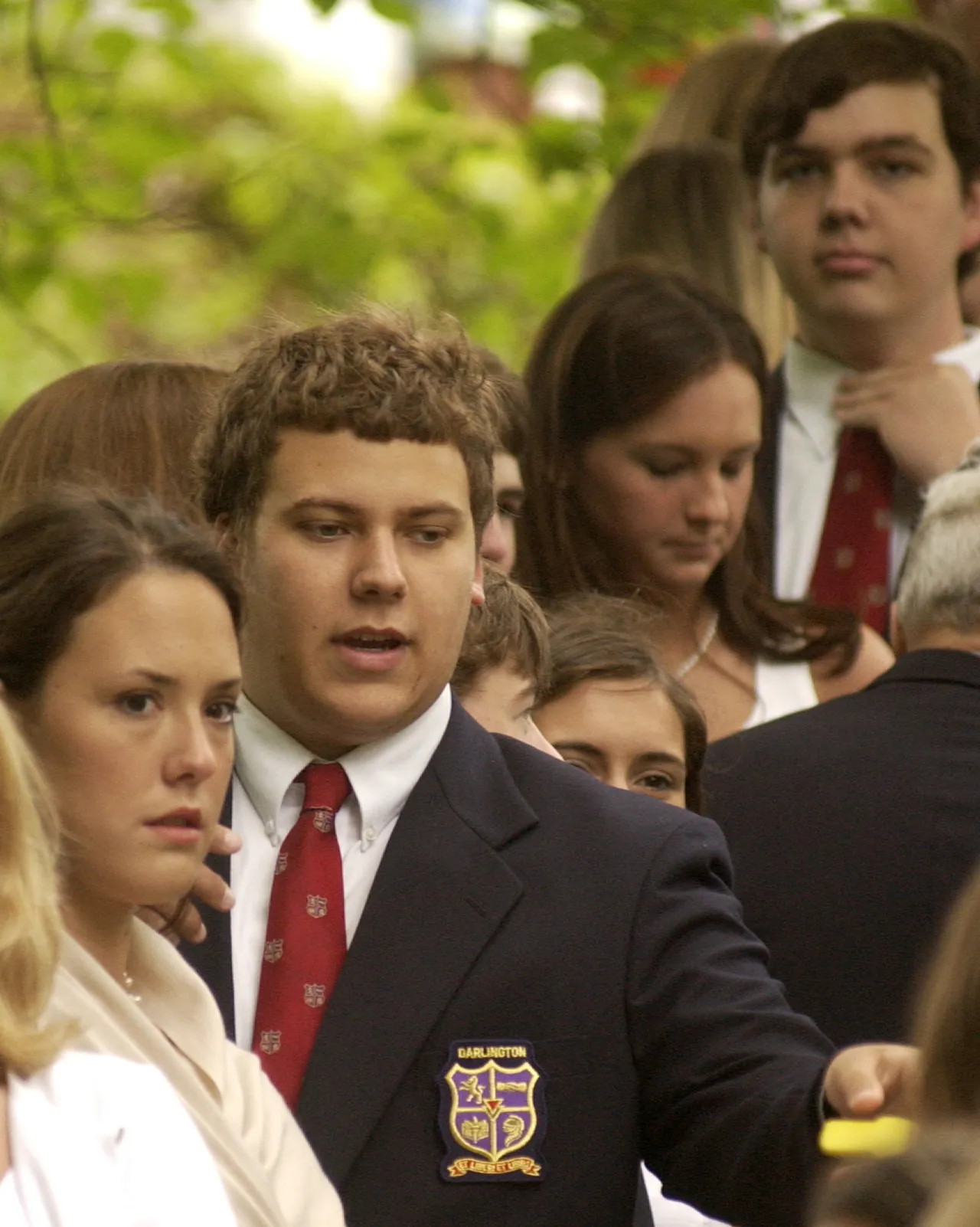
In 1908, Darlington graduated 17 seniors. There were 22 graduates in the class of 1909. As the School continued to grow, the alumni base increased. There were 299 alumni by 1920. In 2002, Darlington graduated 104 seniors and has a total database of over 9,100 alumni.
Fourteen students received diplomas at the first Thornwood graduation in 1962. Eleven years later, at Thornwood’s final graduation, 25 students graduated. Thornwood graduated 300 girls between 1962 and 1973.
In 1973, Darlington School for Boys held its final all-boys graduation. That was the year of the merger with Thornwood School for Girls.
The first coeducation Darlington graduation occurred in 1974. Ninety-seven students (25 girls) received diplomas including Darlington’s first female graduate Carolyn Michelle Denney and Darlington’s first African-American graduate Elson Floyd. “The Quest for Meaning” was the Commencement address, given by George Guerry, University of Tennessee at Chattanooga English professor.
The first class to go through Darlington in a complete coeducation environment was the class of 1985. They started school together in 1973: Kim Brown, Claudia Scott, Stacey Smith, David Monroe, Sarah Avery, Enger McCartney, Christina Hajosy, Wright Ledbetter, Catherine Awsumb, Henry Worthey, Sam Edgens, and Tripp Bradshaw.
Commencement takes place before the end of the academic year, according to Headmaster David Rhodes, to motivate seniors and give underclassmen the chance to assume leadership roles while seniors are still on campus.
The four most prestigious awards at Darlington are given during Commencement: Hanks Medal, given to the Darlington student in any class with the highest overall grade point average; Faculty Bracelet for General Excellence; Faculty Medal for General Excellence; and Betts Master Teacher Award, a cash gift named in memory of Oscar Betts ’19 and awarded to a Lower, Middle, or Upper school faculty member, nominated by the graduating class.
The top 12 students in the junior class serve as ushers during Commencement.
Commencement has been held in various locations throughout the School’s history: the Gymnasium, First Baptist Church of Rome, Morris Chapel, and for the past 11 years, on the Chapel lawn.
First Baptist Church was the most recent rain location until 2002; now it’s the new A. J. Huffman ’67 Memorial Athletic Center.
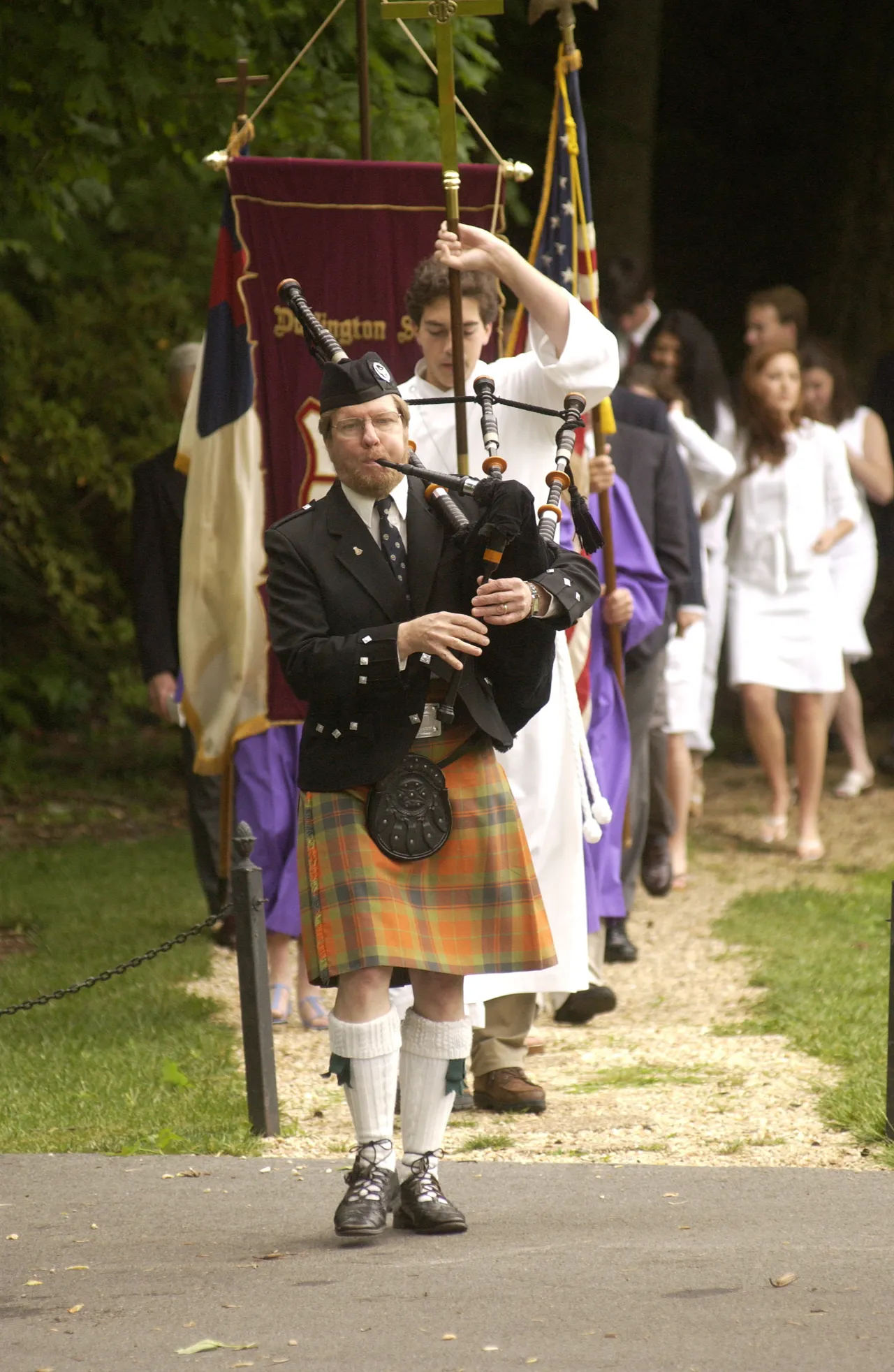
A recent Commencement tradition is the music of bagpiper Henry Frantz, Decatur, Ga., who leads the processional and recessional.
Prime seats are a big-ticket item at Darlington. Many people were arriving as early as 3 a.m. to secure good seats, so, as a fundraiser, the Parents Association began auctioning off eight prime-location seats, raising as much as $1,200.
Often families with alumni spanning three generations attend graduation.
It takes the efforts of 10 to 15 staff members who begin Commencement plans in September. One of the earliest tasks is the speaker selection and invitation. The 2002 ceremony featured Darlington alumnus, Steve Potts ’48, who, for 10 years, served as the director of the Office of Government Ethics.
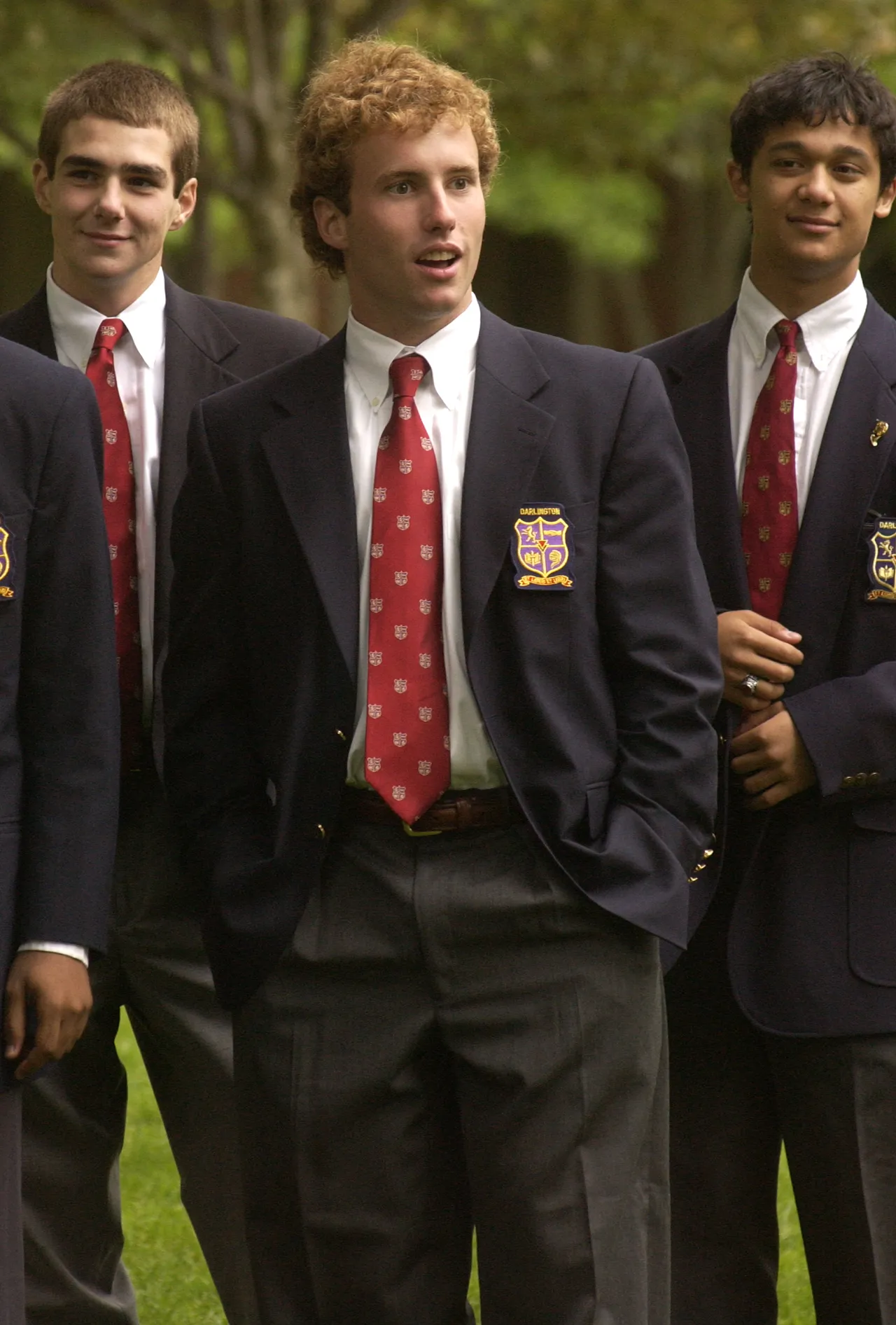
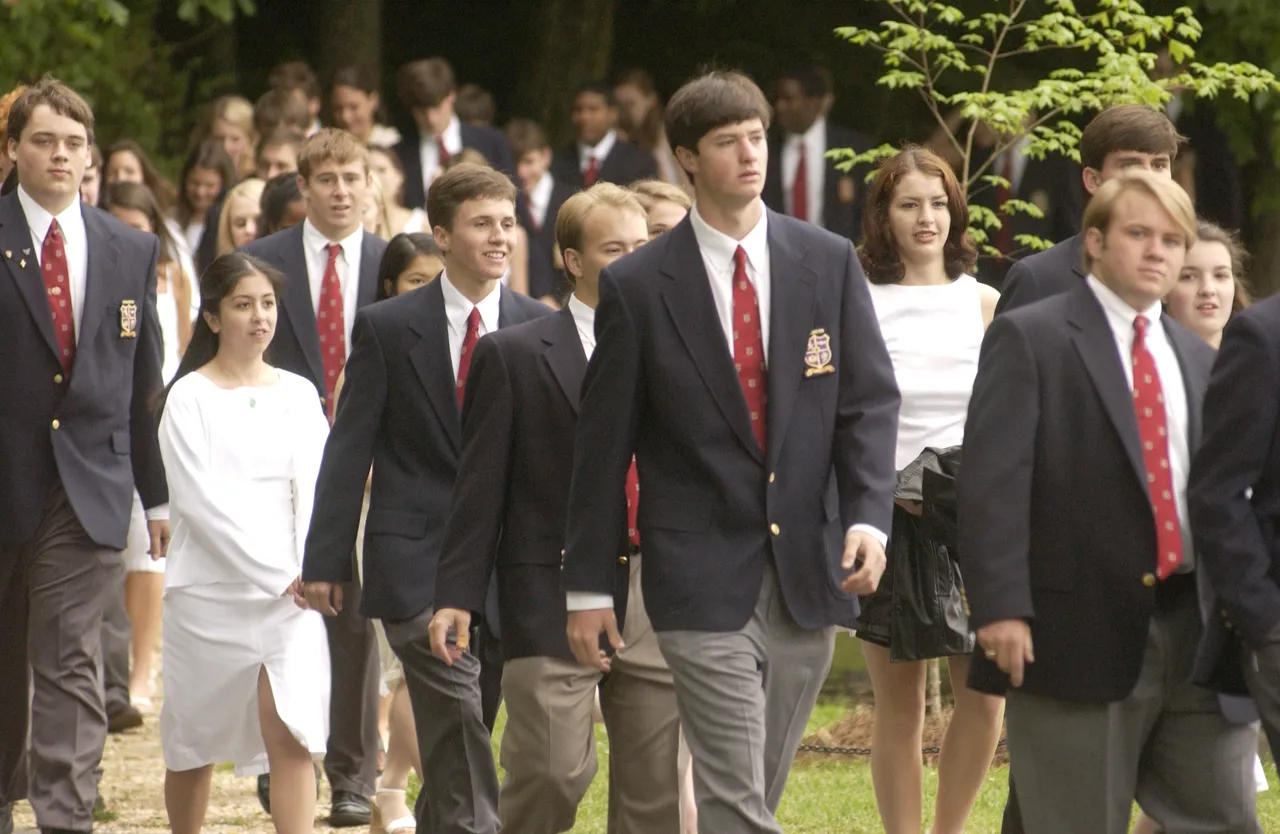
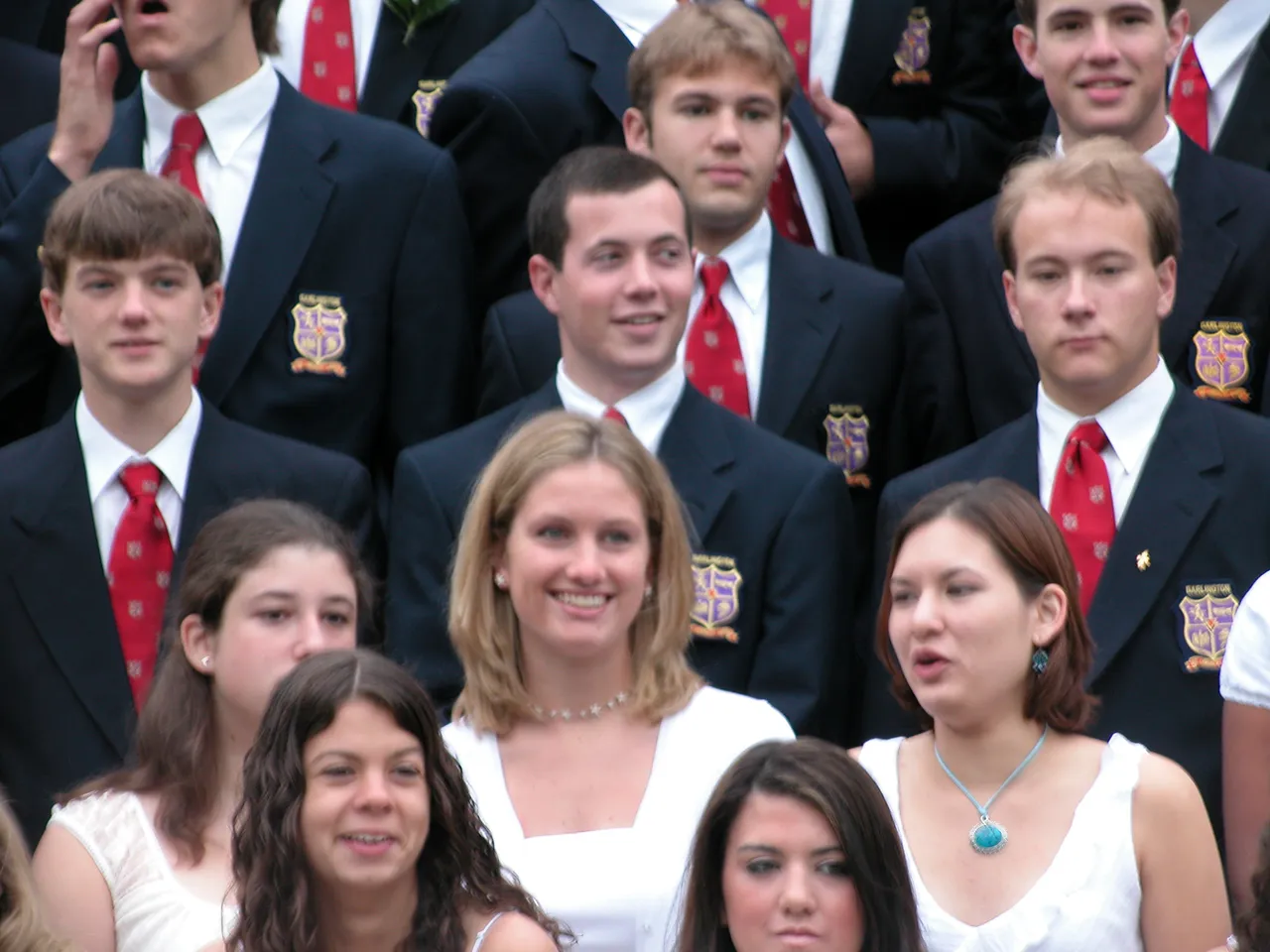
Darlington’s graduating seniors do not wear caps and gowns. Girls wear white dresses (a Thornwood tradition) and boys wear navy blazers, a Darlington tie, and gray slacks. Another difference from most traditional graduation ceremonies is that the House Senate president speaks during the ceremony rather than the valedictorian. Why? The names of the valedictorian (and salutatorian) are closely guarded secrets until the day of graduation.