Global Studies: My Experience in Cuba

By Max Berry '15 - '15
Ever since U.S. President Barack Obama and Cuban President Raûl Castro formally announced the normalization of U.S.-Cuba relations in December, people have been wondering how the free exchange of goods, ideas, and people will impact the two nations.
During spring break of 2014, I was fortunate enough to participate in a school trip to Cuba under the fearless leadership of Mrs. Leanne Mann. From the labyrinthine streets and alleyways of Havana, to the stunning landscapes of the Viñales Valley, this trip gave me a fabulous opportunity to find out what the normalization of relations will mean not just for American travelers, baseball fanatics, and cigar connoisseurs, but also for the average Cuban citizen.
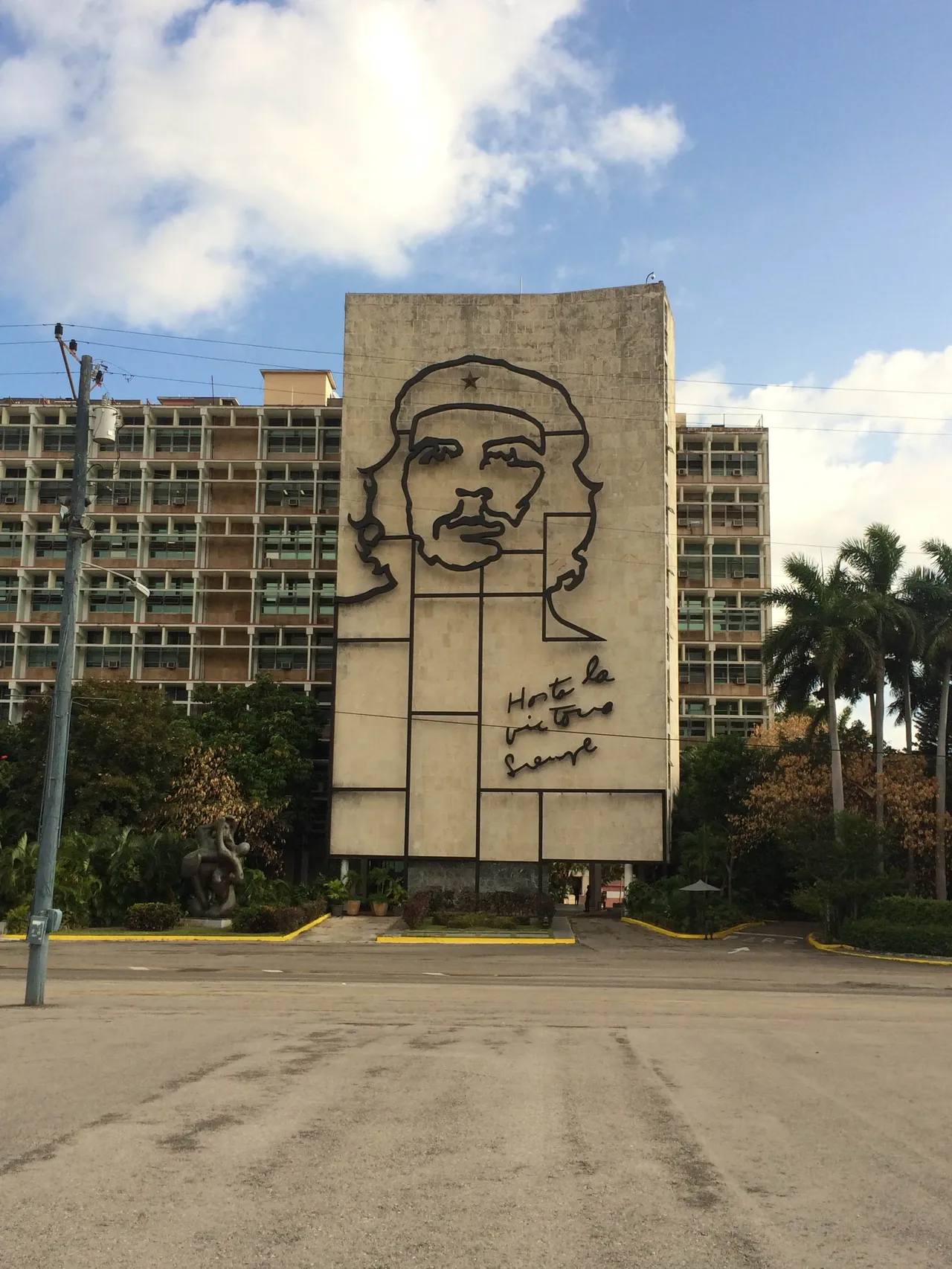
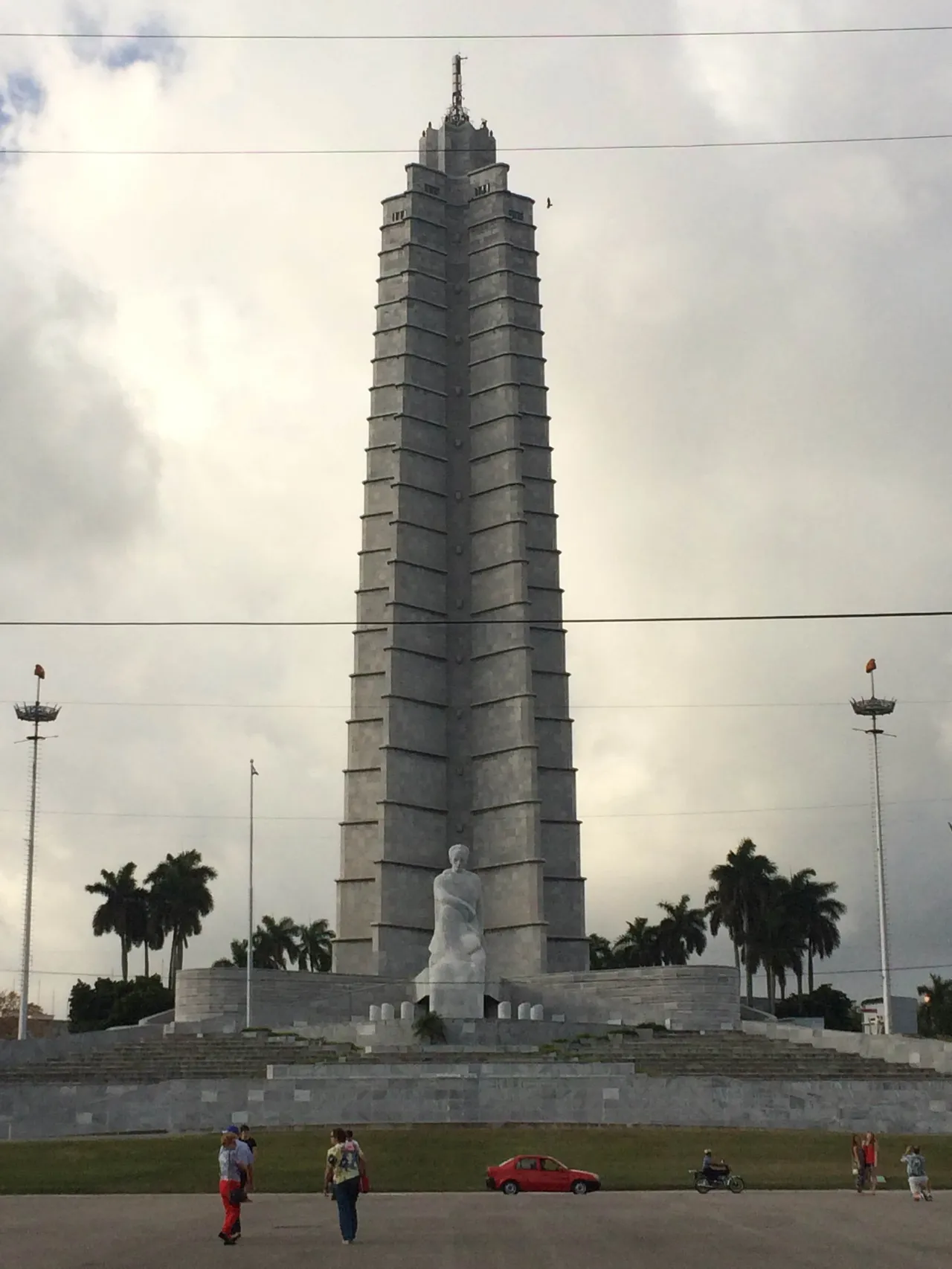
Cuba is a fascinating country. Discovered by Columbus in 1492, it served as a bastion of the Spanish Empire in the Western Hemisphere for hundreds of years. It has seen a number of uprisings over the course of its history, both slave and communist. Though its revolutionary jets have cooled in the past 50 years, propaganda depicting Cuban historical figures and revolutionary slogans still decorates the skylines and city streets of Cuba. The government built 50 flagpoles in front of the U.S. Interest Section building from which it hung 50 black flags each bearing a single star. In light of the recent cooling of tensions, the poles were flagless when we saw them.
Cuba was a huge source of diplomatic tension between the United States and the Soviet Union in the 1960s, and the normalization comes at a time when the U.S. and the Russian Federation again find themselves at diplomatic odds. With the seizure of the Crimea, which formally occurred while our group was in Cuba, and the unabashed support of rebel forces in Ukraine, a nation that the U.S. very much considers an unofficial ally, it seems that the U.S. is looking to shore up its neck of the woods in response to a new phase of Russian expansionism.
The United States first placed the embargo on Cuba in 1960 in an effort to turn the Cuban people against the government and eventually rise up. It forbade the exchange of goods, services, and civilians between the two countries, but in no way did it prevent Cuba from trading with other nations. Tourists from across Europe stayed alongside us in Havana’s Hotel Presidente, and in Viñales I enjoyed several evenings on the balcony chatting with the pleasant English couple next door.
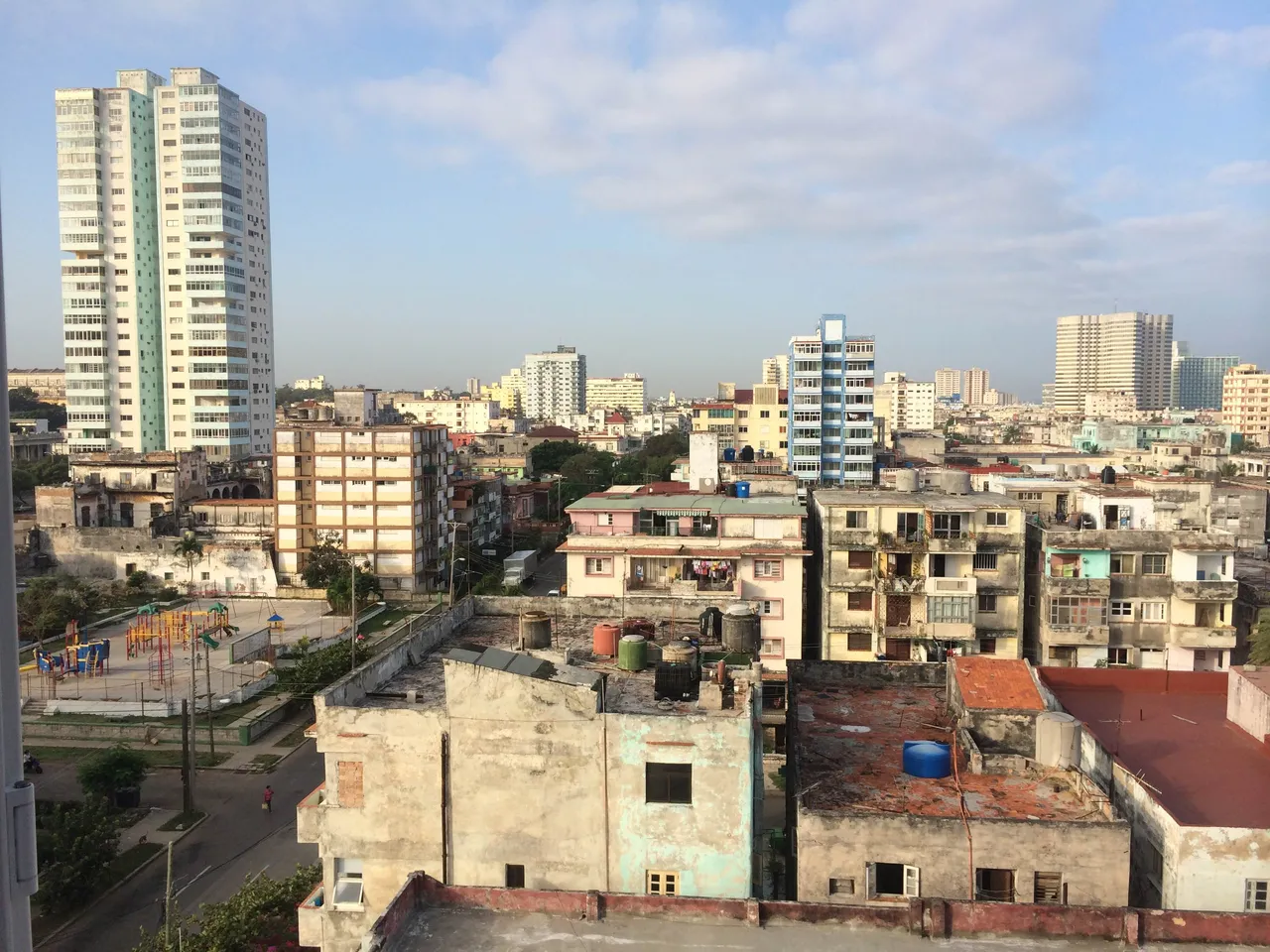
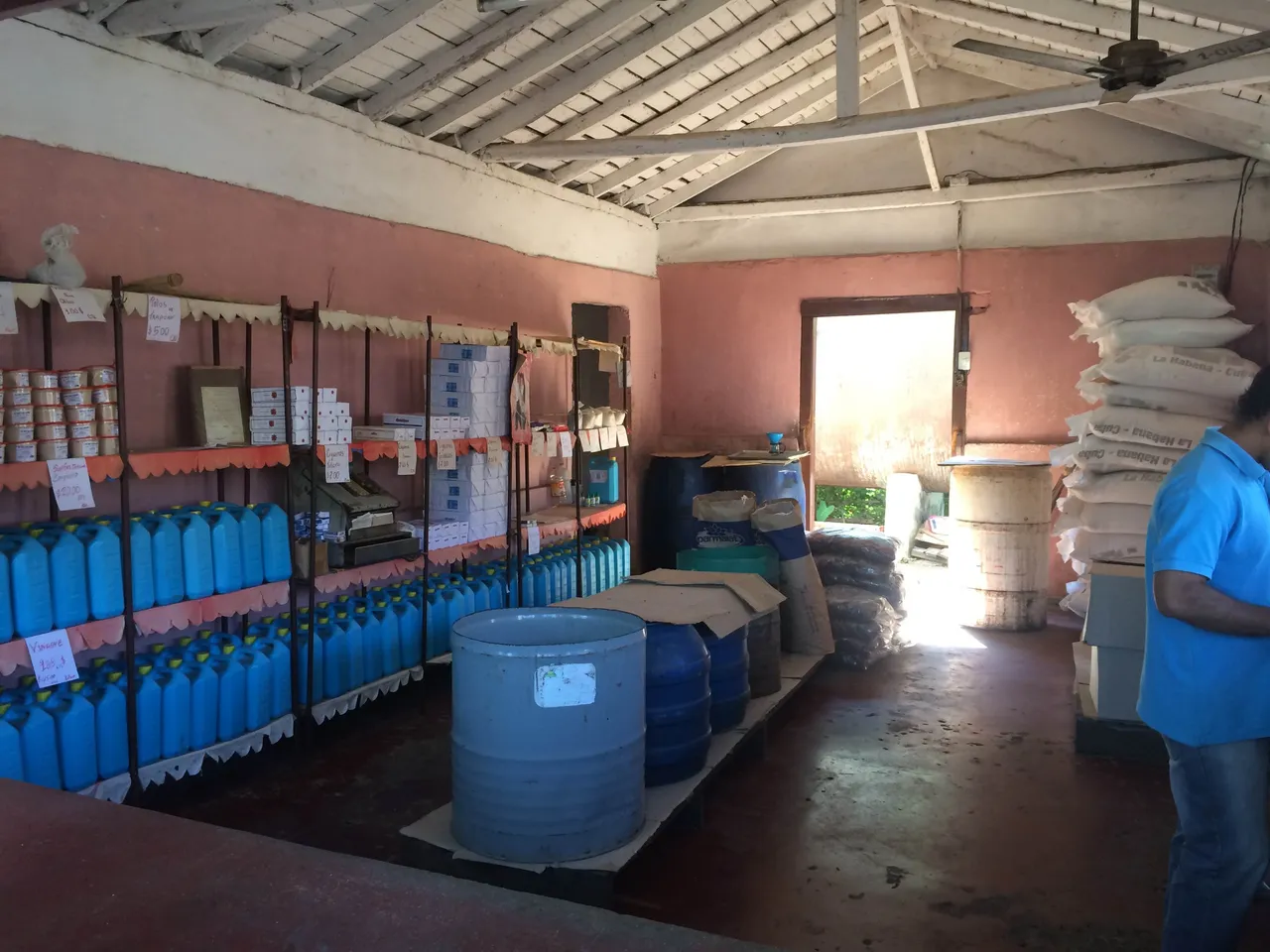
It is clear, however, that the Cuba is in desperate need of a cash infusion that American tourists and investors will undoubtedly bring. In Cuba, doctors’ salaries are comparable to those of store clerks and policemen. All Cuban citizens have a rations book from the government that entitles them to a certain amount of food each month, but it is not nearly enough food to sustain a family. Plumbing in Cuban homes is rudimentary at best, and many people have homemade devices on top of their home rigged to capture and purify water. The Cuban black market is vibrant, and many women resort to prostitution in order to subsidize their incomes and provide for their families.
In conversation with Cubans, they make it no secret that they are strapped for cash. When Nic Scocciamaro (’14) finished speaking with a kind gentleman about the recent performance of Havana’s baseball team, the man concluded the conversation by casually asking Nic for money. It wasn’t in a pleading fashion or anything, but simply in a manner that said, “Hey, I could use a few extra bucks for food, and you’re American so I figure you probably have cash to burn.” It’s worth noting that Cuban people love Americans. Considering that many Cubans have lived their entire lives under the embargo, I imagine there’s a sense of mystery surrounding American travelers. Seeing people’s eyes light up when we told them we were from a state just above Florida that wasn’t New York was truly a delight.
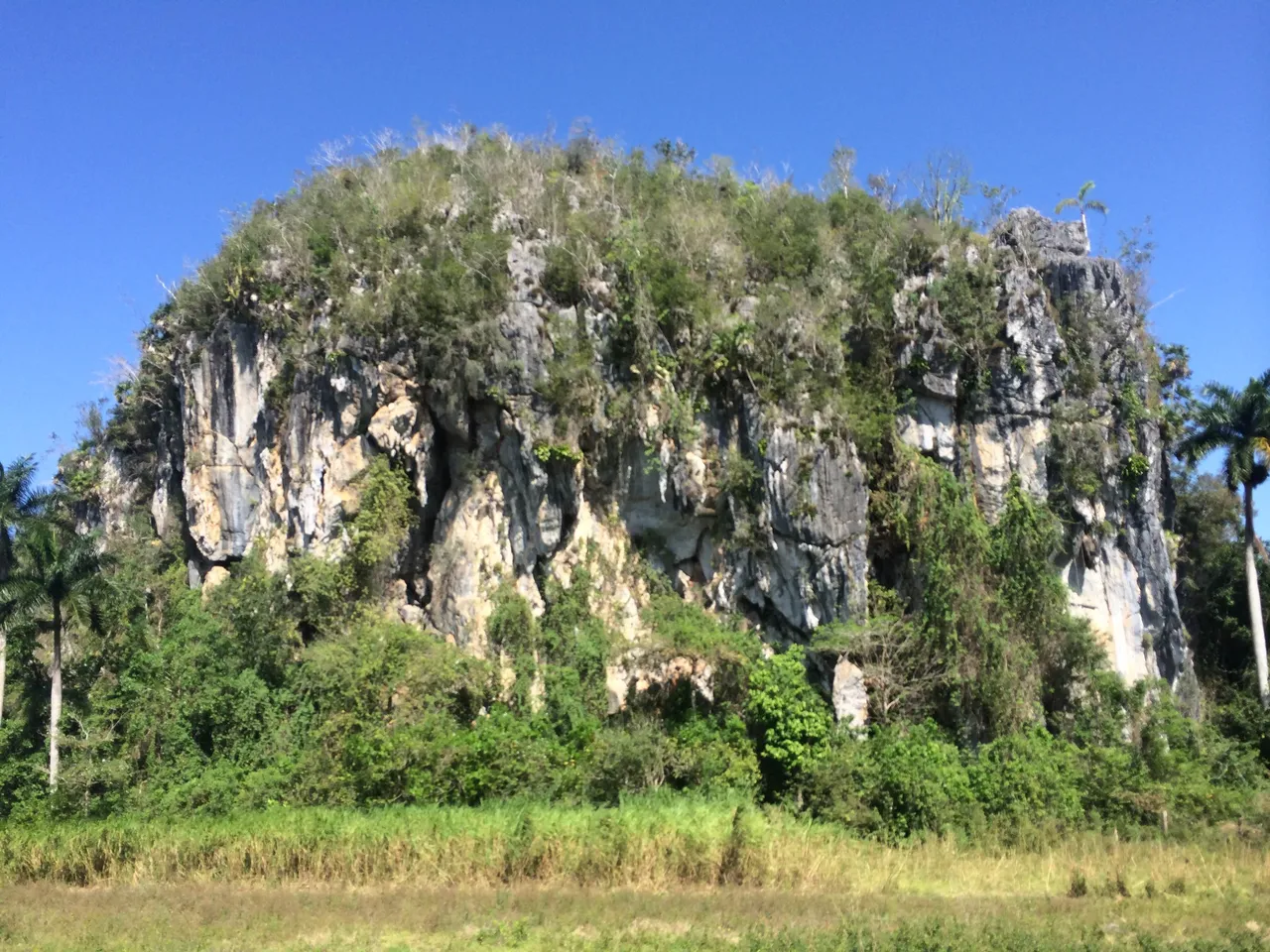
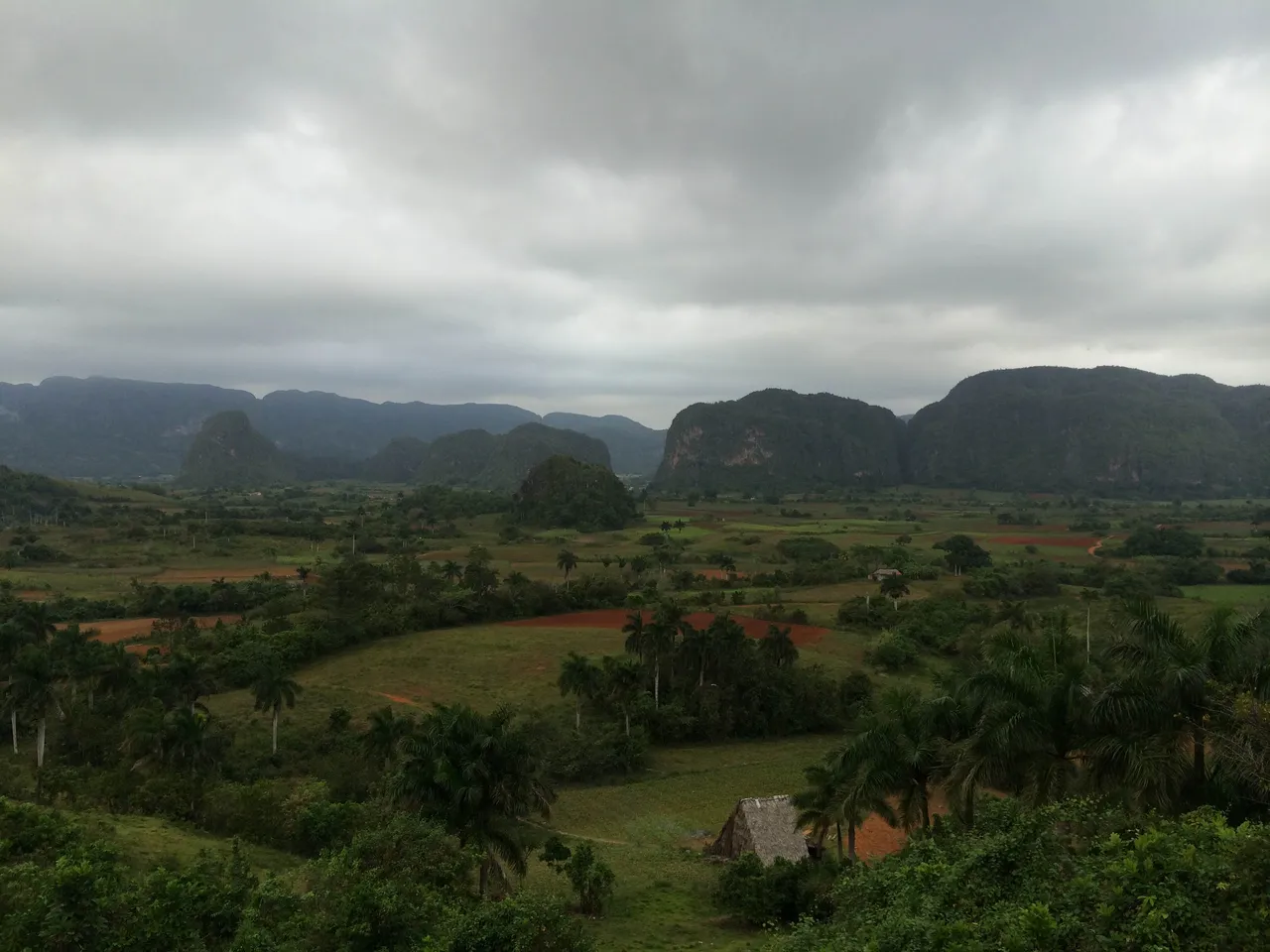
As the saying goes, “Necessity is the mother of invention,” and the Cuban people’s entrepreneurialism is quite impressive, especially considering many of them operate at a less-than-legal level since Cuban state economic policy requires that the government hold a controlling share in all businesses. When we were in the Viñales Valley, a UNESCO World Heritage Site in the westernmost Cuban province of Pinar del Rio, there were several eateries on the country road stretching up the hill where our hotel rested. These were no conventional restaurants, mind you. People had retrofitted their homes with extra seating and a beefed-up kitchen in order to provide food services to tourists, all the while offering a stunning view of the valley, which was checkered by giant limestone formations called “Mogotes.”
Cuban musicians played in all of the restaurants we ate at, and they made sure to come around and offer copies of their CDs for a reasonable sum. Havana was absolutely chocked full of vendors selling everything from generic tourist trinkets to fresh fruit to antique books. Along with their business proclivity, Cubans are absolutely crazy about baseball. Many public squares are filled with men arguing about the sport, and the crowds at the games are a sight to behold. Cuban baseball players will undoubtedly make a huge splash in the MLB.
Only Congress has the power to lift the embargo, but it is only a matter of time. Cuba is a nation of rich culture and history, and its people are accommodating, friendly, and ingenious. Beyond the availing of investment opportunities, introduction new athletes to American sports, and the return of long-sought-after Cuban cigars to American shelves, the normalization of U.S.-Cuba relations will hopefully lead to a dramatic rise in the quality of life for the average Cuban. It is no doubt that they need it, and it is unlikely that Operation Mongoose will bear fruit anytime soon.
Note: Max Berry ('15) is one of the inaugural graduates of Darlington School's Global Studies Program. He also served as president of Junior State of America and as a member of the JSA Southeastern State Cabinet. In 2013, he was a Hugh O'Brian Youth Leadership Seminar Ambassador.