NewsUpper SchoolStudent LifeFaculty/StaffServiceAcademics
Global community finds home at Darlington
Mar 28, 2002 8:00 AM
By Stefan Eady - Faculty

Phileas Fogg traveled around the world in 80 days, but Darlington students experience something similar, daily, without leaving campus. With international students enrolled in the Upper School, students have a great advantage in learning about the world and the people that live in it. They learn about other cultures and other ways of life, which lead to an appreciation of these differences. Common misconceptions and stereotypes are erased as students build relationships with those around them.
“We live in a global marketplace in which our students will encounter people from other nations in their business and professional lives,” said Sam Moss, associate headmaster and dean of college guidance. “Our students gain a greater awareness of world cultures and customs. For example, they learn Japanese customs from actual Japanese students by living with them.” Students build a better idea of the world around them by viewing it through the eyes of those who have experienced it.
Darlington’s mission statement embodies the idea of benefiting and learning from this diversity. “We teach our students that education is not confined to the classroom; it is an ongoing process, not a staged event,” said David Rhodes, headmaster. “Getting a new perspective is a huge part of education.”
Socially, Darlington invites students to respect others while learning about a world community; to overcome differences when working with others; to value friendship; and to practice patience, understanding, and tolerance when building relationships. As they build new friendships, students follow the intellectual goals of learning, expressing themselves, and exploring new ideas. “Many of our students take summer trips abroad to visit friends from other countries that they met here at Darlington,” Rhodes said.
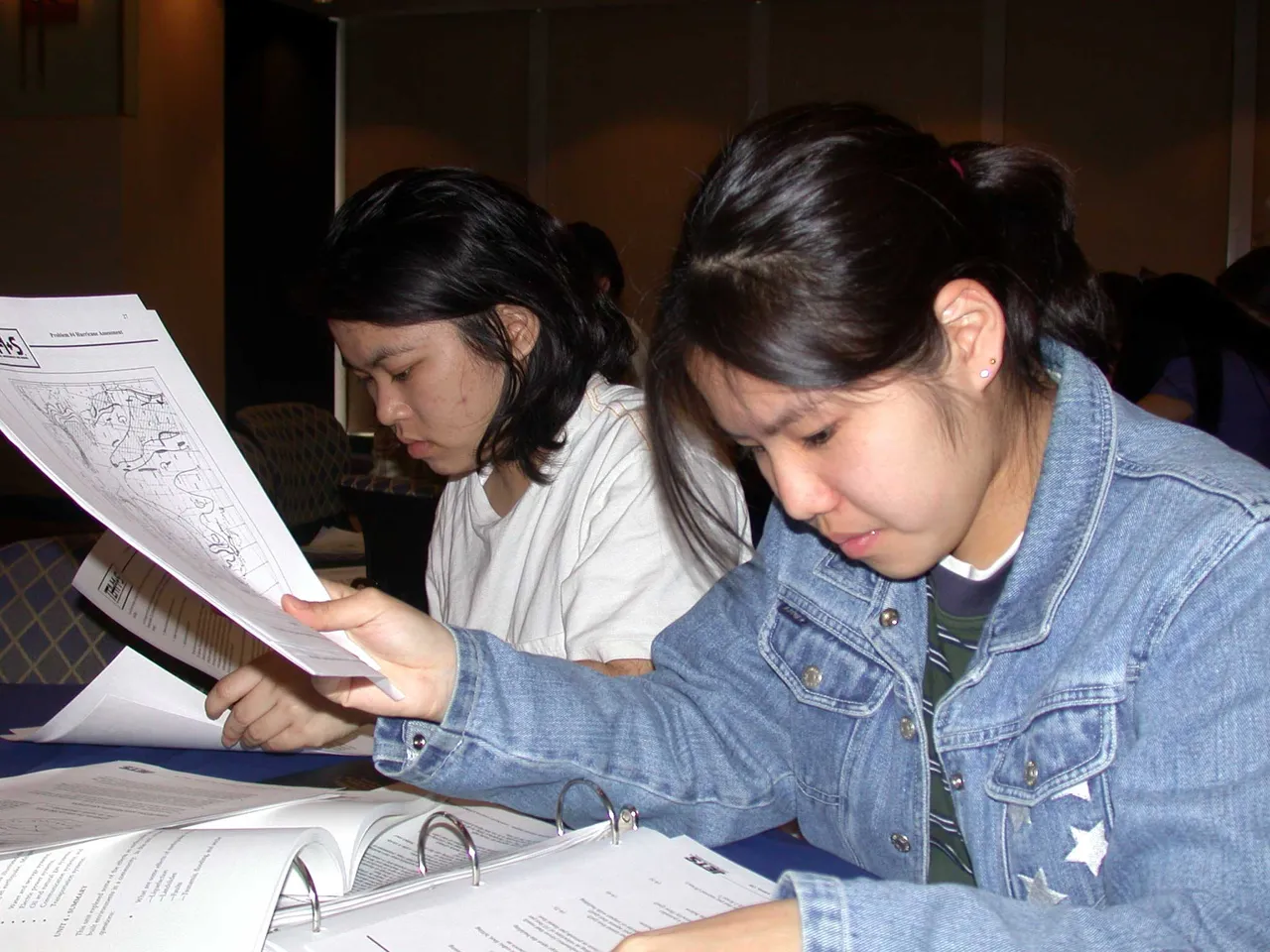
Culturally, students are encouraged to study and appreciate art forms from around the world and view them as an integral part of life. “In the recent production of The King and I, Aam Tunsong, a senior from Thailand, served as technical advisor and was able to teach other cast members the customs and mannerisms of her country, which made the play much more accurate,” Rhodes explained. Tunsong taught cast members the traditional movements, ways of bowing, and body positions for worshipping Buddha.
“From the moment that Aam expressed interest in auditioning for The King and I, she took ownership of her part as expert on the culture of Siam, now Thailand,” production director Marisa Ortega said. “She wanted us to represent her homeland authentically.”
Throughout history, many conflicts have arisen because of religious beliefs; however, Darlington takes a different approach and urges students to welcome people of all faiths with an attitude of love and understanding. This is based on a moral calling to treat each individual with dignity.
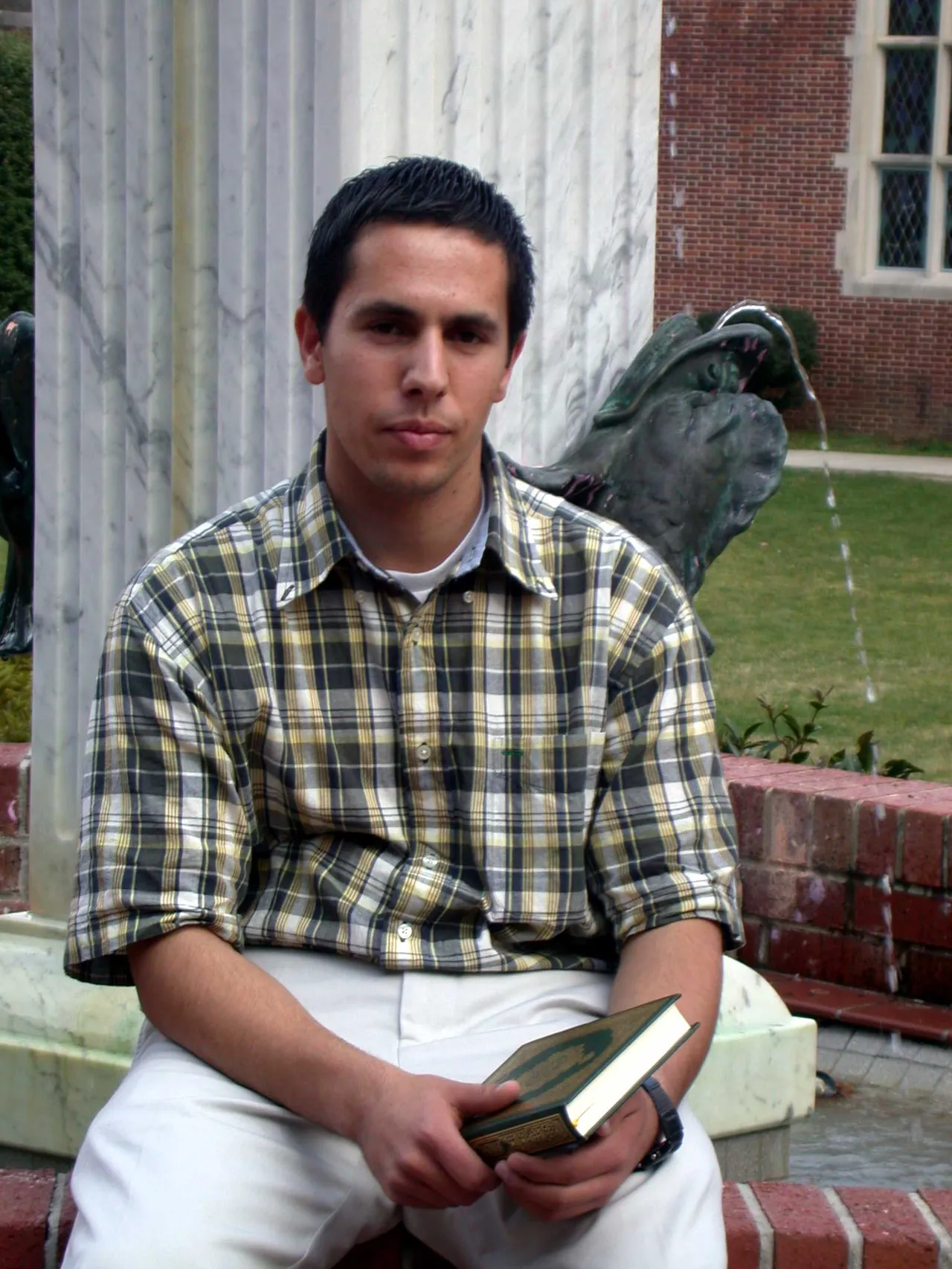
Darlington students learn first-hand about international religions and beliefs. As an example, consider the confusion surrounding the word Jihad. When pulled from the recent headlines and news stories, this word is misunderstood to mean “holy war.” Mohammed Khateeb, a junior born in Palestine, understands a different meaning, and is able to share his views with Darlington students. “Jihad is often misunderstood by Americans because of the ways in which the media stereotypes Muslims,” Khateeb explained. “Jihad is a duty to God to strive for excellence.”
Khateeb has studied his Muslim faith in depth in order to clarify some of the misconceptions others have about his faith. "Holy war does not exist in Islam, but refers to the holy war of the Crusaders against the Muslims. The words “holy war” never actually appear in the Koran which is the book of God according to Muslims." For him, Jihad means to remove evil from society and replace it with good. “I enjoy sharing my ideas and discussing them with people who have different views.”
In addition to experiences students gain from friendships, many activities and events are offered to introduce students to the concept of living in an international world. The Upper School sponsors an annual International Fair in which countries from around the globe are represented in food, décors, arts, and crafts. “To see students fix foods from their native countries and be so proud of it is great,” Rhodes said. Students can also become involved in the International Club, French Club, Spanish Club, German Club, Latin Club, and Amnesty International, or take a World Cultures class, taught by Betsy Awsumb, director of international students.
Darlington president, David Hicks, is strongly supportive of the exposure to global cultures offered to students. When attending boarding school at age 12, Hicks’ roommate was from Indonesia. “He broadened my view of the world and helped me to see my own culture and myself more objectively, although no less appreciatively,” Hicks shared. “I remember how wide-ranging our conversations were and how much I learned from him about languages, religions, foods, clothing, art, and the way other people live and relate to their families.” Hicks remembers this learning experience as being educational, and also enjoyable.
As students at Darlington continue to build from cross-cultural relationships, they are also learning lessons for life in acceptance, understanding, and awareness. Similarly, members of the faculty and staff benefit by broadening their cultural horizons. Darlington strives to achieve goals set on the mission statement for students to, “think critically, communicate effectively, and develop their strengths and talents. We seek to inspire them to perpetuate these attributes throughout their lives, both as individuals and as members of the world community.”
“We live in a global marketplace in which our students will encounter people from other nations in their business and professional lives,” said Sam Moss, associate headmaster and dean of college guidance. “Our students gain a greater awareness of world cultures and customs. For example, they learn Japanese customs from actual Japanese students by living with them.” Students build a better idea of the world around them by viewing it through the eyes of those who have experienced it.
Darlington’s mission statement embodies the idea of benefiting and learning from this diversity. “We teach our students that education is not confined to the classroom; it is an ongoing process, not a staged event,” said David Rhodes, headmaster. “Getting a new perspective is a huge part of education.”
Socially, Darlington invites students to respect others while learning about a world community; to overcome differences when working with others; to value friendship; and to practice patience, understanding, and tolerance when building relationships. As they build new friendships, students follow the intellectual goals of learning, expressing themselves, and exploring new ideas. “Many of our students take summer trips abroad to visit friends from other countries that they met here at Darlington,” Rhodes said.
Culturally, students are encouraged to study and appreciate art forms from around the world and view them as an integral part of life. “In the recent production of The King and I, Aam Tunsong, a senior from Thailand, served as technical advisor and was able to teach other cast members the customs and mannerisms of her country, which made the play much more accurate,” Rhodes explained. Tunsong taught cast members the traditional movements, ways of bowing, and body positions for worshipping Buddha.
“From the moment that Aam expressed interest in auditioning for The King and I, she took ownership of her part as expert on the culture of Siam, now Thailand,” production director Marisa Ortega said. “She wanted us to represent her homeland authentically.”
Throughout history, many conflicts have arisen because of religious beliefs; however, Darlington takes a different approach and urges students to welcome people of all faiths with an attitude of love and understanding. This is based on a moral calling to treat each individual with dignity.
Darlington students learn first-hand about international religions and beliefs. As an example, consider the confusion surrounding the word Jihad. When pulled from the recent headlines and news stories, this word is misunderstood to mean “holy war.” Mohammed Khateeb, a junior born in Palestine, understands a different meaning, and is able to share his views with Darlington students. “Jihad is often misunderstood by Americans because of the ways in which the media stereotypes Muslims,” Khateeb explained. “Jihad is a duty to God to strive for excellence.”
Khateeb has studied his Muslim faith in depth in order to clarify some of the misconceptions others have about his faith. "Holy war does not exist in Islam, but refers to the holy war of the Crusaders against the Muslims. The words “holy war” never actually appear in the Koran which is the book of God according to Muslims." For him, Jihad means to remove evil from society and replace it with good. “I enjoy sharing my ideas and discussing them with people who have different views.”
In addition to experiences students gain from friendships, many activities and events are offered to introduce students to the concept of living in an international world. The Upper School sponsors an annual International Fair in which countries from around the globe are represented in food, décors, arts, and crafts. “To see students fix foods from their native countries and be so proud of it is great,” Rhodes said. Students can also become involved in the International Club, French Club, Spanish Club, German Club, Latin Club, and Amnesty International, or take a World Cultures class, taught by Betsy Awsumb, director of international students.
Darlington president, David Hicks, is strongly supportive of the exposure to global cultures offered to students. When attending boarding school at age 12, Hicks’ roommate was from Indonesia. “He broadened my view of the world and helped me to see my own culture and myself more objectively, although no less appreciatively,” Hicks shared. “I remember how wide-ranging our conversations were and how much I learned from him about languages, religions, foods, clothing, art, and the way other people live and relate to their families.” Hicks remembers this learning experience as being educational, and also enjoyable.
As students at Darlington continue to build from cross-cultural relationships, they are also learning lessons for life in acceptance, understanding, and awareness. Similarly, members of the faculty and staff benefit by broadening their cultural horizons. Darlington strives to achieve goals set on the mission statement for students to, “think critically, communicate effectively, and develop their strengths and talents. We seek to inspire them to perpetuate these attributes throughout their lives, both as individuals and as members of the world community.”