
From the Director of Pre-K to 8: It All Comes Back to Knowing Our Students

By Hope Jones - Faculty
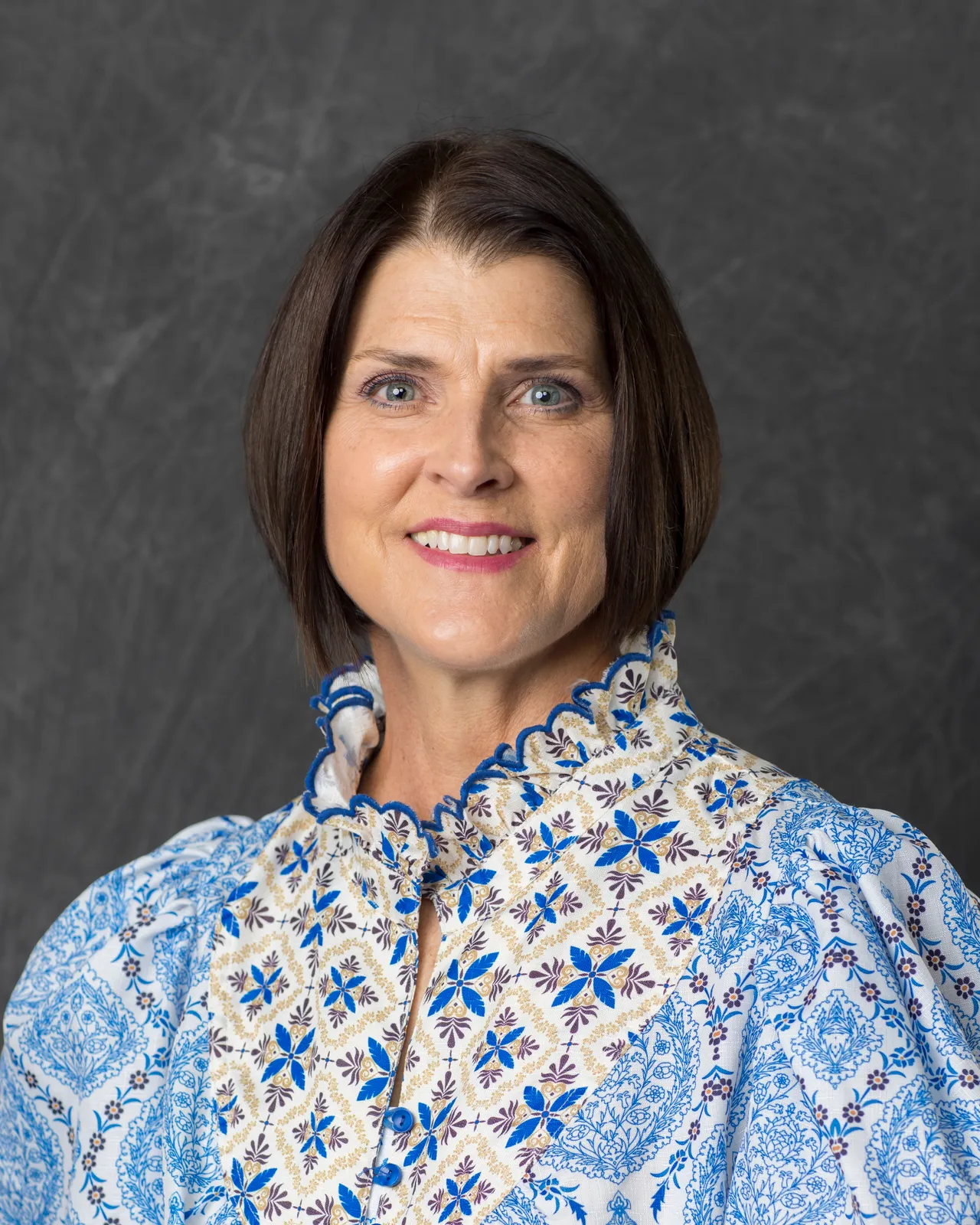
Fall Conferences have always been one of my favorite points in the school year. By this time, the newness of August has settled. Teachers know their students better. Routines have taken shape. Early assessments have given us important information. And, perhaps most importantly, we have had time to begin seeing the individual child behind all of it.
That is really what this issue of our divisional newsletter is about: knowing our students well.
This month, we are taking a closer look at what it really means to know and support each student. That begins with understanding the data we collect and how our teachers pair those data points with classroom observations, student work, and professional expertise to make thoughtful instructional decisions. We also see it taking shape in our expanded pre-K classroom, where an intentionally designed learning environment gives our youngest students more opportunities to explore, collaborate, and receive individualized attention. And in grades 6-8, our teachers are digging deeper into this same idea through their study of Claire English’s “It’s Never Just About the Behaviour.” Their work challenges us to look beyond what we see on the surface, ask better questions, and consider what a student may be communicating through behavior.
Different ages. Different approaches. Different information. But the purpose is the same.
What do we know about this child, and what does this child need from us next?
A MAP score cannot answer that question by itself. Neither can a classroom observation, a behavior, a writing sample, or even one conversation. Each gives us a piece of information. Our responsibility as educators is to put those pieces together, look for patterns, ask good questions, and respond thoughtfully.
And there is another important piece of that picture: you, our parents
Families know their children in ways that we cannot, just as teachers see students in settings and situations that families may not. Fall Conferences give us the opportunity to bring those perspectives together. They allow us to move beyond simply reporting grades or sharing assessment scores and instead have meaningful conversations about growth. What are we noticing? What are you seeing at home? Where is your child thriving? Where might additional support be helpful? Where is your child ready to stretch? And what should we do next?
For our middle grades students, we want them increasingly involved in those conversations as well. Learning to reflect honestly, recognize strengths and challenges, set goals, and advocate for what they need is part of their growth toward independence.
There is no single number, observation, behavior, or moment that tells us everything we need to know about a child. Children are far more complex, interesting, and capable than any single data point could ever capture. That is why partnership matters.
As we look ahead to Fall Conference Day this Wednesday, Oct. 7, I hope we approach these conversations with curiosity and a shared purpose. We have information to share, questions to ask, successes to celebrate, and opportunities for growth to consider. Most importantly, we have the opportunity to bring together what we each know about your child and use that fuller picture to think thoughtfully about what comes next.
We look forward to welcoming our parents to campus this week and continuing the conversations that make the partnership between home and school so important. When we bring what we each know to the same table, we are better equipped to understand, support, and celebrate the child at the center of it all.