Digital Citizenship in the Classroom

By Rebekah Kinney - Faculty
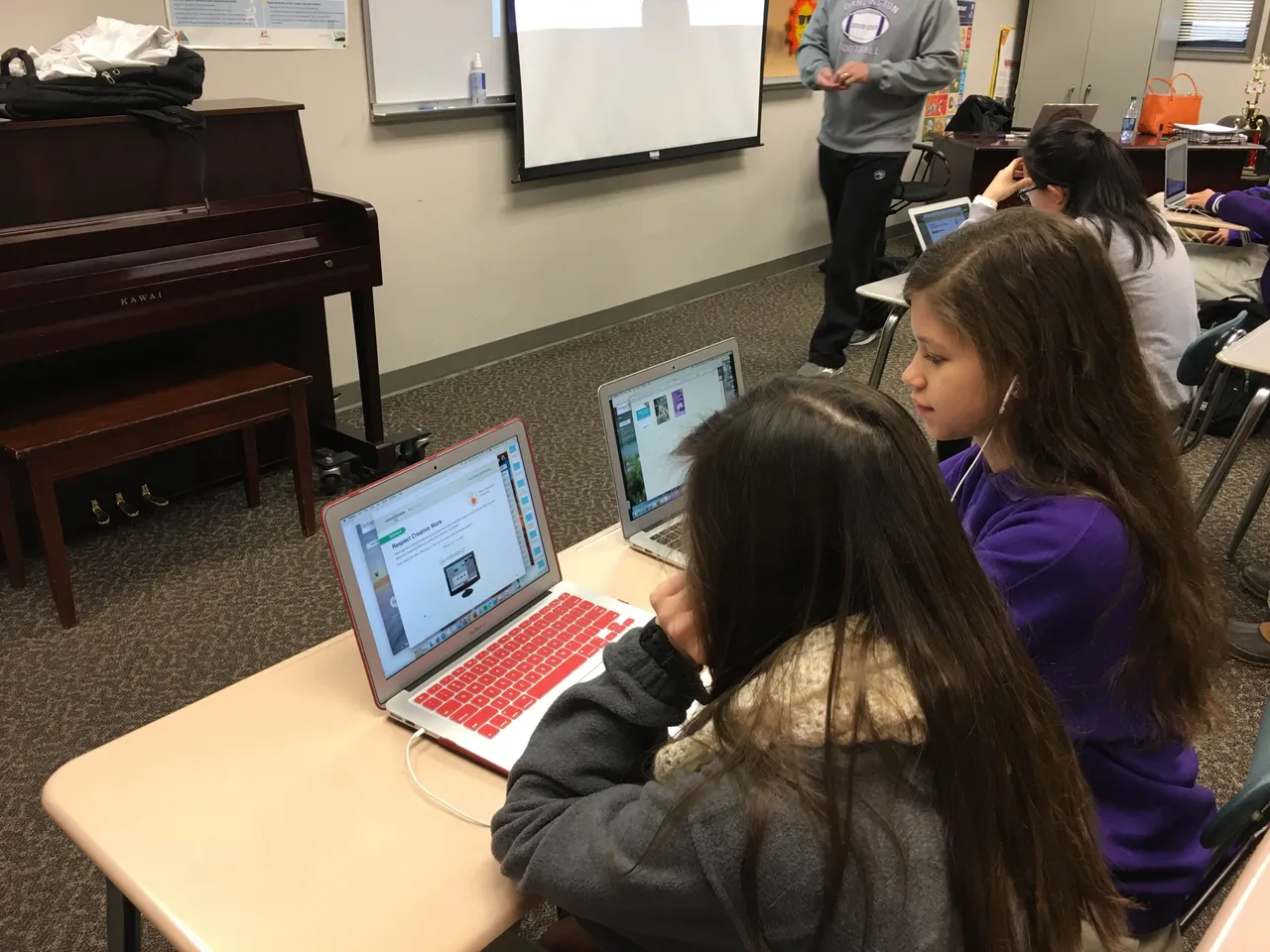
Teaching Digital Citizenship and Internet Safety is essential so students learn to connect, collaborate, and communicate responsibly and safely.
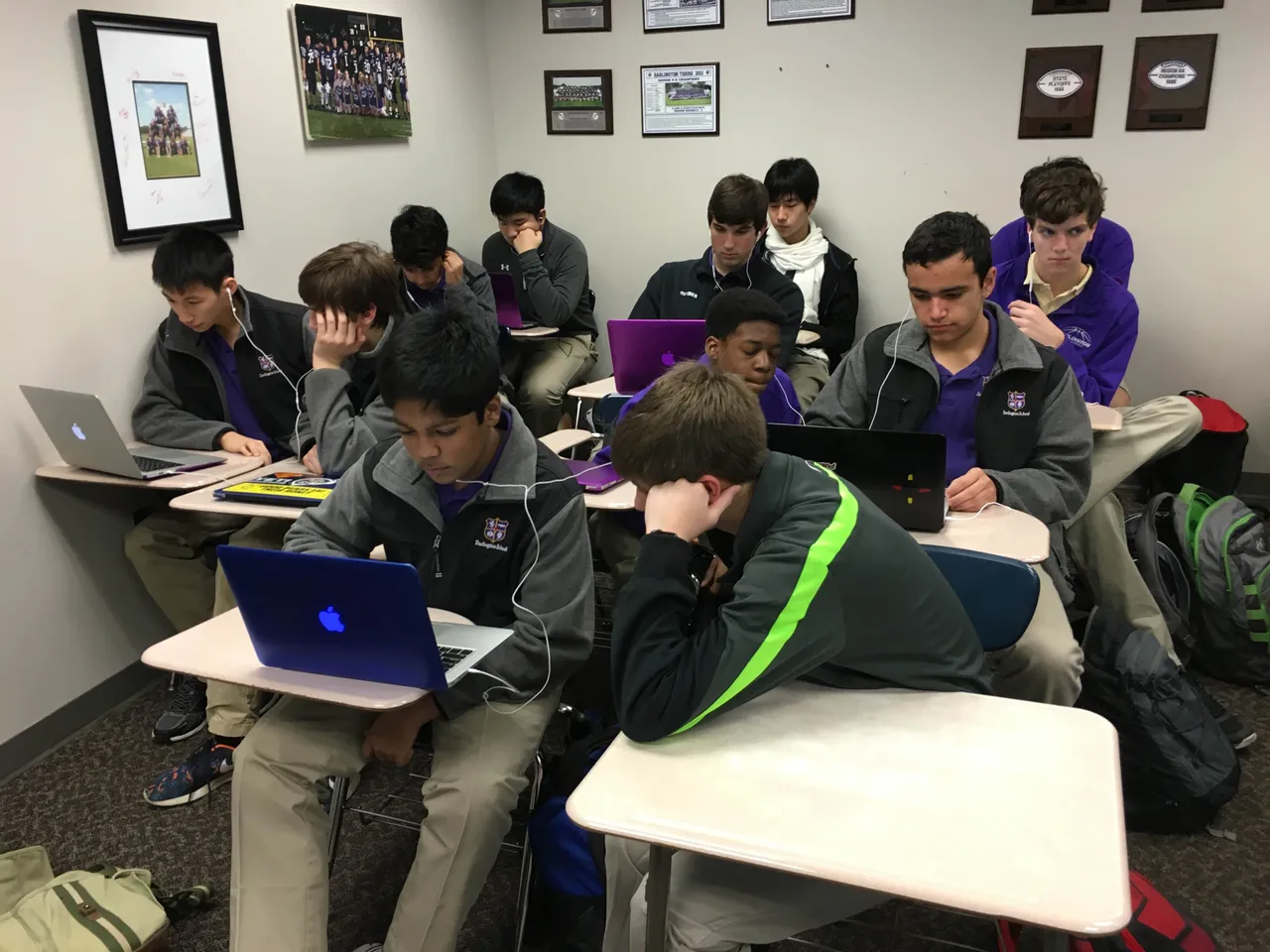
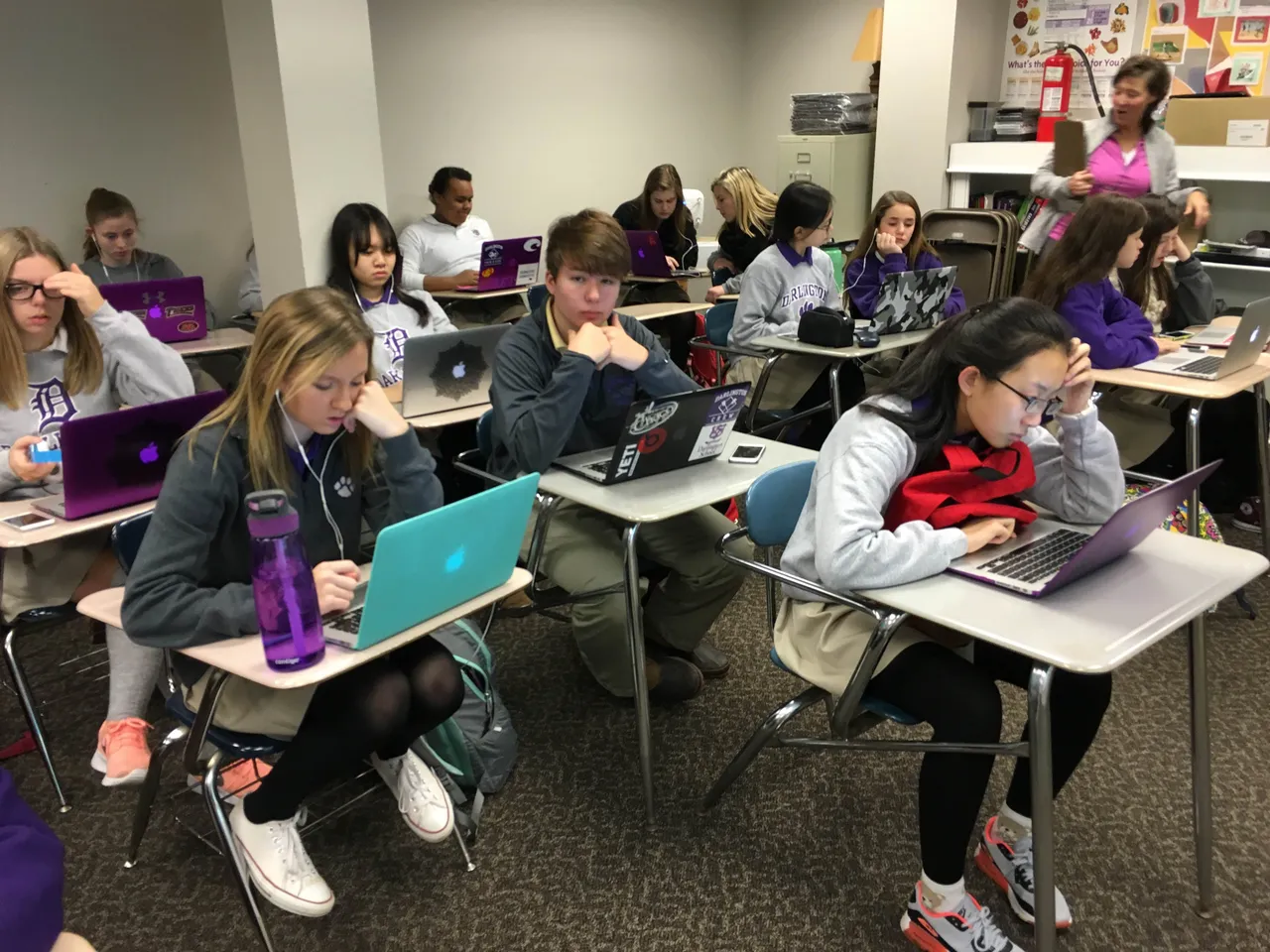
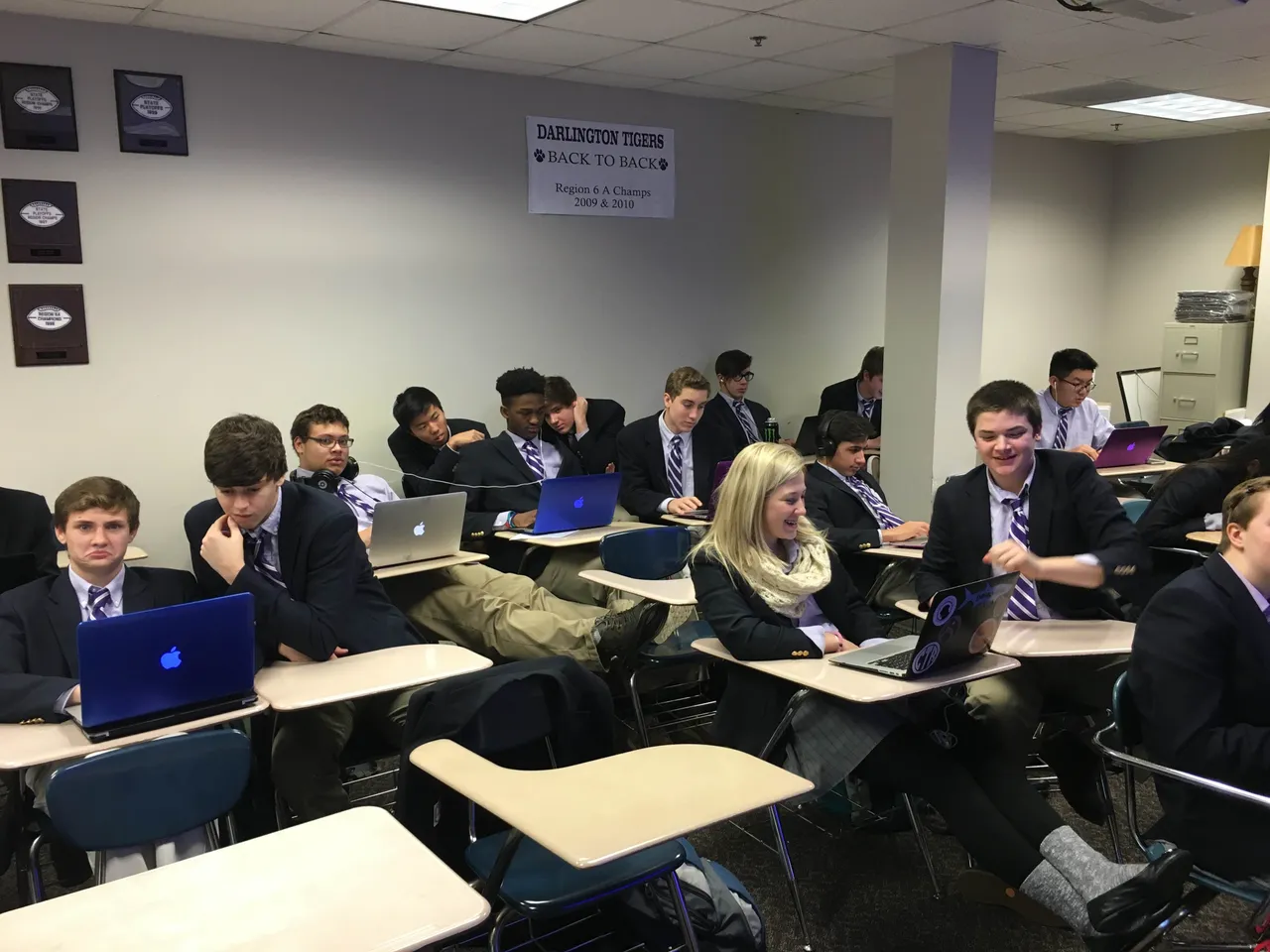
Recently, ninth-grade students completed a four-week Digital Citizenship and Internet Safety course in their Health and Physical Education classes. Students downloaded an iBook, published by Common Sense Media, to complete the work online. The Digital Citizenship and Literacy Workbook allowed students to collaborate in pairs to watch videos, complete activities and assessments, and submit all of their work to me! I was able to grade the material and provide instant feedback to assist students in the classroom and at home.
I have provided Internet safety and digital citizenship instruction for several students in this class for the past three years. I was also blessed to be the kindergarten and fourth-grade teacher of many of them. I literally watched them “grow up” and know them well. I felt it was important to find and use a different and meaningful resource so this course would not seem repetitive, and would tackle issues relevant to their lives at this time.
When asked about the class and curriculum, freshman Ram Miniyar said, “The online workbook was efficient, and the real world examples provided ideas you can discuss and share.”
Natalie Horah stated, “I enjoyed having the opportunity to work with a partner and share our opinions. Our answers were stronger because we worked together.”
Olivia Harper liked using the online book because, “It was convenient and you could work on it in class and at home.”
The class ended with a scheduled ninth-grade advisory time where students had an opportunity to summarize the material they learned.
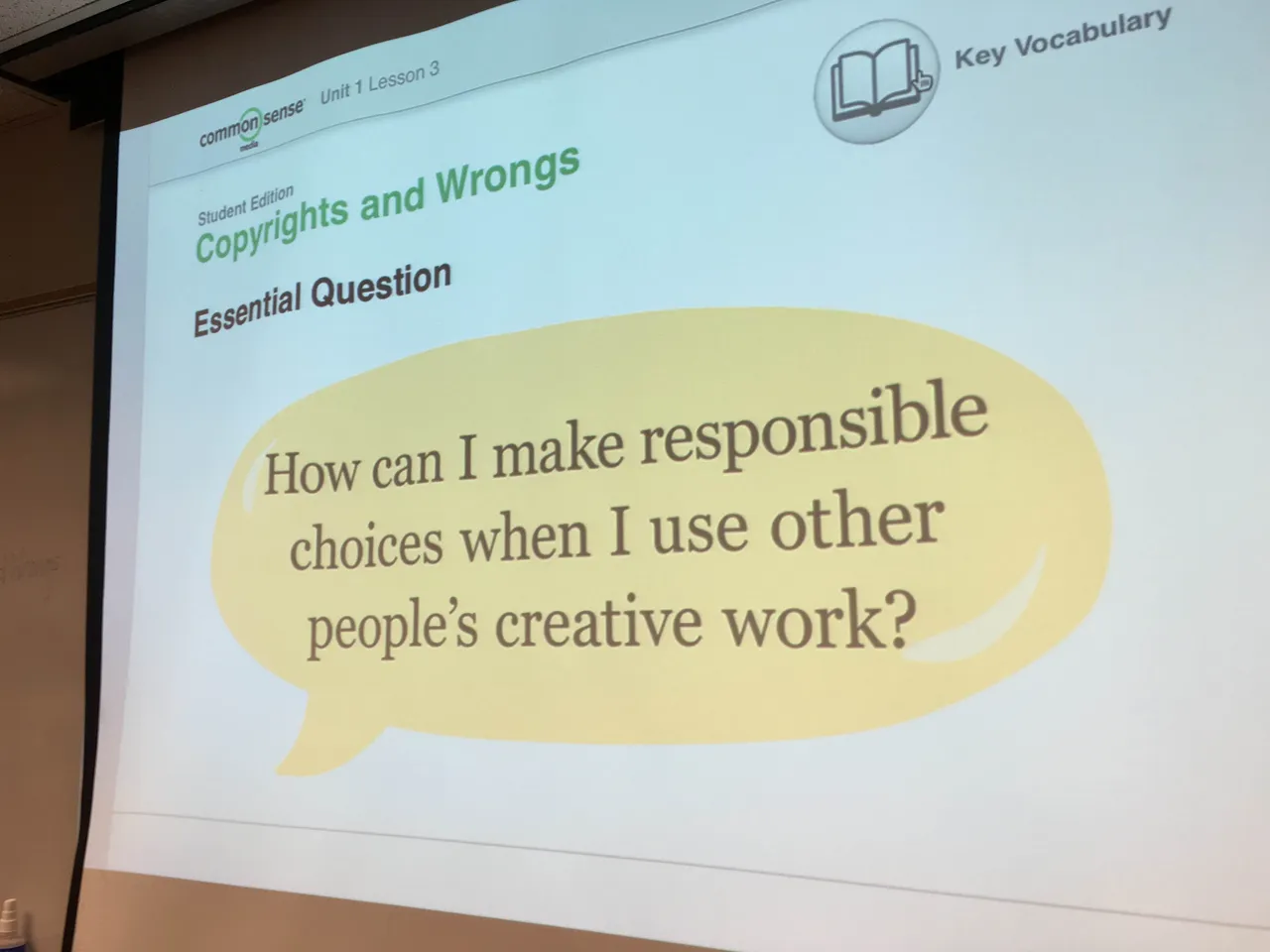
Each section of the workbook provides an essential question students prepare to answer. Several questions are provided below and focus on important topics students need to understand in this digital world.
- What are the consequences of oversharing online?
- How can I make responsible choices when I use other people’s creative work?
- Are girls and boys judged differently when they post pictures online?
- What factors intensify cyberbullying and online cruelty, and what can you do to lessen them?
- How do you present yourself to the world online and offline?
- What are the risks and responsibilities when you share online in a relationship?
- How can you tell when an online relationship is risky?
- How does online cruelty affect the people involved?
- How can information you post on the Internet affect your future opportunities?
- How can you respect the privacy of others online?
- How can you create a community culture in which hate speech is unacceptable, both online and offline?
- What are the creative and ethical aspects of digital photo manipulation?