NewsUpper SchoolStudent LifeFaculty/StaffAlumniAdvancementServiceCollege GuidanceResidential Life
Croissants and Sushi, symbols of cultures melding at Darlington
Nov 19, 2003 8:00 AM
By Stefan Eady - Faculty
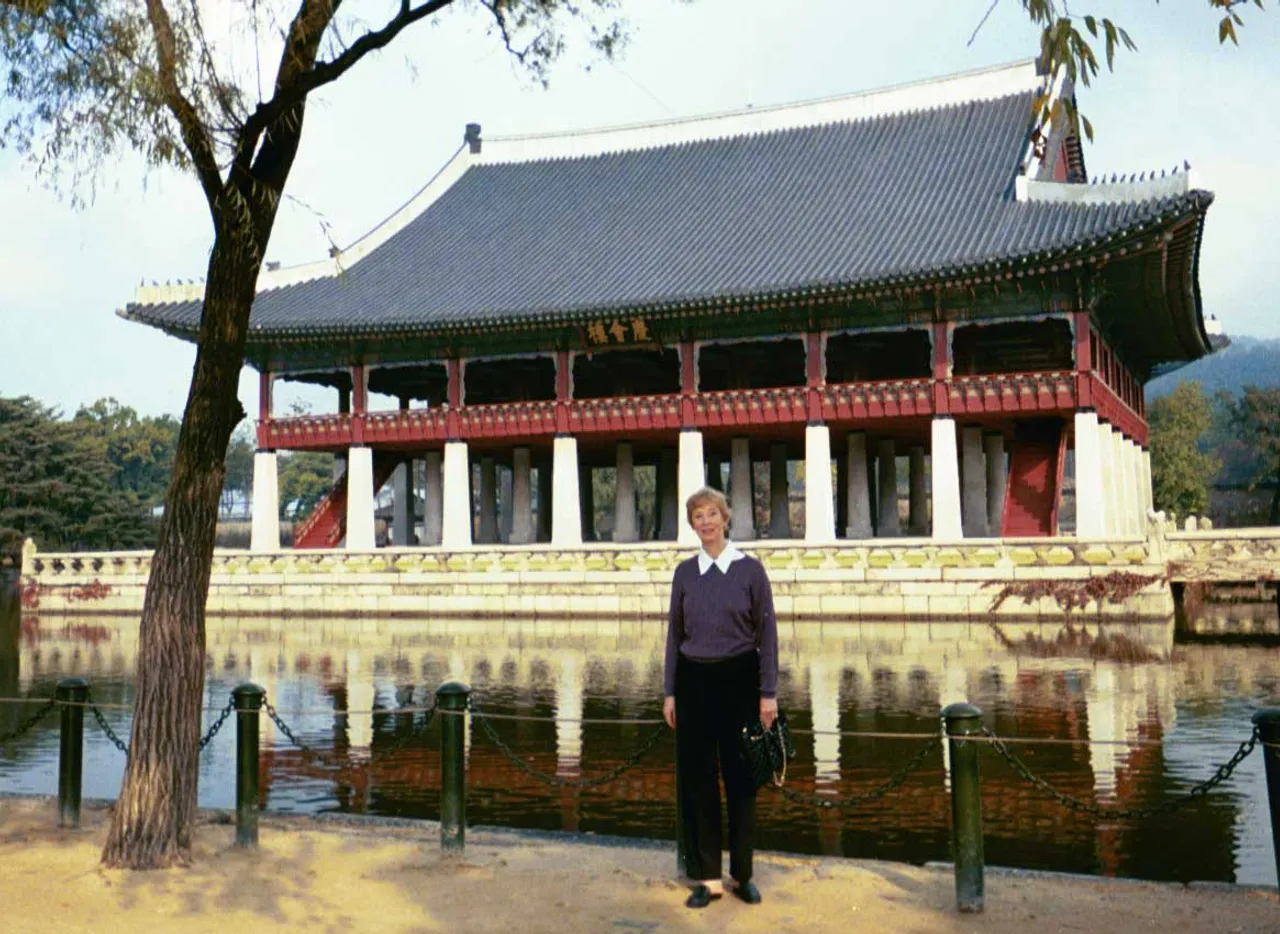
Betsy Awsumb, ESL instructor, director of international students, and International Club adviser, writes about her travel this fall to Asia to meet with prospective families who might be interested in sending their children to Darlington and to reconnect with Darlington alumni and their families. Having taught Darlington students from 64 countries since 1989, Awsumb is literally the international face of Darlington.
Sitting at the breakfast table at my hotel in Seoul, I glanced at the Asian couple at the next table. They had just returned from the buffet with their plates, and their choices were a vivid metaphor to me of our 21st century world – along with the tea they were drinking, their breakfast consisted of croissants and sushi.
My two-week trip to East Asia in late October was multi-purpose, and it reinforced for me how well Darlington has positioned itself for the 21st century. The structure of the trip was organized around the TABS (The Association of American Boarding Schools) Asia series of five admissions fairs, one each in Tokyo, Seoul, Singapore, Bangkok, and Taipei. In each of those cities I had the opportunity to present Darlington to families of students who are interested in studying in American high schools. It was impressive to me to see the very large number of families who are willing to send their children halfway around the world in order that these students can have the opportunity to live and learn among Americans. I also had the chance to meet with a number of education consultants who advise families about American boarding schools. I look forward to welcoming several of the students that I met and interviewed to our campus next August.
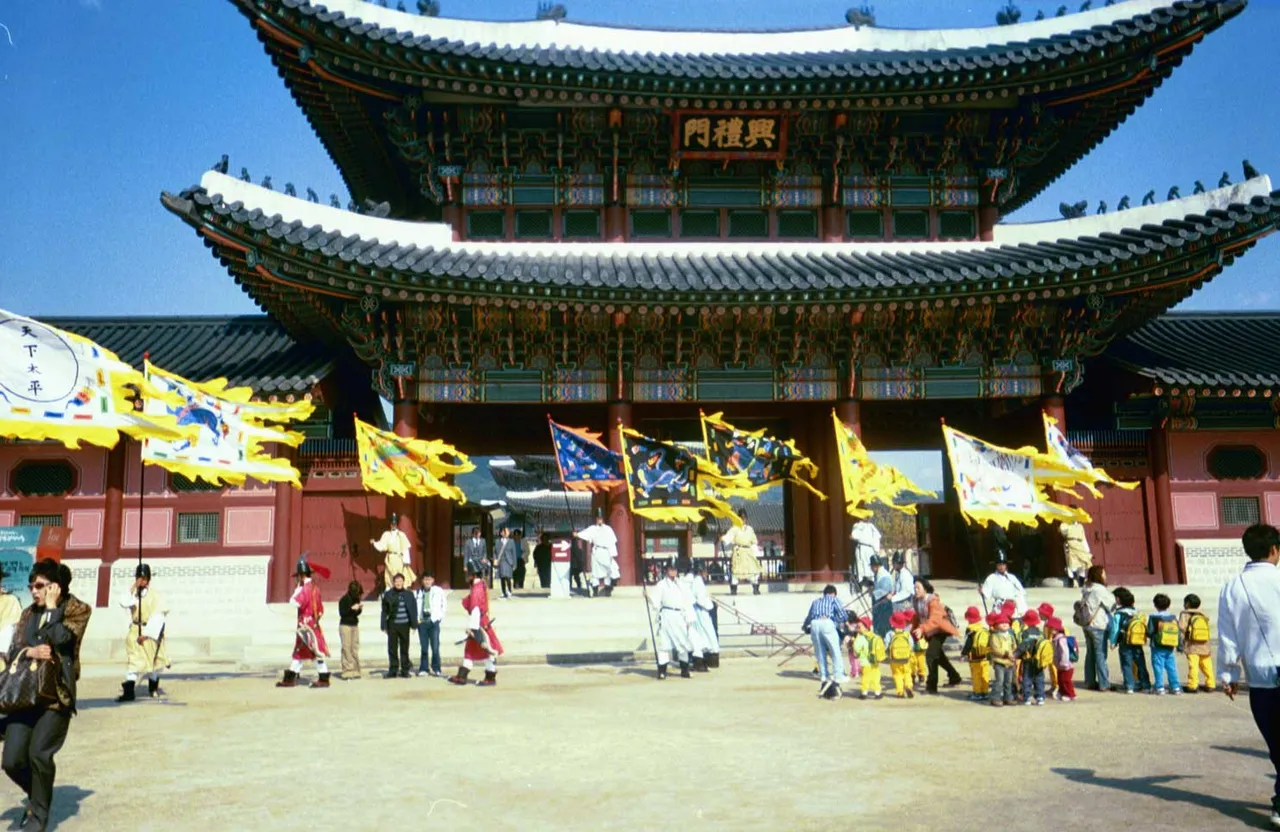
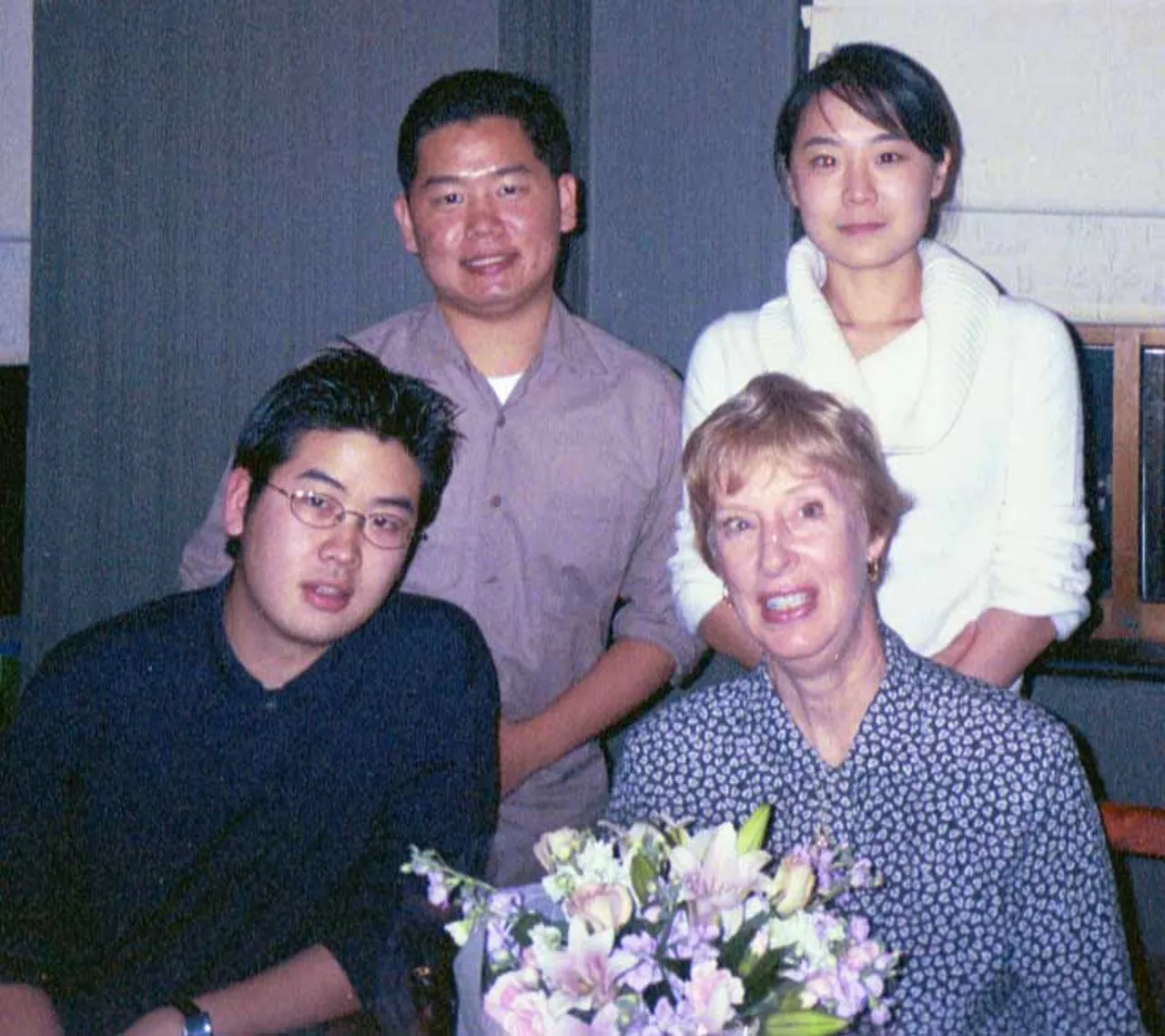
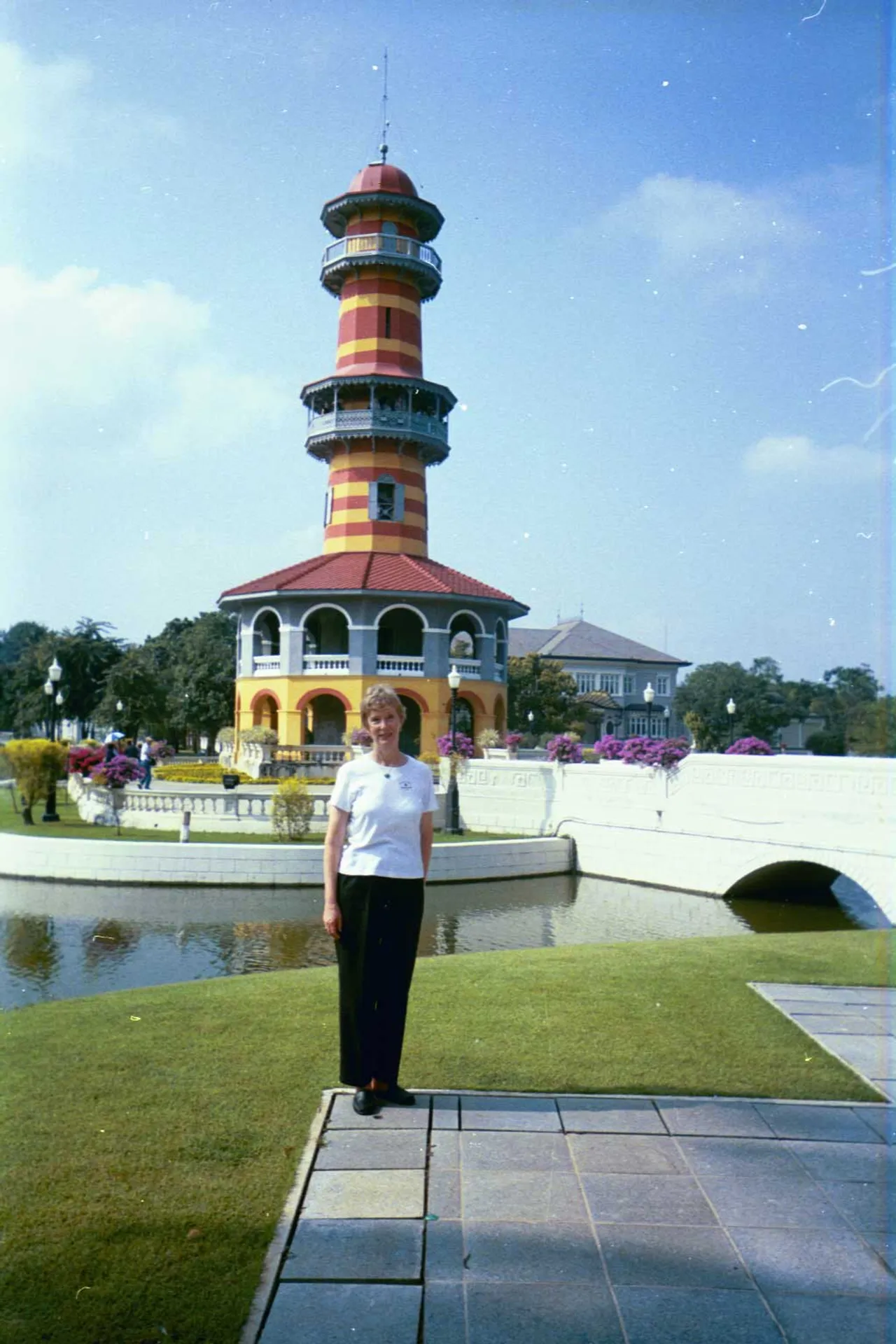
The remaining part of my trip was devoted to spending time with current and former parents and with alumni. In Tokyo there were 17 people at the Darlington party, including graduates spanning from 1967 to 1997. In Seoul I enjoyed a 20-dish traditional Korean banquet, arranged by Hee Ja and Je Yeong Park, parents of John Park ’05, and attended by 27 Darlington parents and alumni. Also, several of the mothers of current students and I visited together the recently restored palace of the last king of Korea, crowded with many excited groups of schoolchildren on their field trips on a brisk fall day. In Bangkok, 21 parent and alumni friends of Darlington joined me for a Thai seafood dinner arranged by Surine and Suchitra Minesuk, parents of Two Minesuk ’00. Other alum and current parents showed me the former capital of Thailand, Ayuthaya, and several interesting cultural sites in the western part of Thailand. It was such a pleasure for me to get to know current parents better, to renew friendships with former parents and Darlington graduates, and to experience the culture and the hospitality of Darlington communities in Asia. I hope that this will be the beginning of a tradition, as many people expressed the desire for annual Darlington parties in their cities.
The world of the future – sushi and croissants – and Darlington is there!
Awsumb has taught English as a Second Language at Darlington School, Rome, Ga., since 1989. But, her love of other cultures was first ignited during her junior year at Rhodes College, Memphis Tenn., where she spent a full year abroad visiting Spain, Italy, Austria, France, the Mediterranean, Germany, and England.
She received a bachelor’s degree in religious studies from Rhodes in 1963. Then, she attended the University of Memphis where she earned a master’s of arts degree in curriculum and instruction in 1965.
Her teaching experience began in French and English in upper elementary grades for three years and continued in high school French. After she earned Georgia certification for teaching foreign language in high school in the early 80s, she spent a couple of years tutoring foreign students attending Darlington School. For the next five to six years, she served as a reader for grammar problems in theme papers that Darlington students had to turn in weekly.
Awsumb earned certification to teach ESL in 1988 from Georgia State University, Atlanta. She started an adult ESL program at Sara Hightower Library in Rome that still continues today. Her first class consisted of 12 Mexican men.
Awsumb’s ESL students at Darlington tend to be highly literate and academically proficient in English. All are going to college and are generally well read and sophisticated. They are interested in learning about other cultures and want to learn how to converse in English. Her class sizes are small, usually six to eight, which allows everyone to participate. Most of her students are Asian, but she has had Spanish, German, Swiss, Italian, and Saudi Arabian students as well.
“I am very lucky to teach foreign high school students in the educational environment that Darlington offers,” Awsumb said. “The class size is small, the students are intelligent and motivated, and Darlington is committed to providing a support system for them. I have developed lifetime relationships with many of our international alumni,” she said.
When her husband, George, who also teaches at Darlington, nearly died and had a heart transplant and again after the 9/11 terrorist attacks, Awsumb received cards and e-mails of support from around the world. “Many tell me that I am like a mother to them and I certainly consider them part of our family,” Awsumb has said.
Sitting at the breakfast table at my hotel in Seoul, I glanced at the Asian couple at the next table. They had just returned from the buffet with their plates, and their choices were a vivid metaphor to me of our 21st century world – along with the tea they were drinking, their breakfast consisted of croissants and sushi.
My two-week trip to East Asia in late October was multi-purpose, and it reinforced for me how well Darlington has positioned itself for the 21st century. The structure of the trip was organized around the TABS (The Association of American Boarding Schools) Asia series of five admissions fairs, one each in Tokyo, Seoul, Singapore, Bangkok, and Taipei. In each of those cities I had the opportunity to present Darlington to families of students who are interested in studying in American high schools. It was impressive to me to see the very large number of families who are willing to send their children halfway around the world in order that these students can have the opportunity to live and learn among Americans. I also had the chance to meet with a number of education consultants who advise families about American boarding schools. I look forward to welcoming several of the students that I met and interviewed to our campus next August.
The remaining part of my trip was devoted to spending time with current and former parents and with alumni. In Tokyo there were 17 people at the Darlington party, including graduates spanning from 1967 to 1997. In Seoul I enjoyed a 20-dish traditional Korean banquet, arranged by Hee Ja and Je Yeong Park, parents of John Park ’05, and attended by 27 Darlington parents and alumni. Also, several of the mothers of current students and I visited together the recently restored palace of the last king of Korea, crowded with many excited groups of schoolchildren on their field trips on a brisk fall day. In Bangkok, 21 parent and alumni friends of Darlington joined me for a Thai seafood dinner arranged by Surine and Suchitra Minesuk, parents of Two Minesuk ’00. Other alum and current parents showed me the former capital of Thailand, Ayuthaya, and several interesting cultural sites in the western part of Thailand. It was such a pleasure for me to get to know current parents better, to renew friendships with former parents and Darlington graduates, and to experience the culture and the hospitality of Darlington communities in Asia. I hope that this will be the beginning of a tradition, as many people expressed the desire for annual Darlington parties in their cities.
The world of the future – sushi and croissants – and Darlington is there!
Awsumb has taught English as a Second Language at Darlington School, Rome, Ga., since 1989. But, her love of other cultures was first ignited during her junior year at Rhodes College, Memphis Tenn., where she spent a full year abroad visiting Spain, Italy, Austria, France, the Mediterranean, Germany, and England.
She received a bachelor’s degree in religious studies from Rhodes in 1963. Then, she attended the University of Memphis where she earned a master’s of arts degree in curriculum and instruction in 1965.
Her teaching experience began in French and English in upper elementary grades for three years and continued in high school French. After she earned Georgia certification for teaching foreign language in high school in the early 80s, she spent a couple of years tutoring foreign students attending Darlington School. For the next five to six years, she served as a reader for grammar problems in theme papers that Darlington students had to turn in weekly.
Awsumb earned certification to teach ESL in 1988 from Georgia State University, Atlanta. She started an adult ESL program at Sara Hightower Library in Rome that still continues today. Her first class consisted of 12 Mexican men.
Awsumb’s ESL students at Darlington tend to be highly literate and academically proficient in English. All are going to college and are generally well read and sophisticated. They are interested in learning about other cultures and want to learn how to converse in English. Her class sizes are small, usually six to eight, which allows everyone to participate. Most of her students are Asian, but she has had Spanish, German, Swiss, Italian, and Saudi Arabian students as well.
“I am very lucky to teach foreign high school students in the educational environment that Darlington offers,” Awsumb said. “The class size is small, the students are intelligent and motivated, and Darlington is committed to providing a support system for them. I have developed lifetime relationships with many of our international alumni,” she said.
When her husband, George, who also teaches at Darlington, nearly died and had a heart transplant and again after the 9/11 terrorist attacks, Awsumb received cards and e-mails of support from around the world. “Many tell me that I am like a mother to them and I certainly consider them part of our family,” Awsumb has said.