Cooper's principles yield 100 years of service beyond self

By Stefan Eady - Faculty
special thanks to Stephanie Chastain for research contributions
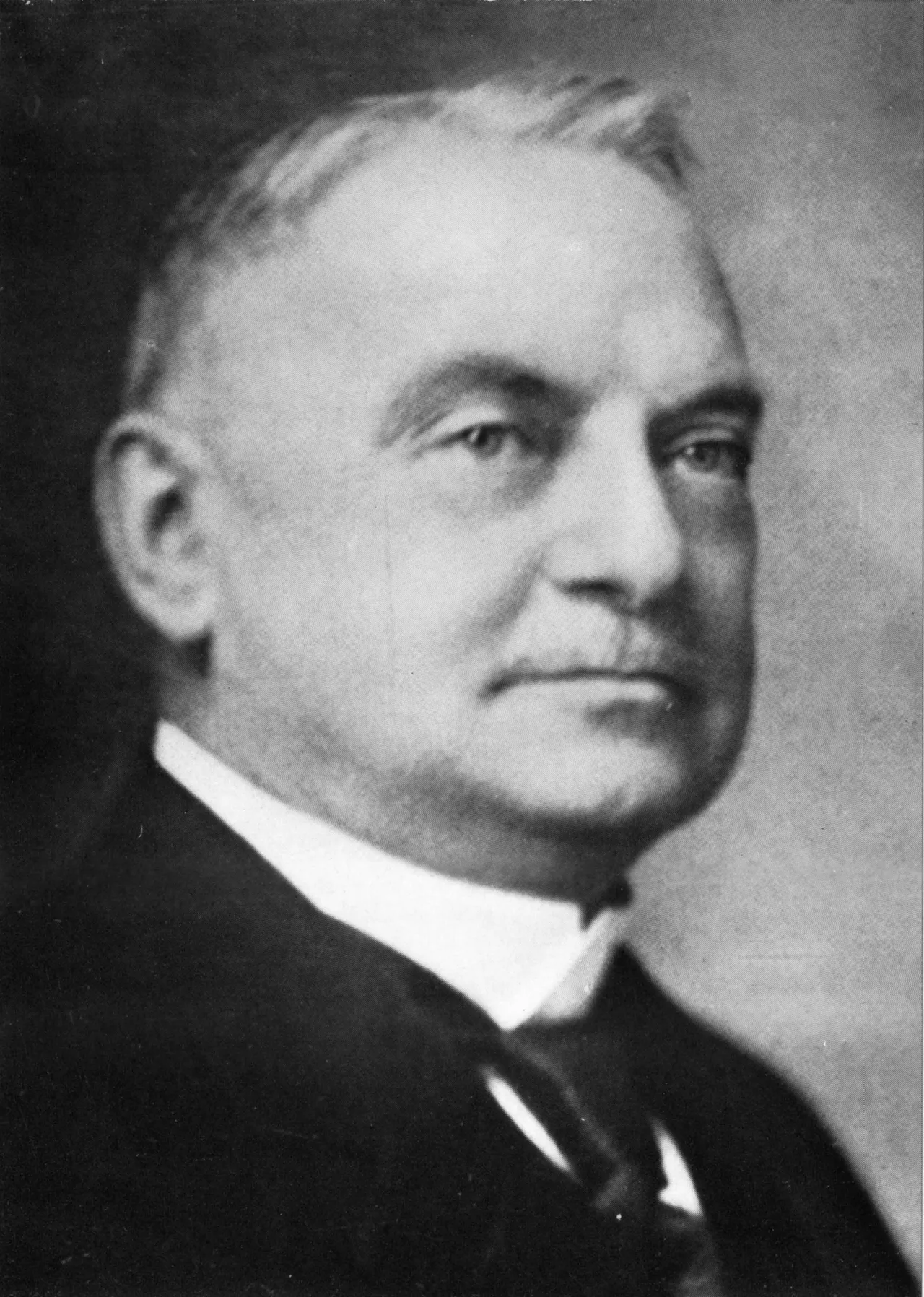
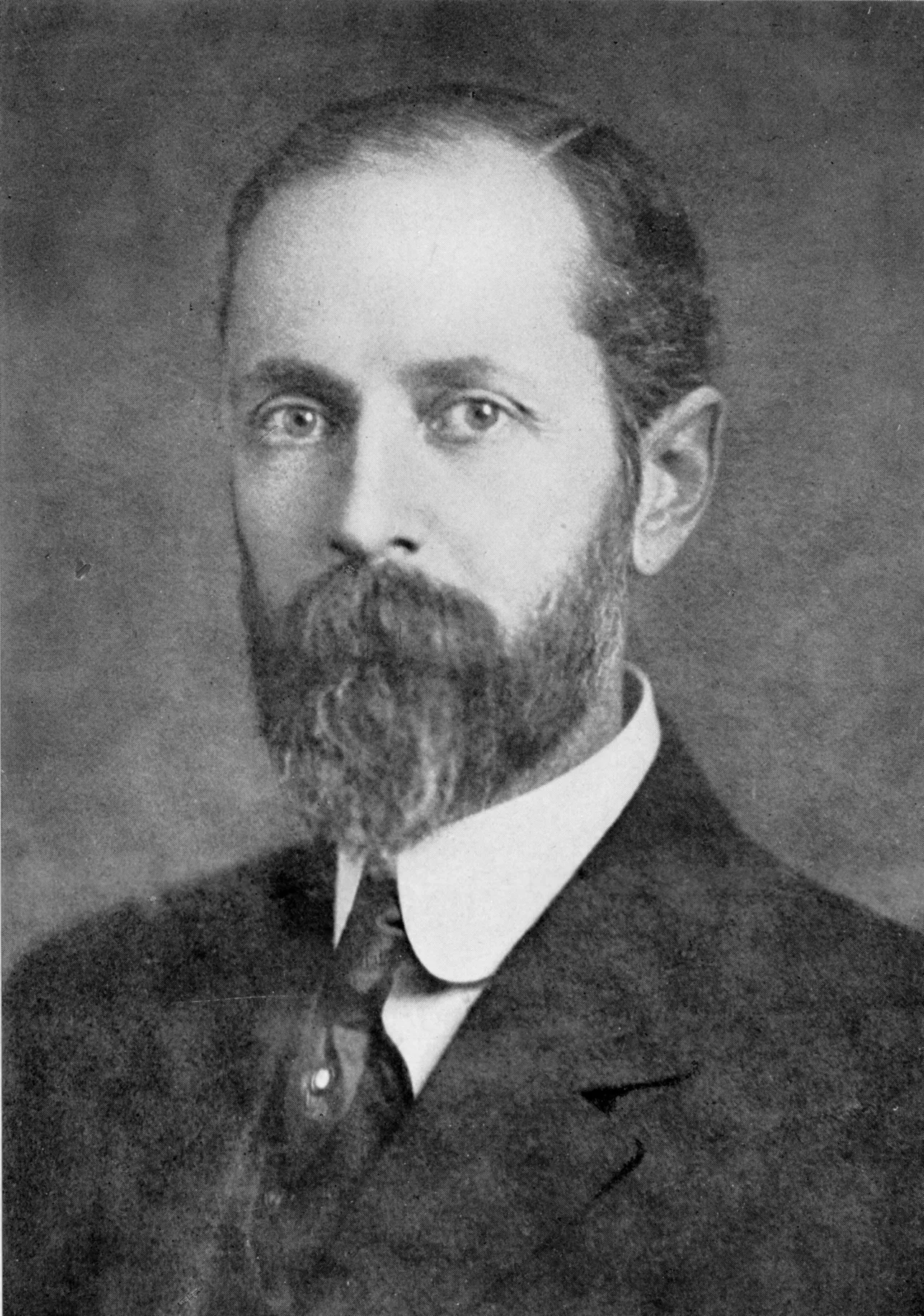
WISDOM MORE THAN KNOWLEDGE; SERVICE BEYOND SELF; HONOR ABOVE EVERYTHING. THOUGH THE NEARLY 100-YEAR OLD SCHOOL DID NOT ADOPT THE CURRENT MOTTO UNTIL 1998*, THE PRECEPTS CONTAINED THEREIN HAVE BEEN INTEGRAL PARTS OF DARLINGTON SINCE ITS CREATION IN 1905-ESPECIALLY CONSIDERING THE DEEDS OF THE SCHOOL'S FOUNDER, JOHN PAUL COOPER.
THE DESIRE FOR ACADEMIC EXCELLENCE, INTEGRITY, AND SELFLESSNESS,were part of the School at its establishment. For example, a well-known philanthropist in Floyd County, Cooper promised to build the School and match monetary contributions up to $50,000 if the people of Floyd County donated that amount.
An article printed in the Rome News Tribune at the time drew the community’s attention to the gem it had in Cooper and acknowledged his concern for the well-being of others: “Seldom has any city or community received a proposal for furtherance of public welfare more generous than that which was made by J. Paul Cooper for the establishment of Darlington School on a permanent and self sustaining basis…Few citizens of the South are so fortunate as to count among their citizens a man of substantial fortune who are possessed of such liberality and such high ideals for the advancement of future generations” (The Story of Darlington School, J. Daniel Hanks ’27). And according to Dr. Ross McCain, the School’s first headmaster, Mr. and Mrs. Cooper, in addition to personally supervising the erection and equipping of the buildings, assumed the entire responsibility of securing the student enrollment for the years 1905-06 (Hanks Online Archives).
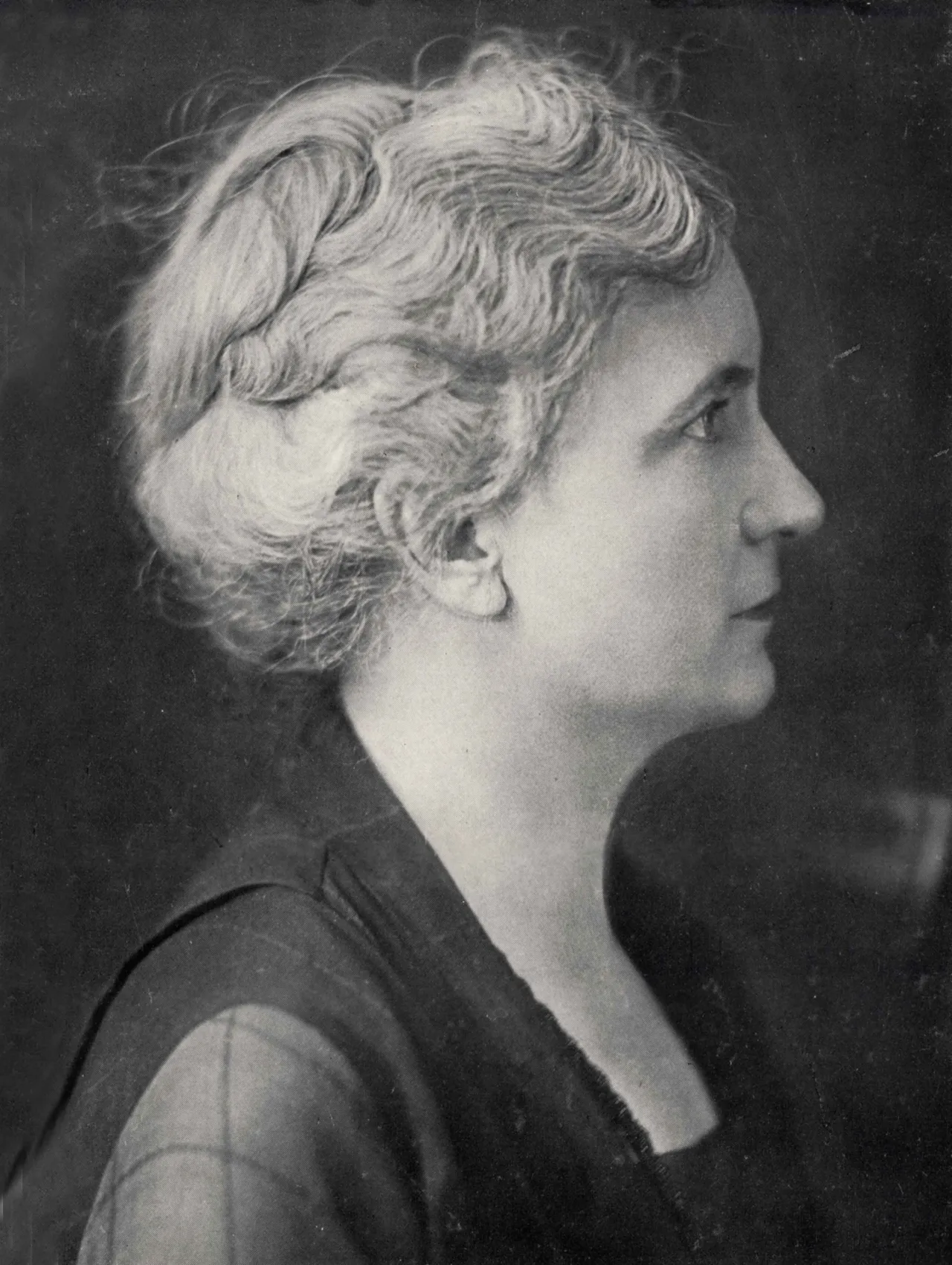
Cooper’s principles have not dissipated, in fact 32 years later, students acknowledged his generosity in the School’s yearbook: “Of greater importance than the large financial investments made in the enterprise was the personal interest, time, and thought which both Mr. and Mrs. Cooper gave the project” (Jabberwokk, Dedication). With this one man’s willingness to serve beyond benefiting himself to better the community, a long tradition of service at Darlington began and is still very much alive and well today.
Cooper was not the sole man of integrity, generosity, and humility of the era. Because Rome had did not have a high school at the time, the name Rome High School was given to the institution Cooper founded (The Story of Darlington School, Hanks). When the Rome community founded a school, Cooper agreed to rename his school. He asked a former teacher whom he respected, J.J. Darlington, if he could name the school after him.
Cooper revered Mr. Darlington as did many other students in the Proctor School where Darlington taught and Cooper attended, “for his scholarly attainments, respected him for his Christian character, and loved him for his very manhood and humor,” (Jabberwokk, Dedication). Hooper Alexander from Atlanta, another pupil of J.J. Darlington who attended Proctor School, recalled Darlington’s unusual character in a letter to the Honorable F. Regis Noel, a former associate and friend of Darlington:
It would be hard to say just wherein lay the qualities that so endeared him to the school and to the town. His demeanor was so modest and unobtrusive and his individuality, although definite and pronounced, was so little manifest that I have never quite understood the secret of it. What I do know is this, that upon the boys who attended the school, he left an ineffaceable impression, and, I think, he largely influenced their future lives. I believe I am warranted in saying that he influenced them for good to themselves and their country (Jabberwokk, Dedication).
Unsurprisingly, J. J. Darlington did not want his name to represent the School because he thought himself unworthy of such an honor. Recognizing but refusing to accept his mentor’s humility, Cooper named the School after Darlington. The modesty and generosity seen in both of these men set the foundation for the School’s consistent message of service beyond self.
DARLINGTON'S ONGOING COMMITMENT TO SERVICE IS APPARENT through the motto and mission** (adopted in 1998), and through the many activities, volunteered hours, and service-oriented clubs found across all three campuses. And it goes beyond the School’s boundaries, continuing in the lives of alumni.
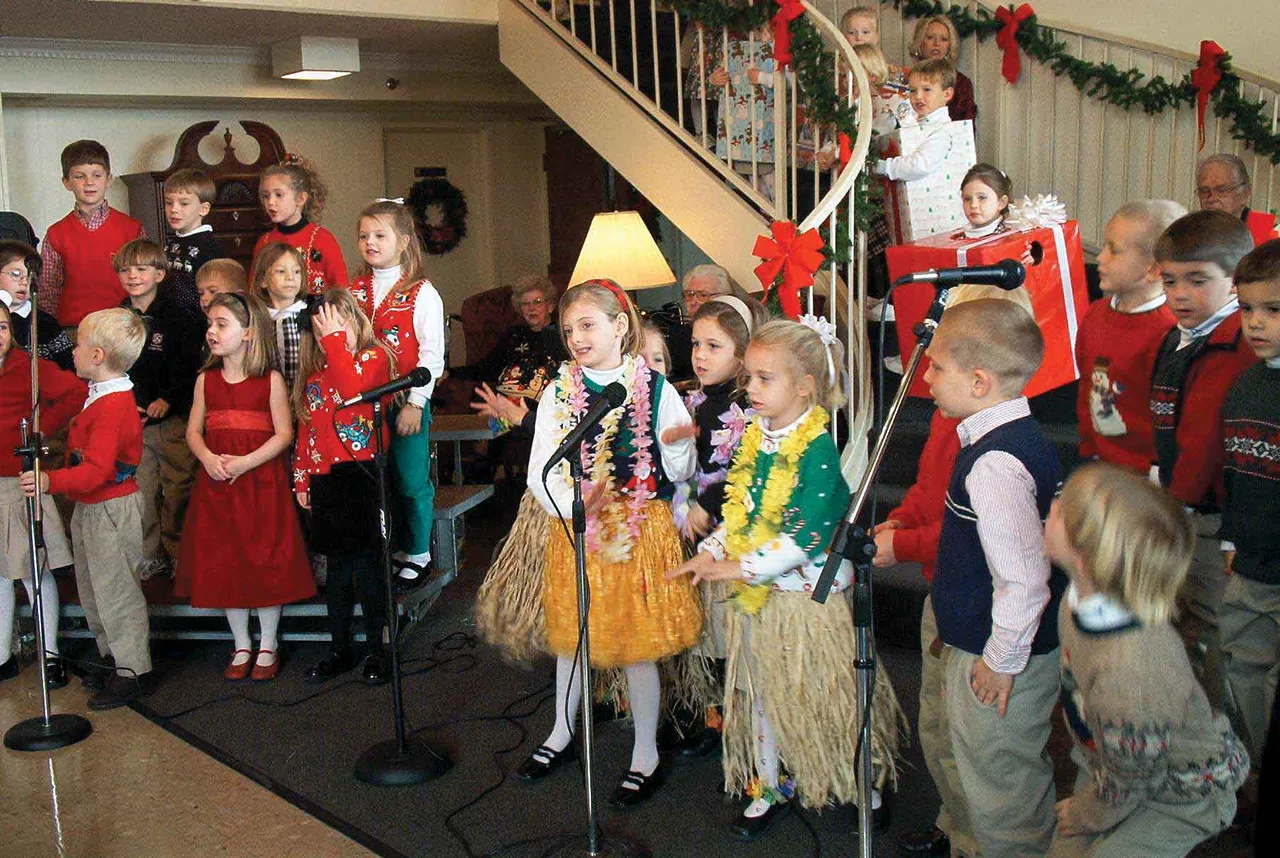
Darlington begins teaching the importance of community service at the lowest academic levels, in pre-kindergarten and continues these lessons through the Upper School. Every class at the Lower School participates in outreach projects along with school-wide undertakings.
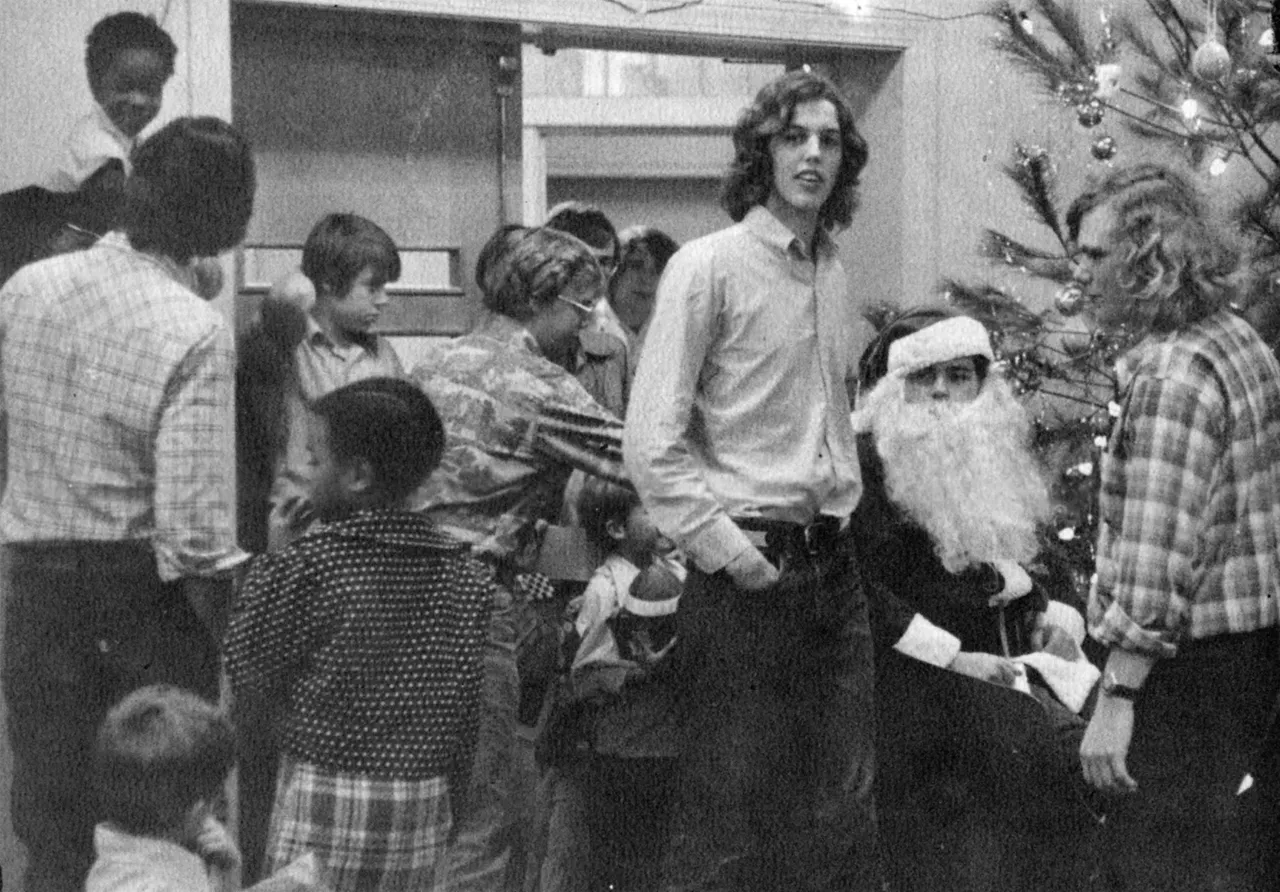
Middle School students have a contagious enthusiasm for giving and are notorious for their annual community service efforts that include fundraising, food, toy, and paper product drives, and hosting holiday celebrations for a local daycare center.
At the Upper School, student organizations, each House, and individuals give countless volunteer hours to the community. And some service projects are so familiar that they have become established traditions. Darlington Christmas (previously White Christmas) is just such a program and receives almost 100 percent student participation.
Throughout the year, student organizations focus on individual causes. According to Betsy Awsumb, faculty adviser to Darlington’s chapter of Amnesty International, all the work done through the organization is service oriented. “During the 2002-03 academic year, we circulated six to eight petitions for human rights to governments around the world, educating students and faculty to abuses in our world,” Awsumb said. “Amnesty also had a T-shirt sale and accepted donations for needs of Iraqi citizens following the war.”
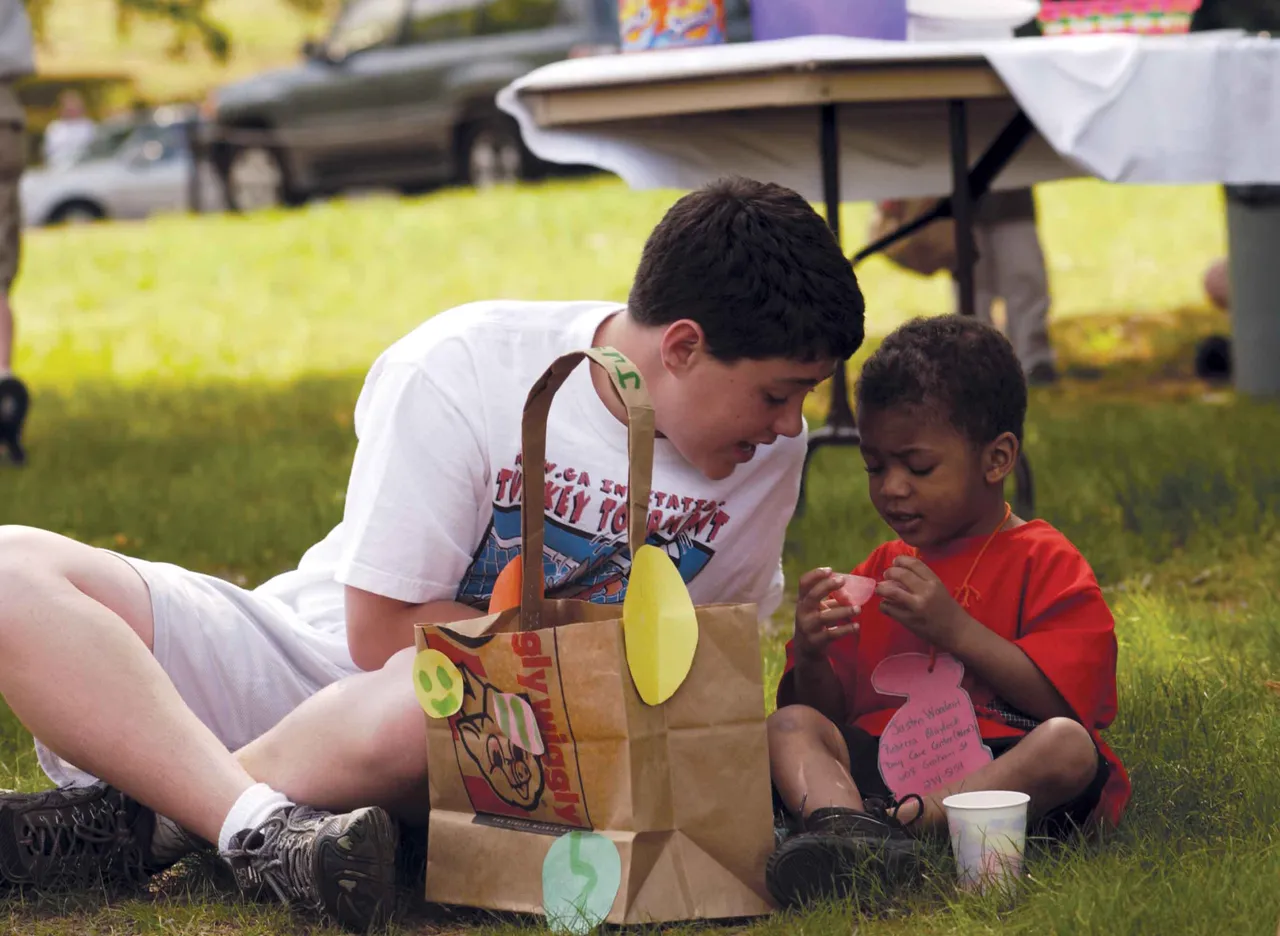
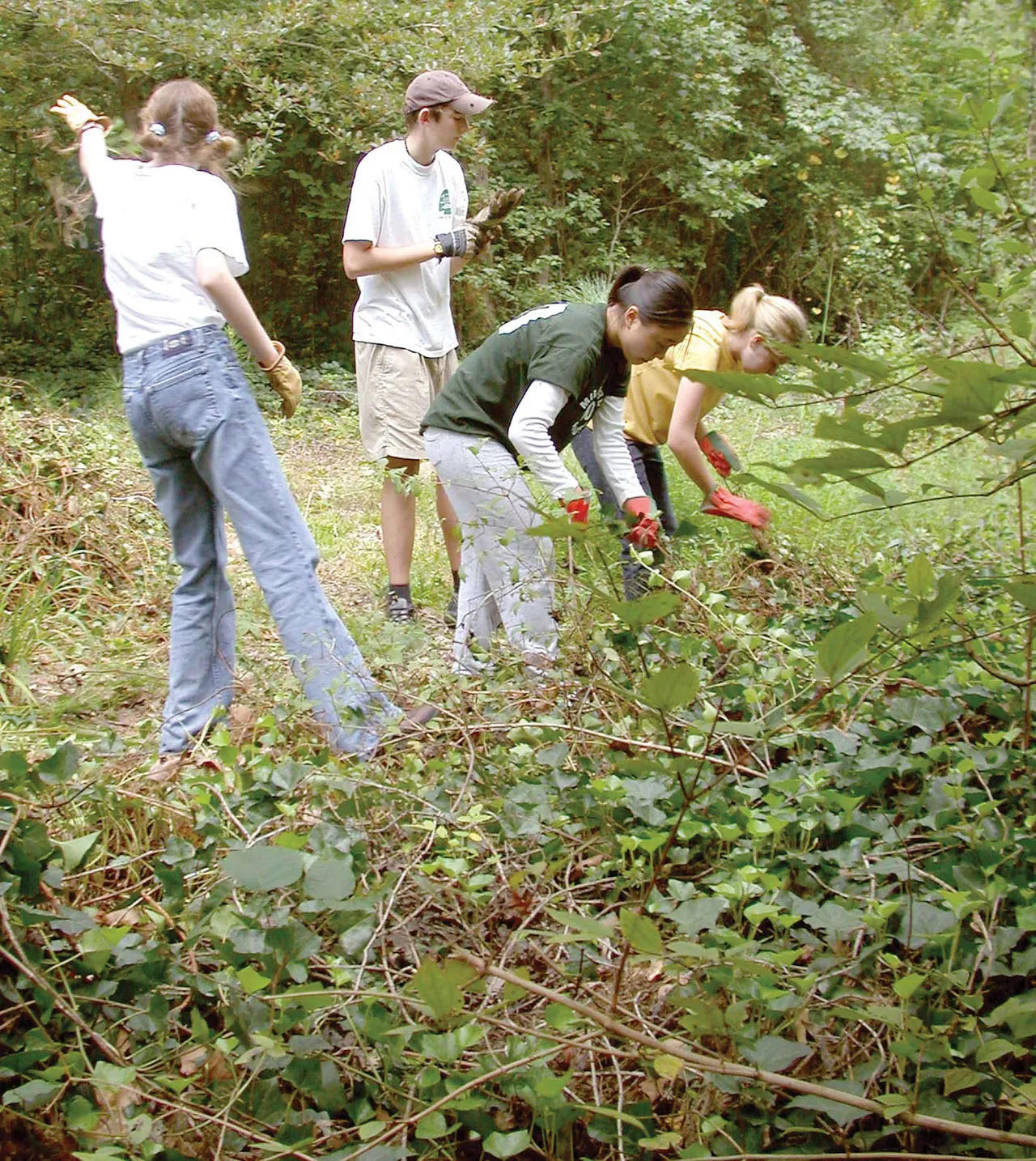
Community service opportunities abound and are even encompassed in the daily school schedule. Upper School students are able to volunteer through the after-school activity program (ASA). “We work closely with Rebecca Blaylock Child Development Center. Three days a week, we go to the center to read to the children and play games with them,” Bob McGraw, community service ASA adviser, said. “My group is also responsible for the school-wide recycling program… We divert several tons of paper, plastic, aluminum, and glass from the landfills each year. In addition to reducing the strain on the environment, the School also benefits via reduced tipping fees at the landfill and we get a small amount for the materials. The best thing about it is to see the kids learn the joys of service.”
Service is instilled so deep in the minds of Darlington students that often they volunteer outside School-sponsored efforts. During the summer of 2002, Garrett Manis ’03, with the help of classmates Russell Evans ’03 and William Krueger ’03, supervised and completed a house for Habitat for Humanity. At the same time, seniors Ellen Collier, Laura McGuire, and Erin Euler spent a week in rural Guatemala as missionaries working with children as part of a local church trip.
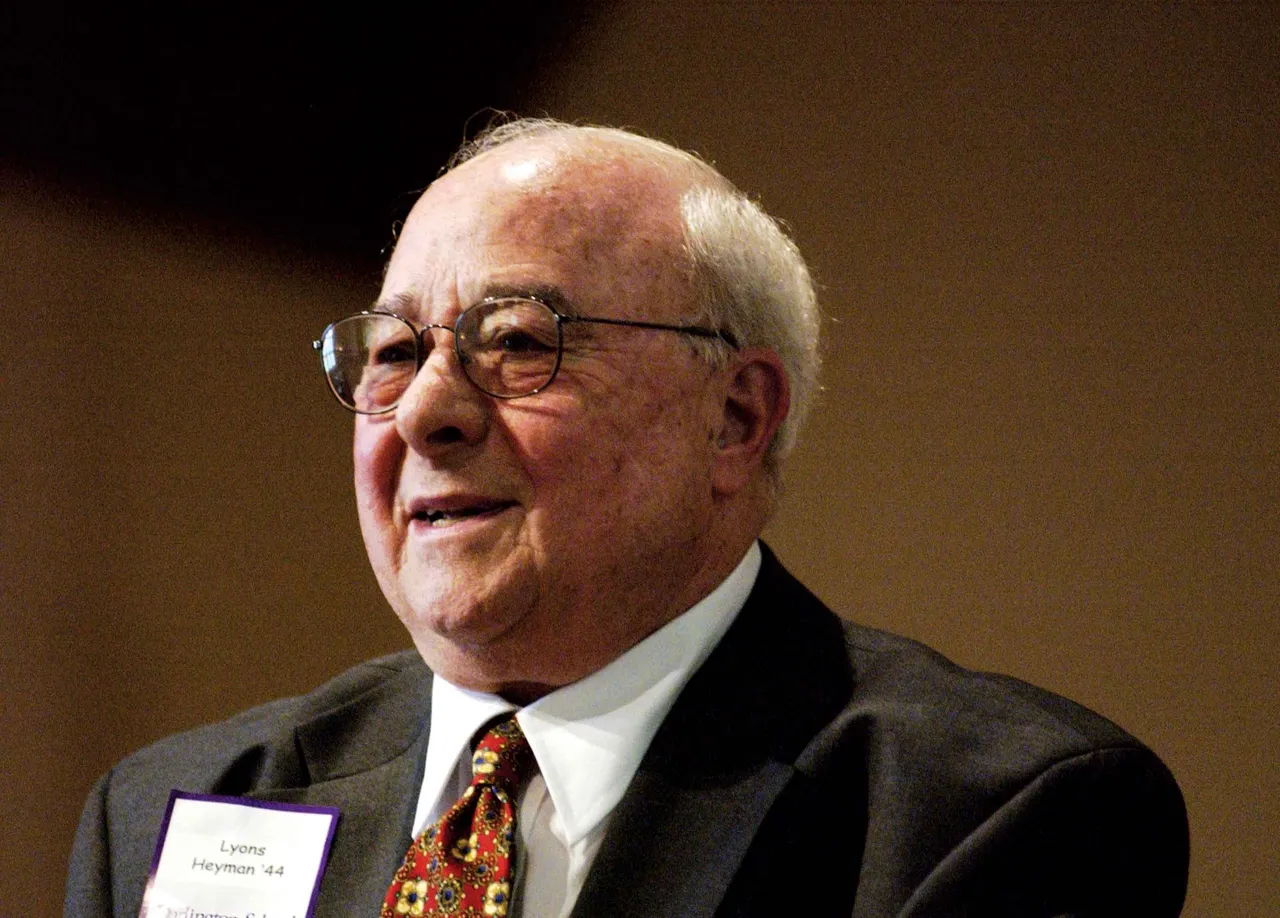
DARLINGTON GRADUATES CONTINUE THE COMMITMENT. FOR example, outside of United States borders Derek Minshew ’95, “Jack” Pace, Jr. ’57, and his son, John Paul III served various communities through the Peace Corps after graduation. After his experience with the Peace Corps, Jack became involved with several orphanages in the Dominican Republic and continues to make two trips each year to deliver supplies to the children. “A big part of the Peace Corps is about the exchange of ideas and helping to get people from different cultures to understand each other…I wish everybody could have a similar experience. I feel that, because of my Peace Corps experience, I have gained a deeper understanding of people and of the world,” Minshew said. “My experience has made me more critical of life in the United States, …and, at the same time, more grateful for all the amenities and freedoms we have here.” Minshew’s thoughts reflect the principles Darlington has continually sought to instill in the minds of students beginning with Cooper.
It remains true today, even in this complex and often conflicted global society, that one person can make a difference. From one teacher, Joseph James Darlington, who made an unforgettable difference in the life of John Paul Cooper, an entire community has grown, built on wisdom, service, and honor. Little could Cooper have known that a small private school for boys would for nearly 100 years cultivate the moral and spiritual lives of girls and boys, as well as their intellectual, physical, cultural, and social lives, so that their strength of character and sense of caring is felt around the world.
* Darlington archival research showed that the School published the following motto in student handbooks regularly from 1923-42 and then again consistently from 1952-71: Unselfishly Dedicated to Youth.
** Community service related segment of the Mission Statement: “… To impart the high calling of service to others.”