Confluence: Improving lives through technology

By Hannah (Harper) Kumpf '15 - '15
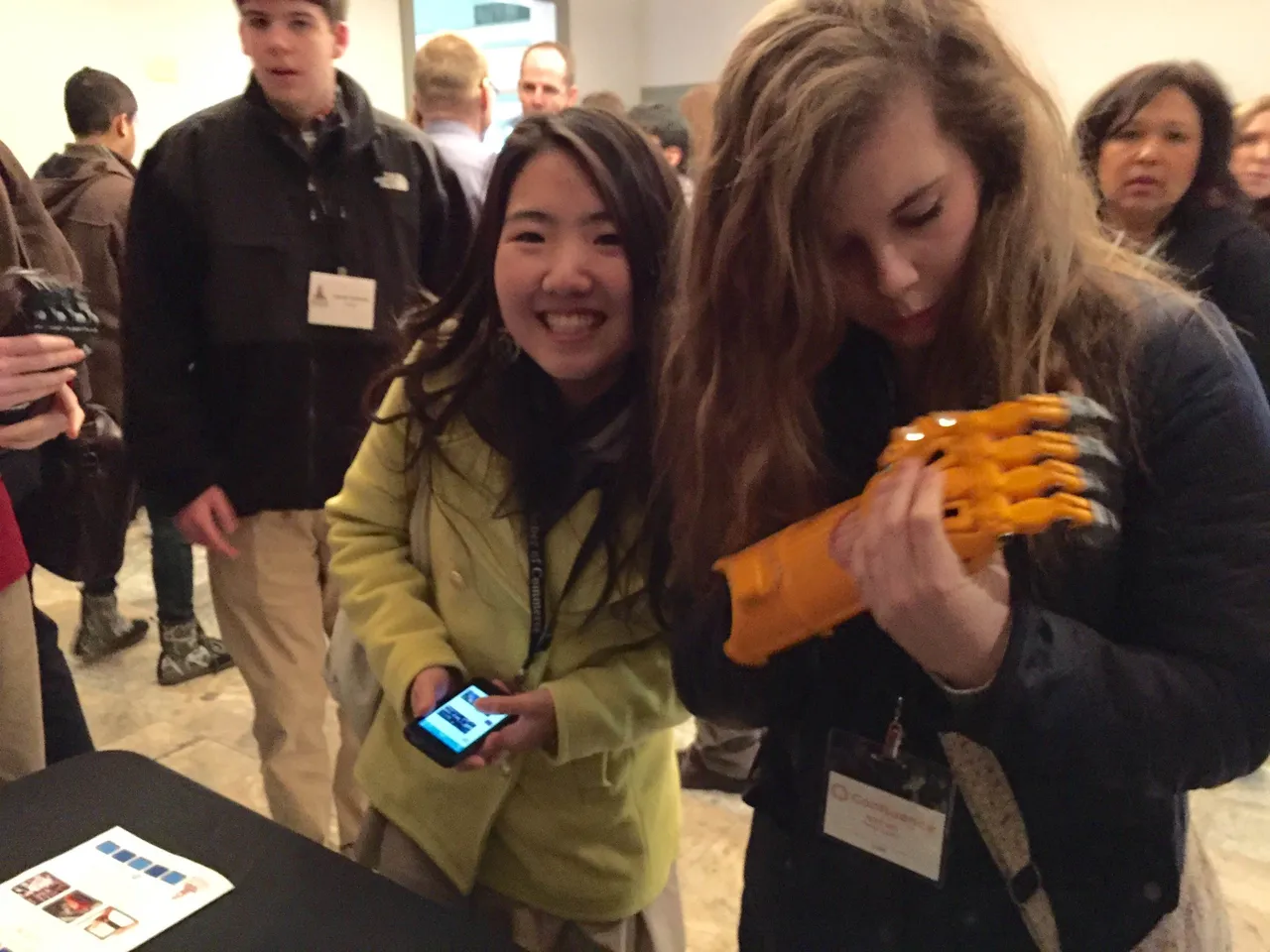
On Thursday, I traveled with my robotics teammates and several other people to the Historic DeSoto Theatre in Downtown Rome for the Confluence conference. The Greater Rome Chamber of Commerce brought in speakers from all over the United States to speak about technology and innovation. All the talks were around 15 to 30 minutes each about topics ranging from wireless power transfer to 3D printed hands for people with upper limb differences. Many of the speakers created solutions to problems I did not even know existed.
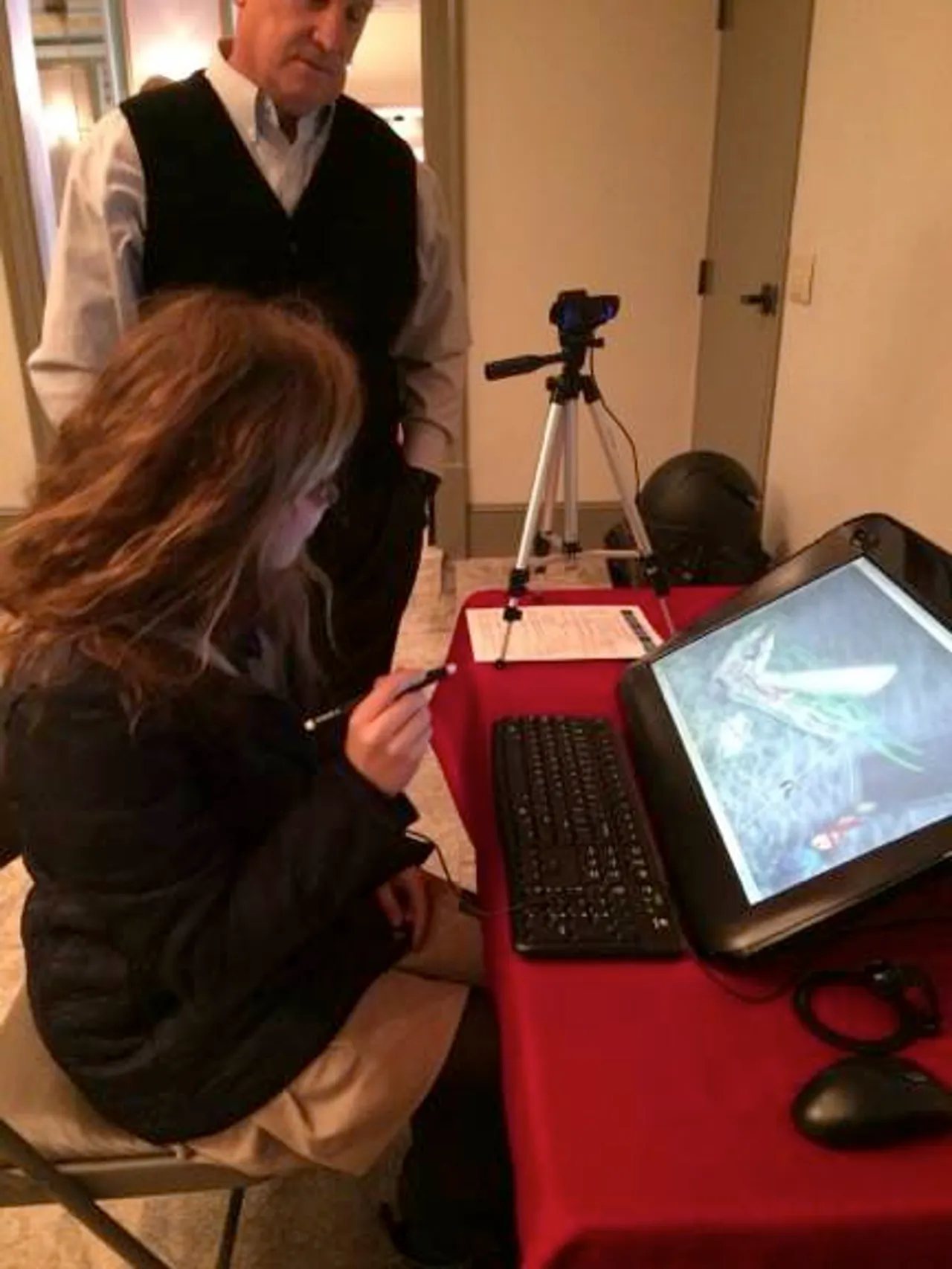
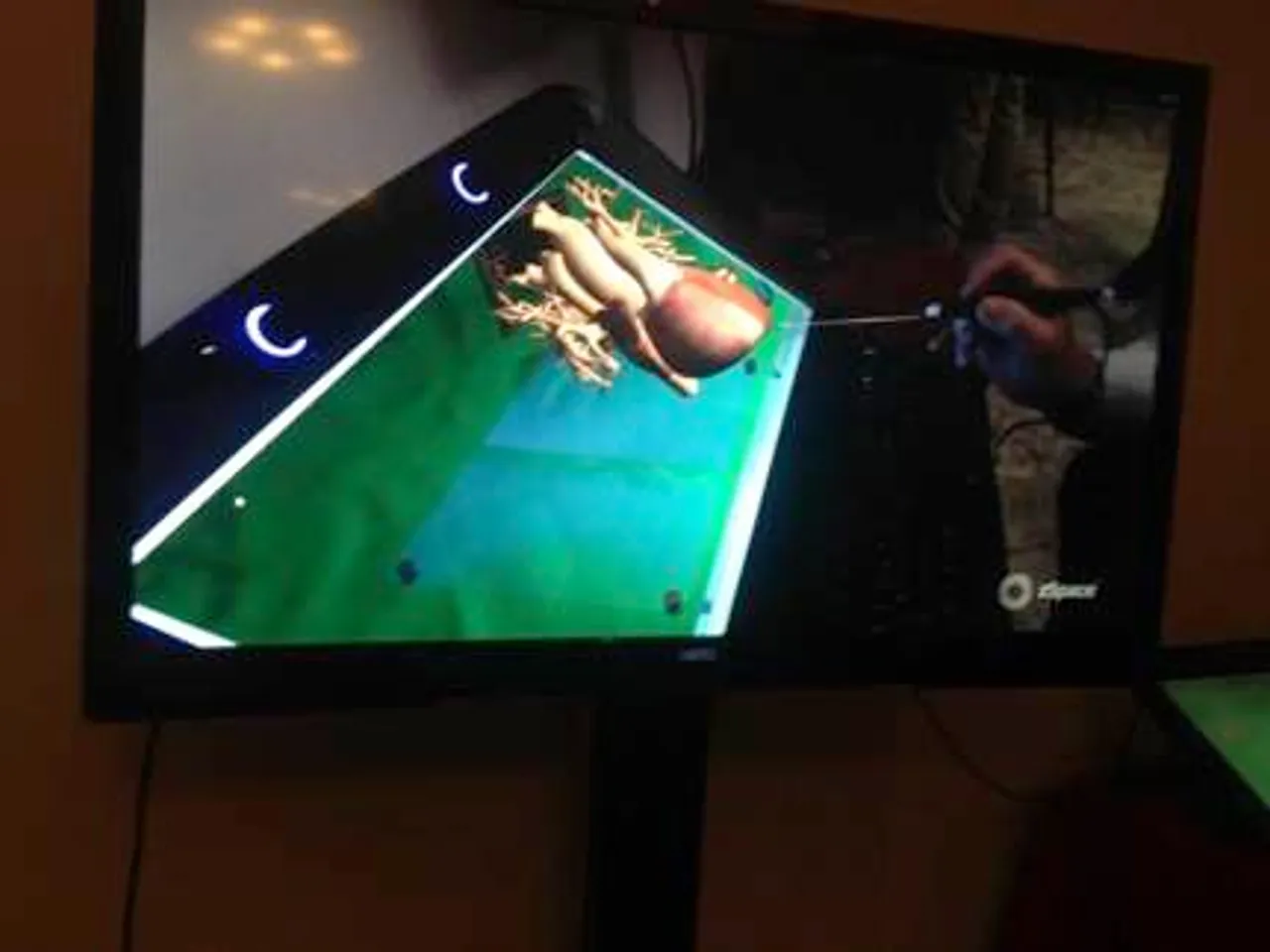
When we entered the building, I did not know what to expect. Immediately to the left there was a computer screen set up. In the seat in front of the computer, a man was sitting with 3D glasses and a stylus in his hand. His program, Z Space, allows students to learn by interactively dissecting computer-generated images. For example, a student could look inside a beating heart by removing different parts of the heart with the stylus. There are over hundreds of settings ranging from a mechanical arm to a frog. Z Space has already been implemented in over 250 high schools and colleges in Georgia alone.
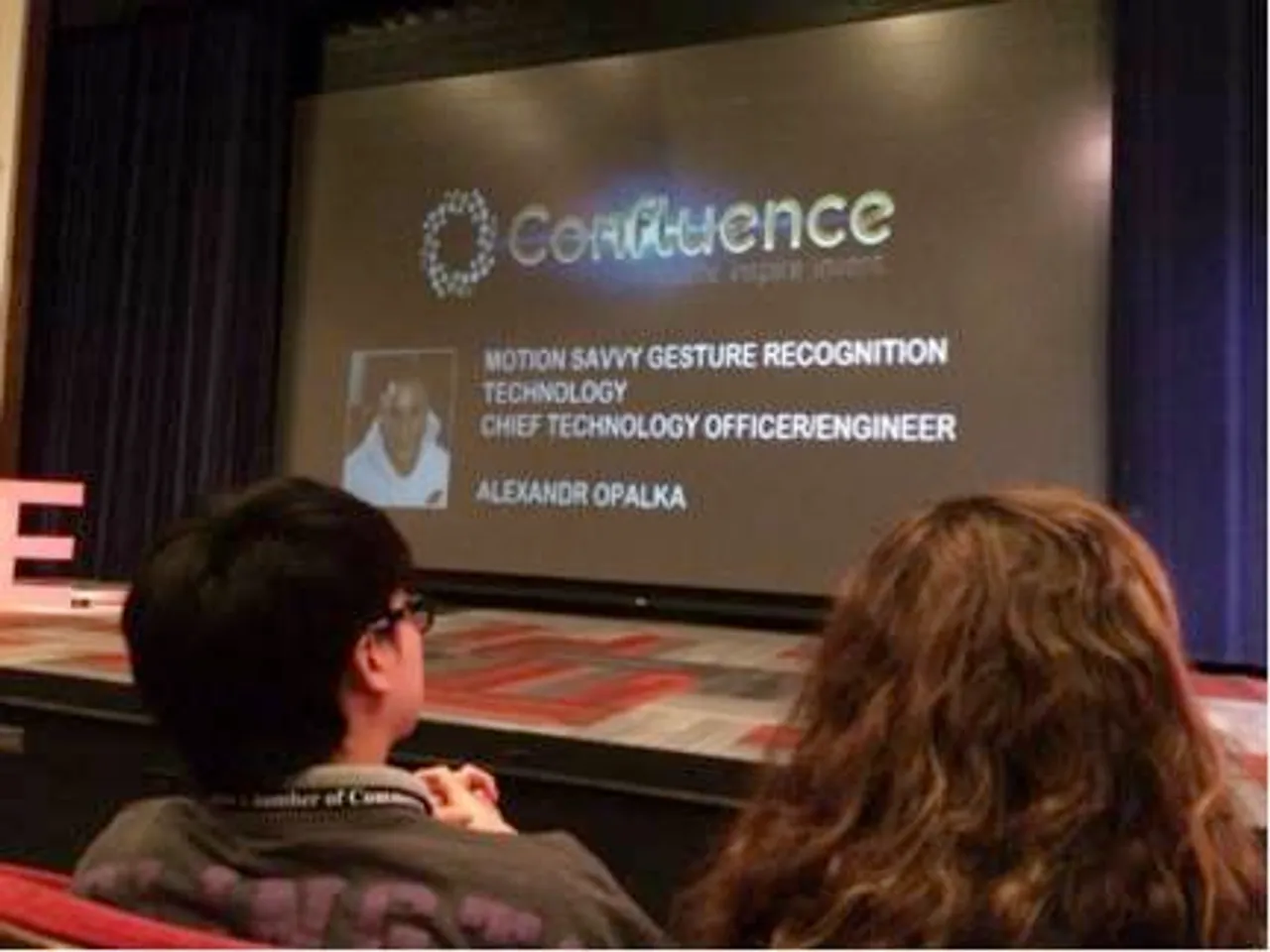
After playing around with computer-generated hearts, it was time to sit down for the speakers. Out of the 10 speeches that I heard, there were two that really stood out to me. Alexander Opalka, an engineering student from Rochester, N.Y., spoke about his invention, UNI. UNI is software that assists the hearing-impaired when speaking to people who are not fluent in sign language. Through motion sensors, it detects different words signed by a person and reads the words aloud in English to the other person. This invention allows the hearing-impaired who cannot speak to communicate with people who they would never be able to interact with if not for UNI. But the thing that amazed me most about this presentation was that Alexander is deaf. I would never have known if he had not told the audience because he spoke with such ease.
The second presentation that awed me was from Jeremy Simon who represents Enabling The Future. Enabling the Future is a network of volunteers who connect over Google Plus whose main goal is to three-dimensionally print mechanical prosthetic hands for people who have upper limb differences, free of charge. Many families who have members with impaired hands cannot afford the thousands of dollars that myoelectric prosthetic hands cost. The network is open to anyone with access to a 3D printer and all of the blueprints of the different prototypes of hands are available online. Both of these inventions have contributed to improving life for people who struggle with the daily tasks that people without disabilities take for granted, and it is all thanks to technology.
Throughout all of the speeches, it seemed like the common theme was using technology to help improve people’s lives. Confluence is defined as two things joining together, and Thursday people came together to share ideas about improving the well-being of others. Without engineering and innovation, our world would not be as advanced and civilized as it is today. With every day, new opportunities arise to help people who are not fortunate to have the materials and technologies that can change lives.
Technology is the future and I want to be a part of that.