Citizen Science is for the Birds

By Owen Kinney - Faculty
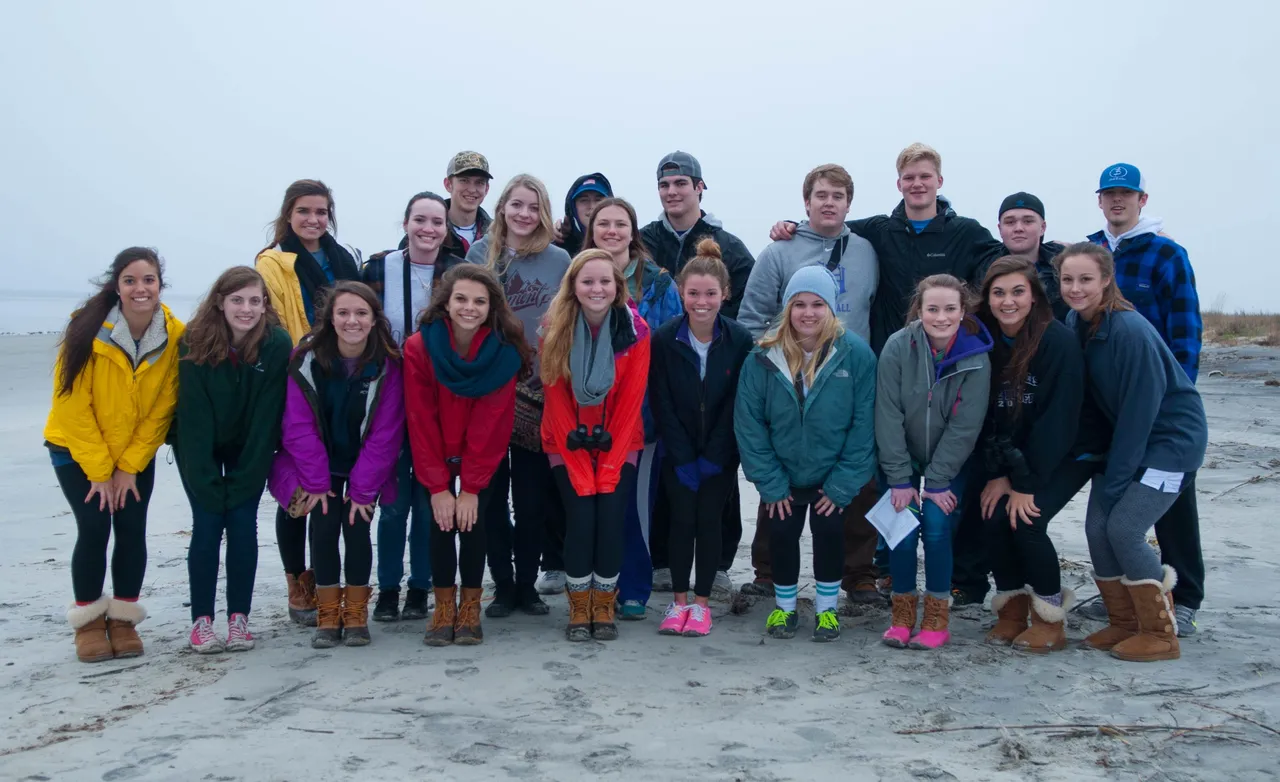
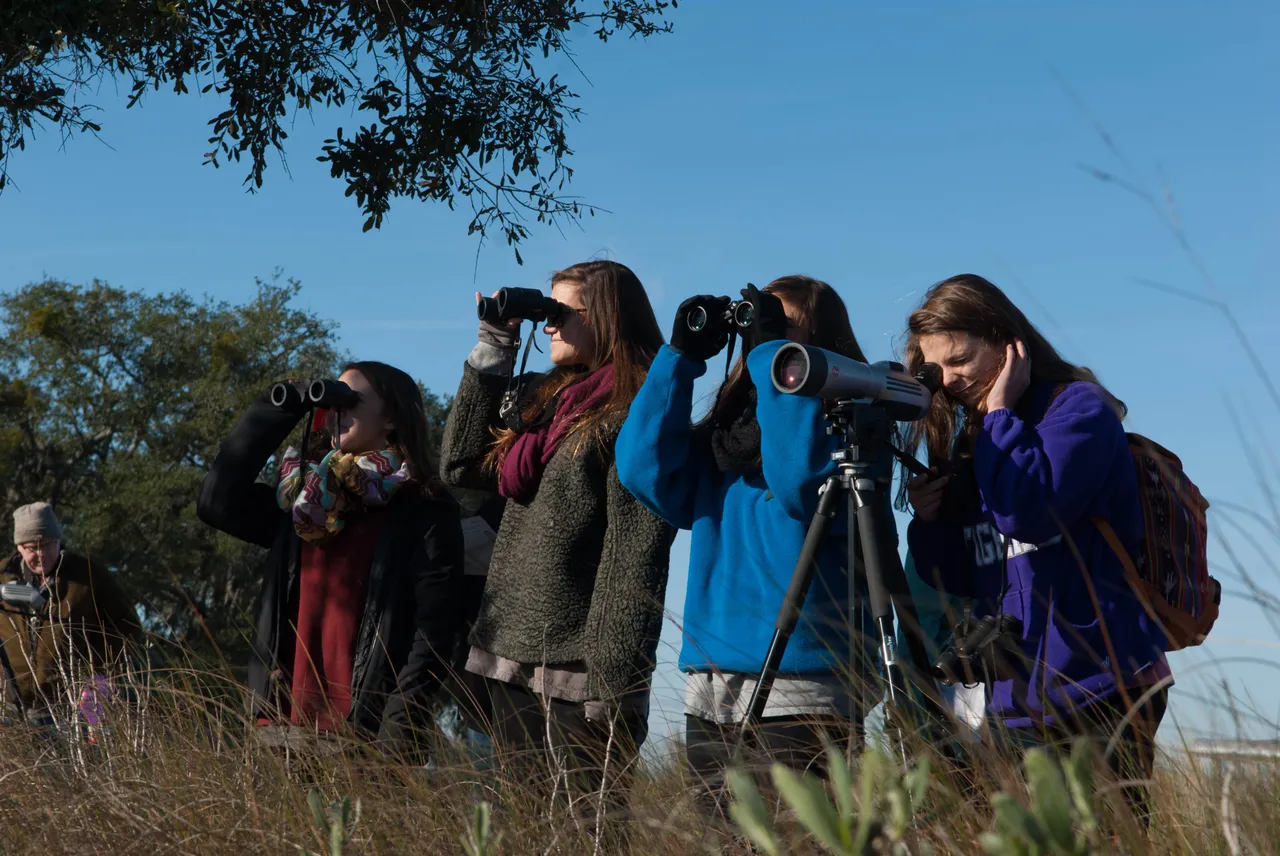
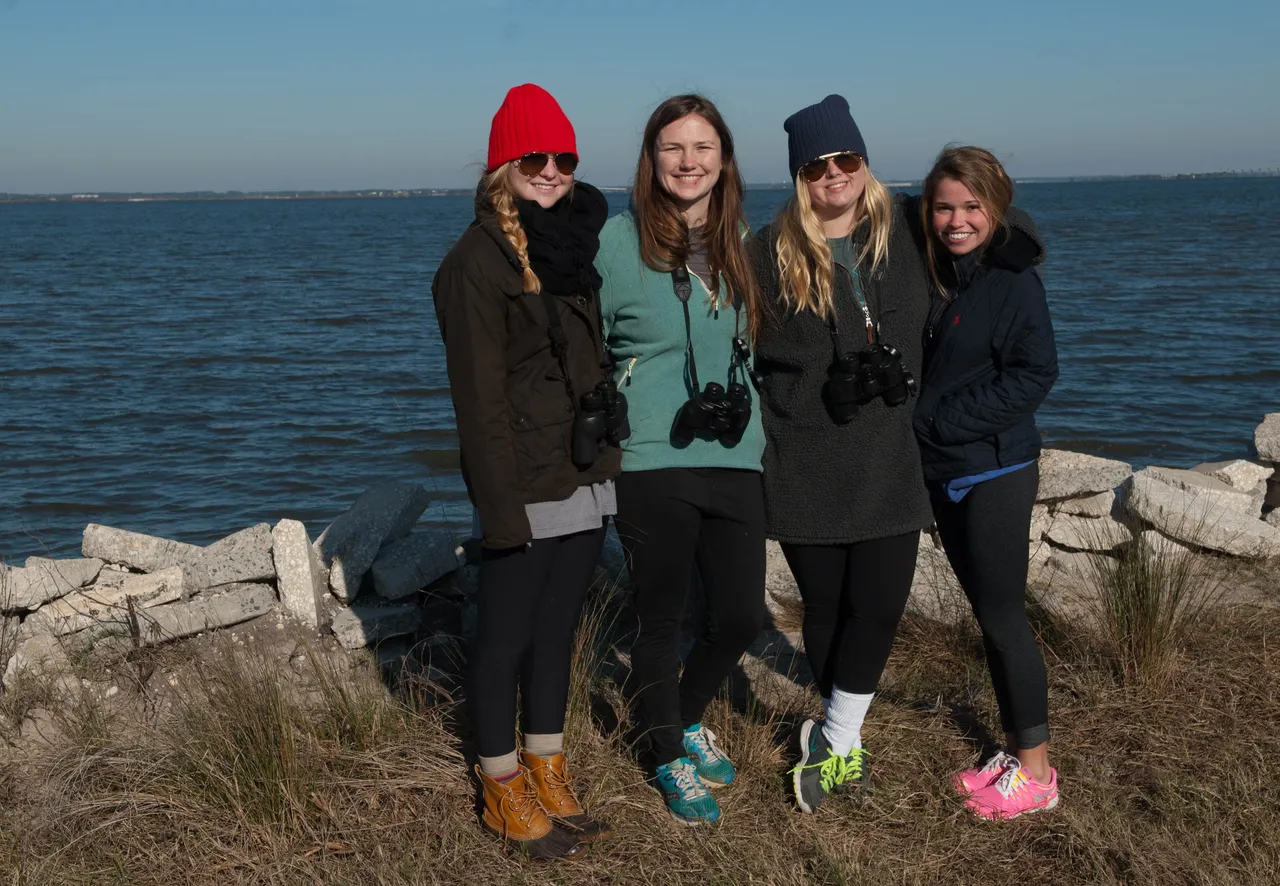
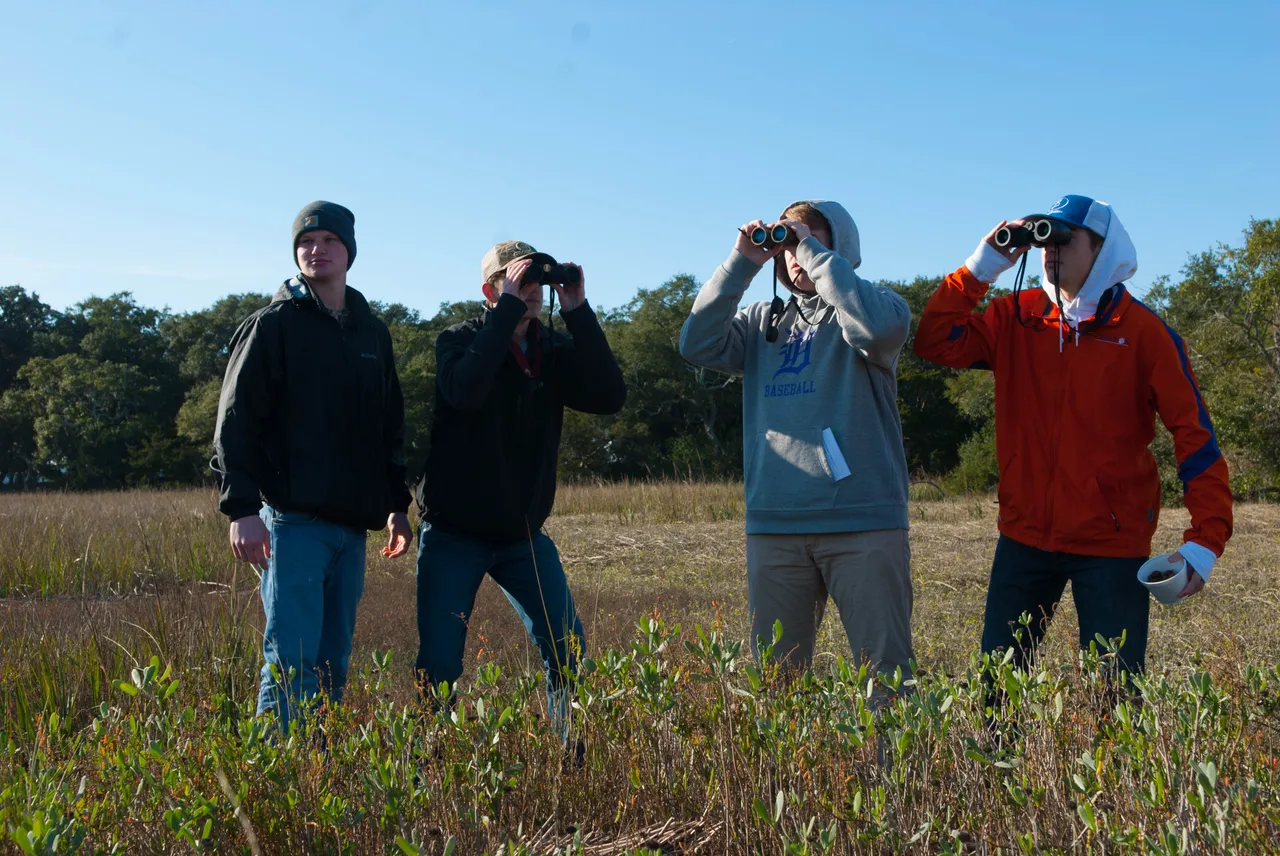
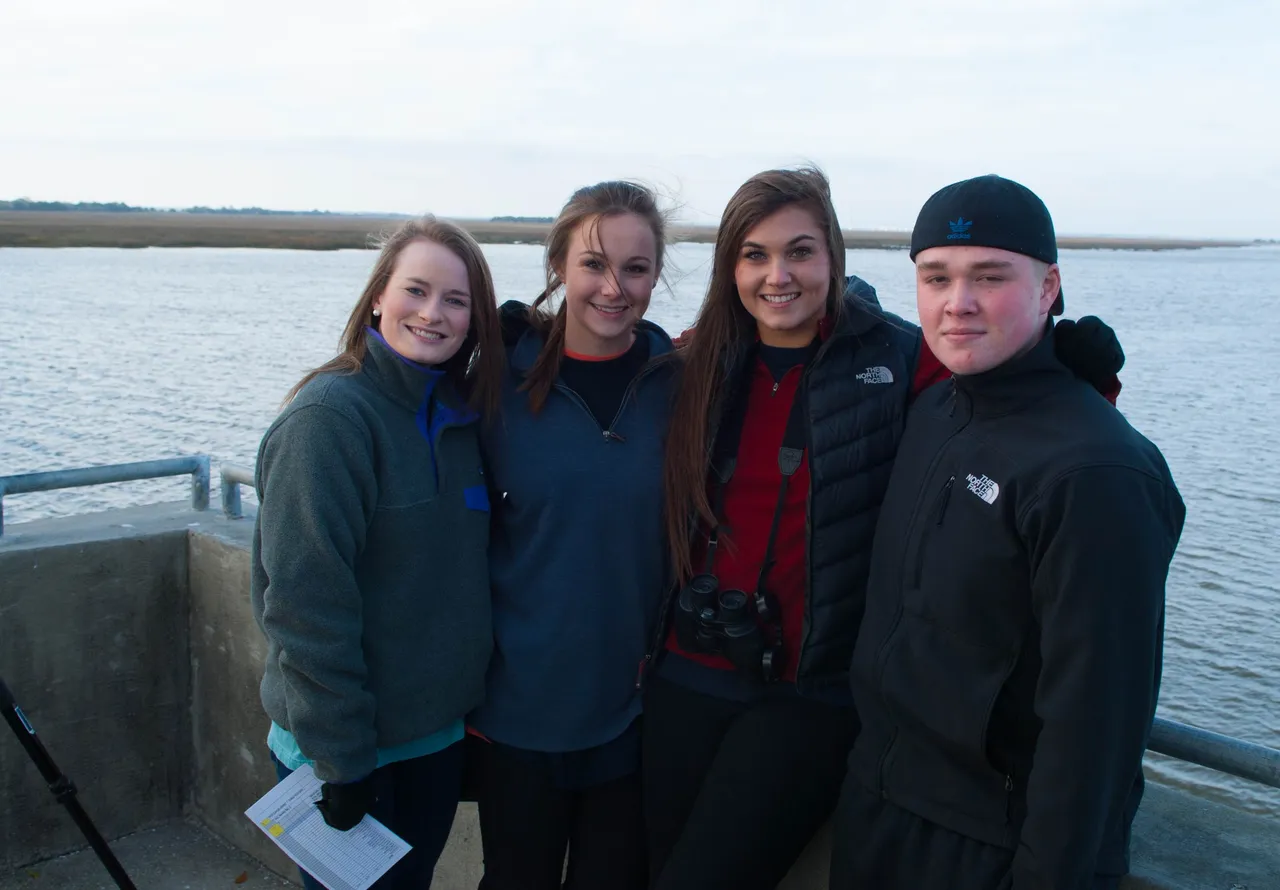
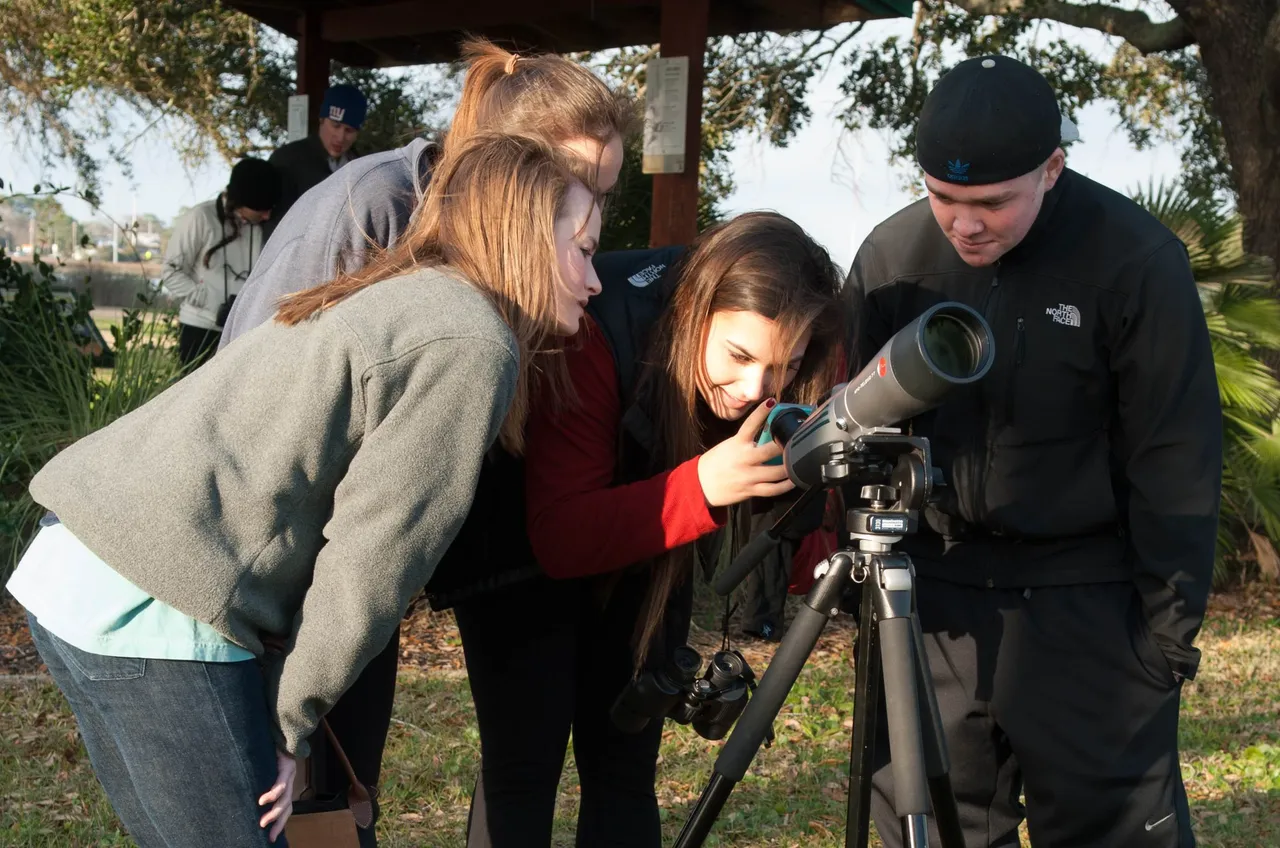
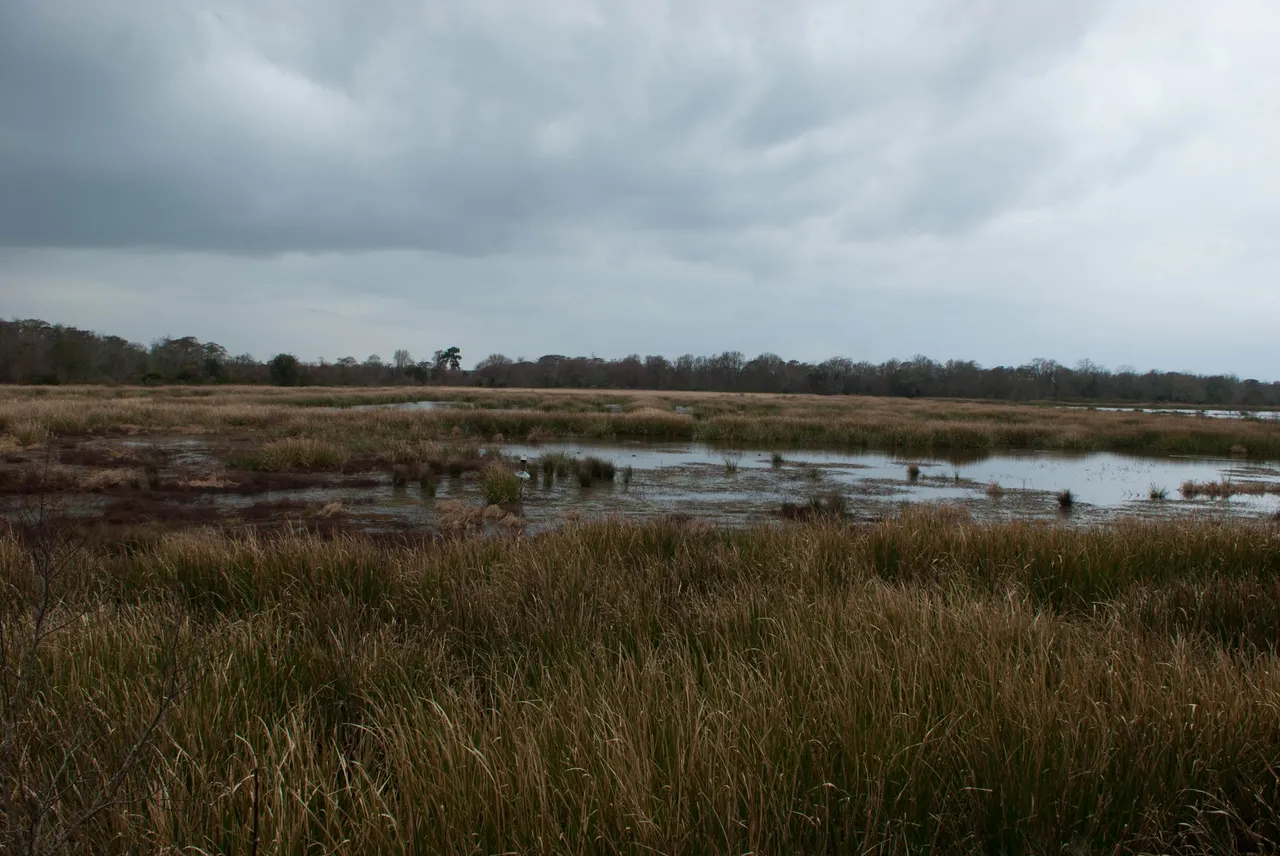
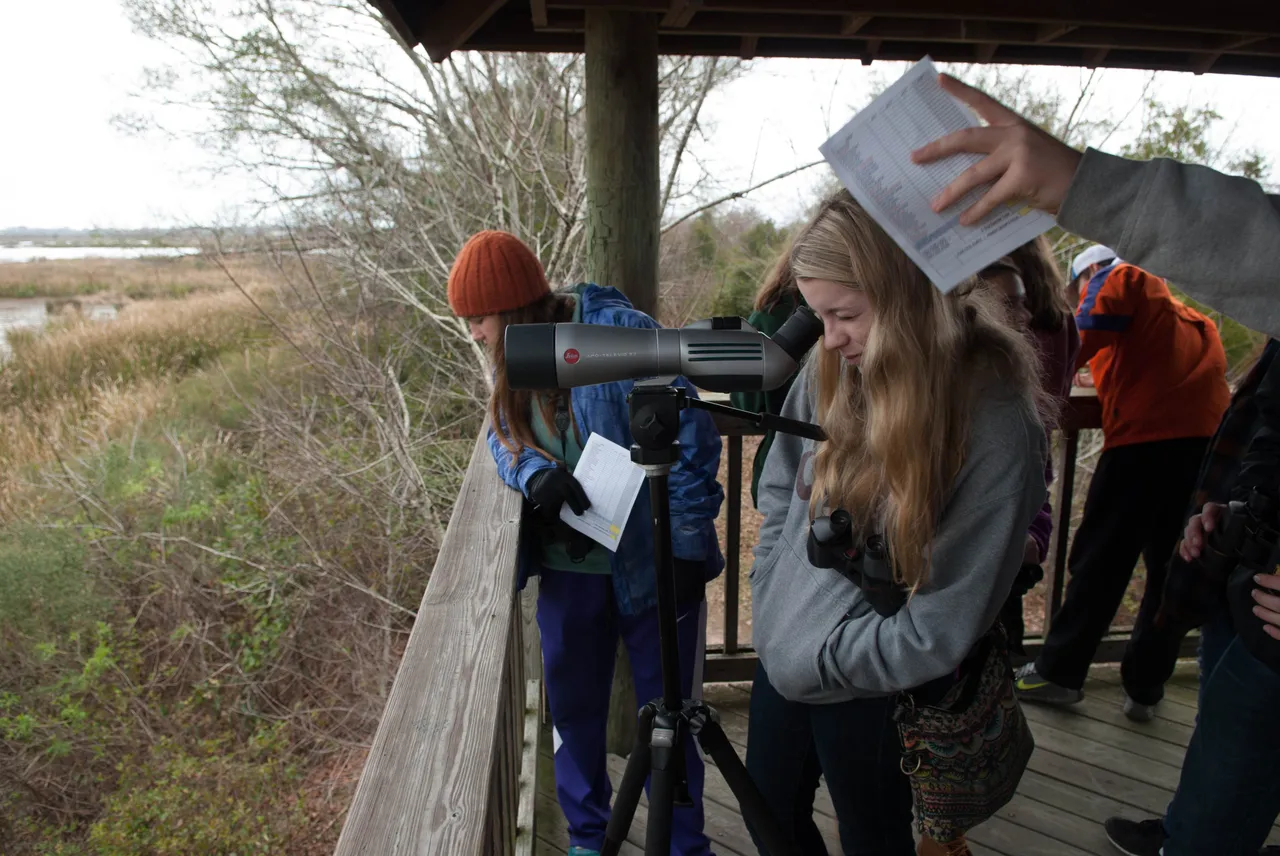
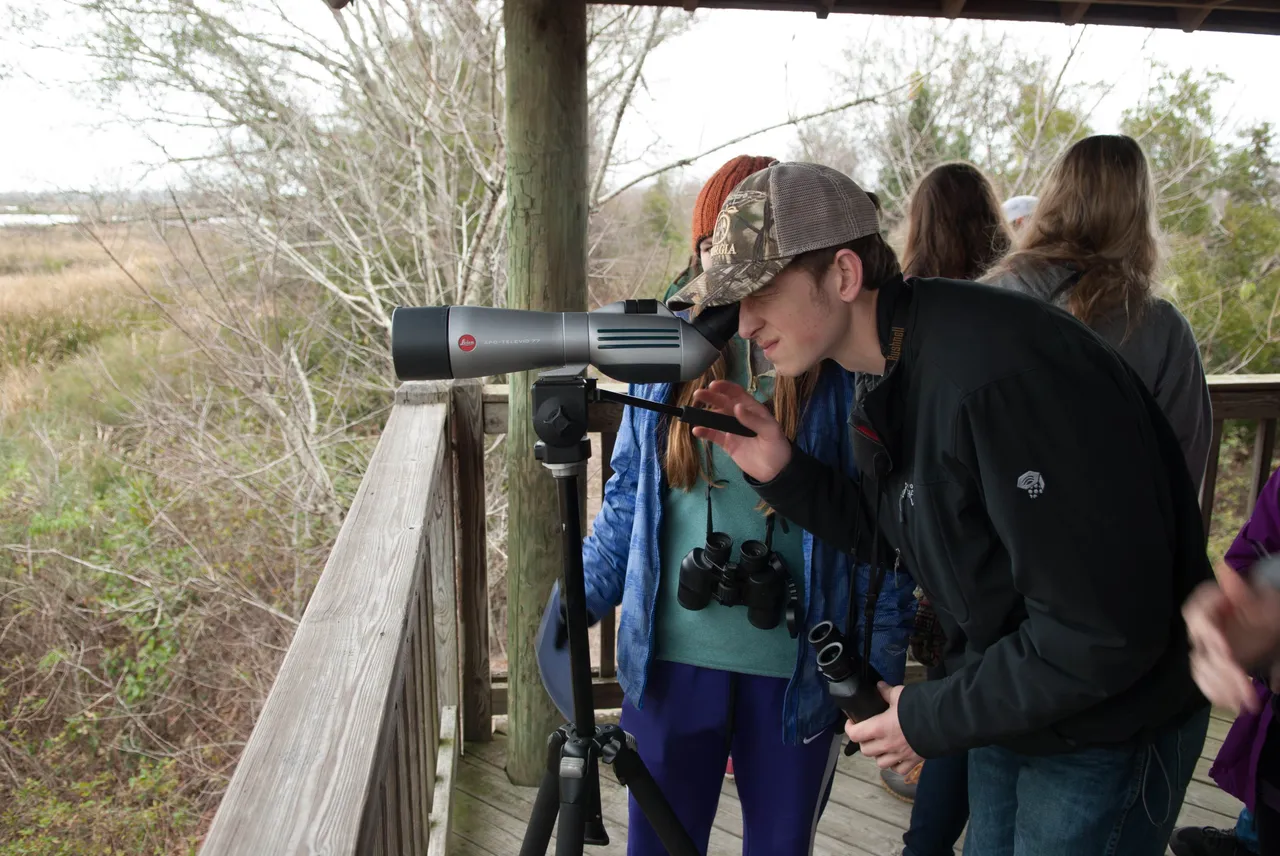
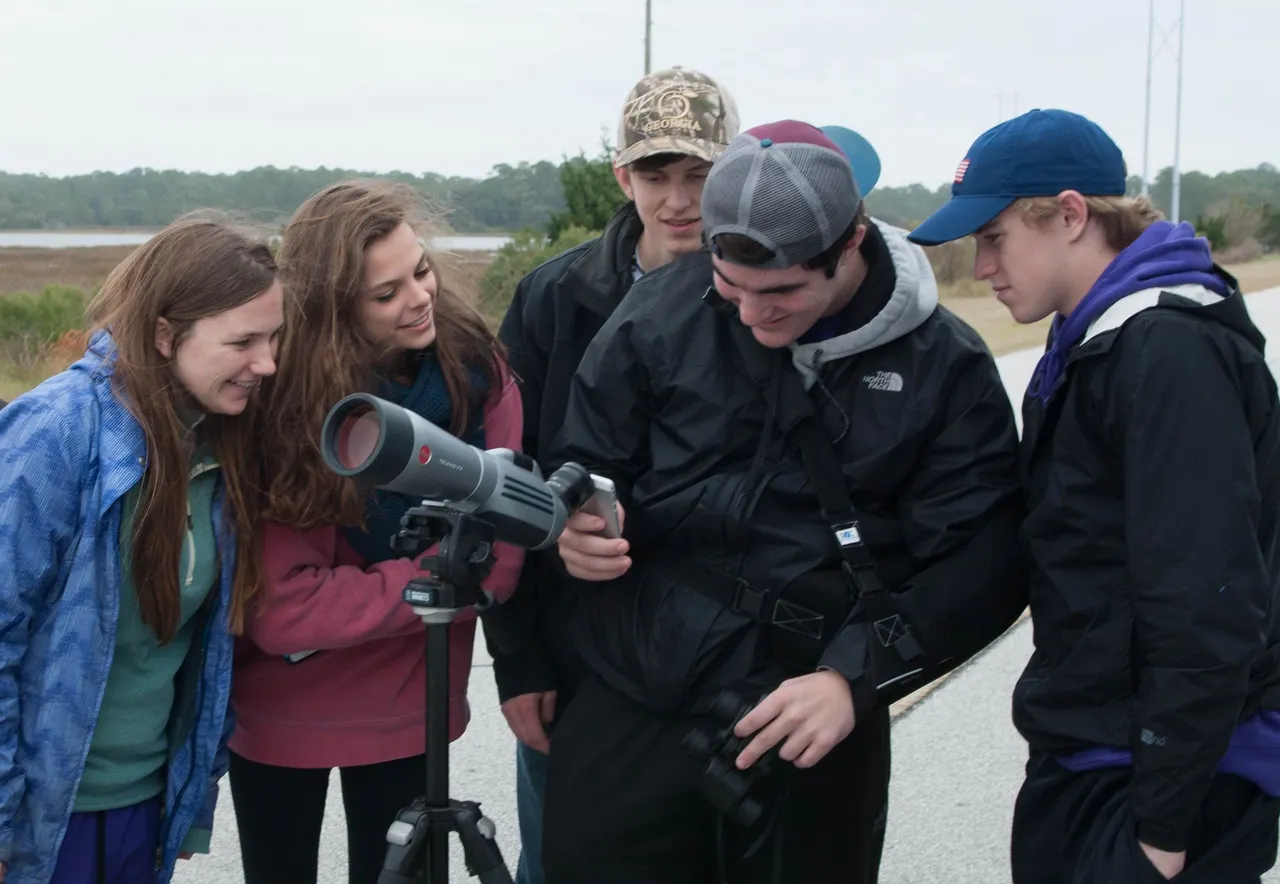
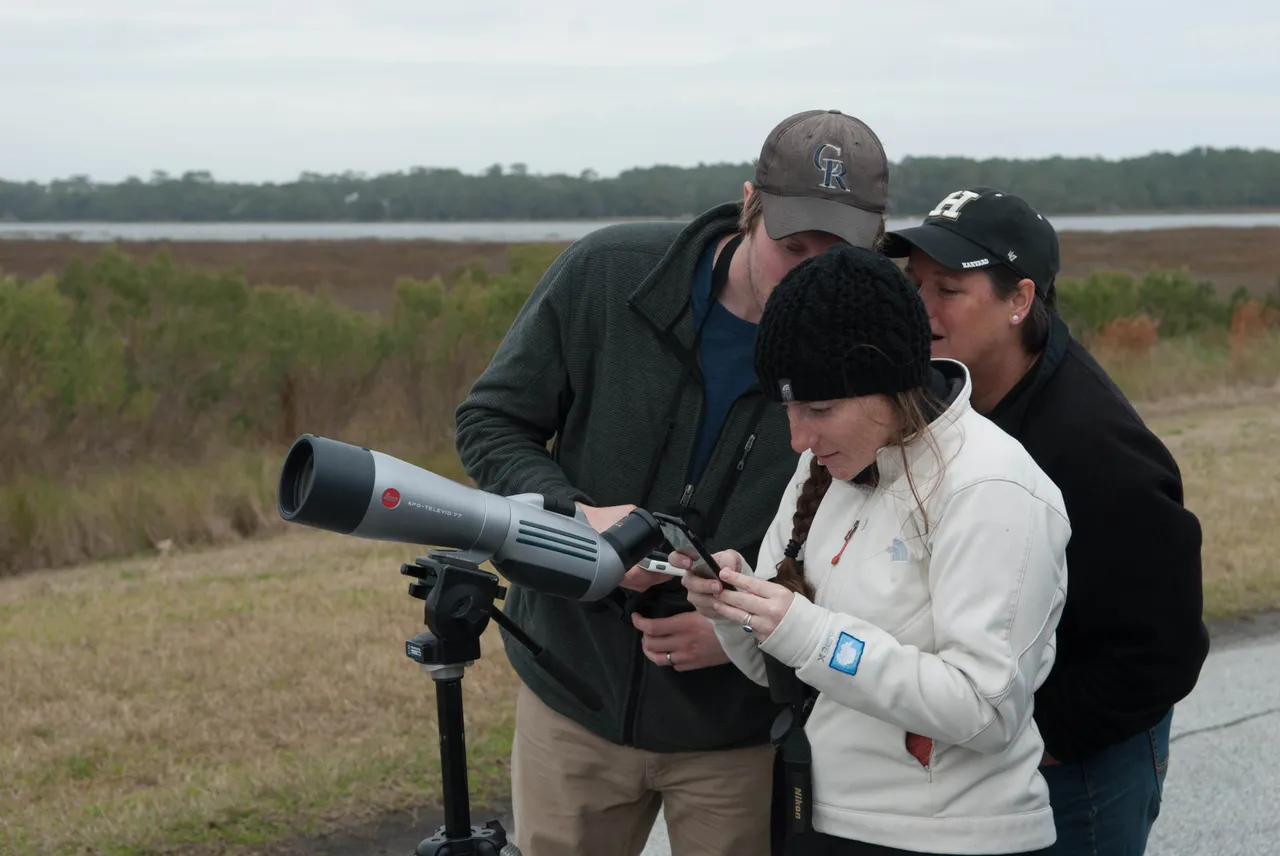
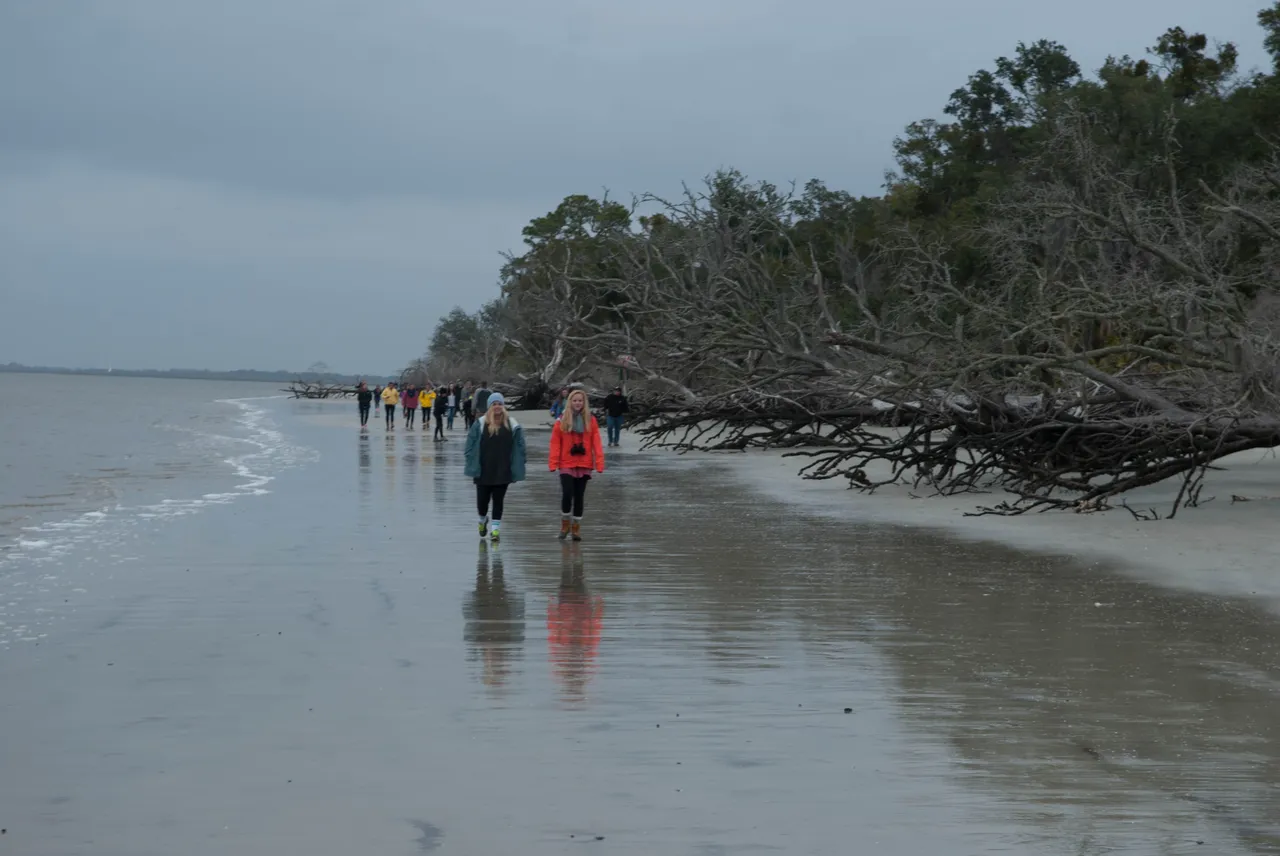
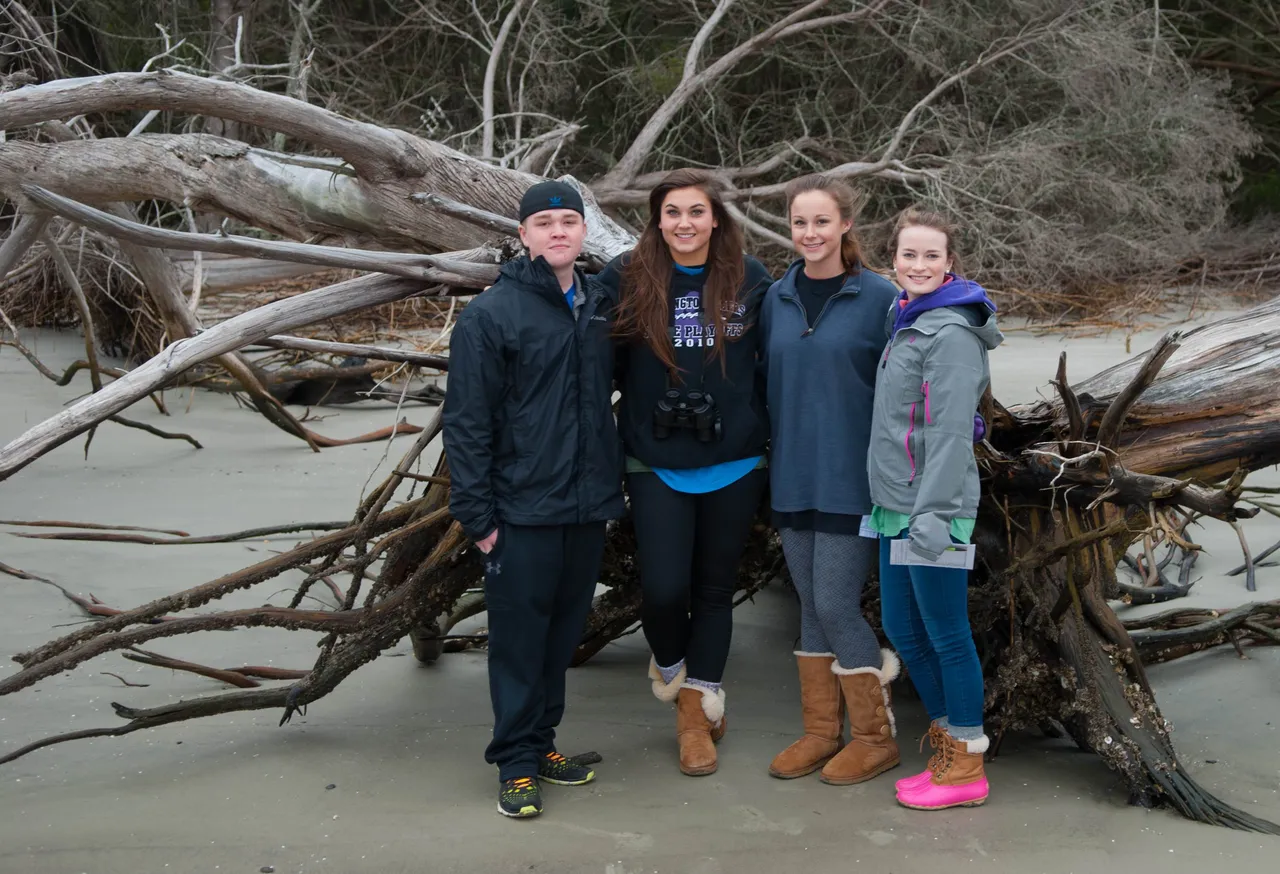
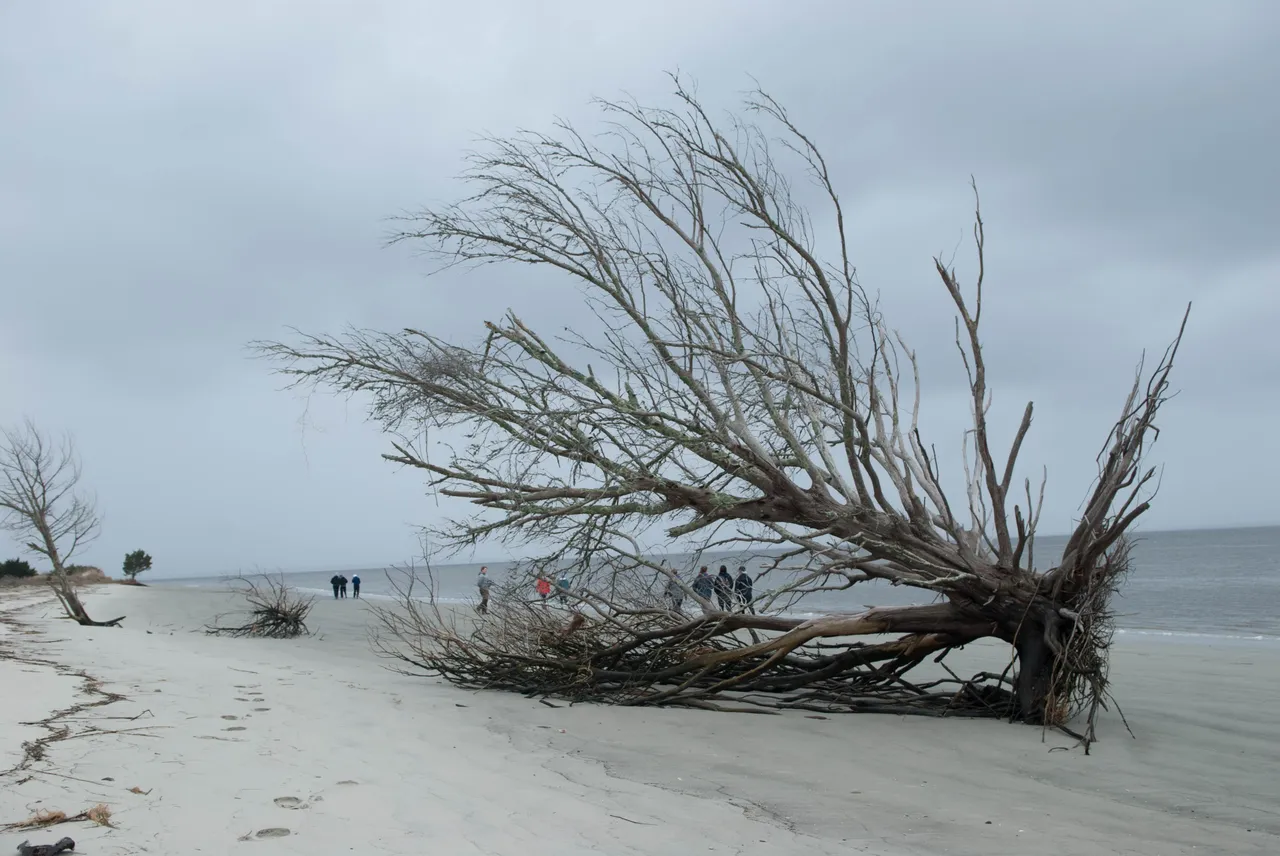
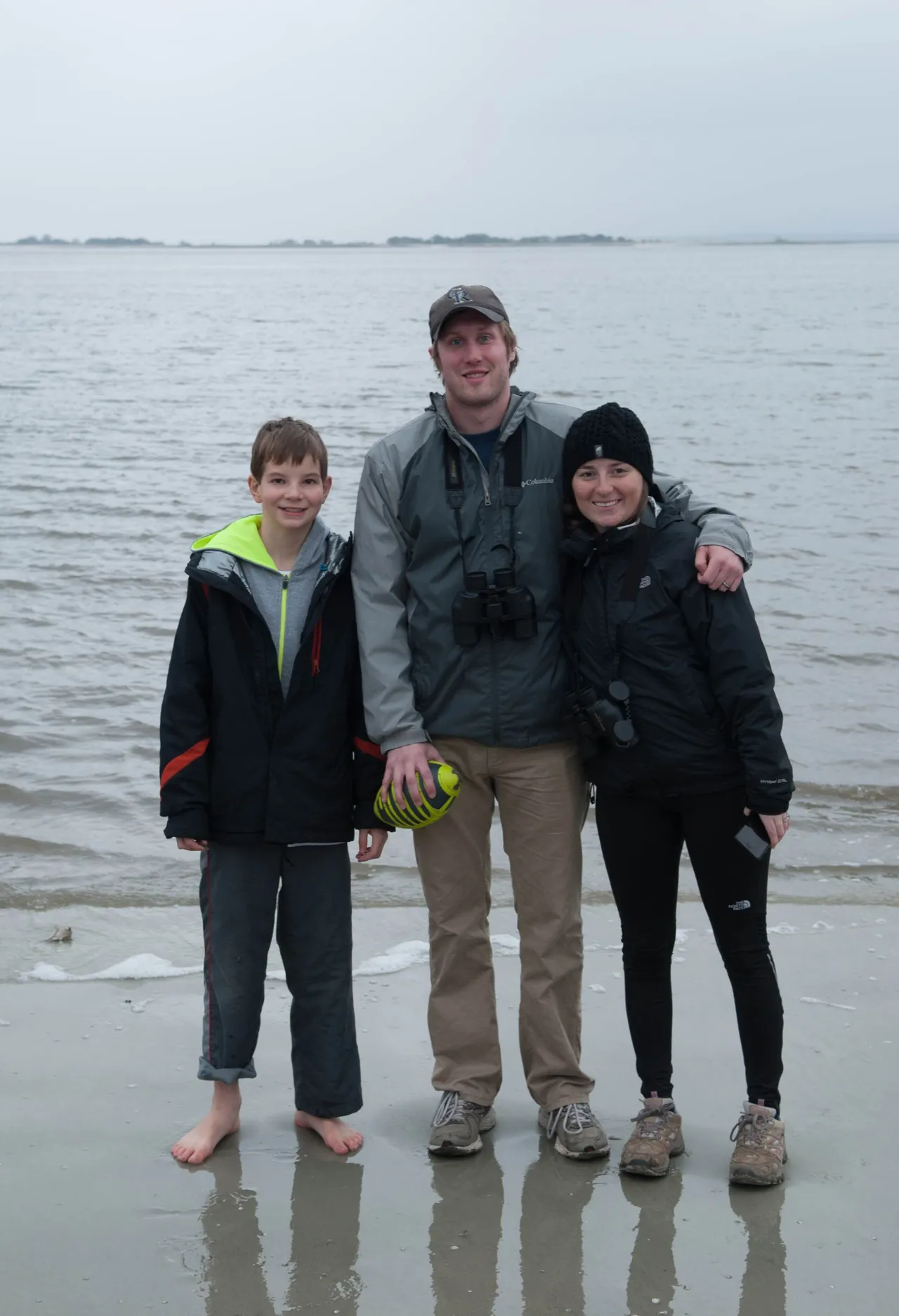
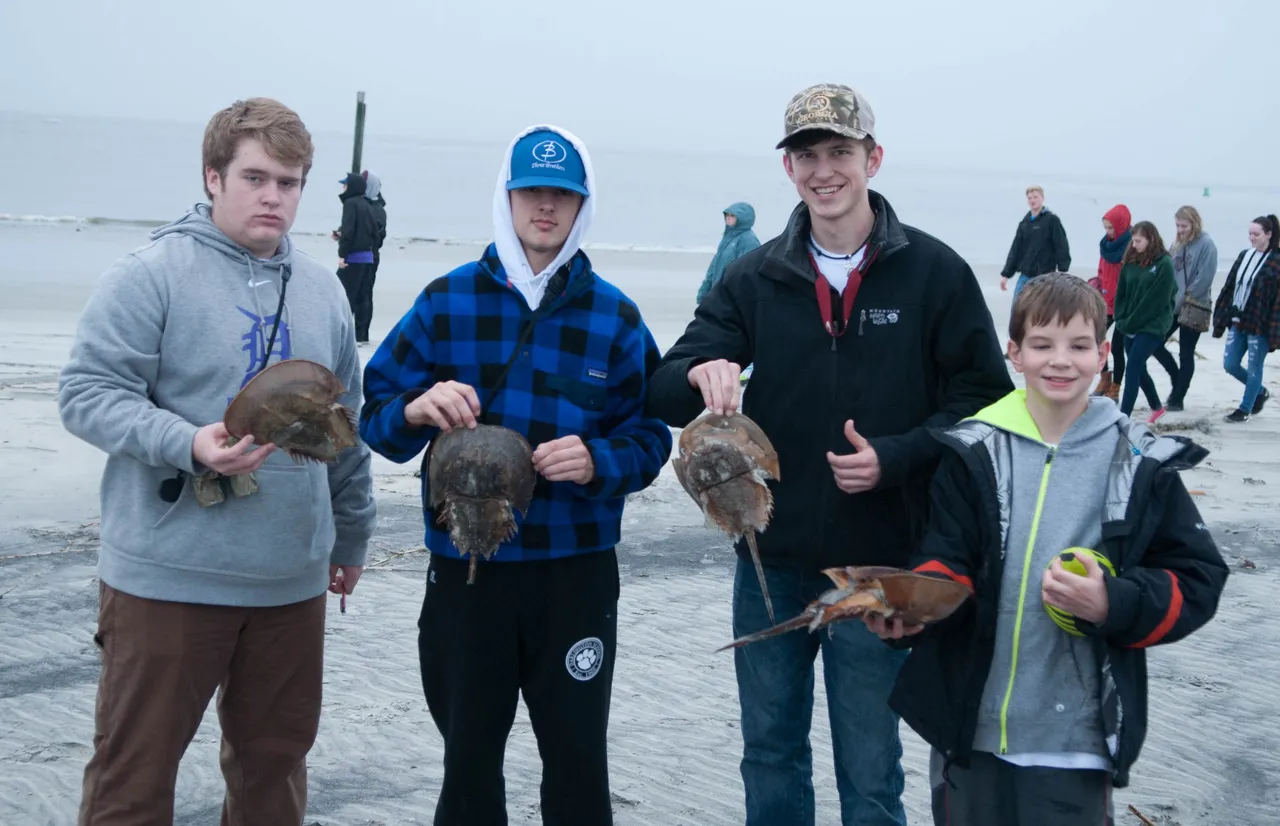
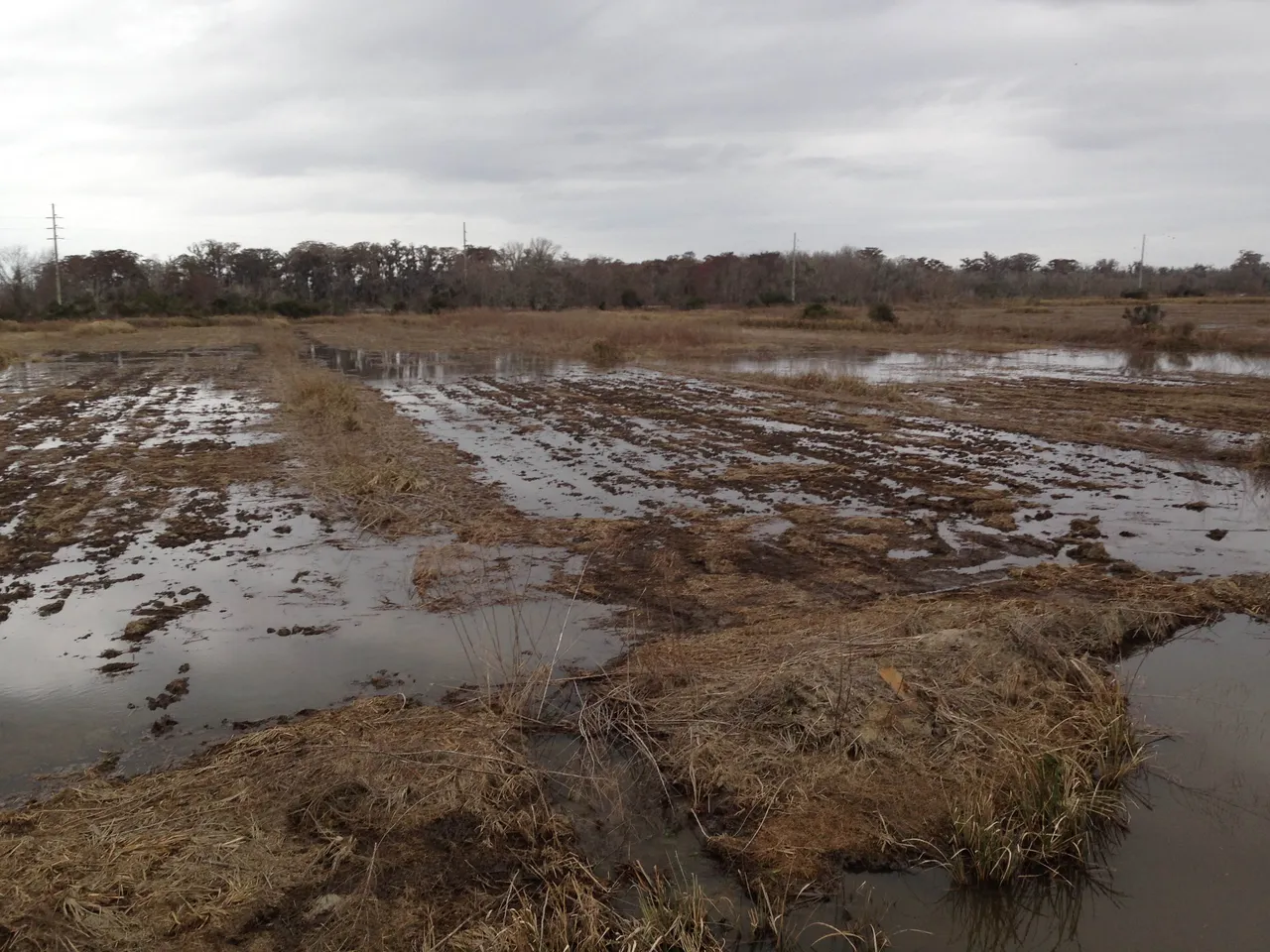
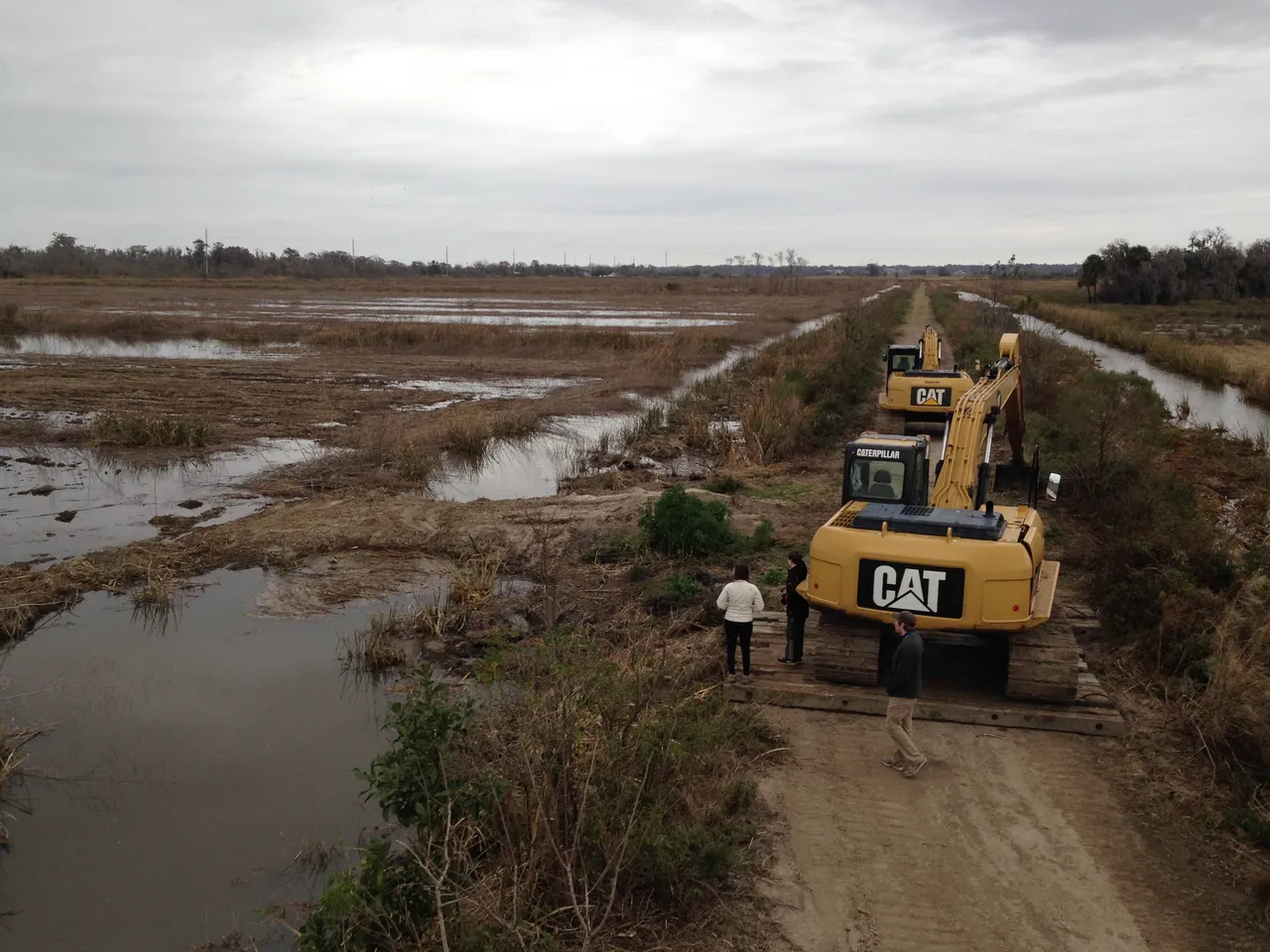
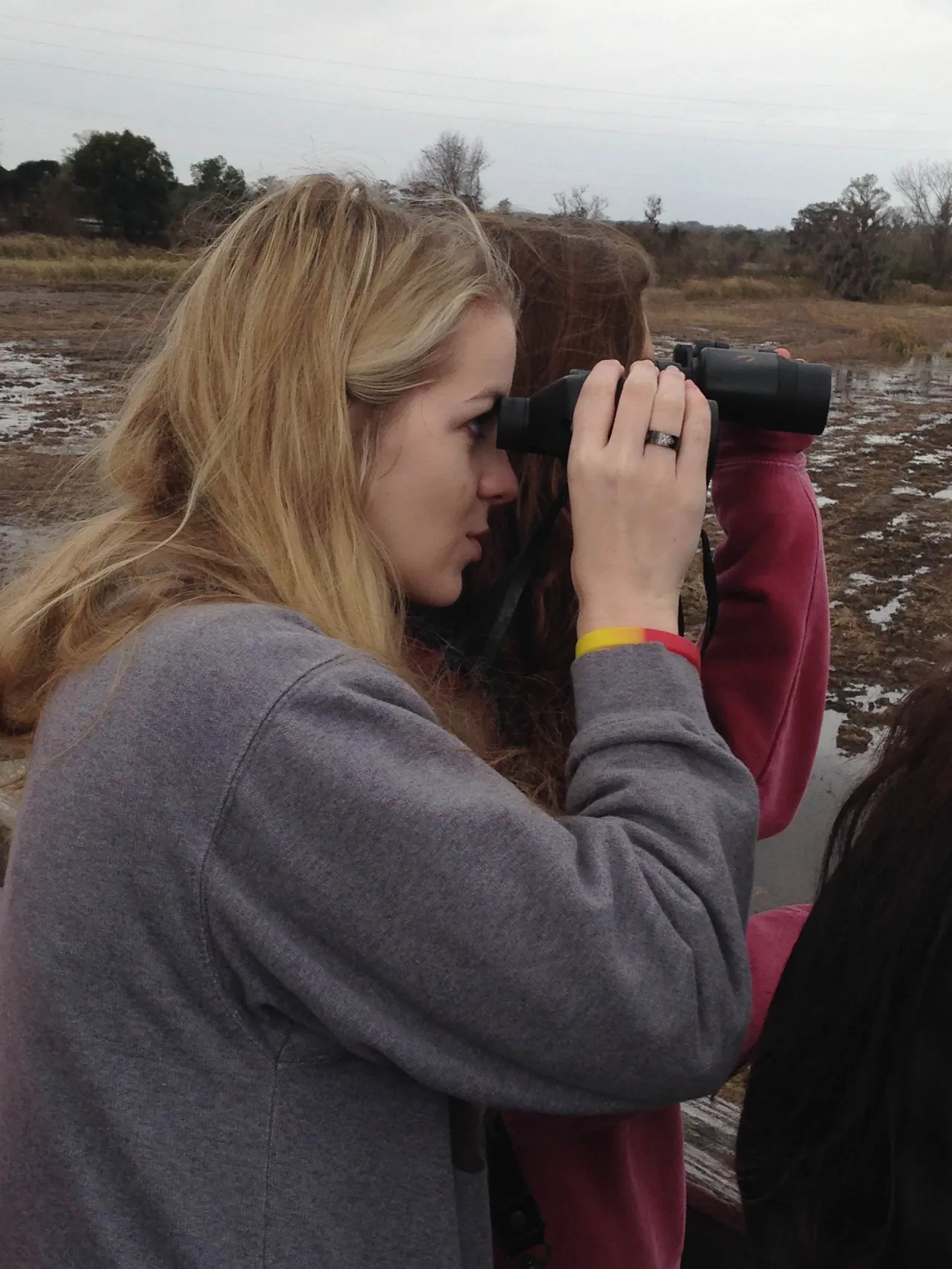
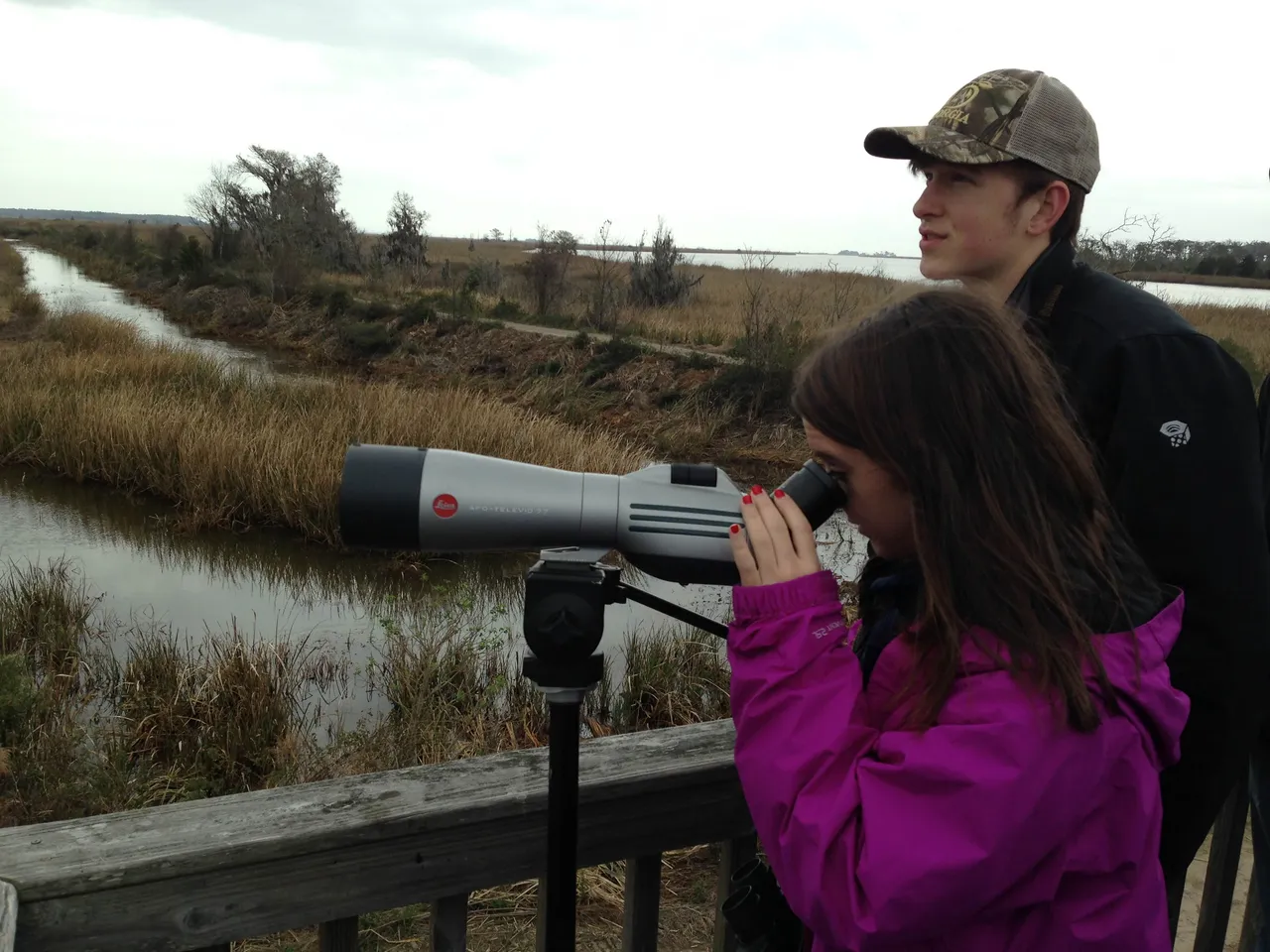
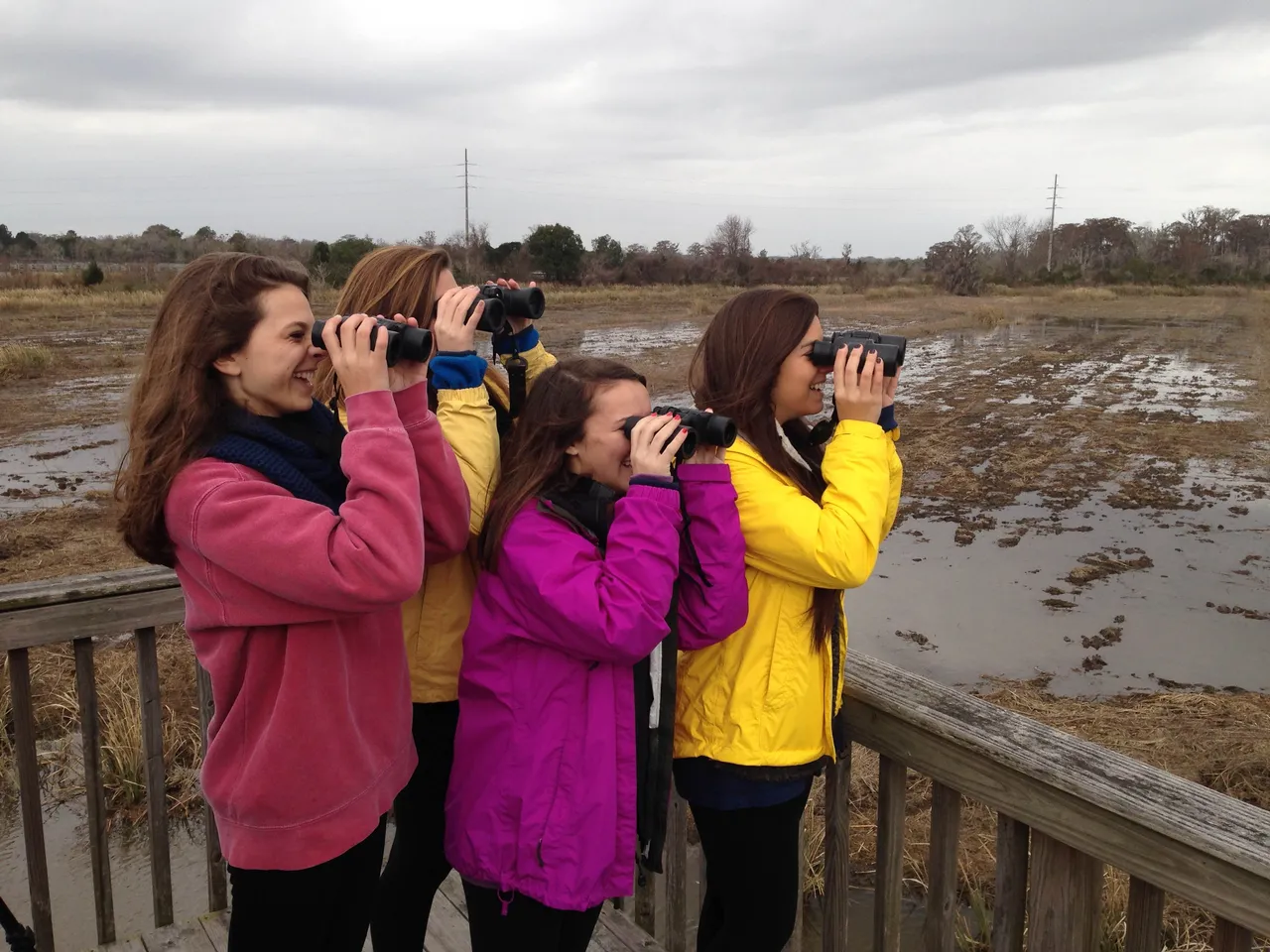
Blistering winds, driving rain, freezing temperatures...no problem. Students from the Zoology class ventured to Georgia’s Golden Coast on a mission to see birds. After studying the birds of Georgia in the classroom, these fledgling ornithologists had an opportunity to see nearly 100 species in various coastal ecosystems -- including the unspoiled beaches of Jekyll Island, the flooded rice fields of the Altamaha Waterfowl Management Area, and vast salt marshes along the Intercoastal Waterway. Highlights of the trip included two Roseate Spoonbills, an American Bittern and large numbers of migratory waterfowl species.
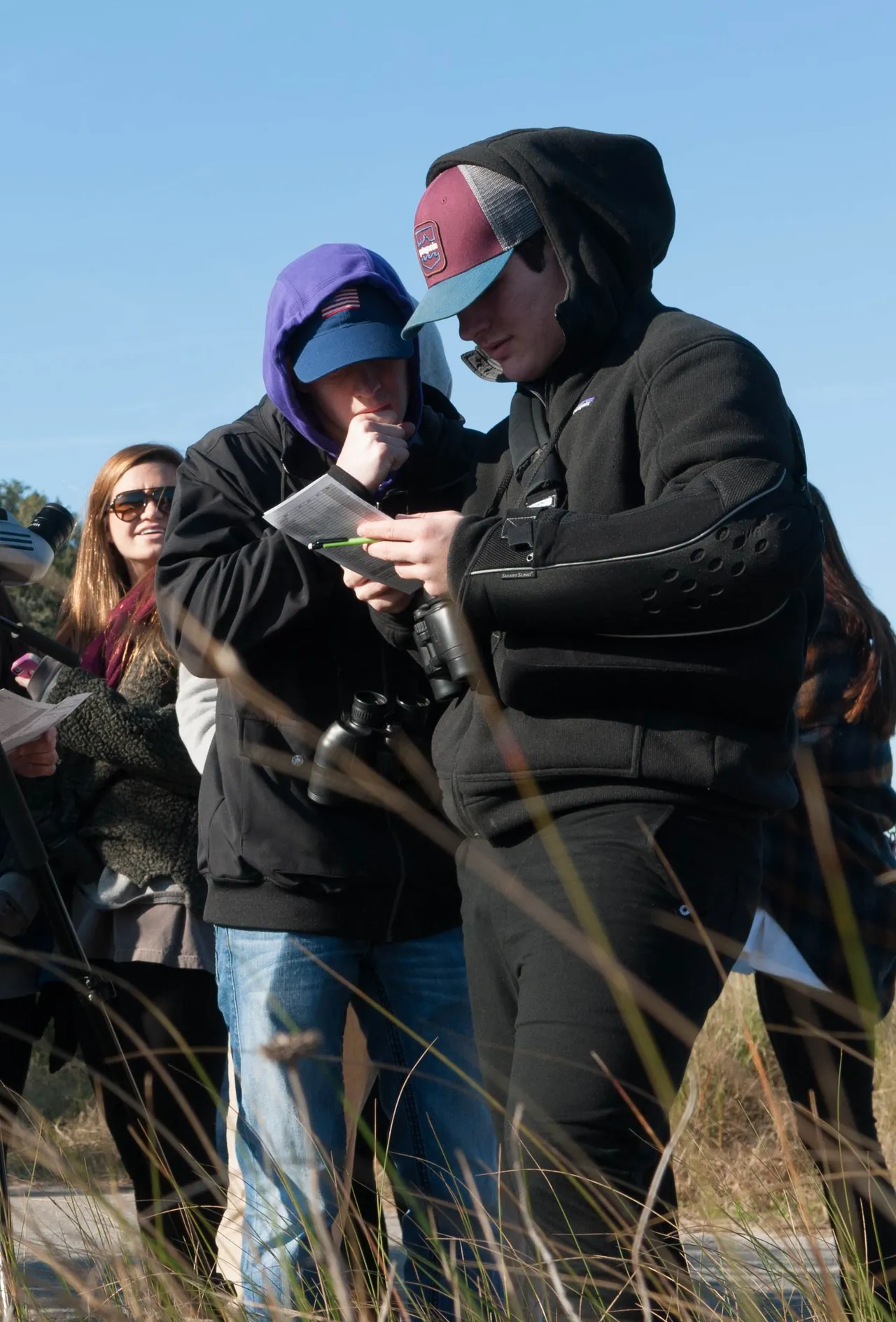
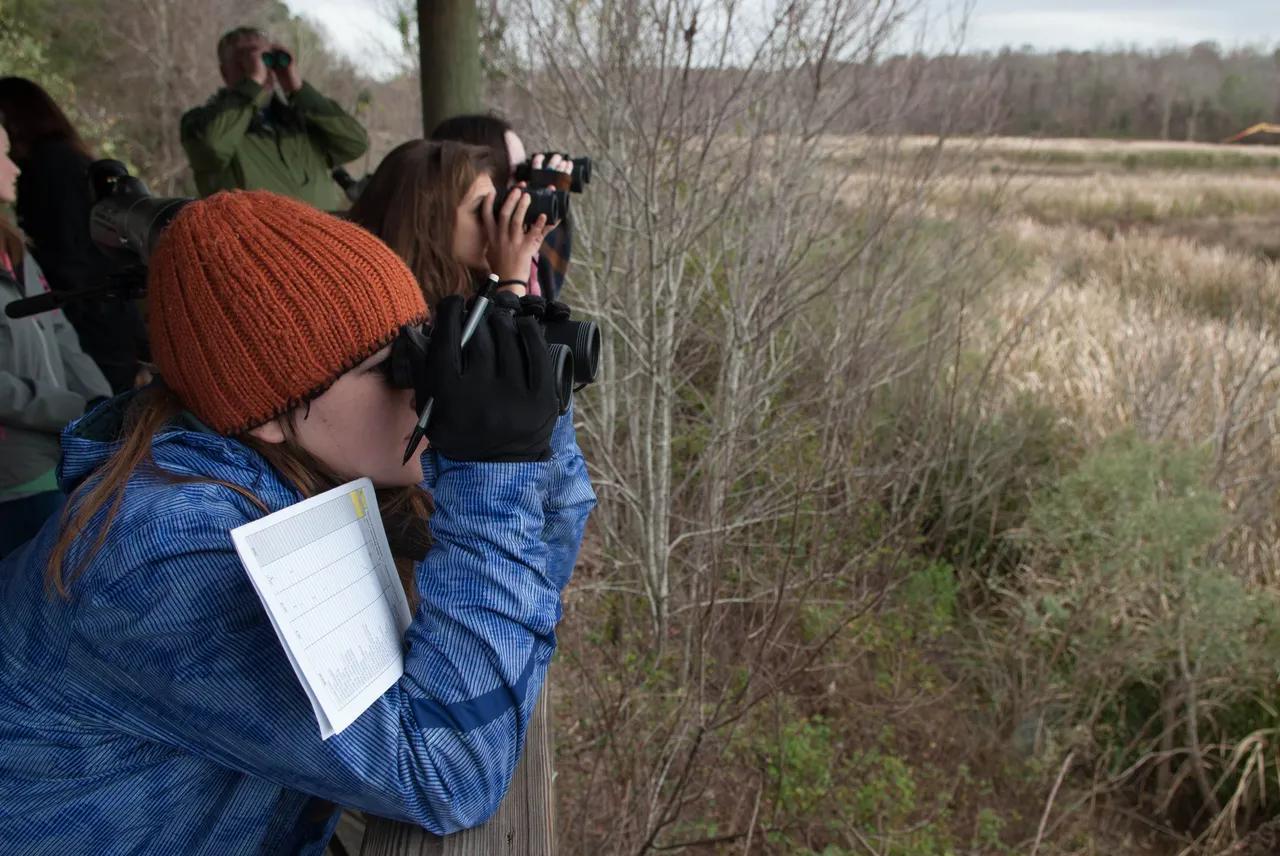
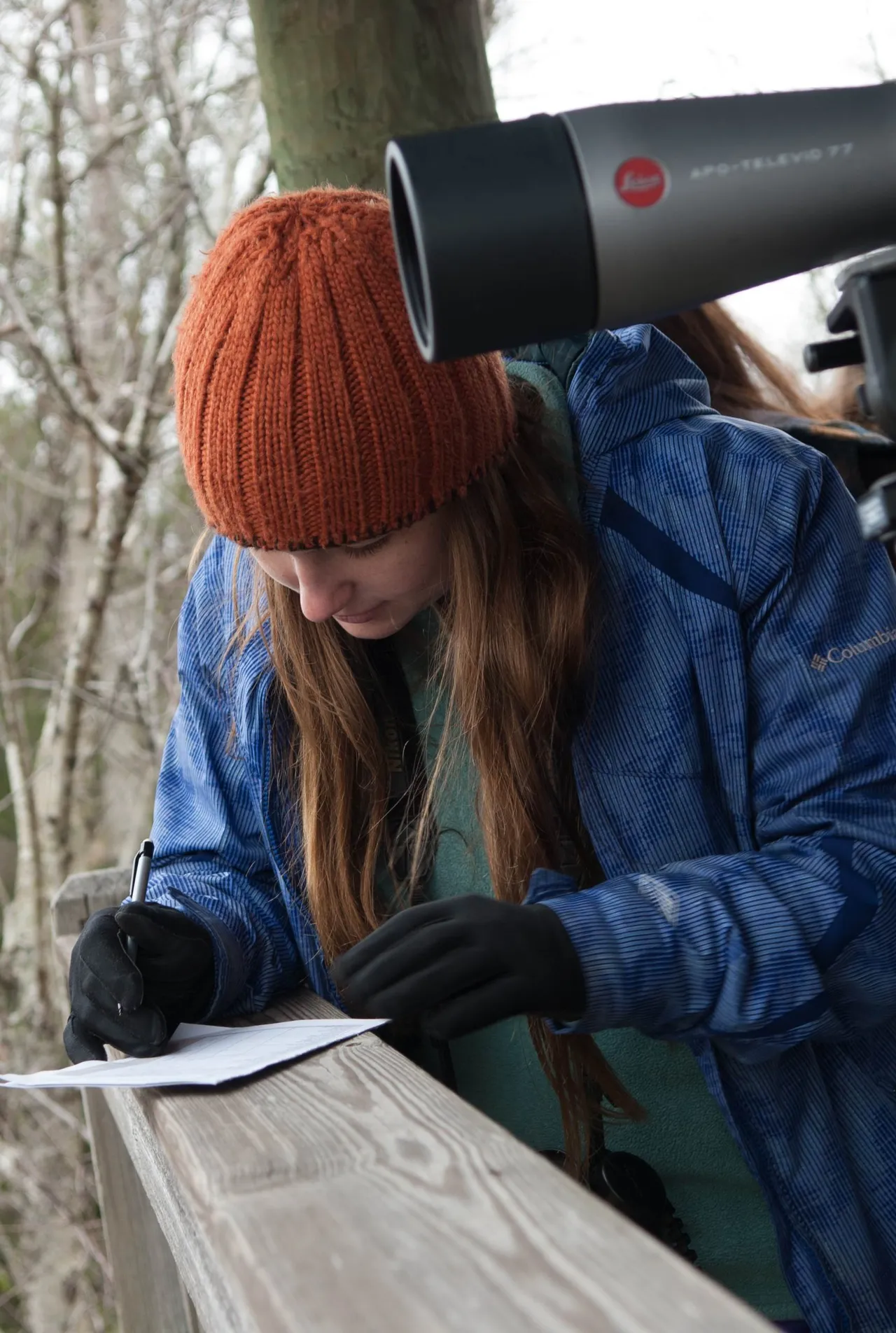
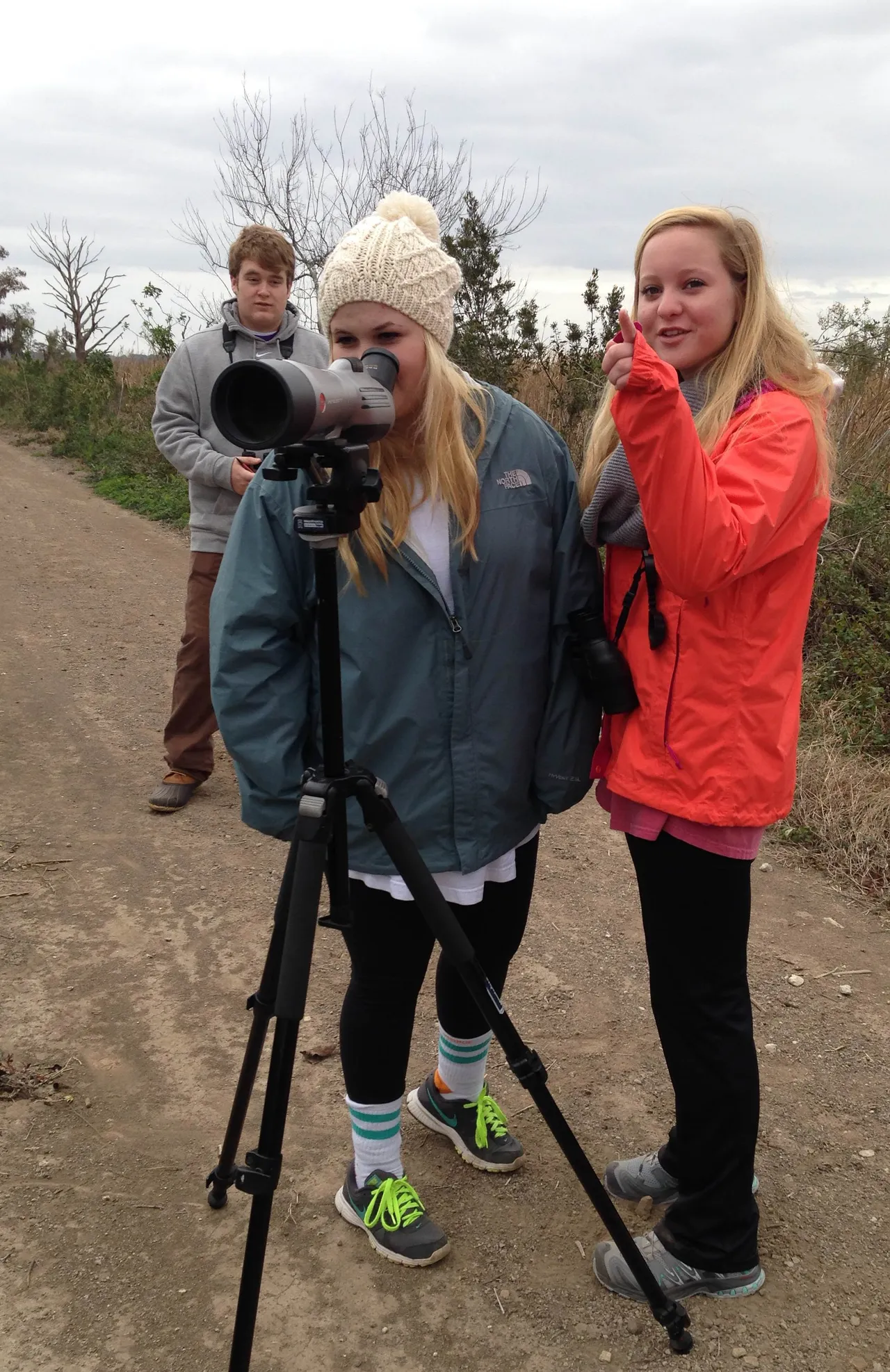
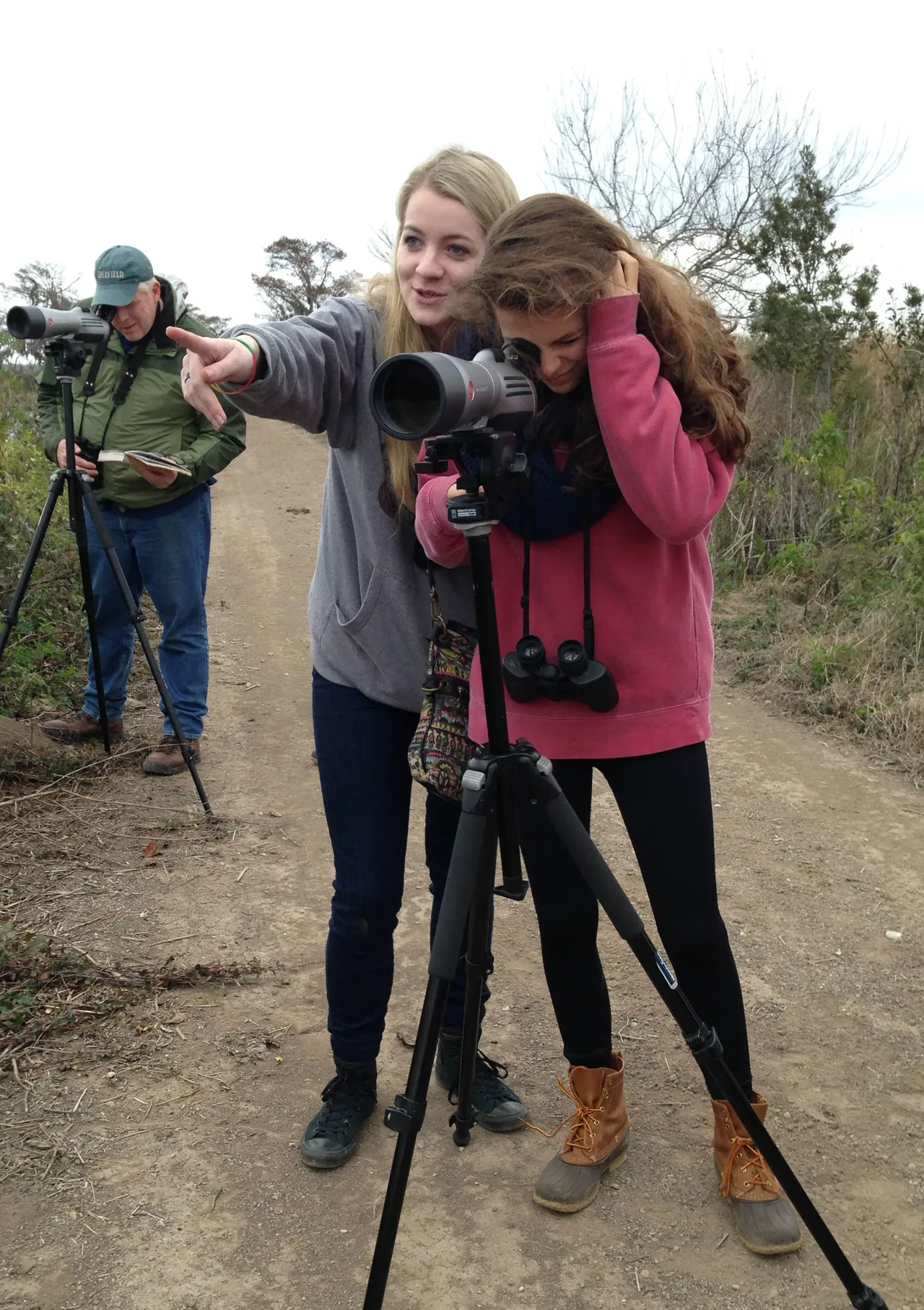
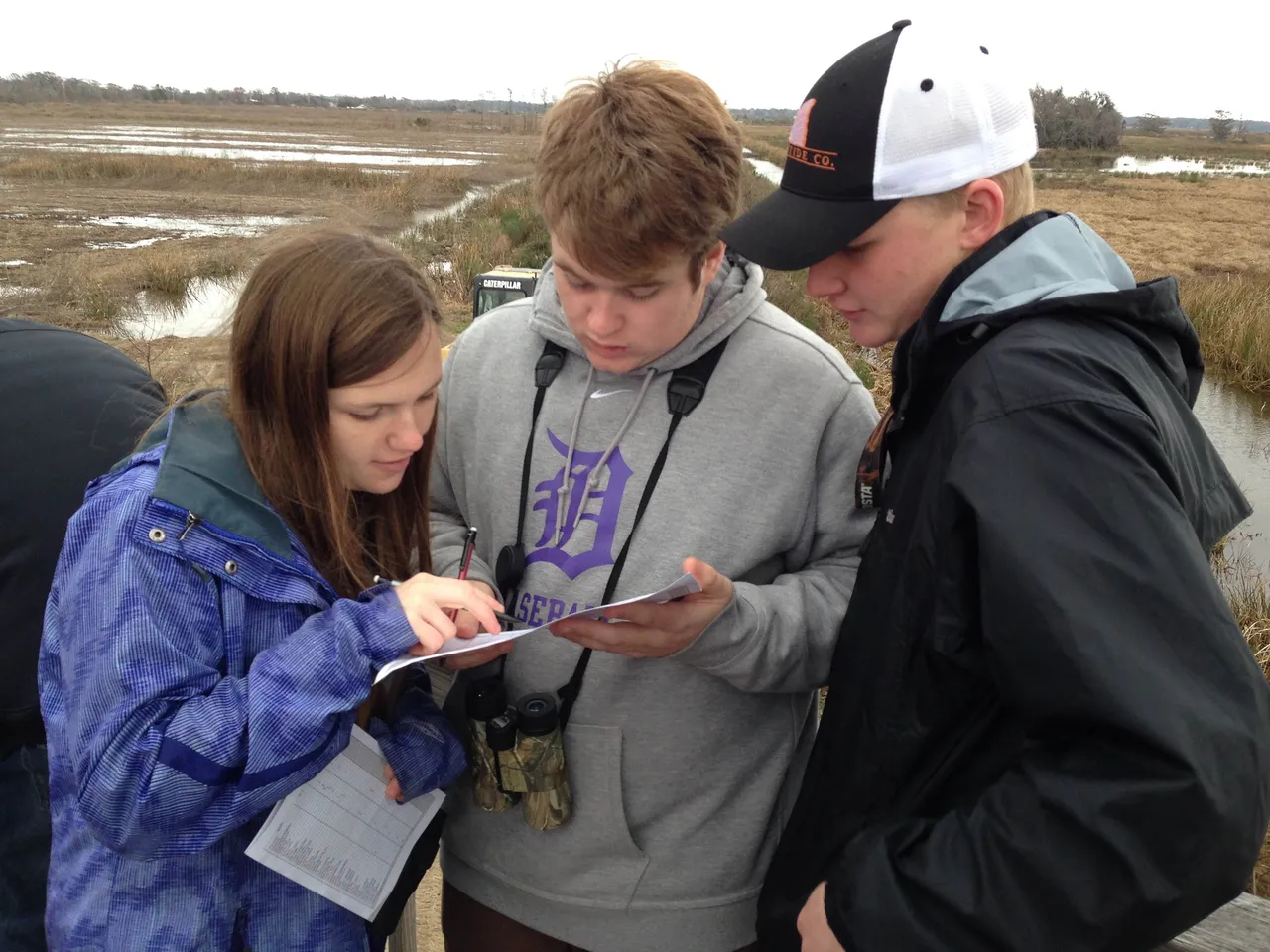
Rather than casually watching birds as a class, the trip is designed around a 48-hour competition. Groups of four students compete against each other to identify the most species in the two-day period. Each group records their findings on a game card with varying point values for each bird species seen. The team with the most confirmed species and points wins the competition and earns the highest grade. In addition to the game, we estimate the number of individual birds found at each locality on our itinerary. After returning to campus, we carefully proofread and enter our diversity and abundance data into the eBird online database.
Maintaining viable bird populations in a changing landscape requires accurate, long-term data on species distribution and abundance. However, the task of locating and surveying wild birds is too large for the small number of scientists actually responsible for managing our natural resources. Our students are joining thousands of amateur naturalists from around the globe in a coordinated effort to collect baseline data on animal populations. Data collected during Citizen Science endeavors are used by wildlife managers and policymakers to monitor population trends and to take action on behalf of wildlife.
The oldest and most comprehensive Citizen Science project is the National Audubon Society’s Christmas Bird Count. Amateur ornithologists from across the country began counting birds back in 1900 in response to wanton killing of wild birds and dwindling populations of species like the Passenger Pigeon and the Carolina Parakeet (both are now extinct). Volunteers count every bird they see within a 15-mile diameter survey area for one 24-hour period each year. Last year, over 70,000 people in 2,400 circles devoted a day (between Dec. 14 and Jan. 6) to collecting bird data and building a more wildlife-friendly citizenry. Ashley Edge, Grace Welborn, Abby Cook and Ian Kinney put their skills to work with local amateur ornithologists (including several Darlington alumni and parents) on this year’s Floyd County CBC. The data collected represent an invaluable resource for monitoring the distribution and conservation status of American birds.
Visit the National Wildlife Federation website for links to Citizen Science Projects, and get involved!