Biodiversity: Spring is for the Birds and the Birders

By Owen Kinney - Faculty
Spring is a major shift change for birds in our forests and wetlands. Early in March, local waterfowl depart for prairie potholes in the Great Plains, and by late April many songbirds are passing through on their way to Canada’s vast boreal forests. Currently, Rome’s winter songbirds are leaving, and our breeding residents are returning from the tropics. You might be asking why birds would leave a lush rainforest to breed in Rome, Georgia. Scientists assert that birds move north to avoid competition from similar species, to exploit seasonal bursts of insect food, and to avoid abundant nest predators.
The promise of partnership in remote locations incites a grueling 24-hour activity cycle for migratory birds, including continuous foraging at every stop along their journey. Quite unlike our spring time aspirations, migrating birds work very hard to store a tremendous amount of fat on their bellies. A fat tummy means a full tank of gas and a timely arrival on the breeding grounds. Flying generally occurs at night and many species cross several hundred miles of open ocean in the Gulf of Mexico before landing on the shores of Florida, Alabama and Mississippi.
As bird niches are vacated and new ones are created among the blossoming trees of north Georgia, dazzling new species arrive to work their trade. Brightly colored males of dozens of species get here early from the tropics to stake their claim on the best territories. Then, choosy females show up a few days later, looking for a dashing mate with a flawless song and a safe place to raise a family.
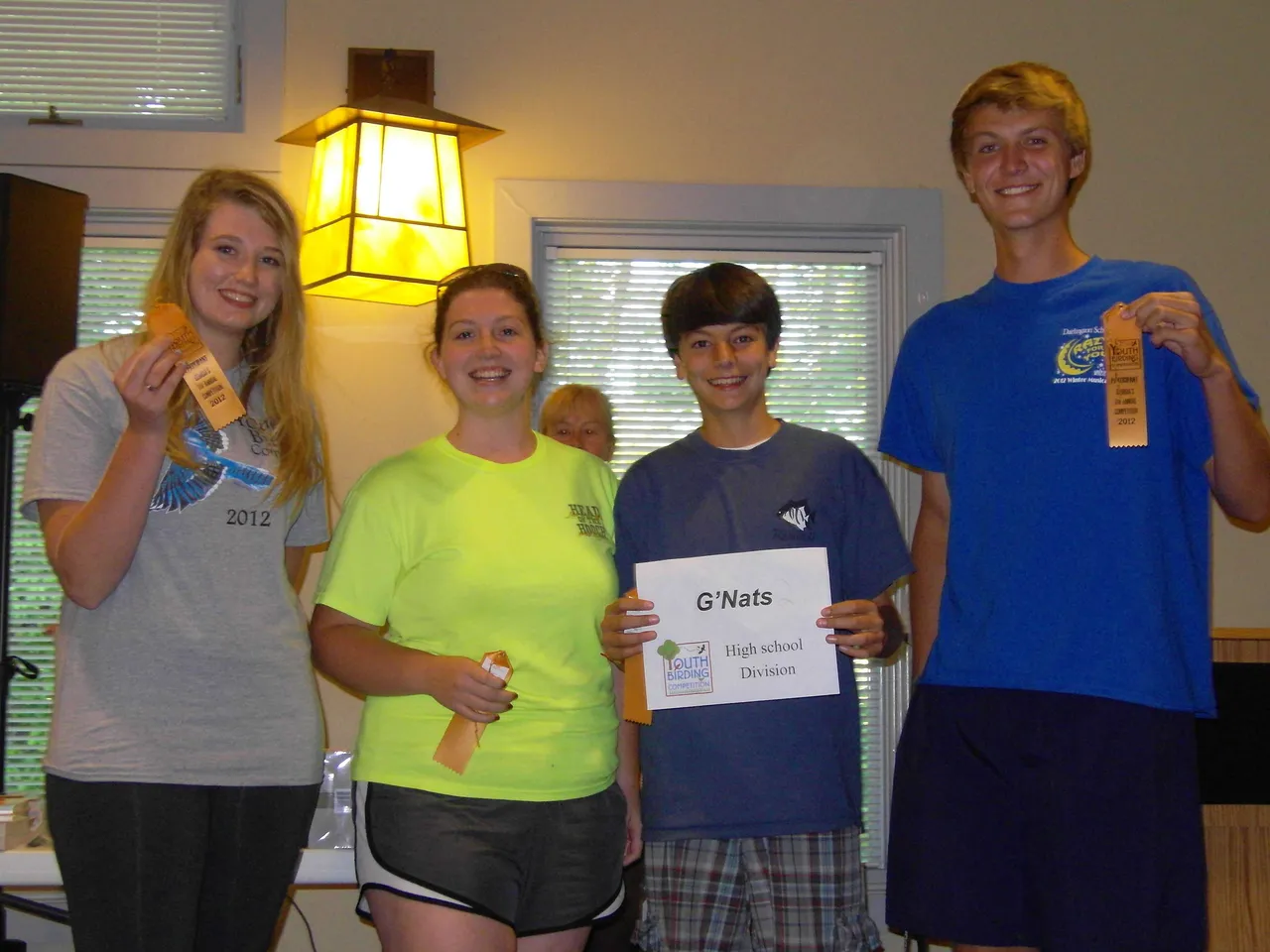
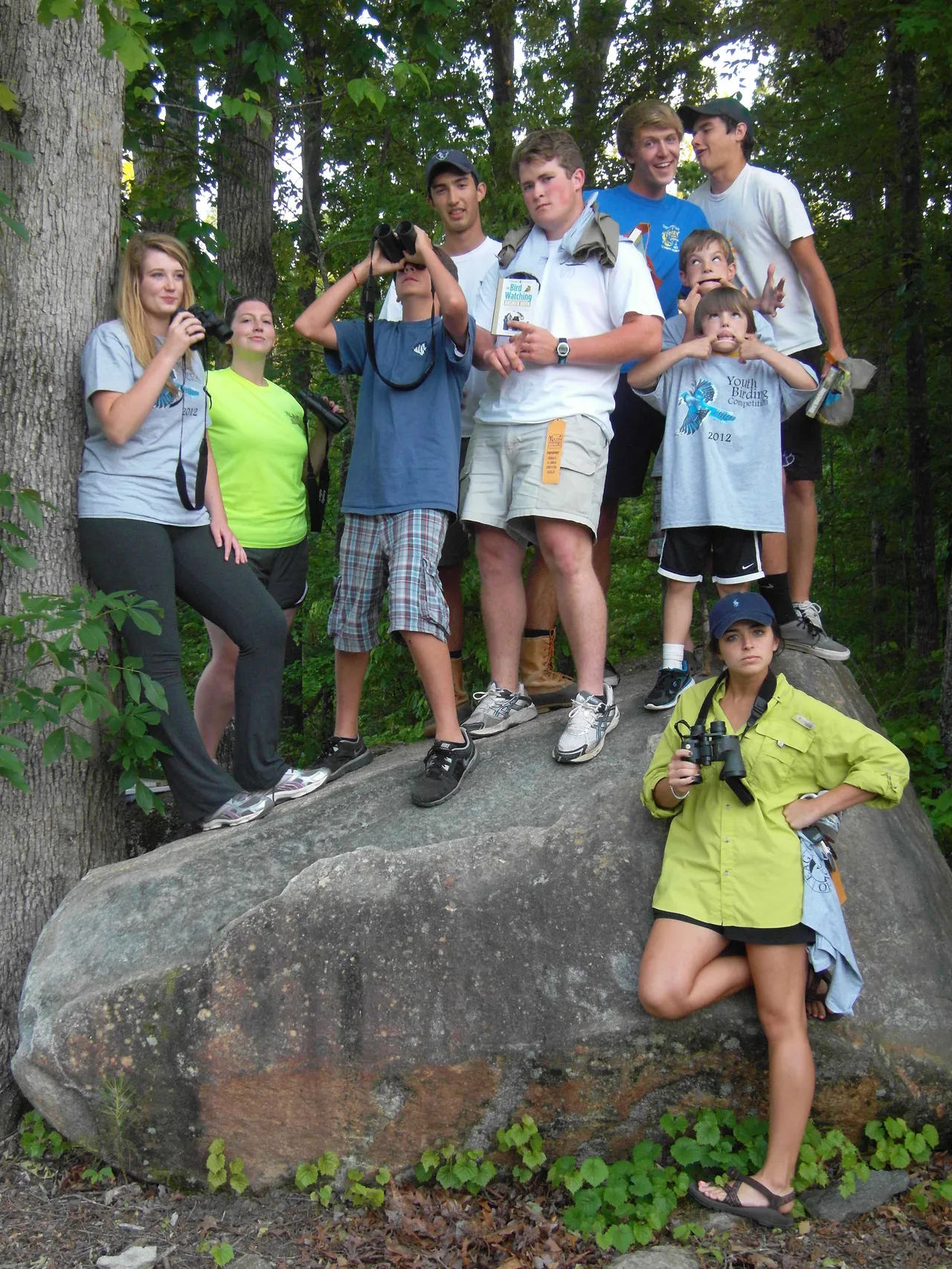
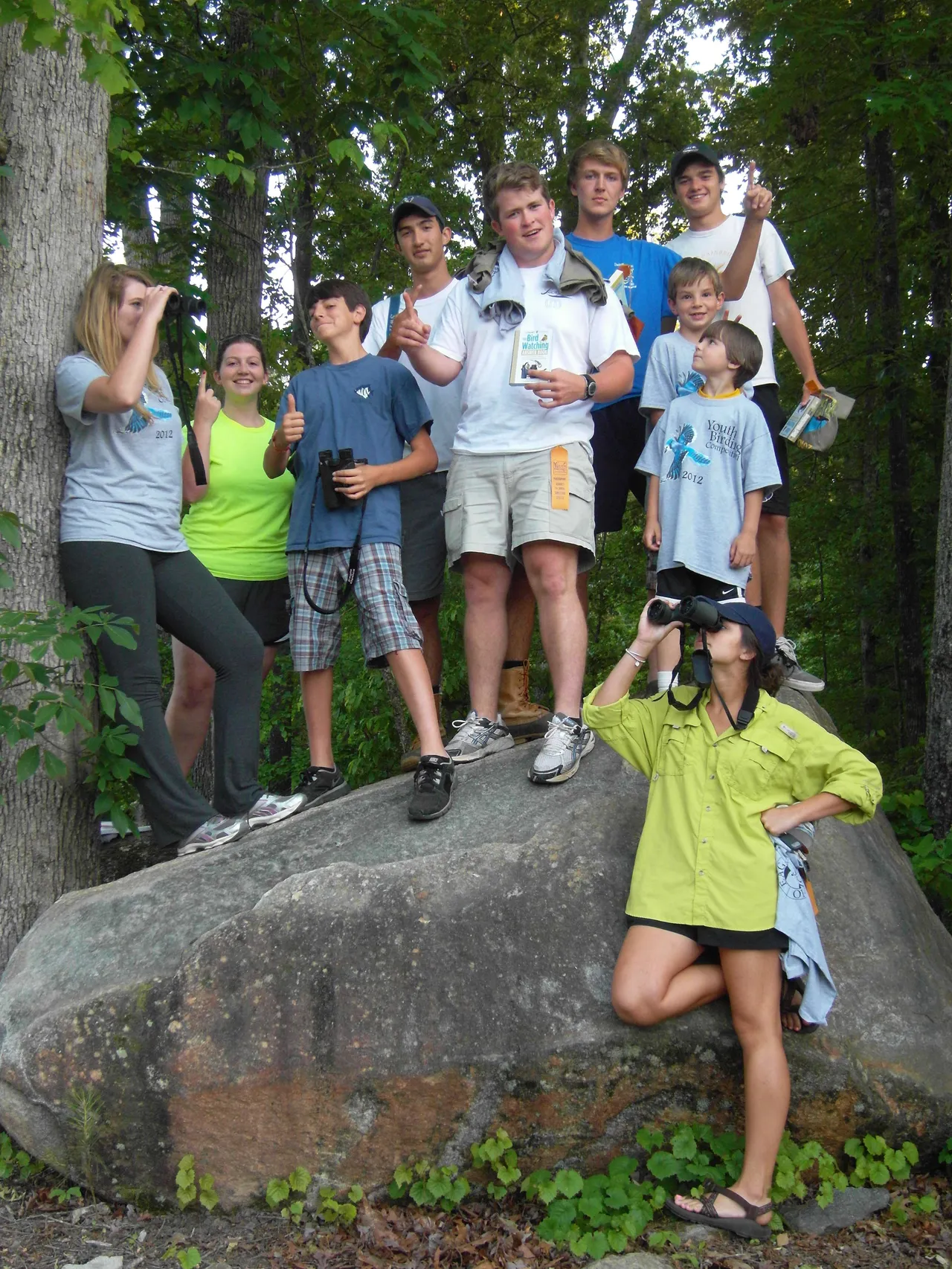
For many people, spring is a time to sport practical khaki clothing and to take morning walks in the woods. To these individuals, “bird” is a verb. Spring departures and arrivals create a peak of bird diversity and a yearly challenge to see them all as they migrate through. Three teams from Darlington School competed this past weekend in the Annual Youth Birding Competition, sponsored by the Georgia Department of Natural Resources.
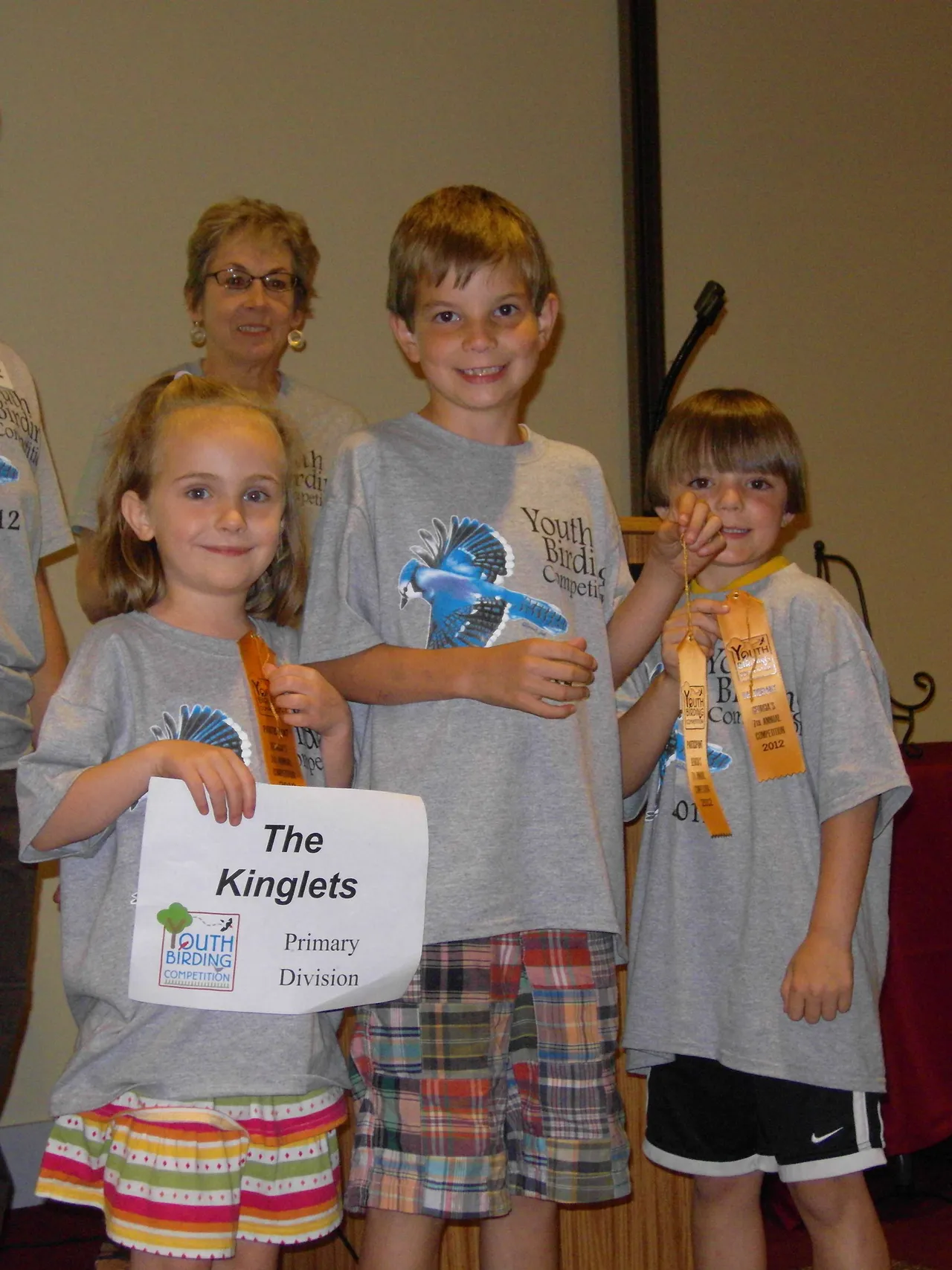
Eight seniors from our Zoology classes, along with one seventh-grader, spent an entire day putting their birding skills to the test. Other seniors in the class mentored a first- and second-grade team from our Lower School.The objective for each of the three teams was to see the most bird species within a 24-hour period (5 p.m. on April 27 to 5 p.m. on April 28).
Our teams performed well, identifying a total of 98 different species over a 100-mile transect from Rome to Mansfield, Ga. We won the rookie division of the contest and scored third overall in the high school category. Our primary team spotted and identified a total of 24 species, earning them a second place finish in their rookie category.
Beyond providing kids with a unique and thought-provoking challenge, the Youth Birding Competition inspires young people to learn more about Georgia’s varied ecosystems and to build a lifelong appreciation for our living resources. Moreover, the contest highlights the reality that many of our birds are shared with countries throughout Central and South America. If you are interested in witnessing the spectacle of spring migration, fill up your bird feeders, clean out your bird baths, and dust off your binoculars.
Here is a list of migratory birds that are commonly seen in garden habitats during spring migration: Indigo Bunting, Rose-breasted Grosbeak, Baltimore Oriole, Ruby-throated Hummingbird, Blue Grosbeak, Blue-Gray Gnatcatcher, Summer Tanager, Eastern Kingbird