
Biodiversity: Snakes Alive!

By Owen Kinney - Faculty
As April progresses, I am rediscovering the many wonders of spring in Northwest Georgia. The inchworms are rappelling from the trees, hatchling turtles are navigating to Silver Lake, and the Cedar Waxwings are gobbling up the last of the holly berries around Wilcox. In the spirit of celebrating our biological riches and the start of life for so many organisms, I want to initiate a blog that reports the breaking news in nature.
There are so many sights to see, sounds to hear, stinks to smell, and even flavors to taste. The opportunities for sharing experiences, asking questions, and debunking myths abound. Consider this new blog not only as a place to learn (and teach) about animals and plants, but as an invitation to unplug and to venture OUTSIDE into the wilds of your own backyard.
After years of frantic phone calls and out-of-breath students barging into my classroom, I feel it is my duty to start this endeavor off with a creature that emerges every April to evoke primal instincts from deep within our brainstems -- a snake!!! Our carefully manicured landscape at Darlington seems to ooze these reptiles, and sometimes they end up spending cool spring nights in strange places. They lounge in the library, cuddle in the corners of The Cove, and even snuggle in server closets. Indirectly fueled by energy-rich acorns and the occasional french fry, these snakes dine on abundant gray squirrels, chipmunks, and other small mammals. Excepting the occasional campus dog, the rodent prey of snakes enjoys life with few mammalian predators (e.g. weasels, bobcats, foxes). Therefore, snakes have assumed a nearly uncontested role as top carnivore at the mammal bar.
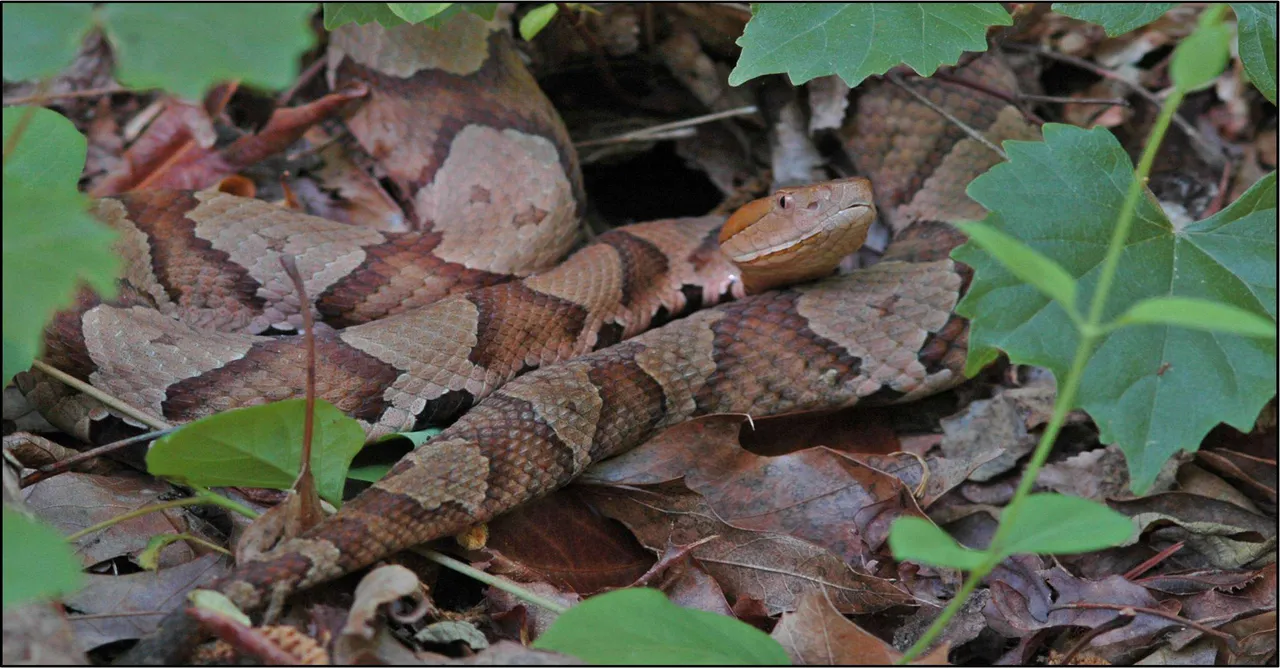
It is worth noting that most of our snakes are indeed harmless to humans and warrant little more than a squeal. In fact, some harmless snakes (i.e. kingsnakes) even specialize in eating the more sinister venomous species like the copperhead. Yes, there have been a handful of copperheads spotted on the trails above the school (including the one the book cover). Without question, though, non-venomous species like the ubiquitous Rat Snake far outnumber venomous ones in most suburban settings.
If you want to recognize (and perhaps even appreciate) the next snake you come across, please consider downloading the attached e-book to your handheld device or computer. Or, you can simply remember that the book will be stored here when you need it. The PDF format should work well in every operating system -- I do know that iBooks (a free library/reader app available on iTunes) works great with this book on iPhones and iPads. The snake photographs, taken on or near campus over the past few years, and the field observations combine to provide you with a simple way to identify and characterize our most common species. Please note that this e-book is a work in progress and that I welcome your feedback and your contributions.
As we move forward with this blog, my intention is for select students from the Zoology classes as well as other community naturalists, to contribute articles and photographs of natural phenomena. We even have plans to create more digital field guides for local biodiversity. Finally, I want to use the blog as a forum to consider frequently asked questions about plants and animals in northwest Georgia.
Now, go outside and enjoy spring before it’s sprung!