NewsUpper SchoolStudent LifeFaculty/StaffAlumniPre-K to 8AdvancementServiceAcademics
Behind the Scenes
Jul 30, 2002 8:00 AM
By Stefan Eady - Faculty
Once upon a time there was a school. It was a very small school – a young school tucked away in a rented second-floor room in a fire station.
There was no blackboard, nor were there desks. Yet, what the school lacked in supplies it held tenfold in ideals. It was a noble school. For you see this was a dream of two visionaries. The visionaries (a husband and wife) knew a southern community struggling with the lingering effects of a war. Realizing that there was no high school and knowing the worth of an education, they founded the small school for boys.
When planning the school, the husband considered his own education. One of his teachers greatly influenced his life. He chose to model the new school from his own experiences. He wanted the pupils to develop academic achievements, Christian character, and manhood through mutual respect between teacher and student. Thanks to the dedication, commitment, and generosity of John Paul and Alice Allgood Cooper the doors opened to the first location of Darlington School.
As if from the pages of a storybook, Darlington has grown from a humble beginning to a complex community that touches individuals around the globe and encompasses a picturesque campus spanning more than 500 acres. There is a striking contrast between the school of 1905 and the one of the twenty-first century. In the beginning, John Ross McCain was the sole employee of the School working as headmaster, teacher, and caretaker. “We did not even have a blackboard with which to begin, and no desks of any kind –simply chairs in a bare room. It was a pretty dreary outlook –no playground, no eating place, no recreation center. I had to take four classes from 8 to 12 o’clock and then four more from 12 to 4 o’clock. It did not give me anytime for getting any work done. I had no janitor and did such sweeping and cleaning up as might be needful,” accounts of John Ross McCain published in The Story of Darlington, the first 80 years by J. Daniel Hanks ’27, copyright 1991 and printed by Harlo Printing, Detroit.
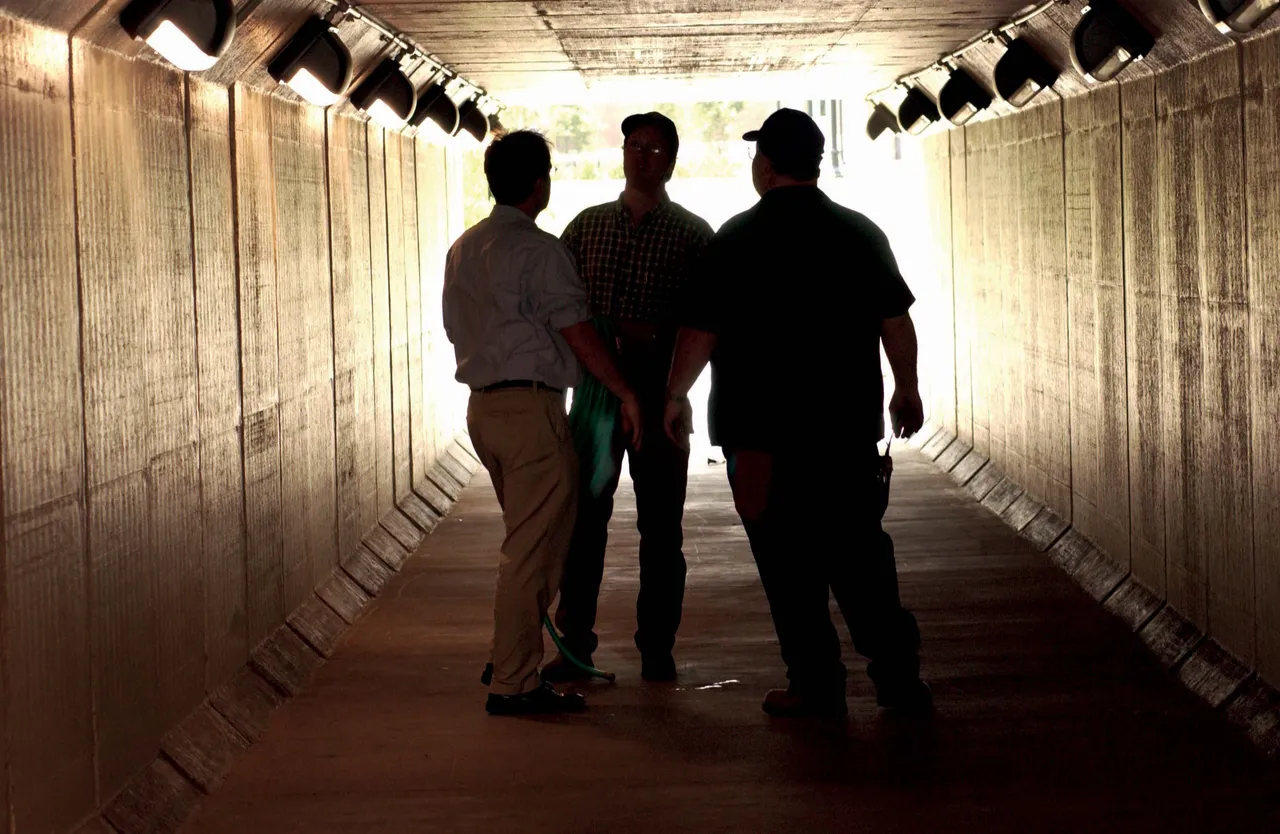
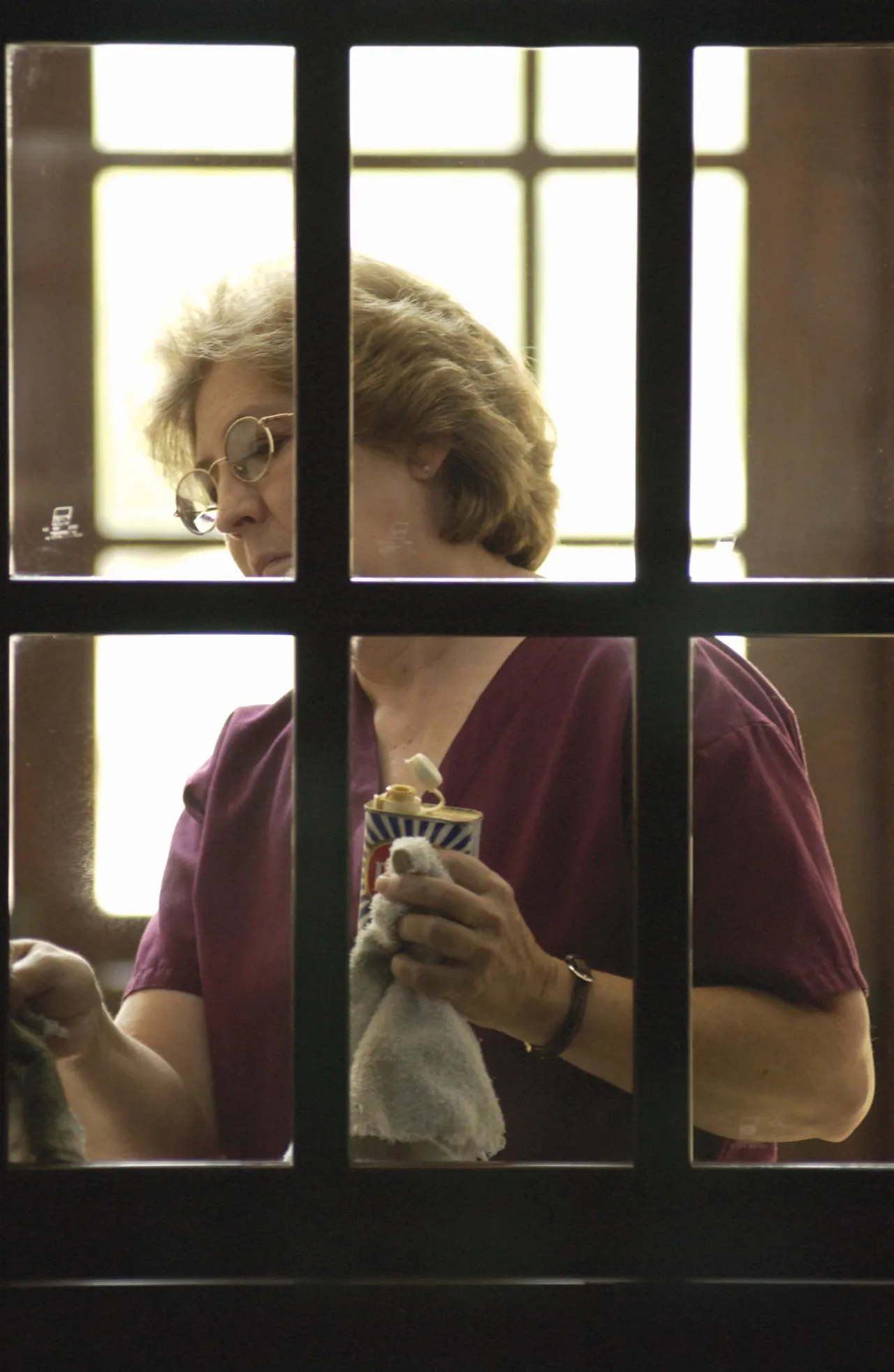
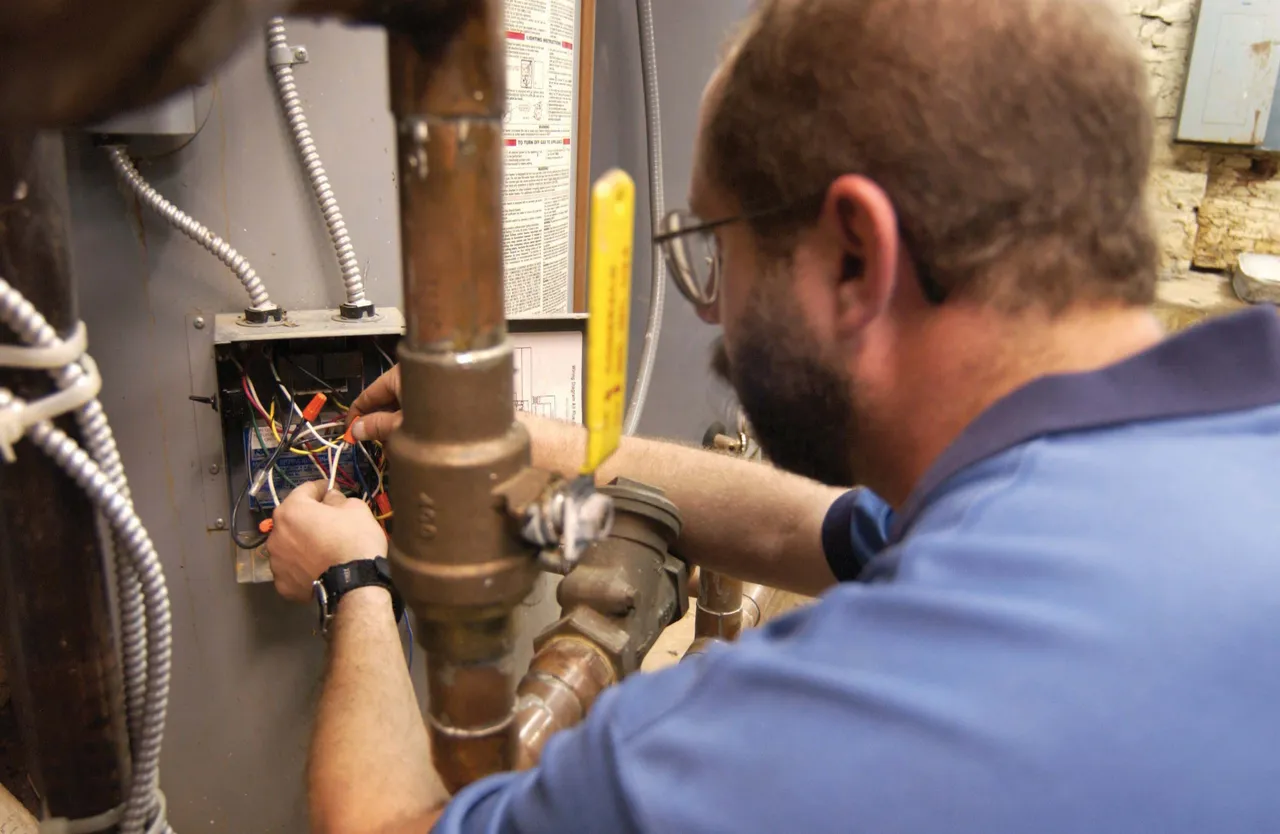
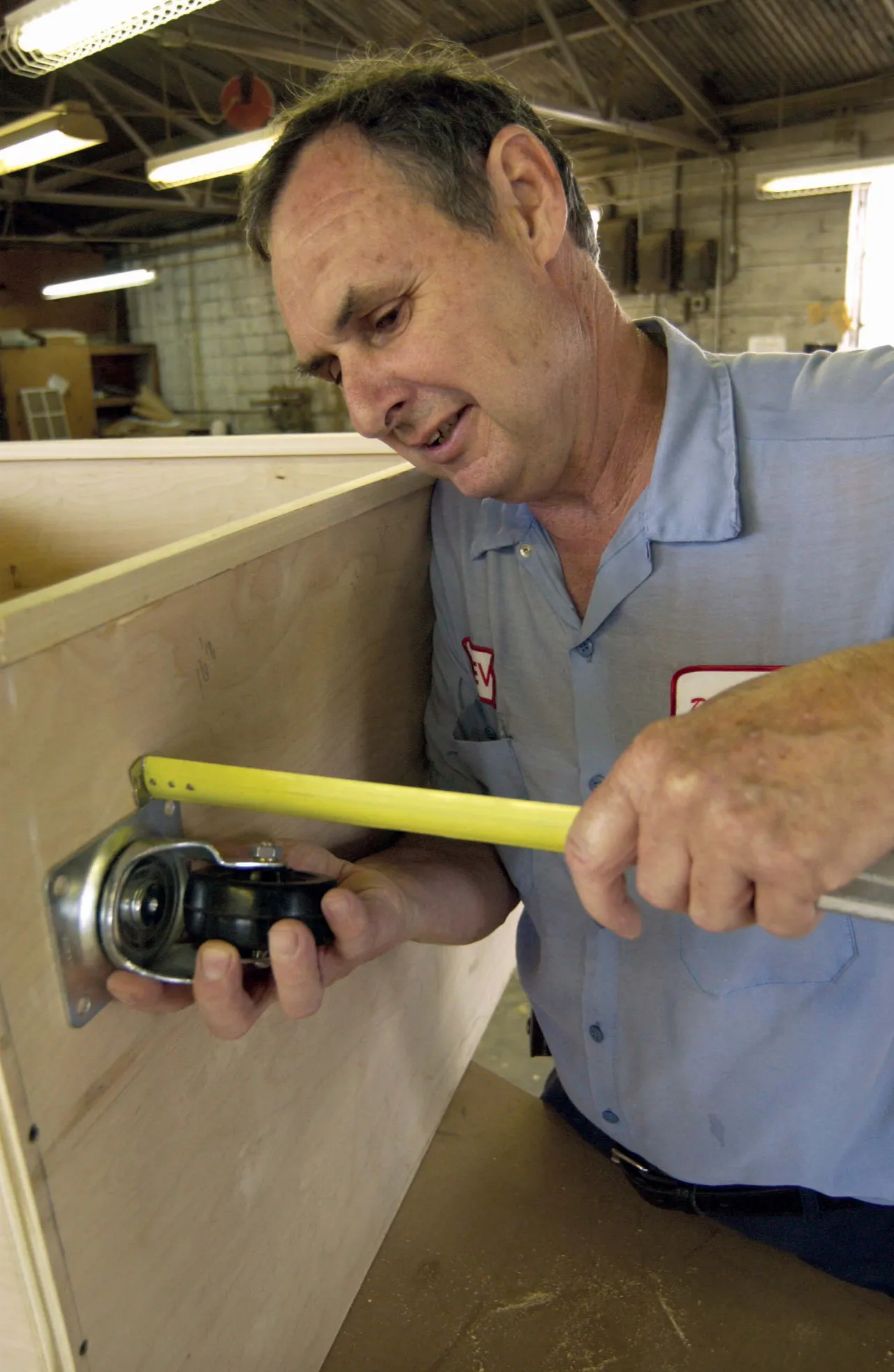
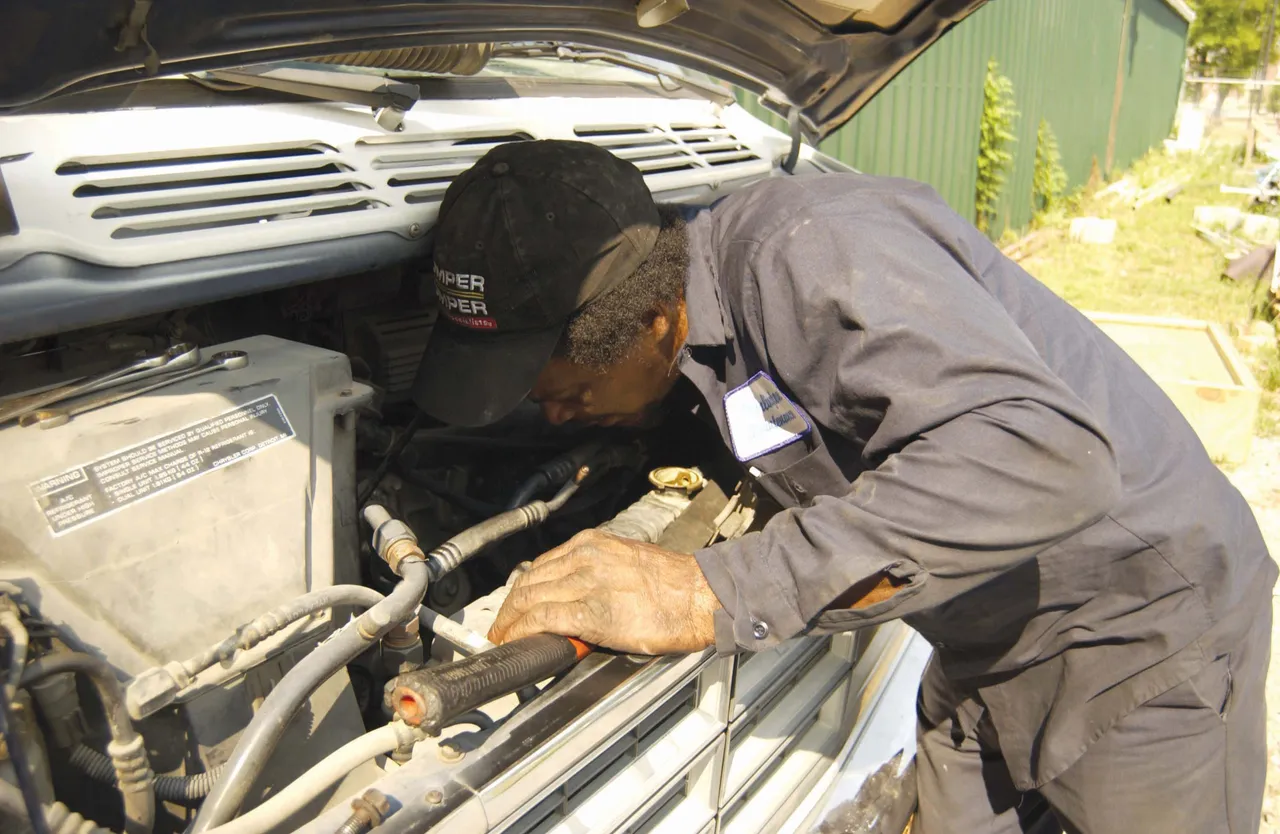
In the nearly 100-year history, Darlington has expanded services and facilities, as well as increased need for support. Unlike 1905, today it takes about 150 administrators, faculty, and staff plus facilities management and food service groups to meet the School’s daily needs. An enormous amount of resources is required to physically run the School from day-to-day: specialists, carpenters, cooks, electricians, negotiators, security guards, transportation coordinators, drivers, a mechanic, a cashier, a locksmith, 17 custodial employees, grounds crews, mechanics, supervisors, a special events coordinator, equipment, tons of supplies, catering services, knowledge, plus strong management. Without these services, Darlington would not be able provide a full array of programs nor meet student needs.
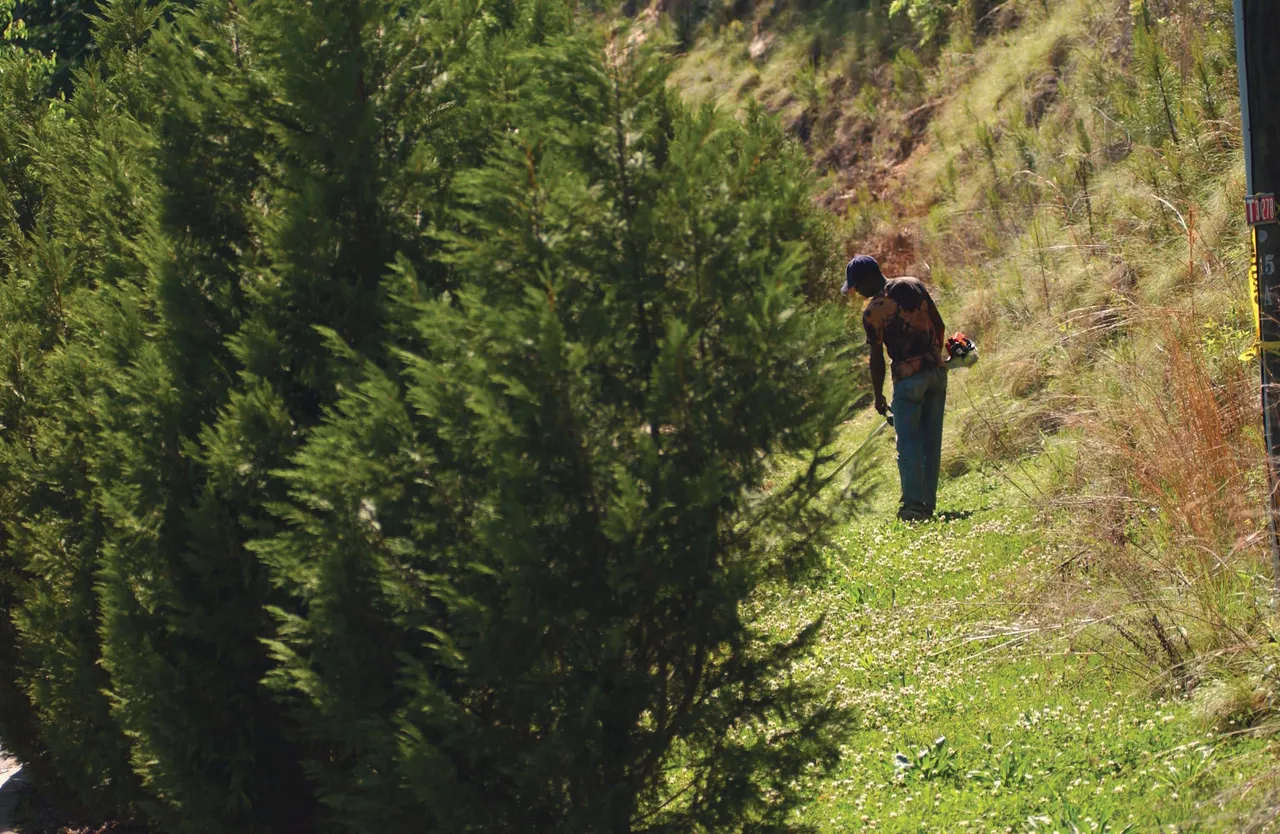
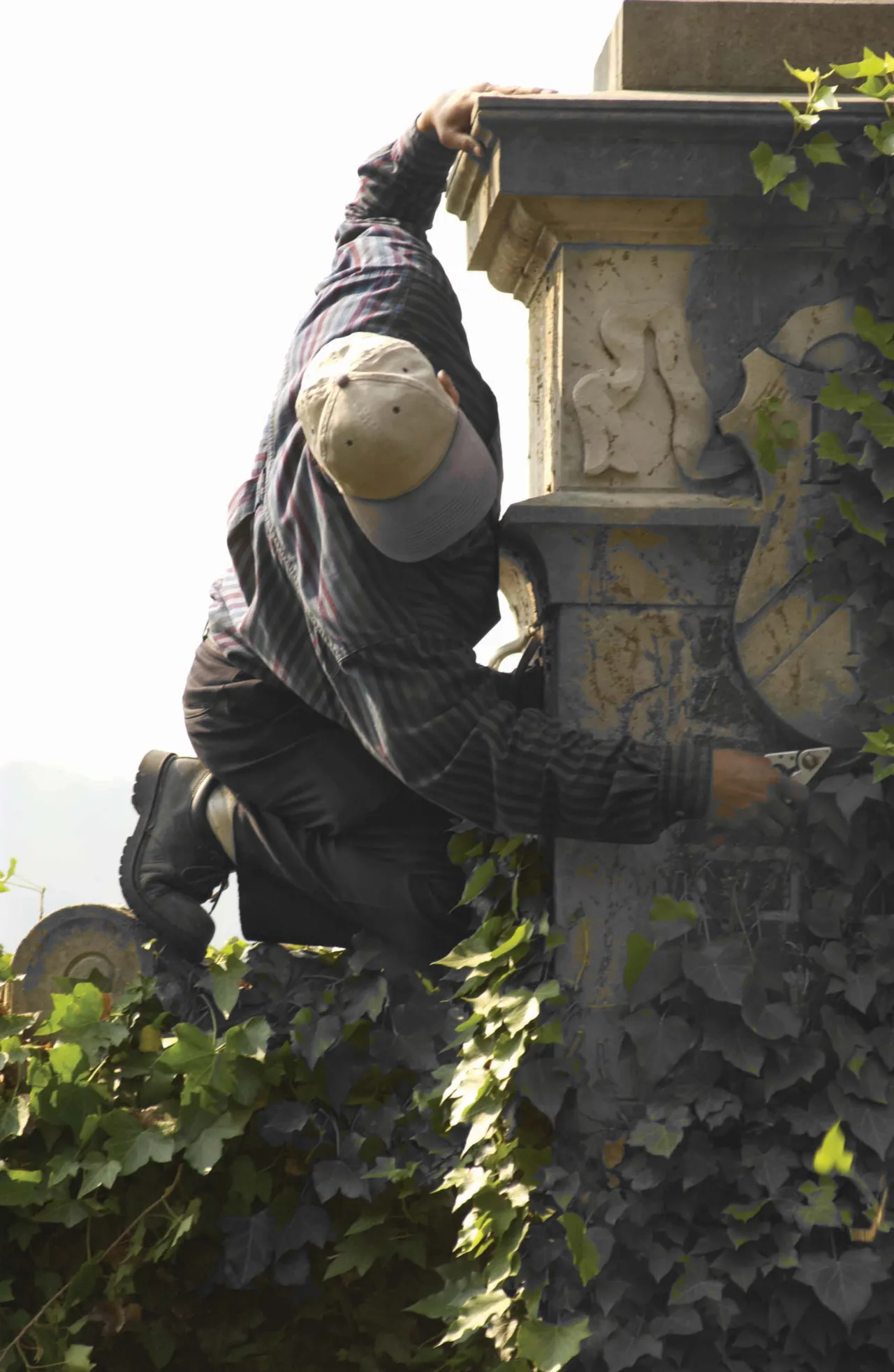
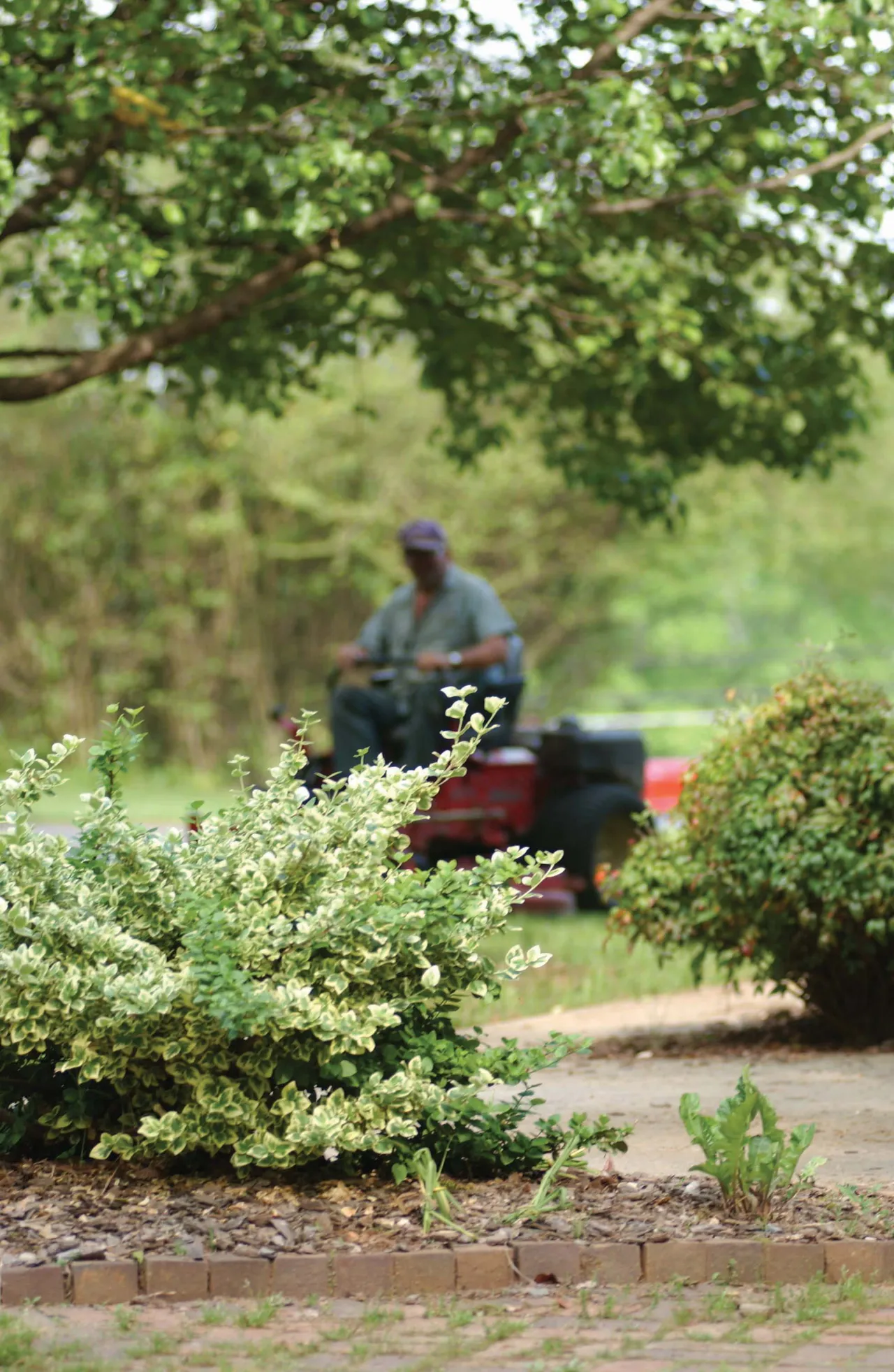
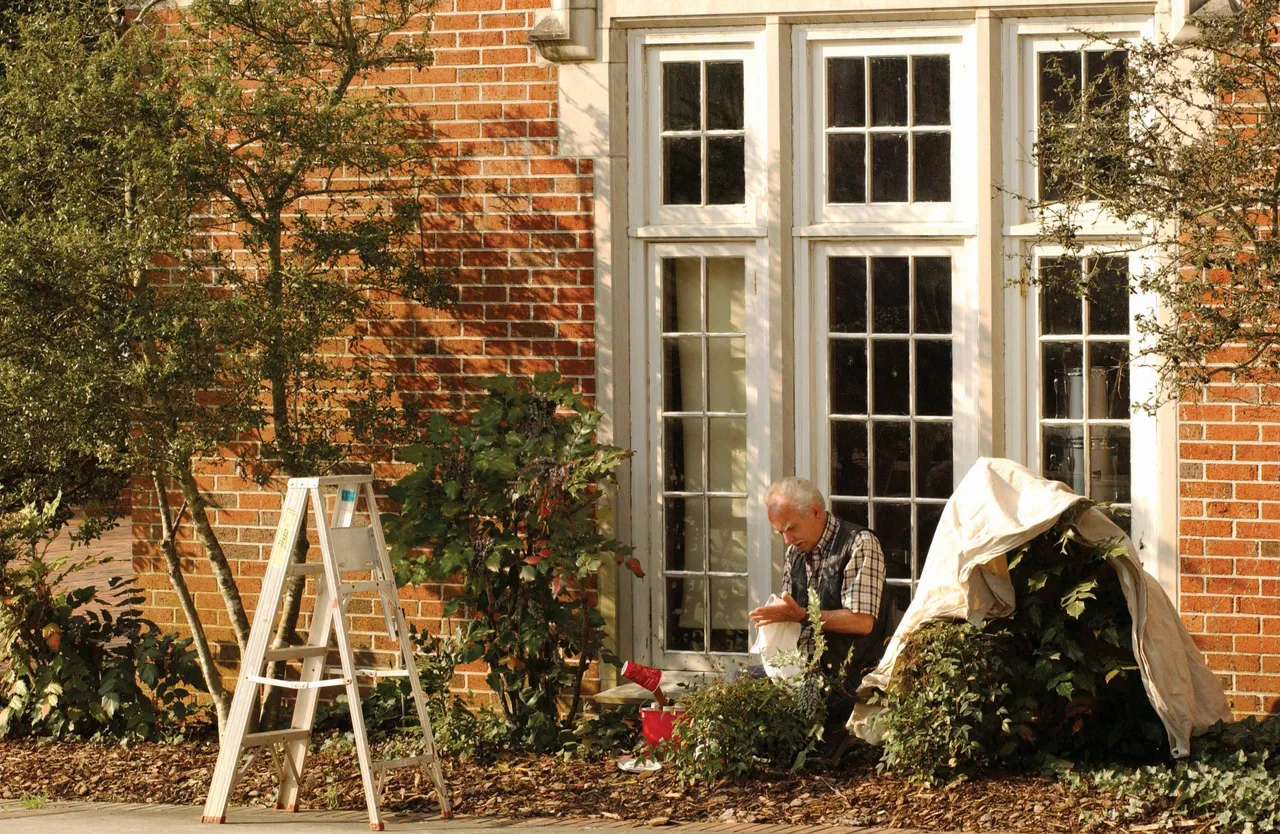
What happens behind the scenes? Who repairs the roofs, maintains the heating and cooling system, bakes the cookies, slices tomatoes, washes dishes, maintains transportation, secures the campus, offers swan care, and cleans classrooms and offices? Who creates the scenic campus complete with manicured lawns and flowerbeds set as a backdrop to well-kept, stately, Gothic revival, traditional prep-school buildings?
Sixty-one facilities management employees contribute to the daily operations of an institution that encompasses 465,440 square feet of academic, residential, athletic, and industrial-support facilities, or 47 buildings. Responsibilities include, but are not limited to, small construction, construction management, grounds and facilities preventive maintenance and repair, athletic field upkeep (painting athletic field stripes before competitions, tennis wind guard repairs, turf care), security, transportation (student pickup and returns daily to Acworth, Cartersville, Calhoun, Cedartown, and Summerville; field trips, approximately 60 per year at the Lower School alone; and resident student medical appointments), housekeeping, special events coordination, office deliveries, recycling, trash pickup, and just about anything else imaginable.
Consider transportation. This is only one aspect of the complex operations of the School. Most schools coordinate athletic events and field trips. Darlington meets these needs plus coordinates transportation for day students in five surrounding towns. And as a boarding school, it is essential that Darlington provide for the traveling needs of resident students. With family emergencies, School breaks, weekend leaves, college visits, it is essential that the School have a plan set so that School buses and vans can make the familiar trek down Highway 278 (the airport route) as needs demand.
A private school also has a demand for special events. There are approximately 150 special events each year taking place on the Chapel lawn, at Home-on-the-Hill, in tents, faculty homes, hospitality suites, and even at locations out of town. Chairs, tables, tents, and sometimes power sources are setup then dismantled. Rain plans are made. Grounds are spruced.
What would a gathering be without food? Special events require special food services. From grilling on Zelle patio to hand-carving fruits for a Board of Trustees gathering at Home-on-the-Hill, Darlington food service employees often provide distinctive foods for special occasions. Plus they provide three meals a day, seven days a week.
Work behind the scenes is crucial to more than the School’s daily operations. Remember, first impressions are priceless. Imagine, a prospective student or potential faculty member viewing the campus for the very first time. Drive through the main gates. See reflections in a quaint lake of impressive yet cozy buildings, homes, flowering shrubs, swans. Catch a glimpse of the ideal, yes, even storybook, setting –a setting that any student or faculty would love to call home. What happens behind the scenes could create scenery to last a lifetime.
There was no blackboard, nor were there desks. Yet, what the school lacked in supplies it held tenfold in ideals. It was a noble school. For you see this was a dream of two visionaries. The visionaries (a husband and wife) knew a southern community struggling with the lingering effects of a war. Realizing that there was no high school and knowing the worth of an education, they founded the small school for boys.
When planning the school, the husband considered his own education. One of his teachers greatly influenced his life. He chose to model the new school from his own experiences. He wanted the pupils to develop academic achievements, Christian character, and manhood through mutual respect between teacher and student. Thanks to the dedication, commitment, and generosity of John Paul and Alice Allgood Cooper the doors opened to the first location of Darlington School.
As if from the pages of a storybook, Darlington has grown from a humble beginning to a complex community that touches individuals around the globe and encompasses a picturesque campus spanning more than 500 acres. There is a striking contrast between the school of 1905 and the one of the twenty-first century. In the beginning, John Ross McCain was the sole employee of the School working as headmaster, teacher, and caretaker. “We did not even have a blackboard with which to begin, and no desks of any kind –simply chairs in a bare room. It was a pretty dreary outlook –no playground, no eating place, no recreation center. I had to take four classes from 8 to 12 o’clock and then four more from 12 to 4 o’clock. It did not give me anytime for getting any work done. I had no janitor and did such sweeping and cleaning up as might be needful,” accounts of John Ross McCain published in The Story of Darlington, the first 80 years by J. Daniel Hanks ’27, copyright 1991 and printed by Harlo Printing, Detroit.
In the nearly 100-year history, Darlington has expanded services and facilities, as well as increased need for support. Unlike 1905, today it takes about 150 administrators, faculty, and staff plus facilities management and food service groups to meet the School’s daily needs. An enormous amount of resources is required to physically run the School from day-to-day: specialists, carpenters, cooks, electricians, negotiators, security guards, transportation coordinators, drivers, a mechanic, a cashier, a locksmith, 17 custodial employees, grounds crews, mechanics, supervisors, a special events coordinator, equipment, tons of supplies, catering services, knowledge, plus strong management. Without these services, Darlington would not be able provide a full array of programs nor meet student needs.
What happens behind the scenes? Who repairs the roofs, maintains the heating and cooling system, bakes the cookies, slices tomatoes, washes dishes, maintains transportation, secures the campus, offers swan care, and cleans classrooms and offices? Who creates the scenic campus complete with manicured lawns and flowerbeds set as a backdrop to well-kept, stately, Gothic revival, traditional prep-school buildings?
Sixty-one facilities management employees contribute to the daily operations of an institution that encompasses 465,440 square feet of academic, residential, athletic, and industrial-support facilities, or 47 buildings. Responsibilities include, but are not limited to, small construction, construction management, grounds and facilities preventive maintenance and repair, athletic field upkeep (painting athletic field stripes before competitions, tennis wind guard repairs, turf care), security, transportation (student pickup and returns daily to Acworth, Cartersville, Calhoun, Cedartown, and Summerville; field trips, approximately 60 per year at the Lower School alone; and resident student medical appointments), housekeeping, special events coordination, office deliveries, recycling, trash pickup, and just about anything else imaginable.
Consider transportation. This is only one aspect of the complex operations of the School. Most schools coordinate athletic events and field trips. Darlington meets these needs plus coordinates transportation for day students in five surrounding towns. And as a boarding school, it is essential that Darlington provide for the traveling needs of resident students. With family emergencies, School breaks, weekend leaves, college visits, it is essential that the School have a plan set so that School buses and vans can make the familiar trek down Highway 278 (the airport route) as needs demand.
A private school also has a demand for special events. There are approximately 150 special events each year taking place on the Chapel lawn, at Home-on-the-Hill, in tents, faculty homes, hospitality suites, and even at locations out of town. Chairs, tables, tents, and sometimes power sources are setup then dismantled. Rain plans are made. Grounds are spruced.
What would a gathering be without food? Special events require special food services. From grilling on Zelle patio to hand-carving fruits for a Board of Trustees gathering at Home-on-the-Hill, Darlington food service employees often provide distinctive foods for special occasions. Plus they provide three meals a day, seven days a week.
Work behind the scenes is crucial to more than the School’s daily operations. Remember, first impressions are priceless. Imagine, a prospective student or potential faculty member viewing the campus for the very first time. Drive through the main gates. See reflections in a quaint lake of impressive yet cozy buildings, homes, flowering shrubs, swans. Catch a glimpse of the ideal, yes, even storybook, setting –a setting that any student or faculty would love to call home. What happens behind the scenes could create scenery to last a lifetime.