NewsUpper SchoolStudent LifePre-K to 8ServiceAcademics
Addressing the War on Iraq on campus
Mar 25, 2003 8:00 AM
By Stefan Eady - Faculty
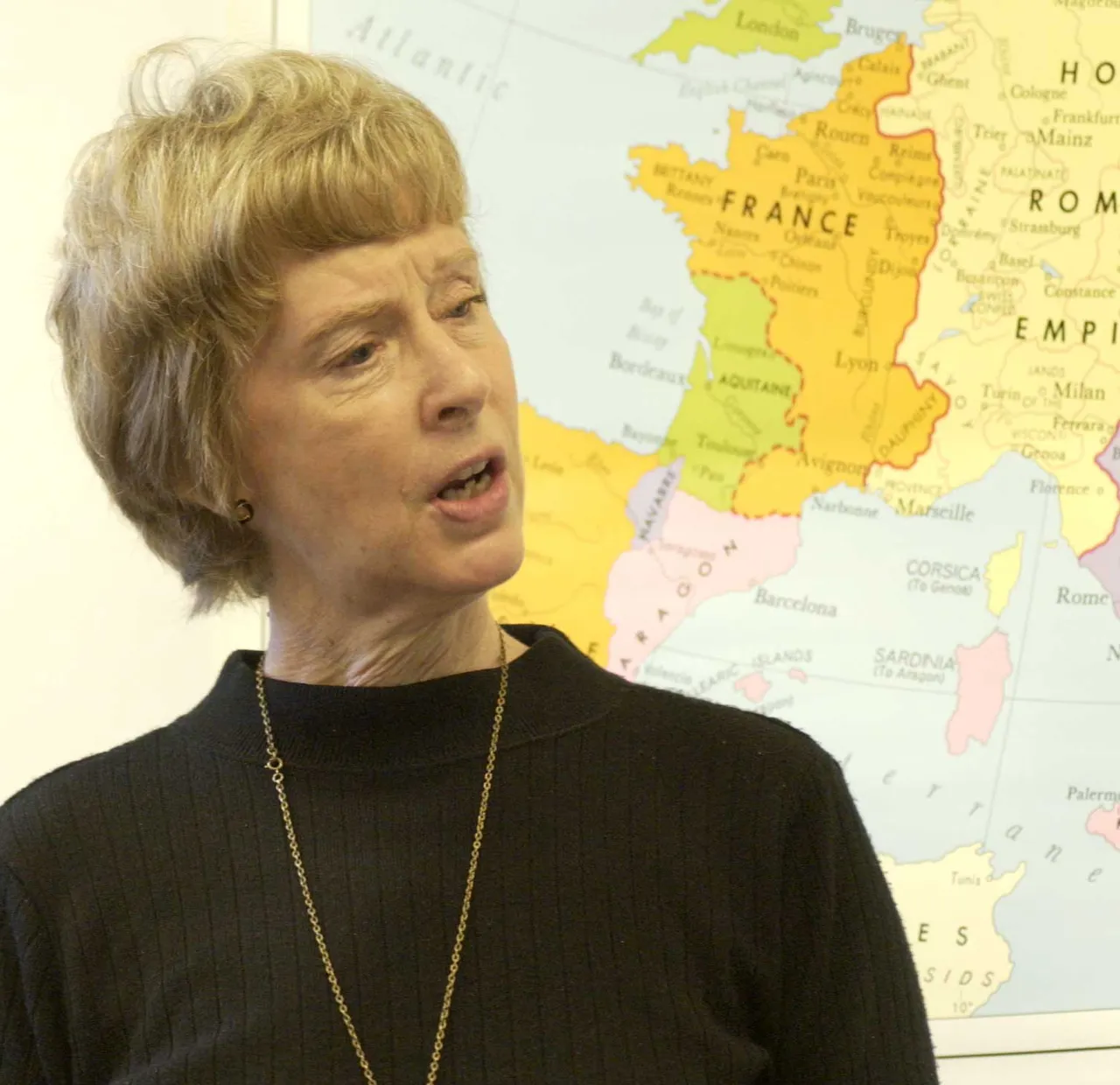
As events unfold in Iraq and around the globe, Darlington faculty members are trying to find the best ways to address the issues, offer support, and teach life lessons to students. This is a distinctive challenge considering that the Darlington community is made up of individuals from around the globe, with varying viewpoints and a shared interest, education. Upper School students come from 19 states and 15 countries; in fact, 25 percent of the resident population is international.
In one of many faculty efforts to tackle the issues, David Hicks, Darlington president, used the conflict as an opportunity to share life lessons, during Chapel, March 19. “Darlington is like a little United Nations; we should talk about our differences, but with respect for each other,” Hicks said. “We don’t all have to agree. That’s the freedom we enjoy in this country. The price we pay for that freedom, however, is that we have to treat each other with respect.”
Advisers, heads of house, and teachers are making every effort to be available to students who may need some support. Many faculty members believe the classroom is a healthy forum for discussion. Here are some examples of the various approaches Darlington faculty are taking:
· Skip Saunders, Upper School English instructor, asked his students to evaluate the then contemplated action against Iraq according to the Just War Doctrine, the set of ideas that have evolved during centuries of Christian debate.
· Betsy Awsumb, Upper School history instructor, has students in Ancient /Medieval History studying the Crusades, with discussions about the war on Iraq developing. She posed the question, “Why do the Crusades matter in 2003?” which has lead to discussions on residual issues of territory and hostility and also the idea of religious justification of violence. “The students have this very much on their minds and many of them desperately need information and a safe and controlled atmosphere in which to hear differing opinions and express their individual concerns,” Awsumb said. “Actually, so do I.”
· Brian Inman, Upper School history instructor, gave his Modern World History class a clear idea of the different sides of argument without the typical media spin. He taped a debate that aired on C-Span. A panel of four distinguished journalists and professors, two pro-war and two anti-war, debated the issues. After listening to the debate, his students wrote essays that were either pro-war or anti-war using the arguments they gleaned from the debate.
· Gordon Hight, Upper School Government and Economics instructor, taped the March 17 presidential address, then had his classes examine it to determine who the President was specifically addressing and how his talk postured the United States globally. The students also discussed countries supporting the United States and those that are not–and why.
· Kindergarten and pre-first teachers Patricia Ayer and Janice Cox are using a school play, written by Cox and performed by the students, to teach the children ways to overcome fear. “The play was written to calm children’s fears about war,” Cox said. “We are teaching them Bible verses and biblical principles about courage and strength.”
· Student newspaper adviser Karen Rieley is using the publication as a place for students to voice their concerns. "The Darlingtonian students have covered the threat of war for the past several months. Students on both sides of the issue have written thoughtful, impassioned opinion pieces. The paper is a medium in which they can express differences of opinion in a professional manner," Rieley said.
· Advisers have been encouraged to remind students to be tolerant of opposing views. “This war will effect all of us in some fashion and it is important that we pull together and be sensitive to the needs of our students,” Jill Pate, school counselor, said.
In one of many faculty efforts to tackle the issues, David Hicks, Darlington president, used the conflict as an opportunity to share life lessons, during Chapel, March 19. “Darlington is like a little United Nations; we should talk about our differences, but with respect for each other,” Hicks said. “We don’t all have to agree. That’s the freedom we enjoy in this country. The price we pay for that freedom, however, is that we have to treat each other with respect.”
Advisers, heads of house, and teachers are making every effort to be available to students who may need some support. Many faculty members believe the classroom is a healthy forum for discussion. Here are some examples of the various approaches Darlington faculty are taking:
· Skip Saunders, Upper School English instructor, asked his students to evaluate the then contemplated action against Iraq according to the Just War Doctrine, the set of ideas that have evolved during centuries of Christian debate.
· Betsy Awsumb, Upper School history instructor, has students in Ancient /Medieval History studying the Crusades, with discussions about the war on Iraq developing. She posed the question, “Why do the Crusades matter in 2003?” which has lead to discussions on residual issues of territory and hostility and also the idea of religious justification of violence. “The students have this very much on their minds and many of them desperately need information and a safe and controlled atmosphere in which to hear differing opinions and express their individual concerns,” Awsumb said. “Actually, so do I.”
· Brian Inman, Upper School history instructor, gave his Modern World History class a clear idea of the different sides of argument without the typical media spin. He taped a debate that aired on C-Span. A panel of four distinguished journalists and professors, two pro-war and two anti-war, debated the issues. After listening to the debate, his students wrote essays that were either pro-war or anti-war using the arguments they gleaned from the debate.
· Gordon Hight, Upper School Government and Economics instructor, taped the March 17 presidential address, then had his classes examine it to determine who the President was specifically addressing and how his talk postured the United States globally. The students also discussed countries supporting the United States and those that are not–and why.
· Kindergarten and pre-first teachers Patricia Ayer and Janice Cox are using a school play, written by Cox and performed by the students, to teach the children ways to overcome fear. “The play was written to calm children’s fears about war,” Cox said. “We are teaching them Bible verses and biblical principles about courage and strength.”
· Student newspaper adviser Karen Rieley is using the publication as a place for students to voice their concerns. "The Darlingtonian students have covered the threat of war for the past several months. Students on both sides of the issue have written thoughtful, impassioned opinion pieces. The paper is a medium in which they can express differences of opinion in a professional manner," Rieley said.
· Advisers have been encouraged to remind students to be tolerant of opposing views. “This war will effect all of us in some fashion and it is important that we pull together and be sensitive to the needs of our students,” Jill Pate, school counselor, said.