According to Merriam Webster, the word “critical” means, “using or requiring careful judgment.” This is not a typical description of how most of us would imagine a 5-year-old would think. But in Darlington’s kindergarten and pre-first grade class, it is a daily occurrence.
Here, critical thinking is encouraged and nurtured on a regular basis. After all, it is imperative for our youth to be taught how to think independently and critically and not to just parrot other people’s opinions. The Lower School’s whole "raison d’etre" is to lay the foundation for learning that will support a child’s future success. Our kindergarten and pre-first program is a shining example of the fact that we don’t teach our students WHAT to think, but HOW to think!
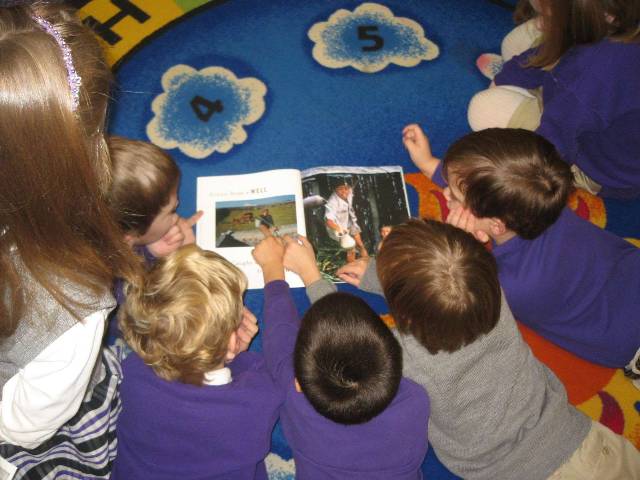
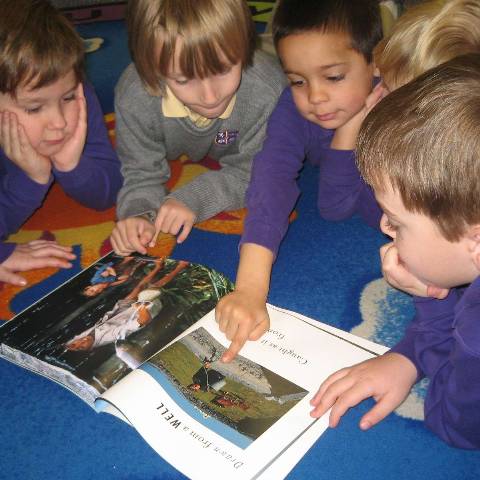
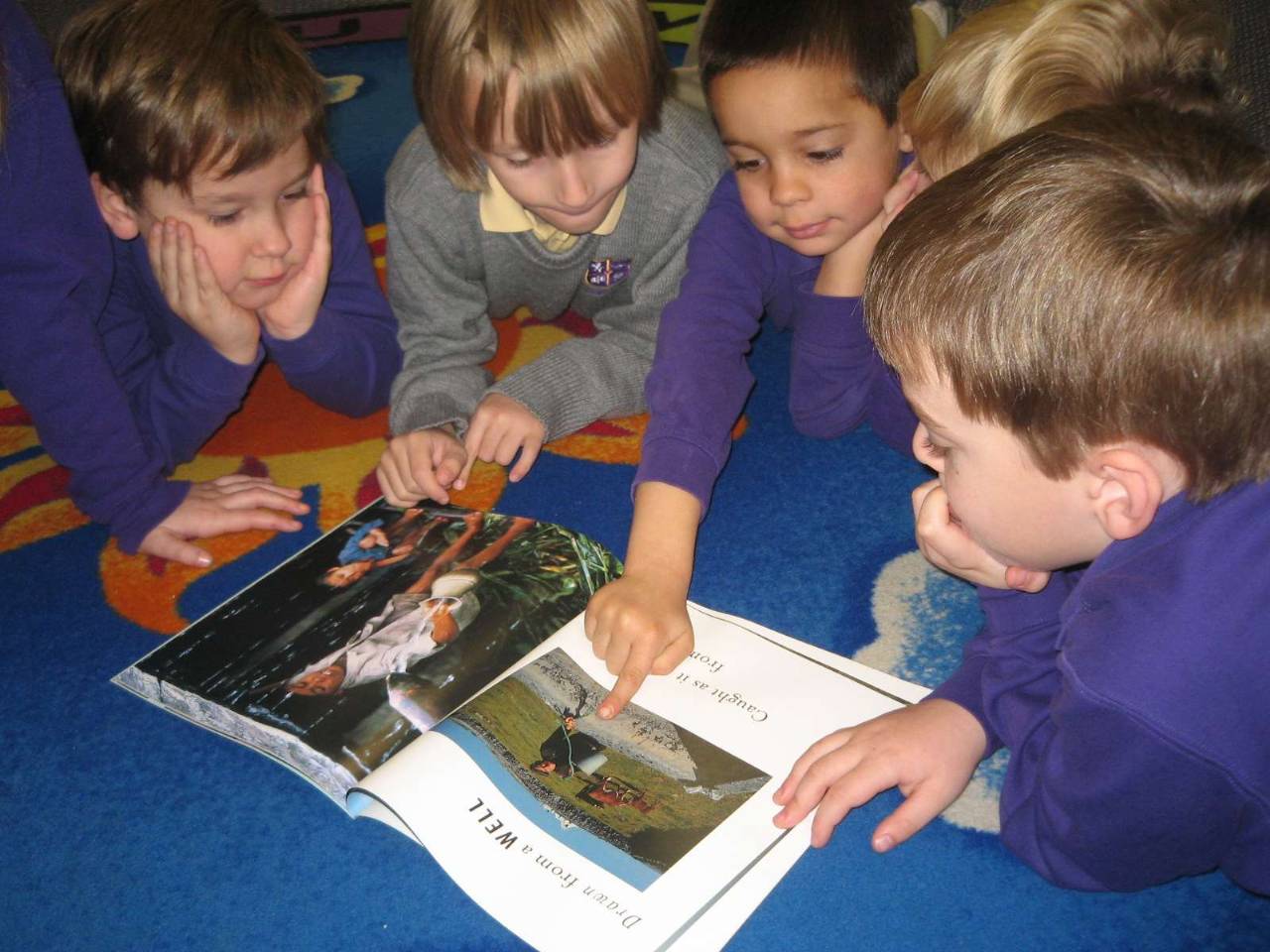
One of the ways this is done is by asking these young thinkers a lot of questions (time to turn the tables!) Recently, the Lower School has adopted “Eli’s Wish,” which is an effort to supply water filters to as many needy families as possible in Guatemala. One day, kindergarten teacher Janice Cox read a book to her children about water and the many ways it is brought into homes worldwide. As she read, she would often stop and ask, “Where do you think the water comes from?” or “How do you think it might be transported in this country?”
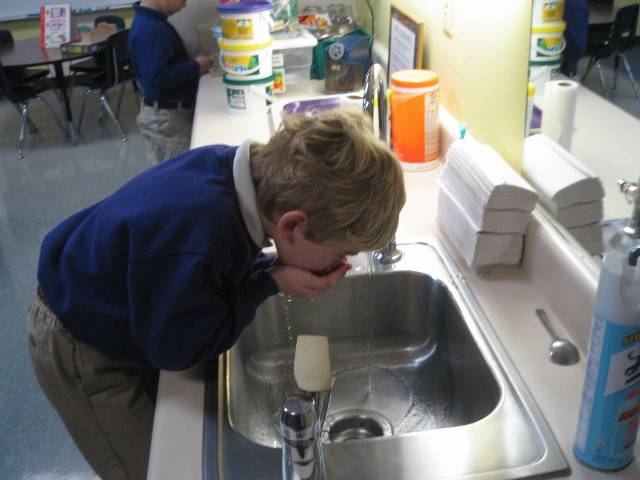
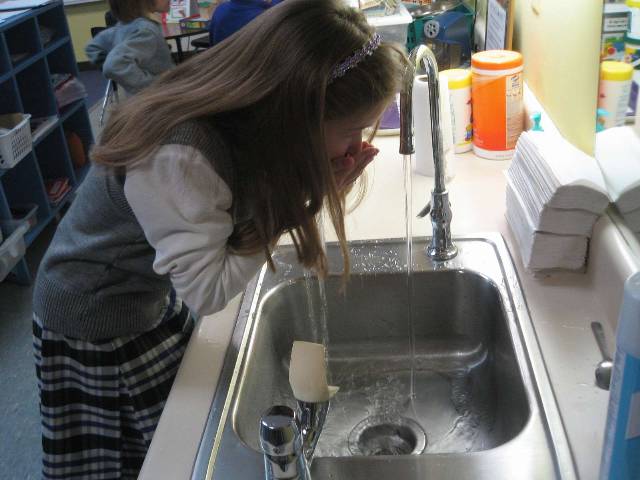
They discussed how essential clean water is to our bodies, which led to questions about why we want and need clean water. These discussions in turn prompted questions about why should we help those who don’t have pure water. She said her children were amazing with their responses about healthy babies and mommies needing clean water and how everyone should be able to drink water that doesn’t have bugs and germs in it. Their thinking not only showed the depth of their understanding, but also their compassion in helping others achieve this sanitary luxury.
Because water was the main subject matter that day, one of her math word problems centered around how many cups of water it would take to fill two pitchers, if one pitcher held 3 cups and another held 5 cups. The students were asked to draw how they arrived at their answer and write the equation. Mrs. Cox said she was thrilled to see so many ways the students pictured the solution!
To conclude the day, a picture book was shown to the class as they were instructed to create a story based on the very simple drawings. One child would begin the story with an action, followed by Mrs. Cox asking why that might be happening. Then the next student would add an explanation and subsequent plot. The exercise continued until the final page, resulting in a story truly created by the students. Of course, the figures were holding objects that the children decided must contain—what else, water!
These are just a few examples of HOW our students are encouraged from the very beginning to use their “thinking caps” (as they were called in my youth!) and arrive at answers in their own minds in their own ways. I urge you to come and see these 5- and 6-year-olds “use careful judgment” as they pull from past experiences and knowledge to think through solutions. It’s critical for tomorrow’s leaders to be shown this today and it's reasurring to see it in action here now!